
Introduction
Mojave, CA, is a small desert town with a big story. Known for its railroad history, aerospace activity, and access to nearby desert landscapes, it is both a practical stop and an interesting destination for travelers.
- Quick Facts About Mojave, CA
- Why Mojave, CA Matters
- Location and Geography of Mojave, CA
- Why the location helps travelers
- A Short History of Mojave, CA
- Railroad beginnings
- Mining and desert industry
- Aviation changes the town’s identity.
- Deep desert history
- Mojave Weather and Climate
- What the climate is like
- Best seasons to visit
- Weather travel tip
- Landscape and Natural Features Around Mojave
- Elevation matters
- Why the landscape is important
- Plants and Flora in the Mojave Region
- Common desert plants
- Joshua trees
- Seasonal growth
- Why desert plants matter
- Wildlife in Mojave, CA
- Important desert animals
- The desert tortoise
- Birdwatching in the desert
- Best wildlife viewing tips
- Human History and Cultures in and Around Mojave
- Native history
- Mining and homesteading
- Roads and railroads
- Aviation and modern industry
- Mojave Air and Space Port: The Town’s Most Famous Landmark
- Why is it important
- Public visitor access
- Why travelers like it
- Mojave National Preserve: The Best Nearby Desert Destination
- What makes the preserve special
- A landscape of variety
- Travel advice for the preserve
- Best activities in the preserve
- Mojave Trails National Monument: A Bigger Desert Corridor
- Why it matters
- Visitor value
- Things to Do in Mojave, CA
- 1. Visit the Mojave Air and Space Port
- 2. Explore Mojave National Preserve
- 3. Drive through Mojave Trails National Monument
- 4. Watch for wildlife
- 5. Take desert photos
- 6. Learn local history
- Best Travel Tips for Mojave, CA
- Before you go
- What to bring
- How to travel safely
- Why planning matters
- Where to Stay in Mojave
- Best reasons to stay in Mojave
- What kind of stay to expect
- Getting to Mojave and Getting Around
- Getting there
- Getting around
- Important reminder
- Pros and Cons
- Pros
- Cons
- Interesting Facts About Mojave, CA
- Environmental Issues and Conservation in the Mojave Region
- Main environmental pressures
- Why this matters
- Conservation efforts
- Responsible travel
- Best Time to Visit Mojave, CA
- Spring
- Fall
- Summer
- Winter
- Example 2-Day Mojave Trip Plan
- Day 1: Town and aviation focus
- Day 2: Nature and scenery
- FAQs
- Conclusion
Quick Facts About Mojave, CA
| Topic | Details |
| Location | Kern County, California, in the western Mojave Desert |
| Distance from major cities | About 50 miles east of Bakersfield and 100 miles north of Los Angeles |
| Elevation | Around 2,762 feet |
| Population | About 4,700 at the 2020 census |
| Best-known landmark | Mojave Air and Space Port |
| Best nearby desert destination | Mojave National Preserve |
| Region | Southern California desert corridor |
| Main travel value | Road trips, aviation history, desert exploration, and scenic stops |
Why Mojave, CA Matters
Mojave matters because it sits at the intersection of travel and survival. That may sound simple, but it explains nearly everything about the town. Long before modern visitors arrived for scenic drives or aerospace tourism, the area was already important because it served a purpose. Rail lines, mining routes, desert roads, and later aviation all used Mojave as a point of passage, support, and transition.
That practical role gave the town a lasting identity. Many places in the desert existed only briefly and then disappeared. Mojave endured because it remained useful. It became a place where people stopped, refueled, repaired, reoriented, and continued. Over time, that usefulness grew into a deeper identity. The town became associated not only with transportation but also with innovation, experimentation, and desert endurance.
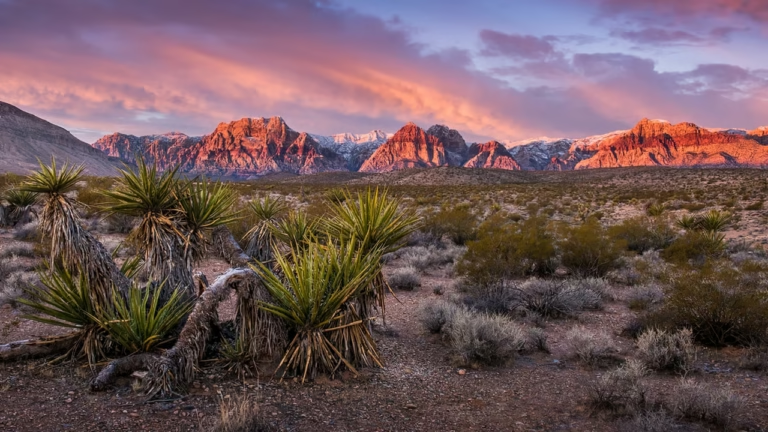
Mojave also matters because it gives people access to a landscape that feels expansive and memorable. Around the town, visitors can encounter desert flats, mountain edges, volcanic formations, sandy basins, and protected wilderness. For hikers, photographers, history lovers, road trippers, and aviation fans, Mojave offers multiple reasons to visit. It is not just a place to pass through. It is a place that rewards attention.
From an SEO perspective, the keyword Mojave, CA, works well because it matches a wide range of search intent. Some users want history. Others want the weather. Some want travel advice, while others are looking for nearby attractions or a full destination guide. A strong pillar article needs to satisfy all of those needs in one place, and Mojave is rich enough to support that.
Location and Geography of Mojave, CA
Mojave is located on the western edge of the Mojave Desert in Kern County, California. It sits below and east of the Tehachapi Mountains and Oak Creek Pass, which gives it the feel of a natural crossroads. This location has always been one of its biggest assets. It links inland Southern California with the broader desert region farther east and north.
The town’s position makes it especially useful for travelers. It is close enough to Bakersfield and Los Angeles to work as a practical stop, but it is far enough from the metropolitan edge to feel unmistakably desert-like. That contrast gives Mojave its character. It is accessible, yet still remote enough to feel open and spacious.
The geography around Mojave is more varied than many first-time visitors expect. It is not simply a flat stretch of sand. The area shifts from valley floors to rocky ridgelines, from dry basins to higher elevations, and from exposed desert spaces to cooler mountain edges. Because of that, the region feels larger and more dynamic than its small-town footprint suggests.
Mojave also sits within important transportation corridors. Major roads pass through the area, and the town connects to broader desert travel networks. It is linked to the Pacific Crest Trail as well, which gives it added relevance for hikers and long-distance outdoor travelers. In practical terms, this means Mojave works well as a road trip base, a stopover point, or a jumping-off place for bigger desert journeys.
Why the location helps travelers
Mojave works well as:
- a stop on a California road trip
- a base for desert day trips
- a starting point for preserve and monument visits
- a practical place to rest, fuel up, and prepare
- a destination for aviation fans and history enthusiasts
Its location is not accidental to its success. Mojave is a gateway town, and that role is part of its identity.
A Short History of Mojave, CA
The history of Mojave, CA, is closely tied to movement. Like many desert communities in the American West, it developed because people needed a place to stop and connect routes across difficult terrain. The town did not grow around a single dramatic event. Instead, it became important by repeatedly serving the practical needs of transportation, industry, and exploration.
Railroad beginnings
Mojave grew during the railroad era. As railroads expanded across the West, towns along key routes often became essential service points. They handled freight, passengers, supplies, and maintenance. Mojave survived and developed because it occupied a valuable location within that system.
This early importance shaped everything that followed. Once a town becomes known as a dependable stop, more infrastructure tends to gather around it. That pattern helped Mojave transition from a desert outpost into a more Established settlement with long-term purpose.
Mining and desert industry
Mojave also became connected to mining and the industries that supported it. The surrounding desert region contained natural resources and required logistics support, labor, and supply chains. Desert towns often grew by responding to the needs of mining and extraction, and Mojave fit that pattern well. It was not only a residential spot but also a service base for regional work.
Aviation changes the town’s identity.
The biggest turning point in Mojave’s modern story came with aviation. The Mojave Air and Space Port opened in 1935 as a rural airfield supporting the local gold and silver mining industry. In 1942, the U.S. Marine Corps took over the field, tying the site even more deeply to military and aerospace history.
Over time, the airport evolved far beyond a simple landing strip. It became a major civilian aerospace center, known for flight testing, aircraft storage, research, engineering, and experimental aviation. It is also home to the National Test Pilot School. The airport says it hosts more than 60 companies involved in aerospace activity, which is extraordinary for a town of this size.
That transformation helped redefine Mojave. What was once a stop in the desert became a recognized name in the world of aircraft testing and aerospace development. That is one reason Mojave stands out. It is not just historically interesting; it is actively relevant to modern innovation.
Deep desert history
The wider Mojave region also has a much older human story. The surrounding protected lands preserve evidence of long-term human presence and movement. Native peoples, miners, ranchers, homesteaders, road builders, and modern travelers have all left their mark on the land.
That layered history gives Mojave depth. It is not a one-era town. It carries the imprint of multiple time periods, each of which added something to the present.
Mojave Weather and Climate
Understanding Mojave weather is essential for anyone planning a visit. This is desert country, and desert weather can be both beautiful and unforgiving. The climate is dry, bright, and often extreme. Summer heat can be intense, while winter can bring cold temperatures and strong winds, especially in higher areas.
Rainfall is generally low, but conditions vary by season and elevation. That means the weather can change from one part of the region to another, sometimes quite quickly. Travelers should always plan carefully rather than assuming that all desert conditions are the same.
What the climate is like
The broader Mojave region, including nearby preserved lands, gives a good sense of the local climate:
- Summers are hot.
- Temperatures above 100°F are common in warm months.
- Winters can bring freezing temperatures.
- Winds can be strong.
- Rainfall is low and uneven.
- Most precipitation falls between November and April.
- Summer thunderstorms can bring sudden heavy rain.
The National Park Service notes that temperatures above 100°F can begin as early as May. That makes late spring the beginning of serious heat in the desert, not just the height of summer. Outdoor travelers need to keep that in mind.
Best seasons to visit
The most comfortable seasons for visiting Mojave are generally:
- Spring
- Fall
These months usually offer the best balance of temperature, visibility, and travel comfort. Skies are often clear, outdoor activity is more pleasant, and road conditions tend to be easier to manage.
Summer is still possible for those who are prepared, but caution matters. Long hikes, midday driving, and poor planning can become dangerous in extreme heat. Winter can also be enjoyable, though wind and cold can affect travel, especially in exposed or elevated areas.
Weather travel tip
A simple desert rule applies very well in Mojave:
Start early, plan carefully, and carry more water than you think you need.
That basic habit can make a major difference in safety and comfort.
Landscape and Natural Features Around Mojave
The terrain around Mojave is varied and visually striking. It is not a single monotone desert plain. Instead, it includes multiple landforms, elevations, and ecological zones that create a sense of scale and complexity.
The broader region includes:
- rugged mountain ranges
- rocky basins
- ancient lava flows
- dunes
- open desert flats
- dry valleys
- higher elevation slopes
That variety is one reason the area feels so dramatic. The desert here is not empty. It is layered, textured, and full of contrast.
Elevation matters
Elevation has a major influence on the local environment. In nearby protected areas, the landscape ranges from low desert zones to high mountain terrain. That variation affects temperature, rainfall, plants, wildlife, and travel conditions.
A single drive can take you through several very different desert settings. One section may feel dry and open, another rocky and shaded, and another cooler and more elevated. This makes the region far more interesting than many people assume.
Why the landscape is important
The landscape shapes everything around it:
- What plants can grow
- What animals can survive
- how hot or cool a place feels
- What kind of travel is possible
- Which activities are safe and enjoyable
For visitors, that means Mojave is more than just a town. It is an entry point into a larger desert system with multiple layers of meaning and use.
Plants and Flora in the Mojave Region
The plant life around Mojave, CA, is a strong example of adaptation under pressure. Desert plants survive with limited water, intense sun, poor soil, and long dry periods. Many people imagine deserts as barren, but that is misleading. The vegetation is specialized, resilient, and essential to the health of the ecosystem.
Common desert plants
The nearby preserve and surrounding desert lands include:
- Joshua trees
- creosote bush
- yuccas
- cholla
- juniper
- pinyon pine
- white fir in higher elevations
Each species occupies a particular niche. Some thrive in lower, hotter areas. Others appear in cooler or higher terrain. This distribution adds ecological diversity to the region.
Joshua trees
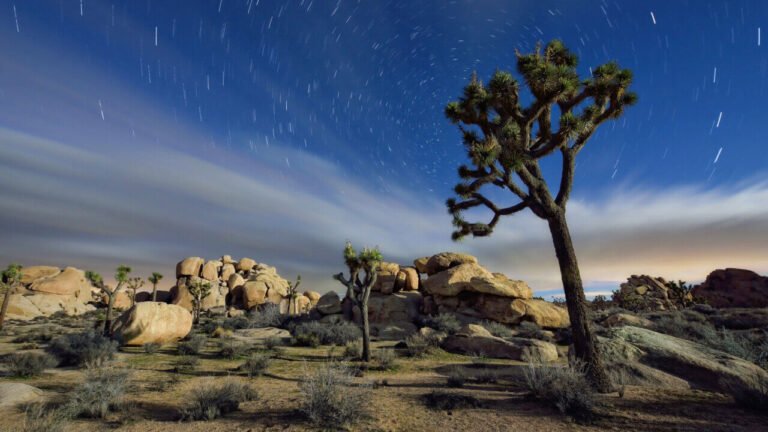
The Joshua tree is one of the most iconic plants in the Mojave region. It is instantly recognizable and closely associated with the desert’s visual identity. Joshua trees grow in certain elevation ranges and can live for many decades. Their sculptural form makes them both beautiful and symbolic.
For many visitors, seeing Joshua trees is one of the clearest signs that they have entered true Mojave Desert country.
Seasonal growth
Many desert plants follow a brief, opportunistic growth cycle. After seasonal rains, annual plants may sprout, bloom quickly, produce seeds, and disappear before the harsh heat returns. That makes spring an excellent time to observe plant life in motion.
Why desert plants matter
Desert plants do far more than decorate the landscape. They support:
- insects
- birds
- reptiles
- mammals
- soil stability
- conservation efforts
- restoration projects
Without native plant communities, the entire ecosystem weakens. That is why preserving these plants is a major part of desert conservation.
Wildlife in Mojave, CA
Wildlife is one of the most underrated parts of the Mojave experience. The desert may look sparse at first glance, but it supports an impressive variety of species. Once you slow down and pay attention, the region reveals a surprising amount of life.
Mojave National Preserve is home to:
- 50 known mammal species
- more than 200 bird species
- 36 reptile species
- 3 amphibians
- 3 fish species
- many insects and arachnids
That diversity is remarkable for a dry environment.
Important desert animals
Some of the most familiar animals in the Mojave area include:
- desert tortoise
- desert bighorn sheep
- lizards
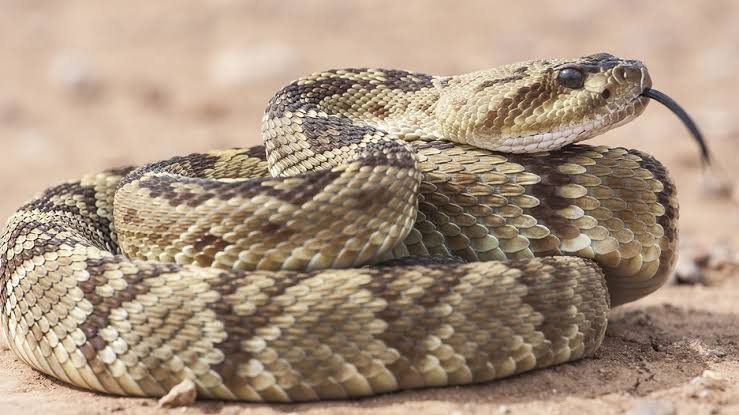
- snakes
- rabbits
- coyotes
- birds of prey
- small mammals and desert birds
- insects and other tiny but vital creatures
The desert tortoise
The desert tortoise is one of the region’s most important and symbolic species. It is often associated with conservation because it depends on a healthy habitat to survive. Its presence is a reminder that the desert is not empty; it is ecologically complex and fragile.
Birdwatching in the desert
The Mojave region can be excellent for birdwatching, especially in the early morning or cooler months. Birds are often easier to observe before the heat rises and before the day becomes noisy with traffic or activity.
Best wildlife viewing tips
Wildlife is easiest to spot when you:
- go out early in the morning
- move quietly
- Stay on approved routes,
- bring binoculars,
- keep a respectful distance, and avoid disturbing nesting or resting animals
The desert rewards patience. If you rush, you miss far more than you see.
Human History and Cultures in and Around Mojave
The human story around Mojave is deeper and older than many travelers realize. The town itself has a modern history shaped by railroads and aviation, but the surrounding desert has been part of human life for thousands of years.
Native history
The broader region is connected to Native peoples, including the Mojave Tribe and other desert communities whose histories are tied to water sources, movement, trade routes, and survival in a harsh environment. Their relationship to the land is part of the region’s long cultural memory.
Mining and homesteading
Later, the desert attracted miners, settlers, ranchers, and homesteaders. These people often came looking for opportunity in difficult conditions. Desert life demanded resilience, self-sufficiency, and adaptation. The people who stayed learned to work with the landscape rather than against it.
Roads and railroads
The expansion of railroads and roads changed the region again. Mojave became part of a larger transportation and supply network. That network supported local growth and made the town more important as a practical hub.
Aviation and modern industry
The most visible modern layer of history is aviation. The Mojave Air and Space Port transformed the town into a location known around the world for aerospace work. That shift gave Mojave a contemporary identity that is rare among desert towns.
Mojave Air and Space Port: The Town’s Most Famous Landmark
If there is one place that defines modern Mojave, CA, it is the Mojave Air and Space Port. It is not merely an airport. It is a landmark, a business center, a research facility, a test location, and a symbol of the town’s unusual place in modern history.
Why is it important
The airport is known for:
- aircraft testing
- aerospace development
- research and engineering
- aircraft storage
- experimental aviation
- test pilot training
It is also home to the National Test Pilot School, which gives it even greater significance in the aerospace world.
Public visitor access
One of the most appealing things for travelers is that the public areas of the airport can be visited without special permission. Visitors can explore:
- the static display
- Legacy Park
- the Administration Building
The airport also provides a self-guided driving tour with nine stops, which makes it more accessible and visitor-friendly than many people expect.
Why travelers like it
The airport attracts interest because it combines history, technology, and curiosity. Even people who are not aviation specialists often find it fascinating. It shows how a desert town can become part of the future of flight while still preserving its past.
Mojave National Preserve: The Best Nearby Desert Destination
If Mojave town represents the human and transportation story, Mojave National Preserve represents the natural and ecological story. It is one of the strongest nearby destinations for outdoor travelers, landscape lovers, and anyone who wants to experience the desert more deeply.
What makes the preserve special
The preserve is known for:
- scenic desert landscapes
- hiking
- camping
- wildlife
- historic sites
- lava fields
- dunes
- mountain views
- backcountry travel
The National Park Service emphasizes that the preserve protects both a long human history and a fragile natural system. That combination makes it especially meaningful.
A landscape of variety
The preserve is memorable because it includes many different desert environments. Visitors do not experience a single flat scene. Instead, they encounter a mix of ecology, geology, history, and movement across the land.
Travel advice for the preserve
The National Park Service recommends checking:
- road conditions
- alerts
- current access updates
That matters because desert roads can be affected by storms, heat, erosion, or maintenance. Maps are useful, but they do not always reflect real-time access.
Best activities in the preserve
Some of the best things to do include:
- scenic drives
- short hikes
- photography
- wildlife watching
- camping
- sunrise and sunset viewing
- historical sightseeing
Spring and fall are generally the best seasons for longer visits.
Mojave Trails National Monument: A Bigger Desert Corridor
Another major nearby destination is Mojave Trails National Monument. It expands the visitor experience and shows that Mojave belongs to a much larger landscape network.
Why it matters
According to the Bureau of Land Management, the monument:
- covers 1.6 million acres
- lies between Barstow and Needles
- includes rugged mountain ranges
- includes ancient lava flows
- includes dunes
- contains the longest remaining undeveloped stretch of Route 66
- connects Mojave National Preserve with Joshua Tree National Park
That makes it one of the most important desert corridors in the region.
Visitor value
For travelers, this means Mojave can be part of a bigger route that includes:
- historic highway travel
- scenic desert driving
- preserve access
- monument exploration
- remote photography
- long-form road trip planning
Things to Do in Mojave, CA
Mojave is not a big entertainment city, and that is not the point. Its strength lies in access, history, space, and atmosphere. The best things to do reflect those qualities.
1. Visit the Mojave Air and Space Port
This is the town’s signature attraction and the best place to start for anyone interested in aviation, engineering, or local history.
2. Explore Mojave National Preserve
This is the best destination for experiencing the desert itself. It offers open landscapes, wildlife, hiking opportunities, and quiet natural beauty.
3. Drive through Mojave Trails National Monument
This is ideal for people who enjoy long drives, desert vistas, and historic travel corridors.
4. Watch for wildlife
The best viewing times are usually early in the morning and during cooler seasons.
5. Take desert photos
The region is excellent for photography because the scenery changes with light, weather, elevation, and time of day.
6. Learn local history
Mojave’s story includes railroads, mining, desert transport, and aviation. That layered past gives the town much more depth than a quick stop would suggest.
Best Travel Tips for Mojave, CA
Travel in a desert country takes more preparation than a typical town visit. Mojave is reachable and manageable, but the surrounding terrain deserves respect.
Before you go
Check:
- road conditions
- weather forecast
- fuel level
- water supply
- daylight hours
- your return route
What to bring
A good Mojave trip should include:
- plenty of water
- sunscreen
- a hat and sunglasses
- snacks
- a full fuel tank
- sturdy shoes
- maps or offline directions
- light layers for shifting temperatures
How to travel safely
Use these rules:
- Start early in the day.
- Avoid long hikes in extreme heat.
- Do not rely only on the phone signal.
- Stay on marked roads and paths.
- Respect closures and alerts.
- Carry extra water, even for short trips.
Why planning matters
The desert can be stunning, but it can also become hazardous quickly. Good planning makes the experience safer, easier, and more rewarding.
Where to Stay in Mojave
Mojave works best as a functional base town. It is useful for travelers who need lodging, restaurants, fuel, and access to nearby attractions without the complications of a larger tourist area.
Best reasons to stay in Mojave
- convenient road access
- close to desert attractions
- useful for early starts
- Good for overnight road trip stops
- strong aviation and adventure appeal
What kind of stay to expect
Mojave is not a luxury resort destination. It is more practical than glamorous, and that is part of its charm. Travelers who value convenience, flexibility, and access often find it a smart place to stay.
Getting to Mojave and Getting Around
Mojave is best reached by road. It fits naturally into a California desert route and works well for people coming from inland Southern California.
Getting there
Mojave is located near:
- Bakersfield
- Los Angeles
- desert highway corridors
That makes it a convenient stop for road trippers and desert travelers.
Getting around
Inside town, the layout is relatively simple. Outside town, the desert becomes more remote and demanding. Roads may be long, isolated, and affected by heat, weather, or distance.
That is why travelers should never assume desert driving works like city driving.
Important reminder
In the desert, the biggest mistake is usually underestimating distance, heat, or isolation.
Pros and Cons
Pros
- Strong aviation identity
- Easy access to major desert attractions
- Excellent for road trips and scenic drives
- Interesting and layered history
- Good for wildlife viewing and photography
- Useful base for preserving and monument travel
Cons
- Very hot summers
- Services are spread out
- Remote travel requires preparation
- Road conditions can change
- Not ideal for casual, unplanned wandering
Interesting Facts About Mojave, CA
Here are a few details that help explain Mojave’s appeal:
- The Mojave Air and Space Port began in 1935.
- It later became one of the most important civilian aerospace test centers in the United States.
- The town is close to the Pacific Crest Trail.
- Nearby protected lands preserve a 10,000-year human history.
- The region supports a rich mix of wildlife, even though it appears dry and quiet at first.
- The surrounding desert includes dunes, lava flows, high mountains, and broad valley floors.
- Joshua trees and other native plants create a landscape that feels instantly recognizable.
These facts show why Mojave has such a strong identity despite its small size.
Environmental Issues and Conservation in the Mojave Region
The Mojave region is beautiful, but it is also fragile. The desert may appear tough, but it changes slowly and can be harmed for a long time if not managed carefully.
Main environmental pressures
The region faces pressure from:
- invasive grasses
- frequent fire
- recreation impact
- energy development
- urban expansion
- habitat disturbance
Why this matters
Desert ecosystems recover slowly. Rain is limited. Growth seasons are short. Many plants and animals depend on precise conditions that are easy to disrupt. Once damage occurs, restoration can take years or even longer.
Conservation efforts
Conservation in the Mojave often depends on:
- native plant restoration
- careful seed selection
- habitat protection
- wildlife awareness
- responsible tourism
- long-term land management
Responsible travel
Visitors help protect the region when they:
- Stay on designated routes
- avoid disturbing wildlife
- leave no trash behind
- respect closures
- Keep a distance from sensitive plants and animals
Responsible travel helps keep Mojave special for future generations.
Best Time to Visit Mojave, CA
The best time to visit Mojave, CA is usually spring or fall.
Spring
Spring is one of the best seasons because:
- Temperatures are more comfortable
- Wildflowers may appear
- Outdoor travel is easier
- The photo conditions are excellent
Fall
Fall is also a strong choice because:
- The heat begins to ease
- Driving is more comfortable
- Sunsets can be especially beautiful
- Exploring the outdoors feels more manageable
Summer
Summer can be very hot. This is the season that requires the most caution and preparation.
Winter
Winter can be pleasant in some ways, though colder temperatures and wind may affect higher terrain and exposed areas.
Example 2-Day Mojave Trip Plan
Day 1: Town and aviation focus
Start at the Mojave Air and Space Port. Explore the public area, the static display, and the self-guided driving tour. In the afternoon, spend time learning about the town’s history and enjoying the desert setting at a slower pace.
Day 2: Nature and scenery
Leave early for Mojave National Preserve. Choose a short hike, a scenic drive, or a wildlife stop. If time allows, connect the trip to Mojave Trails National Monument or other desert routes nearby.
This type of itinerary works well because it combines history, science, and nature without feeling rushed.
FAQs
No. Mojave, C, is the town in Kern County, while Mojave National Preserve is a separate protected federal area in the desert region. The town serves as a community and travel base, while the preserve is a large natural landscape with roads, trails, and visitor areas.
Mojave is best known for its railroad and mining-era history, its desert location, and the Mojave Air and Space Port, which is now a major aerospace test center.
The best time to visit is usually spring or fall. Those seasons are more comfortable for walking, sightseeing, and outdoor travel.
Yes. The airport says public areas can be visited without special permission. Visitors can see the static display, Legacy Park, and the Administration Building, and use the self-guided driving tour.
Check road conditions, weather, and current alerts before heading into the desert. This is especially important for Mojave National Preserve because desert conditions can change quickly.
Yes. Mojave is a practical base because it is close to desert attractions, major routes, and aviation landmarks. It works especially well for travelers who want a simple, useful stopover with easy access to the surrounding region.
The region has a wide range of wildlife, including desert tortoise, desert bighorn sheep, birds, reptiles, mammals, and many insects. Early morning is usually the best time to look for animals
Conclusion
Mojave, CA, may look like a small desert town, but it has a strong identity shaped by its history, location, and unique desert landscape. Whether you are passing through or exploring the region, it serves as a memorable and Meaningful stop in the Mojave Desert.