
Introduction
Mojave National Preserve is one of the most remarkable desert landscapes in the American Southwest. With its dunes, lava fields, Joshua trees, mountains, and historic sites, it offers a true escape into nature. This guide covers the best things to do, where to camp, what to expect, and how to plan a safe and memorable visit.
- Why Visit Mojave National Preserve?
- Mojave National Preserve at a Glance
- Location and Geography
- Elevation Makes the Landscape Diverse
- Climate and Weather Patterns
- What the Weather Feels Like
- Rain and Wind
- Best Time to Visit
- Landscape Features: What Makes This Preserve So Unique?
- 1. Kelso Dunes
- 2. Cinder Cones and Lava Beds
- 3. Joshua Tree Woodland
- 4. Mountains and Desert Basins
- Flora: Plants of Mojave National Preserve
- Main Plant Communities
- Wildflowers
- Joshua Trees
- Fauna: Animals, Reptiles, Birds, and More
- Wildlife You May Find
- Desert Tortoise
- Desert Bighorn Sheep
- Birds
- Why Wildlife Matters Here
- Human History and Cultures
- Native History
- Mining and Ranching
- Railroads and Transportation
- Other Historic Sites
- Survival Tips and Safety Challenges
- Important Safety Facts
- What You Should Bring
- Road Safety
- Heat Safety
- Mine and Shaft Safety
- Wildlife and Vehicle Safety
- Best Things to Do in Mojave National Preserve
- 1. Visit Kelso Dunes
- 2. Walk the Teutonia Peak Trail
- 3. Explore the Lava Tube
- 4. Stop at the Kelso Depot Visitor Center
- 5. Camp Overnight
- 6. Drive Scenic Roads
- 7. Watch for Wildlife and Wildflowers
- Camping in Mojave National Preserve
- Developed Campgrounds
- Roadside and Backcountry Camping
- Camping Tips
- Why Camping Is Worth It
- Table: Best Places to Visit in Mojave National Preserve
- Travel Tips That Actually Matter
- Start With Fuel and Water
- Use the Right Route
- Match the Season to the Elevation
- Leave Early
- Keep Your Plan Simple
- Pros and Cons
- Pros
- Cons
- Interesting Facts About Mojave National Preserve
- Environmental Issues and Conservation
- Fire and Joshua Trees
- Tortoise Protection
- Water and Habitat Management
- Why Conservation Matters
- FAQs
- Conclusion
Why Visit Mojave National Preserve?
Mojave National Preserve is special because it feels remote even though it sits between Los Angeles and Las Vegas. That makes it an ideal road trip destination for travelers who want a genuine desert experience without needing a complicated itinerary. The preserve offers open space, silence, vast horizons, and scenery that shifts dramatically from one zone to another.
This is not a destination for crowds or luxury resorts. It is a place for solitude, scale, and immersion in a raw, elemental landscape. Here, you can climb Kelso Dunes, hike Teutonia Peak, explore the Lava Tube, camp under a vast night sky, and drive through some of the most unforgettable desert scenery in the country.
This is also a place where natural history and human history overlap. Ancient travel routes, mining camps, railroads, springs, ranching traces, and Native cultural history all exist within the same broad landscape. That makes the preserve more than a scenic stop. It becomes a living archive of the Mojave Desert itself.
Mojave National Preserve at a Glance
| Topic | What to Know |
| Official name | Mojave National Preserve |
| Size | About 1.6 million acres |
| Entrance fee | No entrance pass required |
| Best seasons | Spring and fall |
| Main visitor center | Kelso Depot Visitor Center |
| Fuel and cell service | No gas or charging inside the preserve; cell service is very limited |
| Signature highlights | Kelso Dunes, Teutonia Peak, Lava Tube, Hole-in-the-Wall, Cima Dome, Kelso Depot |
| Main access routes | Baker, Kelbaker Road, Cima Road, Essex Road, Nipton Road, Goffs Road |
Location and Geography
Mojave National Preserve is in southeastern California, east of Barstow and positioned between Interstate 15 and Interstate 40. It is too large to experience fully in a single quick stop, so most visitors need to choose which section of the preserve fits their time, vehicle, and interests.
There are multiple entry routes into the preserve. Some travelers arrive from Baker, while others enter through Kelbaker Road, Cima Road, Essex Road, Nipton Road, or Goffs Road. The best route depends on what you want to see. If your priority is dunes, one road may make the most sense. If you are more interested in mountain views, Joshua trees, or historic sites, another route may be better.
A useful travel tip is to type specific destination names, such as Kelso or Hole-in-the-Wall, into your GPS rather than relying on a broad search for “Mojave, California.” The preserve is remote, road networks are sparse, and generic navigation can send you far off course.
Elevation Makes the Landscape Diverse
One of the most fascinating features of Mojave National Preserve is its huge elevation range. It stretches from about 938 feet at Zzyzx to 7,929 feet at Clark Mountain. That difference changes the entire character of the land.
Because elevation shifts so much across the preserve, visitors encounter several distinct ecosystems and landforms in one trip:
low desert scrub
Joshua tree woodland
volcanic lava fields
dunes
rocky mountain slopes
pinyon-juniper communities at higher elevations
This is a major reason the preserve feels so expansive and visually varied. It is not just one desert. It is an overlapping system of desert Environments that creates depth, texture, and contrast.
Climate and Weather Patterns
The Mojave is a high desert, which means temperature swings can be dramatic and seasonal conditions matter a great deal. Understanding the weather is one of the most important parts of planning a visit.
What the Weather Feels Like
Winter can be cold, especially at higher elevations. Temperatures may drop below freezing, and wind can become strong enough to make camping uncomfortable. Snow or rain may fall in the mountains, which adds to the contrast between different parts of the preserve.
Spring is often the most pleasant season. Temperatures are more comfortable for hiking and driving, and wildflowers may bloom after enough rainfall. It is one of the best times for photography, scenic exploration, and long outdoor days.
Summer is the harshest season for many visitors. In the lower elevations, temperatures often rise above 100°F. That makes midday hiking risky and physically demanding. Fall is usually cooler, calmer, and more forgiving, so it is another excellent season for exploration.
Rain and Wind
Rainfall is limited and uneven. Lower regions may receive only around 3.5 inches annually, while mountain areas may get close to 10 inches. Most precipitation falls from November to April.
Summer storms can develop quickly and produce flash floods, especially in washes and other low-lying areas. Wind is also common in fall, late winter, and early spring. Strong gusts can affect camping comfort, dust conditions, and driving on dirt roads.
Best Time to Visit
The best seasons are usually:
spring, for cooler temperatures and possible wildflowers
fall, for comfortable hiking weather and clearer conditions
Winter can also be enjoyable if you are prepared for cold nights and shorter days. Summer is best only if you stay high, move early, and keep your itinerary conservative.
Landscape Features: What Makes This Preserve So Unique?
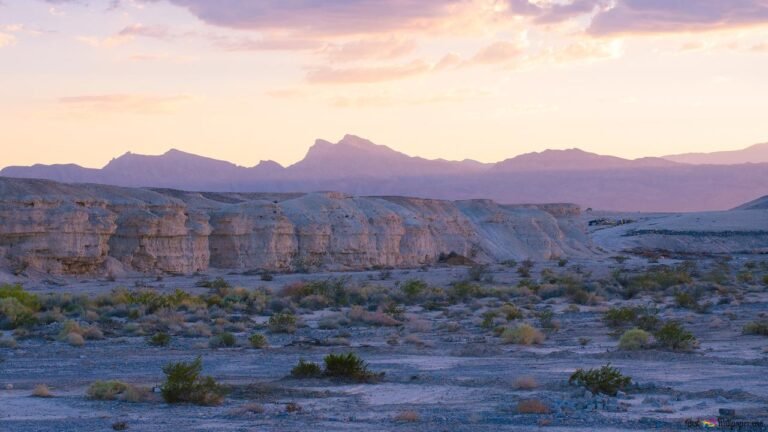
Mojave National Preserve is famous for its layered, dramatic terrain. You can drive through an open basin, then move into lava country, then see immense dunes, then pass Joshua trees and rocky ridges. The constant variation is part of what makes the preserve so compelling.
1. Kelso Dunes
Kelso Dunes is one of the most iconic features in the preserve. They were shaped over thousands of years as wind moved sand from ancient dry lake and river systems. Today, the dunes rise nearly 700 feet and cover about 45 square miles.
This is one of the largest and tallest dune fields in the United States. It is also known for a rare natural phenomenon: under the right conditions, the sand can “boom” or “sing” as it slides down the slope. That unusual sound gives the dunes an almost mythical quality.
Why visitors love Kelso Dunes:
Huge, open desert views
A true sand climb
A quiet, isolated atmosphere
Excellent sunrise and sunset photography
A classic Mojave Desert experience
If you only have time for one signature stop, Kelso Dunes deserves to be near the top of your list.
2. Cinder Cones and Lava Beds
The volcanic side of the preserve is just as dramatic as the dune landscape. Along Kelbaker Road, the scenery shifts into black lava rock, cinder fields, and old volcanic cones that create a harsh and beautiful contrast.
This part of the preserve includes roughly 25,600 acres of lava flows and cinder cones. Some of the volcanic activity is millions of years old, while other formations are geologically younger. The result is a rugged, textured landscape that feels completely different from the open sand and scrub elsewhere in the preserve.
The volcanic terrain also connects to the region’s industrial history. In earlier decades, cinders from this area were used in Las Vegas construction, road building, and landscaping. That gives the landscape both geological and historical value.
3. Joshua Tree Woodland
Many travelers come to the preserve hoping to see Joshua trees, and this is an excellent place to find them. Joshua trees are one of the defining plants of the Mojave Desert, and they appear throughout the preserve, especially in middle-elevation zones.
The preserve contains several plant communities, including:
creosote bush scrub
Joshua tree woodland
cactus yucca scrub
pinyon-juniper woodland
desert riparian areas
desert dune habitats
As elevation rises, Joshua trees become less dominant, and pinyon-juniper woodland becomes more visible. That vertical transition gives the preserve a layered ecological profile.
4. Mountains and Desert Basins
The preserve also features wide basins and prominent mountain ranges. This is one of the reasons the landscape feels so large. You can stand in a flat open basin and look toward steep, distant mountains, or drive into higher ground and find a completely different visual environment.
Important mountain areas include:
Clark Mountain
Granite Mountains
Providence Mountains
New York Mountains
These ranges add structural drama and make the preserve feel even more expansive. They also reinforce the sense that the Mojave is not a single flat desert, but a complex, living geography.
Flora: Plants of Mojave National Preserve
Plant life in Mojave National Preserve changes according to elevation, moisture, and exposure. That variability gives the landscape its richness.
Main Plant Communities
Low areas
Lower elevations are often dominated by creosote bush scrub, a tough and adaptable plant community that thrives in extreme heat and dryness.
Middle elevations
In the middle parts of the preserve, Joshua tree woodland becomes more noticeable. This is where many visitors feel they are seeing the classic Mojave desert image they expected.
Higher elevations
At higher elevations, you may find pinyon-juniper woodland and, in some areas, white fir, juniper, and pinyon pine.
Wet places
Springs, seeps, and other moist locations support desert riparian vegetation. These small green zones are especially important because they provide habitat for birds, insects, and other wildlife that depend on water.
Wildflowers
Wildflowers can appear after meaningful rainfall, especially in spring. In those years, the desert can transform dramatically. What looks dry and muted in one month can become bright and colorful in another. Blooms are highly weather-dependent, so no two seasons are the same.
Joshua Trees
Joshua trees are the signature plant for many visitors. They are visually distinctive, ecologically important, and deeply connected to the identity of the Mojave. One of the best places to see them is near Teutonia Peak Trail, where the trees stand against a broad desert backdrop.
Fauna: Animals, Reptiles, Birds, and More
Mojave National Preserve is far from lifeless. It supports a wide range of animals that have evolved to survive in a demanding environment through adaptation, timing, and resourcefulness.
Wildlife You May Find
The preserve is home to:
50 known mammal species
more than 200 bird species
36 reptile species
3 amphibian species
3 fish species
many insects and arachnids
That is a remarkable amount of biodiversity for an arid landscape.
Desert Tortoise
The desert tortoise is one of the preserve’s most important species. It spends much of its life underground in burrows and is most active during cooler periods such as late winter, spring, or after summer storms.
Because tortoises are vulnerable to vehicle strikes and habitat disturbance, visitors should drive carefully and remain alert to movement on roads and in open habitat.
Desert Bighorn Sheep
Desert bighorn sheep are another iconic Mojave species. They are designed for steep, rocky terrain and can move across difficult slopes that would challenge most other animals.
Their populations were reduced in the past by hunting, disease, and habitat loss. Conservation remains important to their long-term survival.
Birds
Birdwatching can be especially rewarding around springs and seasonal water sources. With more than 200 bird species recorded in the preserve, the desert offers much more avian diversity than many people expect.
Why Wildlife Matters Here
Desert animals do not merely survive. They are adapted to timing, shade, burrows, and brief windows of water and cooler temperatures. Every sighting feels meaningful because life in this environment requires so much precision and resilience.
Human History and Cultures
Mojave National Preserve carries a deep human story. People have lived in, traveled through, and depended on this landscape for thousands of years. The preserve contains traces of Native life, mining, ranching, railroads, military activity, and conservation history.
Native History
The preserve holds a long Indigenous record, including evidence of Chemehuevi and Mohave presence through artifacts, petroglyphs, and pictographs. These remains remind visitors that this landscape was never empty. It was home, highway, resource base, and cultural space.
Mining and Ranching
In the 1800s, mining and ranching became central to the region. After silver was discovered in 1863, miners established camps and excavated shafts. Ranching later expanded across the area as land use shifted and the desert economy changed.
Railroads and Transportation
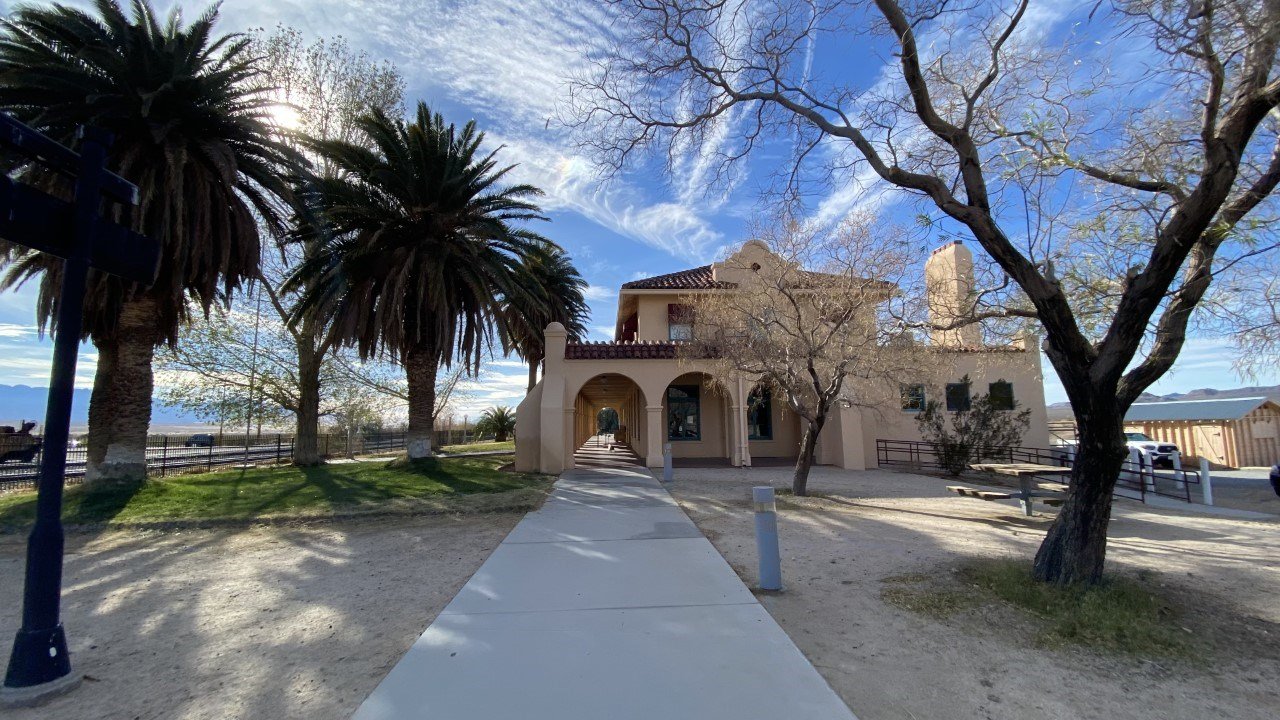
Railroads also shaped the preserve’s identity. Freight lines, transport routes, and railway communities became part of the desert’s development story. Kelso Depot stands as one of the strongest symbols of that era.
Kelso Depot opened in 1924 and served railroad workers with food, lodging, and rest facilities. Today, it functions as the preserve’s main visitor center and museum.
Other Historic Sites
The preserve also includes connections to:
Mitchell’s Caverns
Zzyzx Mineral Springs and Health Resort
military training activity
World War II-era desert use
This combination of natural and human history makes the preserve feel like a landscape with memory.
Survival Tips and Safety Challenges
Mojave National Preserve is beautiful, but it should never be treated casually. It is remote, services are sparse, and conditions can become serious very quickly.
Important Safety Facts
There is no gas station inside the preserve.
There is no charging station inside the preserve.e
Cell service is minimal or nonexistent in many areas.
Some roads are rough, sandy, or damaged.
Summer heat can become dangerous quickly.
What You Should Bring
Carry enough water, food, sun protection, a flashlight or headlamp, an offline map, extra clothing for cold weather, and a full fuel tank before you enter the preserve.
Road Safety
Some roads are paved, but many are not. Dirt roads can be sandy, corrugated, or washed out. Third-party navigation apps are not always reliable in remote desert terrain, so official maps are the safer choice.
Heat Safety
During summer, lower-elevation areas can become dangerous in the middle of the day. Hike early, rest often, and avoid overextending yourself in extreme heat.
Mine and Shaft Safety
Do not enter my tunnels or shafts. They may contain unstable ground, hidden openings, poor air quality, and other invisible hazards. They can look fascinating from the outside, but they are not safe to explore.
Wildlife and Vehicle Safety
Drive slowly, especially at dawn and dusk, when wildlife may be active. Desert tortoises, birds, and other animals can appear on roads without warning.
Best Things to Do in Mojave National Preserve
There is no single correct way to experience the preserve. The most rewarding trips are often the ones tailored to your time, weather, and interest in hiking, driving, or photography.
1. Visit Kelso Dunes
Kelso Dunes is one of the top attractions in the preserve. It offers the kind of classic desert view that many travelers hope to find, along with a rewarding physical challenge and a powerful sense of space.
2. Walk the Teutonia Peak Trail
This is one of the best trails for Joshua tree scenery and wide desert vistas. It is especially appealing in spring and fall, when temperatures are more forgiving.
3. Explore the Lava Tube
The Lava Tube is a short but memorable geological experience. The access road may be rough, so it is best for visitors who are prepared for remote driving.
4. Stop at the Kelso Depot Visitor Center
If you want orientation, history, exhibits, and a useful starting point, Kelso Depot is the best first stop. It helps connect the landscape to the human story behind it.
5. Camp Overnight
Camping is one of the most rewarding ways to experience the preserve. After dark, the silence deepens, the air cools, and the sky becomes one of the biggest attractions of all.
6. Drive Scenic Roads
Scenic driving is a central part of the Mojave experience. The roads connect different terrain types and help reveal the preserve’s enormous geographic scale.
7. Watch for Wildlife and Wildflowers
Spring can bring blossoms and increased animal activity. That seasonal shift makes the preserve feel more vibrant, varied, and alive.
Camping in Mojave National Preserve
Camping is one of the best reasons to spend more than a few hours in the preserve. The developed campgrounds are spread out and offer different advantages depending on your plans.
Developed Campgrounds
| Campground | Best For | Key Details |
| Mid Hills Campground | Cooler temperatures, classic desert camping | About 5,600 feet elevation, reservation only, water hauled in |
| Hole-in-the-Wall Campground | Central base, trail access | About 4,400 feet elevation, reservation only, water available, dump station available |
| Black Canyon Group & Equestrian | Groups and horse users | Good for larger groups, water available |
Roadside and Backcountry Camping
The preserve also offers undeveloped roadside camping in designated areas for travelers seeking a more remote and rustic experience. Many of these sites have no services, and some require high-clearance or 4WD.
Camping Tips
Reserve early when reservations are required.
Bring all the water and food you need
Be prepared for the wind.
Keep your setup simple and safe.
Do not assume services are nearby.y
Why Camping Is Worth It
Camping allows you to experience the preserve at sunrise, sunset, and after dark. Those are the moments when the desert often feels most powerful. The stars are brighter, the air is quieter, and the land feels larger than the map suggests.
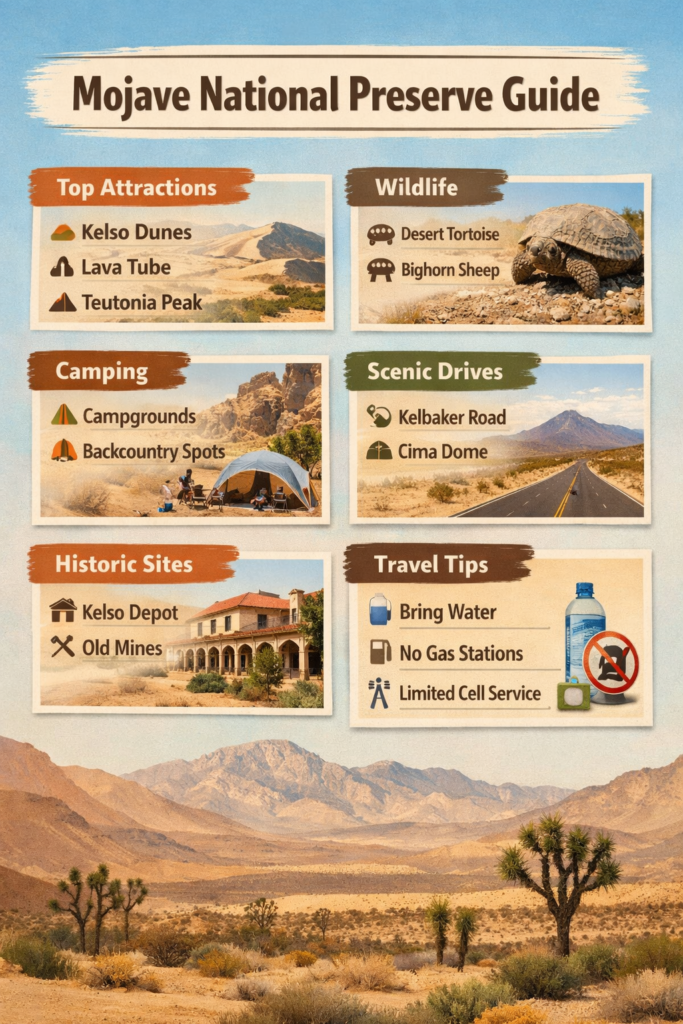
Table: Best Places to Visit in Mojave National Preserve
| Place | Why Go | Best For |
| Kelso Dunes | Famous dunes and huge views | First-time visitors |
| Teutonia Peak Trail | Joshua trees and scenic hiking | Hikers and photographers |
| Lava Tube | Short adventure and unusual geology | Curious travelers |
| Kelso Depot | Visitor center and history | Orientation and learning |
| Hole-in-the-Wall | Trails and camping | Campers and hikers |
| Cima Dome | Classic desert scenery | Scenic drivers |
| Mid Hills | Cooler camping | Summer or shoulder seasons |
Travel Tips That Actually Matter
Mojave National Preserve becomes easier and more enjoyable when you plan. A little preparation makes a big difference here.
Start With Fuel and Water
There are no gas stations inside the preserve. Fill up before you enter, and carry more water than you think you will need.
Use the Right Route
Do not rely on every map app blindly. Some roads are not suitable for ordinary vehicles, and some navigation directions can be misleading in remote terrain.
Match the Season to the Elevation
During summer, stick to higher elevations. Winter requires preparation for cold conditions, while spring brings opportunities to see wildflowers. Fall offers cooler temperatures that are ideal for hiking.
Leave Early
The desert is easier in the morning. Temperatures are lower, light is better, and you have more flexibility if your plans change.
Keep Your Plan Simple
Do not try to fit too much into one day. The preserve is large, and travel between major sites takes time.
Pros and Cons
Pros
Huge and quiet
Free to enter
Rich in varied landscapes
Excellent for camping and road trips
Strong wildlife and historical interest
Cons
Very limited services
No gas or charging inside
Rough roads in some areas
Intense heat in summer
Requires real preparation
Interesting Facts About Mojave National Preserve
Here are some of the most memorable facts about the preserve:
Kelso Dunes can “sing” under the right conditions.
The preserve includes a 695,200-acre wilderness area, which is nearly half of the entire preserve.
Kelso Depot dates back to 1924.
The preserve contains a 25,600-acre volcanic landscape in the Cinder Cones area.
Cima Road was improved and reopened in 2024, making access better and safer.
Human history in the region stretches back thousands of years.
These details show why the preserve is more than a scenic stop. It is geologically significant, historically layered, and ecologically valuable.
Environmental Issues and Conservation
Mojave National Preserve is beautiful, but it is also fragile. Its plants, animals, and landforms are shaped by drought, fire, habitat pressure, and human impact.
Fire and Joshua Trees
Wildfire is a serious concern in the Mojave. Joshua trees grow slowly, so fire damage may take a very long time to recover from. Invasive grasses can help fire spread more easily, which makes the threat more severe.
Tortoise Protection
Road safety is important for desert tortoises. That is one reason fencing, traffic awareness, and road improvements matter so much.
Water and Habitat Management
Springs and other water sources are essential for wildlife. The preserve protects these places because many species depend on them for survival.
Why Conservation Matters
When visitors stay on roads, respect trails, and follow preserve rules, they help protect the landscape for future generations.
FAQs
No. The correct official name is Mojave National Preserve.
One day is enough for a short visit, but two days are better if you want to see several major sights and camp overnight.
Not for every place. But some roads and areas, like the Lava Tube route and many backcountry roads, may need high-clearance or 4WD.
No entrance pass is required to enter the preserve.
Spring and fall are usually the best seasons because temperatures are more comfortable.
No. You should fill up before entering.
Cell coverage is very limited and often not available.
Yes. Teutonia Peak Trail and some shorter stops around Hole-in-the-Wall are good starting points.
No. Use developed campgrounds or approved roadside sites, and follow preserve rules.
Yes, as long as you plan carefully, carry water, and choose suitable stops and trails.
Conclusion
Mojave National Preserve is a vast and Unforgettable place filled with beauty, history, and adventure. Whether you are hiking, camping, or taking a scenic drive, careful planning will help you enjoy the preserve to the fullest.