
Introduction
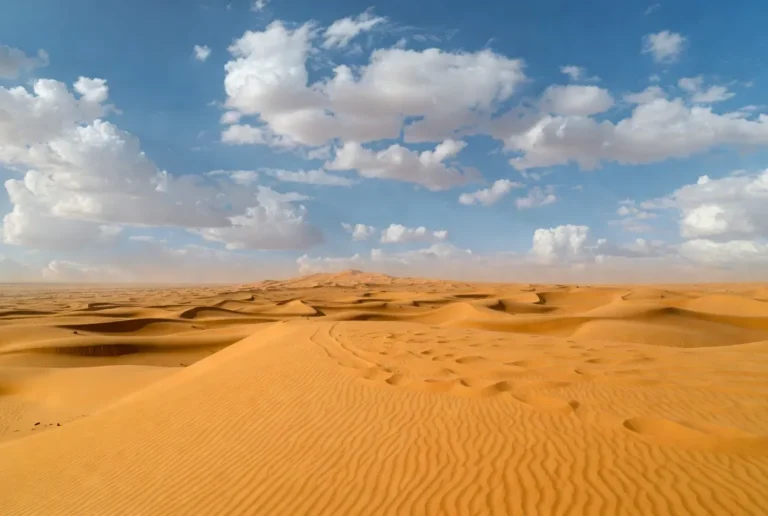
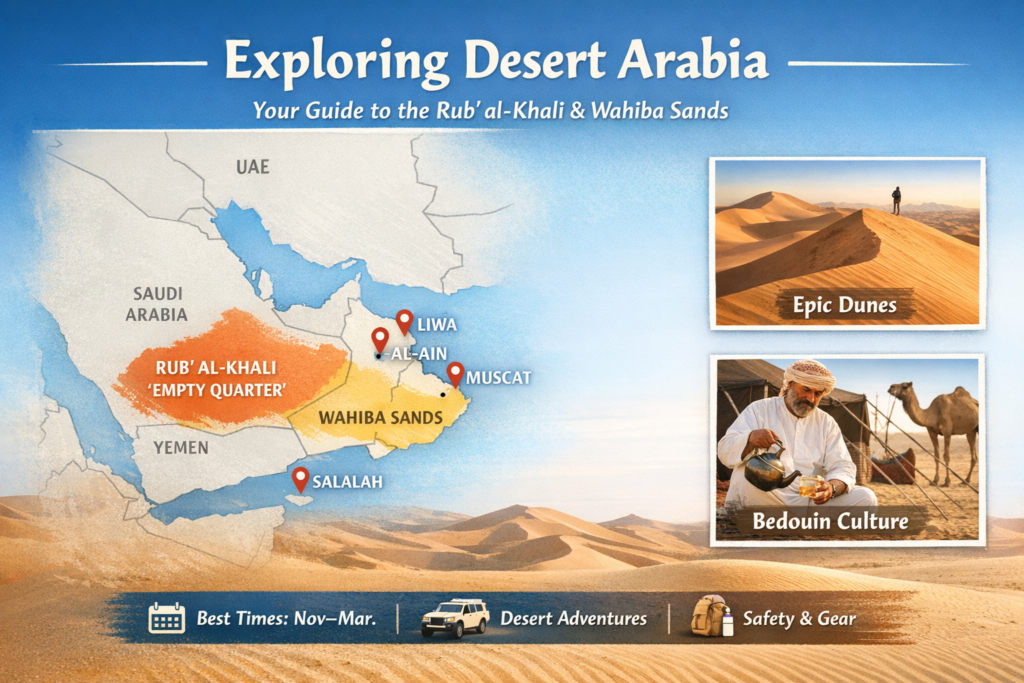
The Arabian Desert is the vast, elemental heart of the Arabian Peninsula — a place of sculpted sand seas, rocky plateaus, hidden wadis and lonely coastal dunes. This guide gives practical, on-the-ground advice for every kind of traveller: quick Wahiba day-trips from Muscat, multi-day cultural loops with wadi swims and dhow-history stops, and properly equipped expeditions into the Rub’ al-Khali (the Empty Quarter). You’ll find clear maps and staging towns, seasonal weather windows (best travel: November–March), ready-to-use 1–14 day itineraries, photography and stargazing tips, and a safety-first checklist for vehicles, water, comms and medical readiness. Whether you’re planning a relaxed overnight camp or a serious cross-desert crossing, this guide focuses on what matters most — realistic logistics, reliable local operators, and responsible behaviour that protects both fragile landscapes and local communities.
- Quick geography: the main desert zones
- Climate & seasons
- Landscapes: what you’ll actually see
- Plants & animals — short, useful notes
- Human history & Bedouin culture — how to behave
- Safety & survival basics — the top rules
- Core survival checklist
- How to choose a tour operator — publish-ready checklist & sample table
- Booking checklist
- Sample comparison table
- Ready-to-use itineraries
- 1-Day: Wahiba Sands Sunrise + Bedouin Visit
- 2-Day: Wahiba Overnight Camp
- 3-Day: Southern Oman Loop — Wahiba → Wadi → Coast
- 4–6 Day: Rub’ al-Khali Sampler (from Salalah) — expedition-lite
- 7–14 Day: Full Arabian Desert Expedition
- Photography & stargazing tips
- Responsible tourism & conservation actions
- FAQs
- Conclusion
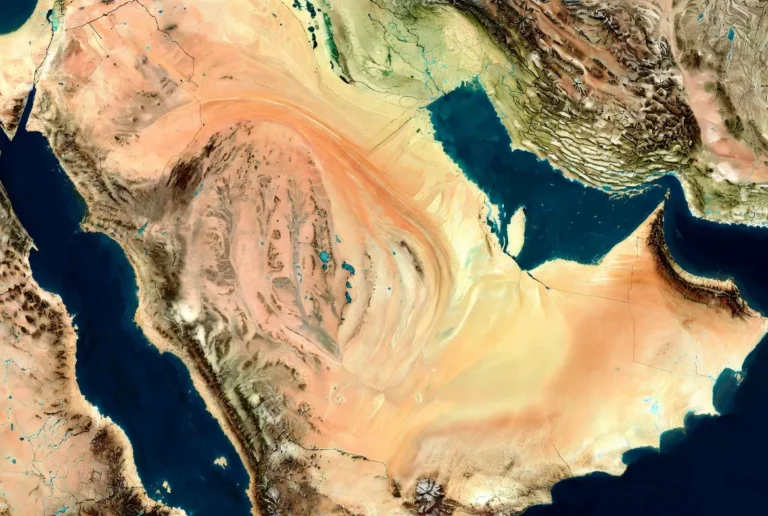
Quick geography: the main desert zones
Rub’ al-Khali — The Empty Quarter.
The Empty Quarter is the largest sand sea on the Arabian Peninsula and forms the largest contiguous sand mass in the world’s temperate zones. It spans much of southeastern Saudi Arabia and extends into Oman, the UAE, and Yemen. The scale is hard to overstate: think hundreds of thousands of square kilometres and dunes that form enormous sculpted ridges. Travel here is only for experienced expedition teams with satellite communications and recovery equipment.
An-Nafud
Located in northern Saudi Arabia, An-Nafud features a distinct palette and dune morphology (often wind-sculpted linear and crescentic dunes) and sits north of the central Arabian plateau. It offers a different look and climate than the Empty Quarter and is accessible from regional hubs for shorter overland trips.
Sharqiya / Wahiba Sands
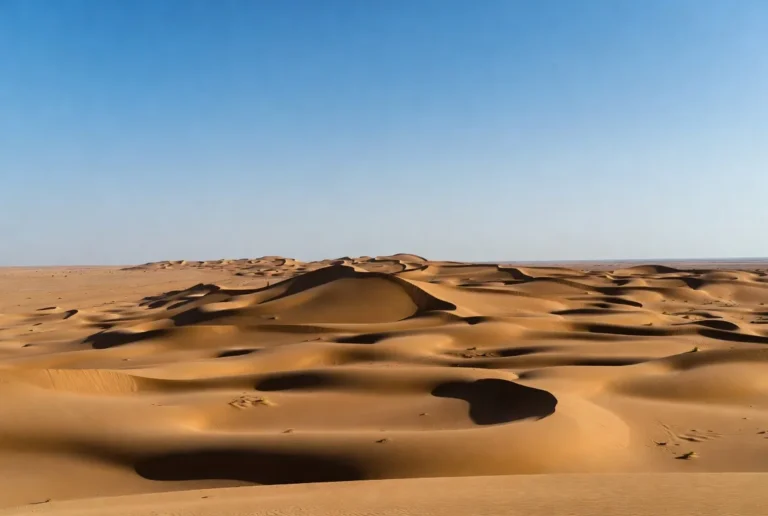
Wahiba Sands — often called Sharqiya Sands — is Oman’s most approachable sand sea. It’s popular for day trips and overnight camps from Muscat and Nizwa. Dunes are medium-sized, and the area includes Bedouin camps, eco-lodges, and family-run operations: a great place for a safe desert introduction.
Map idea for the live page
Embed an interactive map that pins Muscat, Sur, Nizwa, Salalah, Liwa, Al-Ain, and usual staging towns for Rub’ al-Khali incursions (for example, Salalah’s staging routes into the Empty Quarter).
Climate & seasons
Best general window: November–March. Cooler days, often chilly nights, and ideal conditions for camping, hiking short dunes, and comfortable overland driving. Desert nights can be cold — bring layers.
Shoulders: April–May and September–October — warm but Workable, sometimes windy.
Summer: June–August. Lowland inland temperatures commonly exceed 40°C; in extremely low-lying coastal zones or heatwaves, daily highs can approach and sometimes exceed 48–50°C. Summer travel in low desert terrain is only for highly prepared expeditions with fuel, water, mechanics, and emergency evacuation plans.
Khareef (Dhofar / Salalah): The southern Oman Khareef season (monsoon-like) transforms the Dhofar hills and coast — June to September — into a green, misty landscape with waterfalls and cooler weather. This season attracts many regional tourists; book transport and accommodation early.
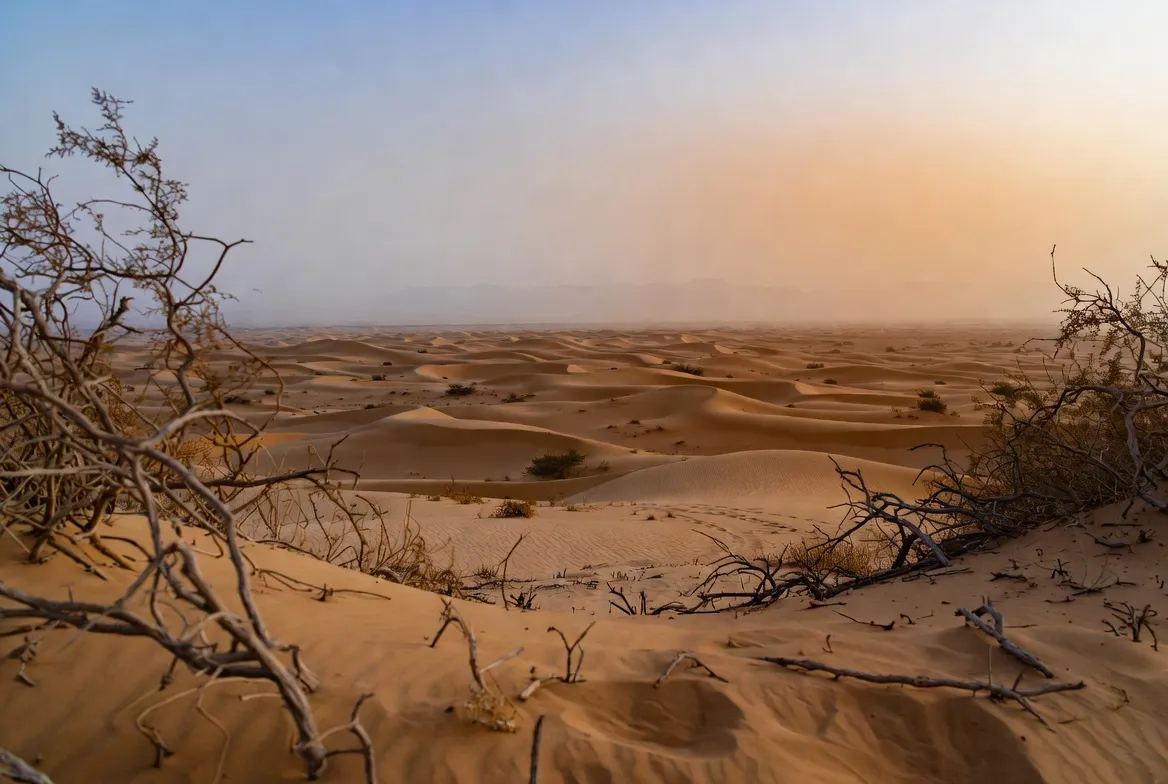
Weather tip: Desert weather can change quickly — dust storms, wind-driven sand, andlocalisedd thunderstorms can make roads hazardous. Always check local forecasts and operator advisories before travel.
Landscapes: what you’ll actually see
Sand seas (ergs): rolling, wind-shaped dune ridges and corridors. Dune types vary — crescentic (barchan), linear, and star dunes — each offering different textures and visual composition for photographers.
Hamadas: broad, rocky plateaus that contrast sharply with aeolian sands. Hamadas make for dramatic panoramas and often host routeways between oasis points.
Wadis: dry riverbeds that retain seasonal pools. Wadi Bani Khalid (Oman) is a popular, scenic example — bright blue pools, date palms, and walkable gorges.
Sabkhas: salt flats and saline plains that look like bleached pans. These can be treacherous when wet (soft, sticky ground) and are best avoided except on mapped tracks.
Coastal dunes: where desert meets sea (for example, Oman’s coastline), you can find dramatic sunrise compositions and unique ecosystems.
Plants & animals — short, useful notes
Vegetation: acacias, small resilient shrubs, halophyte (salt-tolerant) plants in sabkhas, and isolated grasses in wadis. Vegetation is fragile — stay on established tracks.
Animals: nocturnal rodents, lizards, foxes, migratory birds around coastal wetlands and wadis, and reintroduced populations of Arabian oryx in protected reserves. Most wildlife is crepuscular or nocturnal — dawn and dusk are best for observations.
Field tip: carry binoculars, respect wildlife distances, and keep noise low to maximise sightings.
Human history & Bedouin culture — how to behave
The desert has been home to Bedouin communities for centuries. Hospitality is authentic and generous. Practice common courtesies: ask before photographing people or camps, use a few Arabic greetings where possible, and accept local rules regarding dress and gender interactions. Treat archaeological sites and petroglyphs with caution: do not remove, trace, or deface any markings.
Safety & survival basics — the top rules
Top dangers: heat, dehydration, vehicle failure, getting lost, and sandstorms.
Core survival checklist
- Never self-drive into the Empty Quarter solo. Use a licensed operator or join a convoy. Confirm satellite comms and recovery capabilities before departure.
- Water: minimum 2–4 L per person per day in mild conditions; increase for intense exertion or summer travel. Carry spare water.
- Navigation: GPS + offline satellite maps + paper map and waypoints. Know coordinates for staging and emergency pickup points.
- Vehicle kit: spare tyres (x2 if possible), traction boards, shovel, tow ropes, basic spares (belts, filters), and a recovery winch or pulley system.
- Communication: satellite phone or personal locator beacon (PLB) for remote routes.
- Medical: full first aid kit, prescription meds, and travel insurance that includes evacuation.
- If stuck in sand: lower tyre pressure, use traction aids, do not spin wheels violently, and adopt methodical recovery steps.
- Leave an itinerary with a trusted contact and regularly check in with the operator/authorities.
How to choose a tour operator — publish-ready checklist & sample table
Booking checklist
- Operator licensed in-country and insured.
- Satellite communications or verified emergency procedure.
- Clear list of what’s included (fuel, food, water, park permits).
- Recent, photo-rich guest reviews with dates.
- Fleet photos showing recovery gear and spares.
- Local community benefit (hiring local guides, eco-fee commitments).
- Transparent cancellation and medical evacuation policies.
Sample comparison table
| Operator (example) | Base | Typical Trip | Vehicle Type | Emergency Gear | Local Support |
| Salalah Expeditions (example) | Salalah | 3–5 day Rub’ al-Khali | 4×4 Land Cruisers | Satphone, spares | Local hires, Bedouin visits |
| Muscat Dune Tours (example) | Muscat | 1–2 day Wahiba | 4×4 + recovery kit | Radio, first aid | Camp fees to families |
| Luxury Desert Lodge (example) | Near Wahiba | Overnight glamping | Support vehicles | Onsite medic | Eco-fee, local staff |
Ready-to-use itineraries
Each itinerary below is anchor-ready and written to drop into a travel page. They are short, actionable, and optimised for searcher intent. Use them as separate pages or as expandable sections on a long-form pillar.
1-Day: Wahiba Sands Sunrise + Bedouin Visit
Who: Travellers based in Muscat with limited time.
Plan: Early morning drive → dune-drive → sandboarding (optional) → Bedouin tea and short cultural visit → sunset → return to Muscat.
Why: Quick exposure to dunes and culture without expedition logistics.
2-Day: Wahiba Overnight Camp
Day 1: Drive to camp, short dune driving, sunset and campfire.
Day 2: Early sunrise dune walk, breakfast, return via Wadi Bani Khalid, stop for a refreshing swim.
Good for: Families and first-time campers.
3-Day: Southern Oman Loop — Wahiba → Wadi → Coast
Highlights: Dunes, Wadi Bani Khalid pools, Sur for dhow-building histories, and sunset turtle-watching at Ras al Jinz (book in advance).
Logistics: Private vehicle with driver-guide or join a small-group tour.
4–6 Day: Rub’ al-Khali Sampler (from Salalah) — expedition-lite
Outline: Salalah staging → desert edge → guided incursions with camp rotation → star photography and dune exploration. Requires satellite comms, spare fuel, and mechanics.
7–14 Day: Full Arabian Desert Expedition
Combine: An-Nafud (north), Tuwaiq escarpment (central), Rub’ al-Khali (south), Wahiba (east).
Who: Experienced groups with permits, multiple support vehicles, and solid budgets for logistics and cross-border paperwork.
Itinerary publishing tip: For each itinerary, include: distance, rough drive times, fuel needs, essential gear, contact info for local offices/hospitals, and a simple risk statement.
Photography & stargazing tips
Golden hour: shoot at sunrise and sunset — climb a low dune for layers and foreground texture.
Milky Way: use a sturdy tripod, a fast wide-angle lens (f/2.8–f/4), and 15–30s exposures with ISO testing. Bring a headlamp with a red mode to preserve night vision.
Composition: use dune ridgelines as leading lines, a human silhouette for scale, and low-angle vantage points for dramatic sky-to-sand ratios.
Protect equipment: sand is abrasive — keep bags closed, use silica packs in camera cases, and change lenses as infrequently as possible.
Astro tip: desert locations often have the lowest light pollution — plan sequences and use an app for Milky Way timing.
Responsible tourism & conservation actions
- Stick to established tracks; fragile desert plants take decades to recover from wheel ruts.
- Pack out all trash — many remote camps lack formal waste services.
- Choose operators that hire local guides and contribute eco-fees or community support.
- Do not disturb wildlife or archaeological sites; follow protected-area regulations.
- Leave a small footprint: minimise single-use plastics and avoid unnecessary campfire wood collection.
FAQs
A: Only with experienced guides and full expedition gear. The Empty Quarter is very remote, with no services. Solo travel is unsafe.
A: November–March — cooler days and cold nights; ideal for camping and stargazing. Avoid midsummer heat unless you have heavy logistics.
A: Yes. Many operators in Oman offer overnight and multi-night camps, from simple tents to luxury glamping. Always confirm water, toilet arrangements and emergency procedures.
A: Some protected areas and cross-border routes require permits. Check with your operator or local authorities before travel.
Conclusion
The Arabian Desert Rewards careful planning with unforgettable light, scale and cultural encounters — but it demands respect. Use the itineraries and operator checklist here to match your skill level and risk tolerance, prioritise satellite comms and recovery gear for remote routes, and travel with licensed local guides whenever venturing beyond easy day trips. Before you go: download the packing checklist, confirm emergency and evacuation policies with your operator, and leave your route with a trusted contact. Do this, and the dunes — from accessible Wahiba Sands to the sublime emptiness of Rub’ al-Khali — will offer a safe, humbling and deeply memorable journey.