
Introduction
The Arabian Desert Travel Guide gives fast, practical planning advice and inspiration for explorers of all levels — from easy overnight camps in Wahiba Sands to expedition-grade crossings of the Rub’ al-Khali. Organised for quick retrieval, this guide covers regions, seasonal timing, sample 1–14 day itineraries, packing lists, safety essentials, and local tips to help you plan confidently and responsibly.
- Quick Overview & Core Facts
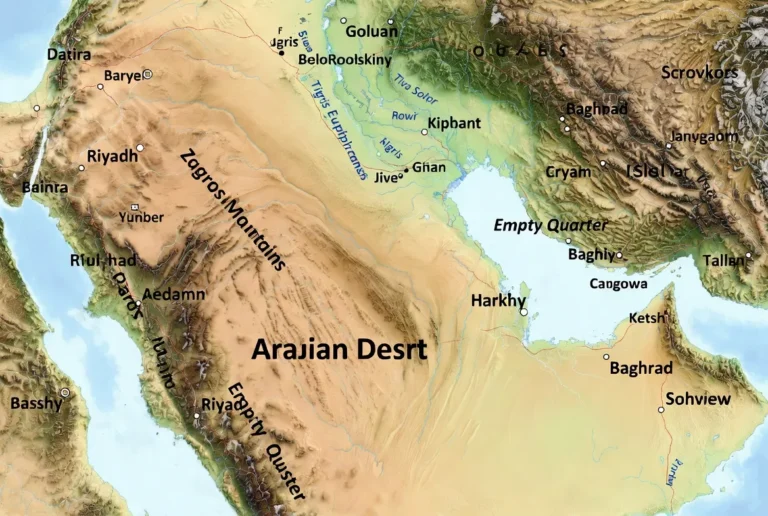
- Map of the Regions
- The Big Regions Explained
- Rub’ al-Khali — The Empty Quarter
- An-Nafud & Ad-Dahna
- Sharqiya / Wahiba Sands
- Liwa
- Climate & Weather Patterns
- Landscape Features You’ll Encounter
- Flora & Fauna
- Human History & Cultural Context
- Planning & Logistics — Survival Tips
- Water & Food
- Vehicles & Gear
- Communication & Navigation
- Health & Sun Safety
- Guides & Permits
- Respect & Cultural Norms
- Top Activities & Attractions
- Where to Base Yourself
- Sample Itineraries
- 1-Day: Quick Desert Fix
- 3-Day: Wahiba Sands Weekend
- 7-Day: Oman Coast-to-Desert Loop
- 10–14 Day: Cross-Peninsula Expedition
- Itinerary Comparison Table
- Packing Checklist
- Personal
- Vehicle & Tools
- Camera & Electronics
- Camping
- Vehicle Prep & Driving Tips
- Permits, Drones & Regulations
- Photography & Drone Tips
- Conservation & Responsible Travel
- Safety Essentials & Emergency Checklist
- Pros & Cons
- Pros
- Cons
- Interesting Facts
- FAQs
- Example Day Plan for Photographers
- Local Etiquette & Cultural Tips
- Sample Booking Checklist
- Conclusion
Quick Overview & Core Facts
- What it is: A major arid region spanning most of the Arabian Peninsula, comprising sand seas (ergs), gravel plains (regs), salt flats (sabkhas), rocky plateaus, and isolated wadis (valleys).
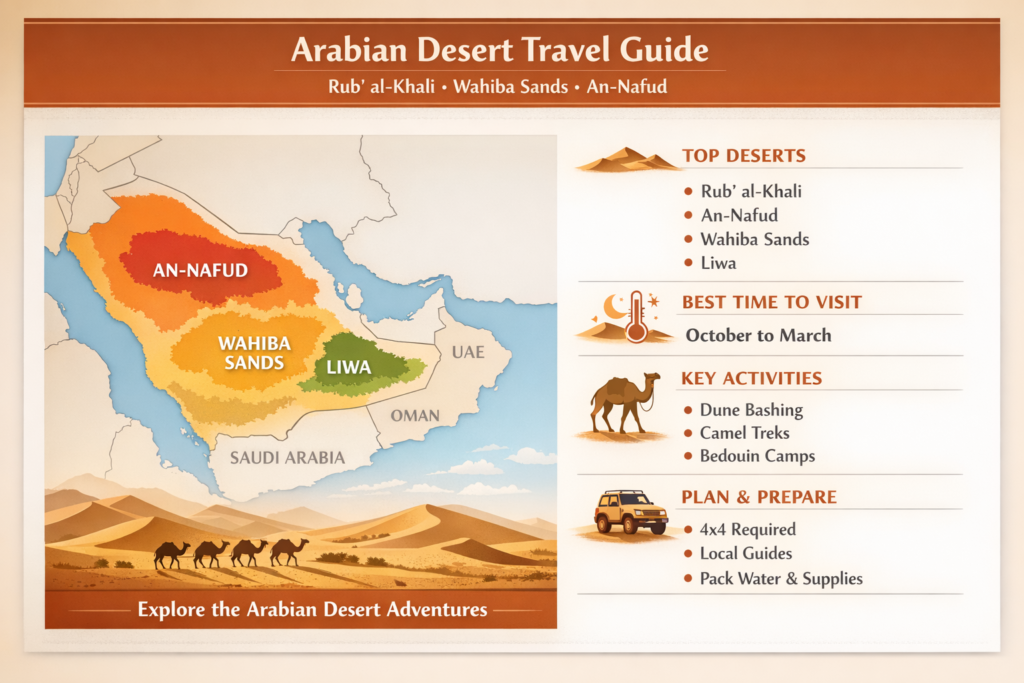
- Core sand seas: Rub’ al-Khali (Empty Quarter), An-Nafud, Ad-Dahna corridor, Sharqiya/Wahiba Sands, Liwa.
- Why it matters: Dramatic landscapes, millennia of caravan history, rare wildlife (Arabian oryx), and diversified desert tourism across Oman, the UAE, and Saudi Arabia.
- Best months to visit: October–March (temperate days; cool nights). Avoid inland travel May–September except for short, well-supplied trips or Khareef season in Dhofar.
- Where to base: Oman for accessible desert nights; UAE for Liwa and luxury desert experiences; Saudi Arabia for large-scale remoteness and unfolding tourism access.
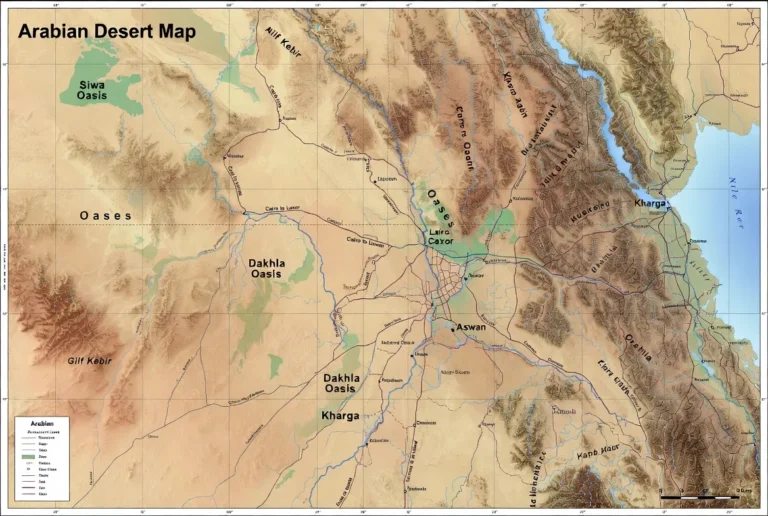
Map of the Regions
| Region | Countries | Best for | Difficulty |
| Rub’ al-Khali (Empty Quarter) | Saudi Arabia, Oman, UAE, Yemen | Remote mega-dunes, photography | Very hard — expedition level |
| An-Nafud | Northern Saudi Arabia | Red sand, star dunes, culture | Hard |
| Ad-Dahna | Saudi Arabia (corridor) | Connects An-Nafud & Empty Quarter | Hard |
| Sharqiya / Wahiba Sands | Oman | Family camps, easy access | Easy–Moderate |
| Liwa | UAE (Abu Dhabi) | Dramatic dunes, cultural festivals | Moderate–Hard |
The Big Regions Explained
Rub’ al-Khali — The Empty Quarter
One of the planet’s largest contiguous sand expanses. Dunes can rise to hundreds of metres. This area is mostly uninhabited and demands expedition logistics: experienced guides, fuel caches, spare parts, and satellite communications. Accessibility is limited and often seasonal.
An-Nafud & Ad-Dahna
An-Nafud displays red sand and star dunes with cultural and geological interest. Ad-Dahna is a slender corridor linking northern sand seas to the Empty Quarter — a natural channel for historic caravans and modern overlanders.
Sharqiya / Wahiba Sands
Wahiba is the most visitor-friendly erg — reachable from Muscat within a few hours. It hosts many family-friendly camps, guided 4×4 circuits, and Opportunities to meet Bedouin communities. Ideal for first-time desert nights and sunrise/sunset photography.
Liwa
Liwa rises at the UAE’s southwestern edge, close to the Empty Quarter. The dunes are huge and dramatic; the region supports luxury desert resorts and cultural gatherings like the Liwa Festival.
Climate & Weather Patterns
- General: Hyper-arid, with significant diurnal temperature swings.
- Peak season: October–March — comfortable days, cold nights (pack layers).
- Dangerous season: May–September — inland temperatures often exceed 45–50°C; avoid long treks then.
- Dhofar (southern Oman): Unique khareef (monsoon), June–September — cool and green, a different desert experience.
Landscape Features You’ll Encounter
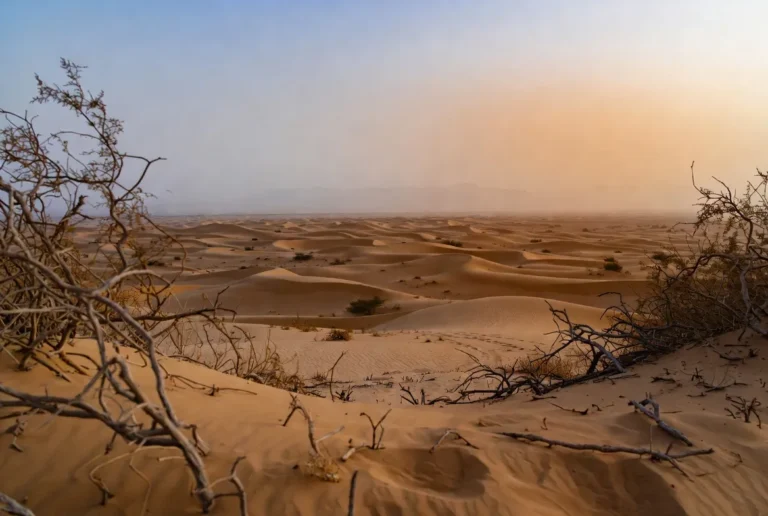
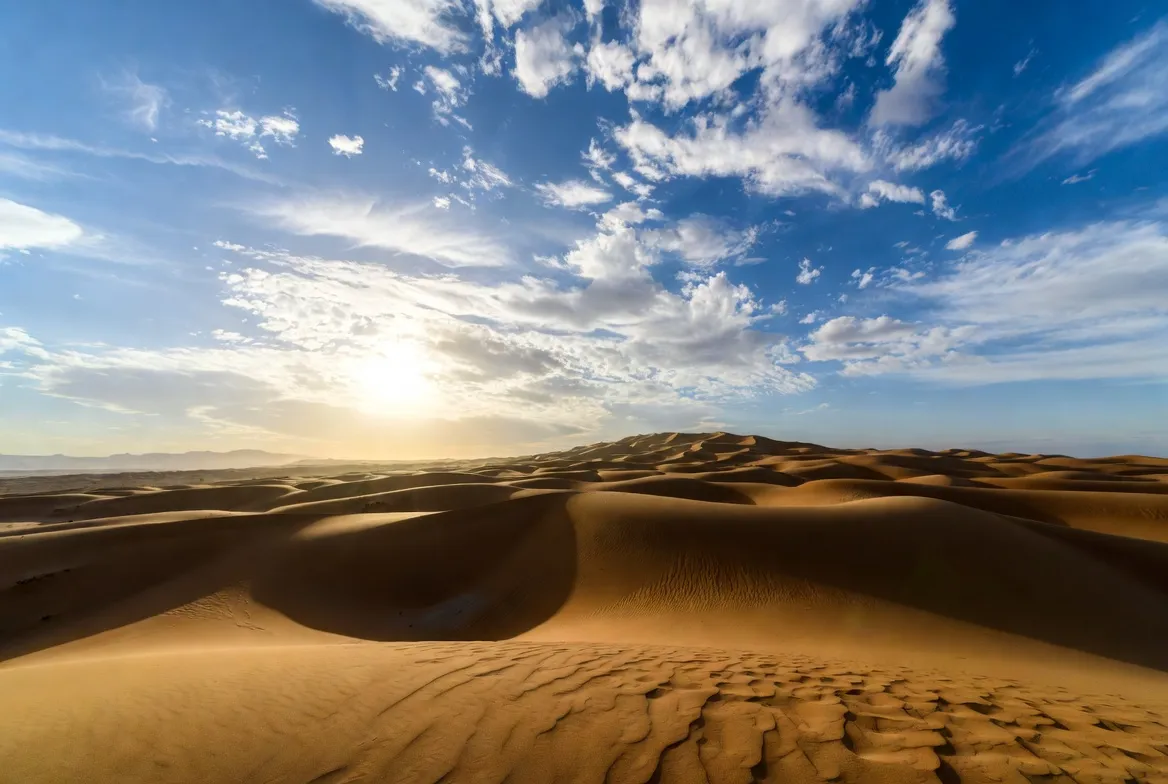
- Dune forms: Linear, star, barchan — colours shift from gold through chestnut to deep red depending on sun angle.
- Sabkhas: Coastal white salt flats — scenic but vehicle-hazardous.
- Plateaus and escarpments: Provide hiking options and biodiversity near wadis.
- Palaeolakes & wetlands: Geological research shows ancient lakebeds beneath sand — evidence of a wetter prehistoric climate.
- Oases & wadis: Isolated pockets of water, palms, and life.
Flora & Fauna
- Plants: Xerophytes and halophytes dominate; date palms in oases.
- Animals: Arabian oryx (conservation success), sand gazelles, foxes, reptiles, scorpions, and migratory birds. Many species are elusive and dependent on protected reserves.
- Threats: Unregulated hunting, habitat fragmentation, and off-road damage to cryptobiotic soils.
Human History & Cultural Context
Historically, the Arabian Desert was crisscrossed by caravan routes. Rock art and prehistoric tools indicate wetter periods. Bedouin societies evolved refined navigation, water management, and hospitality traditions. Visiting a Bedouin camp provides cultural context that is both authentic and instructive — approach with respect and curiosity.
Planning & Logistics — Survival Tips
Water & Food
- Carry significantly more water than you think you’ll need (plan resupply points; factor in heat and exertion).
- Use energy-dense, easy-to-eat foods (nuts, dried fruit, energy bars).
Vehicles & Gear
- A reliable 4×4 vehicle with raised clearance is essential.
- Bring spare fuel, tyres, traction boards, tow rope, shovel, and air compressor.
- Know sand-driving techniques: slow, consistent momentum uphill; reduce tyre pressure; avoid sudden steering.
Communication & Navigation
- Satellite messenger or phone (Iridium/Globalstar) for remote crossings.
- Have multiple navigation methods: GPS, local guide, and paper maps.
- Mobile coverage is unreliable — don’t assume reception.
Health & Sun Safety
- Avoid strenuous exercise at midday; use sun protection: hats, long sleeves, SPF, sunglasses.
- Carry a first aid kit, electrolyte rehydration salts, and know heat-stroke signs.
Guides & Permits
- Hire experienced local guides for deep-sand or cross-peninsula routes.
- Some areas (esp. Saudi protected or archaeological sites) need permits — check latest regulations well before travel.
Respect & Cultural Norms
- Dress modestly in settled areas.
- Ask before photographing individuals and private property.
- Follow host instructions in Bedouin camps; tip workers for good service.
- Learn simple local greetings — it leads to a warmer reception.
Top Activities & Attractions
- Desert camping & glamping: From basic Bedouin tents to premium glamping lodges.
- Dune driving & sandboarding: Exciting; only for experienced drivers.
- Bedouin cultural visits: Food, songs, stories, and handicrafts.
- Stargazing: Low light pollution — excellent for astrophotography.
- Archaeology & rock art tours: Book guided visits to protect fragile sites.
- Wildlife watching: Look in reserves and at oases; sightings vary seasonally.
Where to Base Yourself
- Oman: Easiest for Wahiba Sands and blended coast + desert trips. Family-friendly, good operator network.
- UAE: Liwa and Al Dhafra offer dramatic dunes and luxury desert options; Abu Dhabi is a hub.
- Saudi Arabia: Access to An-Nafud and Rub’ al-Khali fringes — remote, opening tourism, but check permits and safety.
- Yemen & Jordan: Fringe deserts exist, but verify safety and visa conditions.
Sample Itineraries
1-Day: Quick Desert Fix
Best for: Short stopovers (Dubai/Muscat).
- Morning: Drive 1–3 hours to nearby dunes; short dune walk.
- Afternoon: Camel ride, sandboarding, sunset shoot.
- Evening: Return to the city or stay in the camp.
3-Day: Wahiba Sands Weekend
Best for: First-time campers.
- Day 1: Drive to Wahiba; visit Bedouin family; sunset on dunes.
- Day 2: Sunrise photos; guided 4×4 loop and sandboarding; cultural evening at camp.
- Day 3: Early morning leisure; return via Nizwa Fort (if in Oman).
7-Day: Oman Coast-to-Desert Loop
Best for: Mix of beaches, culture, and dunes.
- Day 1: Muscat → Nizwa (fort & souk).
- Day 2: Nizwa → Wahiba Sands.
- Day 3: Wadi Bani Khalid (oasis).
- Day 4: Coastal drive to Ras Al Jinz (turtle reserve).
- Day 5–7: Return to Muscat, optional beach days.
10–14 Day: Cross-Peninsula Expedition
Best for: Experienced overlanders and pro photographers.
- Multi-day 4×4 crossing staged with pro guides: Liwa → Rub’ al-Khali fringes → An-Nafud.
- Requires permits, satellite comms, spare fuel caches, and medical prep.
Itinerary Comparison Table
| Trip type | Duration | Difficulty | Highlights | Best for |
| Quick desert fix | 1 day | Easy | Sandboarding, sunset | City stopovers |
| Wahiba weekend | 3 days | Easy–Moderate | Bedouin camp, dunes | First timers |
| Coast-to-desert loop | 7 days | Moderate | Forts, oasis, turtles | Mixed travelers |
| Cross-peninsula | 10–14 days | Hard | Remote dunes, photography | Experienced adventurers |
Packing Checklist
Personal
- Water containers + hydration bladder (plan 3–5 L per person per day in heat).
- Lightweight long sleeves for the sun and a warm layer at night.
- Wide-brim hat, sunglasses, SPF30+.
- Sturdy closed shoes and sandals.
- Personal medications and a first aid kit.
- Headlamp + spare batteries.
Vehicle & Tools
- Spare fuel jerry cans.
- Spare tyres + repair kit.
- Air compressor + tyre gauge.
- Traction boards, tow rope, shovel, winch (if available).
- Jumper cables and basic tools.
- Satellite messenger / sat-phone.
Camera & Electronics
- Camera body, lenses, and tripod.
- Silica packs and sealed bags for protection against sand.
- Extra batteries and a power bank.
- ND filter for bright dunes; polariser for sky contrast.
Camping
- Sleeping bag rated for expected night temperatures.
- Lightweight tent or use organised camps.
- Camping stove + fuel (if self-catering).
- Biodegradable soap and waste bags.
Vehicle Prep & Driving Tips
- Tire pressure: Lower tyre pressure for sand flotation — 15–18 psi is common (know your tyre specs).
- Momentum: Keep steady, avoid sudden braking; choose smooth lines up dunes.
- Recovery: Use traction boards, shovel, and know safe winch techniques.
- Fuel planning: Map fuel stops and keep a large safety margin.
- Team travel: Where possible, travel with another vehicle.
Permits, Drones & Regulations
- Permits: Some areas (Saudi Arabia, protected reserves) require permits. Always verify with official authorities.
- Drones: Many Gulf states restrict drones or require prior permission — fines and confiscations are possible. Check the country’s civil aviation rules.
- Protected sites: Archaeological and wildlife regions often have special rules — guided access may be mandatory.
Photography & Drone Tips
- Protect gear from sand: Use sealed bags, silica packets, and lens caps. Clean gently — sand is abrasive.
- Best light: Sunrise and sunset produce dramatic dune colours. Midday light is harsh.
- Tripod use: Essential for stars and low light—stabilise in wind with weights.
- Drone caution: Obtain permits when required; avoid sensitive or private sites; respect wildlife.
Conservation & Responsible Travel
- Choose low-impact operators.
- Stay on established tracks to protect cryptobiotic soils and vegetation.
- Avoid sabkhas and fragile flats.
- Pack out all waste; leave no trace.
- Hire local guides and buy local crafts to channel tourism benefits to communities.
Safety Essentials & Emergency Checklist
- Tell someone your route and schedule; leave an itinerary with lodging or family.
- Carry a satellite communicator or personal locator beacon.
- Have at least one extra day of water and fuel for remote travel.
- Know first aid for heat stroke, dehydration, and snake or scorpion envenomation.
- Avoid solo deep-sand crossings unless you are a trained and fully prepared expert.
Pros & Cons
Pros
- Exceptional, unique landscapes and photography.
- Rich cultural encounters and Bedouin hospitality.
- Options range from easy family trips to extreme expeditions.
Cons
- Remote areas require careful logistics and can be costly.
- Heat and safety risks during the summer months.
- Ecosystems are fragile; irresponsible travel can cause long-lasting damage.
Interesting Facts
- The Empty Quarter has some of the tallest dunes on Earth.
- Paleoclimate studies call parts of Arabia “Green Arabia” in the past — ancient lakes once occupied what is now desert.
- The Arabian oryx is a rare success story: reintroduced into the wild after near extinction.
FAQs
A: The Arabian Desert covers most of Saudi Arabia and extends into Oman, the UAE, Yemen, southern Jordan, and parts of Iraq. Its boundaries are ecological and cultural rather than strict political lines; the desert blends into steppe and semi-arid regions at its margins.
A: October–March is generally best: daytime temperatures are comfortable and nights are cool. Pack layered clothing because nights can be cold, especially in higher elevation plateaus. For the cool, green Khareef in Dhofar (southern Oman), travel June–September.
A: No — independent crossing of the Empty Quarter is not recommended for non-professionals. Terrain is remote and hazardous. Choose guided expeditions with permits, experienced teams, and satellite communication.
A: Wildlife sightings vary by region and season. Look for Arabian oryx in reserves, gazelles at dawn, and birds at oases. Many species are nocturnal or secretive, so sightings cannot be guaranteed.
Example Day Plan for Photographers
- 04:00 – 05:30: Drive to the dune crest for sunrise.
- 06:00 – 09:00: Golden hour and portrait sessions with local dunes.
- 09:00 – 15:00: Rest, clean gear, edit shots; avoid midday heat.
- 16:00 – 18:00: Sandboarding and sunset compositions.
- 20:00 – 22:00: Night-sky photography (Milky Way, long exposures).
Local Etiquette & Cultural Tips
- Dress modestly in towns and villages.
- Always ask before photographing people.
- Remove shoes when entering private tents if requested.
- Tip guides and camp staff for good service.
- Learn a few local greetings — it goes a long way.
Sample Booking Checklist
- Confirm permits and visas where necessary.
- Book trusted guides and camps in advance during peak season.
- Verify vehicle insurance and cross-border policies if travelling between countries.
- Inform your embassy if you plan to travel to a very remote location.
- Check drone rules, medical evacuation options, and travel insurance.
Conclusion
Respect The Desert by planning carefully, travelling responsibly, and choosing experienced local guides—especially for remote regions like the Rub’ al-Khali. With the right season, realistic itineraries, proper gear, and a low-impact mindset, the Arabian Desert rewards travellers with extraordinary landscapes, deep cultural encounters, and some of the most powerful silence on Earth. Whether you’re camping in the accessible Wahiba Sands or undertaking a serious expedition across vast dune seas, preparation and respect are what turn a challenging environment into an unforgettable journey.