
Introduction
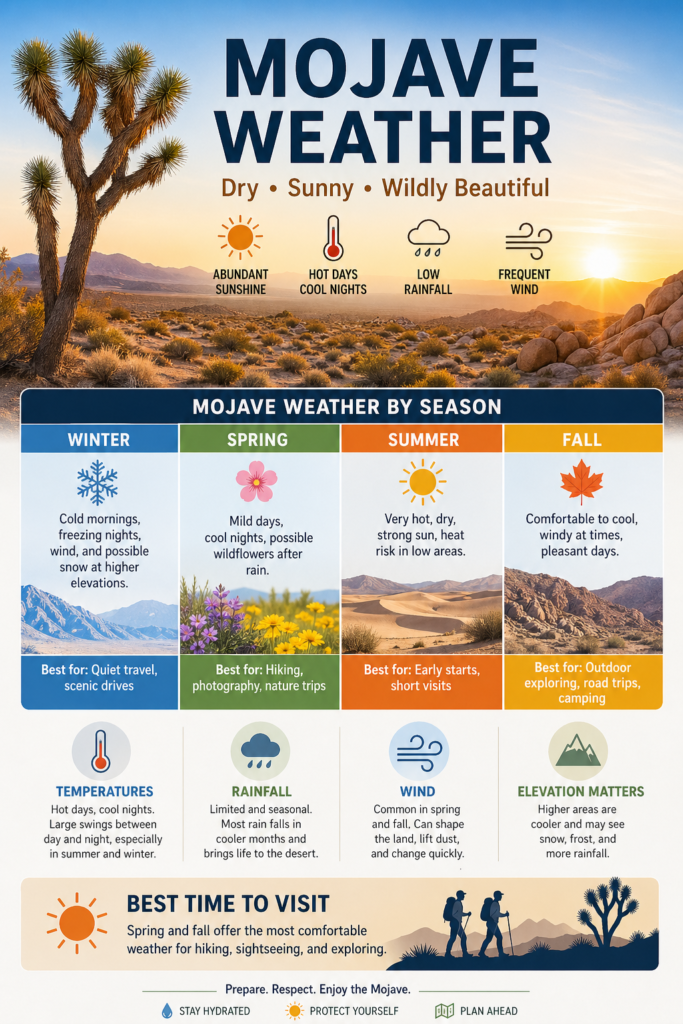
Mojave weather is shaped by dry air, strong sunshine, cool nights, seasonal rain, and frequent wind. It is a high-desert climate with sharp Temperature swings and changing conditions across the region. This guide explains what Mojave weather is like, when to visit, and what travelers should expect in every season.
- What Is Mojave Weather?
- Where Is the Mojave Desert Located?
- Why Mojave Weather Is So Unique
- 1. Elevation
- 2. Dry Air
- 3. Seasonal Rhythm
- Mojave Climate Overview
- Mojave Weather by Season
- Winter in the Mojave
- Spring in the Mojave
- Summer in the Mojave
- Fall in the Mojave
- Mojave Weather Table by Season
- Temperatures in the Mojave Desert
- Monthly Temperature Pattern in the Mojave
- Day and Night Temperature Swings
- Rainfall in the Mojave Desert
- Rainfall Table: What to Expect
- Why Rain Matters So Much in the Mojave
- Wind in Mojave Weather
- How Wind Shapes the Desert
- Best Time to Visit Mojave
- Why Spring Is a Great Time
- Why Fall Is a Great Time
- Why Summer Is Harder
- Why Winter Can Still Be Good
- Best Time to Visit by Travel Goal
- Landscape Features That Go With Mojave Weather
- Sand Dunes and Wind Formations
- Volcanic Ground and Dry Landforms
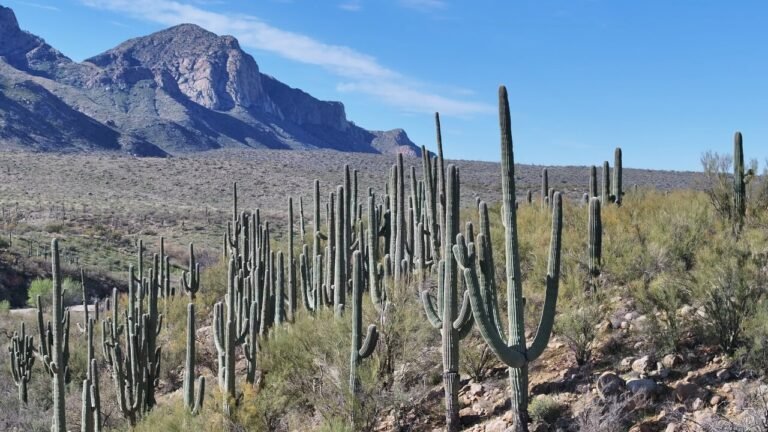
- Plants That Survive Mojave Weather
- Common Mojave Plants
- How Rain Shapes Mojave Plants
- Animals That Live in Mojave Weather
- Common Mojave Animals
- Why Many Desert Animals Are Nocturnal
- Human History in the Mojave
- Travel Safety and Survival Tips for Mojave Weather
- Important Safety Tips
- What to Wear in Mojave Weather
- Smart Clothing Choices
- Tourism and Popular Activities
- Popular Activities in the Mojave
- Why Photography Lovers Like Mojave Weather
- Pros and Cons of Mojave Weather for Visitors
- Pros
- Cons
- Interesting Facts About Mojave Weather
- Environmental Issues and Conservation
- Why Mojave Weather Matters
- FAQs
- Conclusion
What Is Mojave Weather?
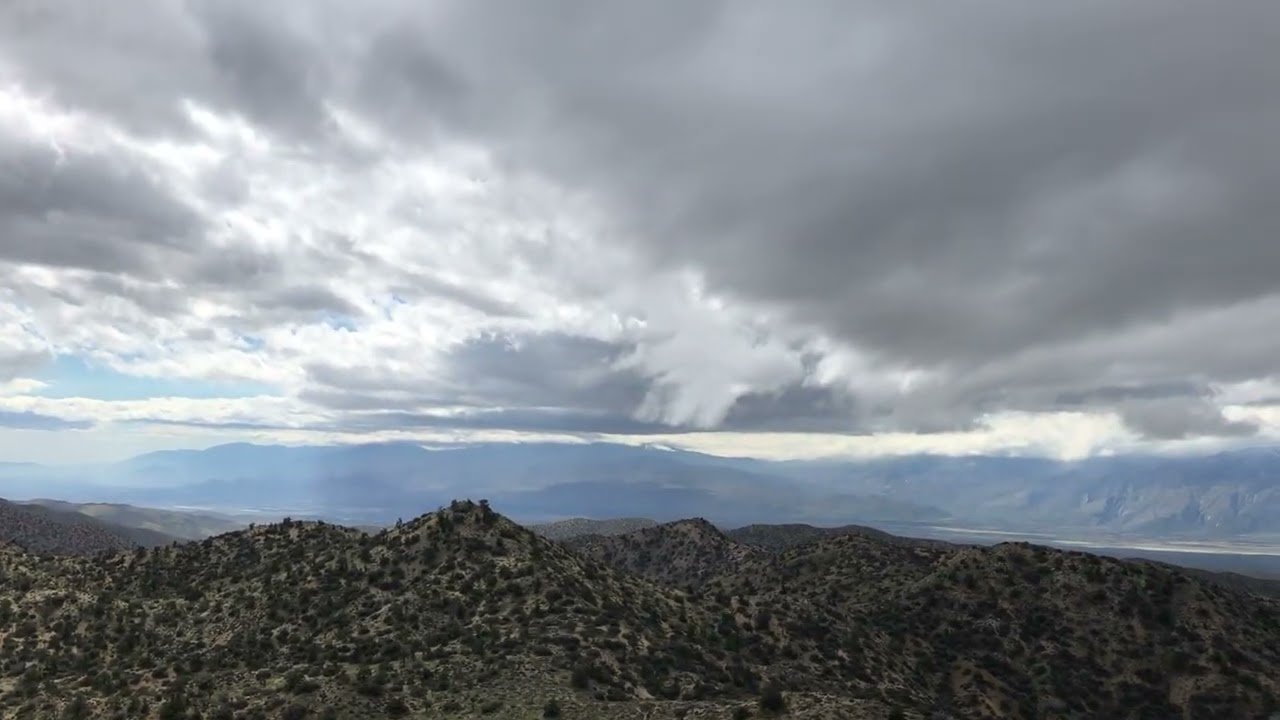
Mojave weather refers to the atmospheric conditions found in the Mojave Desert region. This includes dry air, abundant sunlight, hot summers, cold nights, mild spring and autumn periods, and large temperature differences between day and night. Although the region is a desert, it is not uniform. The Mojave contains lower valleys, high plateaus, rocky slopes, dunes, dry basins, and mountain zones, and each one can experience slightly different conditions.
That is why one location can feel blisteringly hot while another nearby place feels much more moderate. The phrase high desert is often used for the Mojave because many areas sit at elevations that create cooler, more variable conditions than low desert regions. The air is still dry, but the higher altitude changes how heat and cold behave.
Mojave weather is also famous for its dramatic daily temperature swing. A person can be comfortable in a T-shirt at midday and reach for a jacket by nightfall. This happens because dry air does not hold heat very well, and desert ground radiates warmth rapidly after the sun goes down. This quick cooling is one of the defining traits of the Mojave climate.
Where Is the Mojave Desert Located?
The Mojave Desert is located in the southwestern United States. It stretches across southeastern California and reaches into southern Nevada, with smaller edges touching parts of Arizona and Utah. The region sits among major western landforms and desert systems, which influence how its weather behaves.
Its location matters because the Mojave lies partly in a rain-shadow zone. Moist air from the Pacific loses much of its water when it rises over the mountains before reaching the desert. As a result, the Mojave receives very little rain compared with the surrounding regions. This is one of the main reasons the desert is so dry.
The Mojave is also tied to several major geographic neighbors, including the Sierra Nevada, the Great Basin, and the Sonoran Desert. Because of that, it functions as a transition zone with mixed ecological and climatic traits. Some areas support dunes, others feature lava fields or canyons, and some contain mountain habitats with cooler temperatures and more plant diversity.
So when people talk about Mojave weather, they are describing a complex system spread across a wide and varied landscape rather than a single, identical climate.
Why Mojave Weather Is So Unique
Mojave weather stands apart from other desert climates for three major reasons.
1. Elevation
The Mojave has dramatic elevation differences. Low-lying places are hotter and drier, while higher areas are often cooler and can even experience snow, frost, or freezing nights in winter. This means the weather changes significantly from one part of the desert to another.
2. Dry Air
The atmosphere is extremely dry most of the year. Dry air allows the sun to feel stronger during the day and also lets warmth escape quickly at night. That is why desert heat and desert chill can both feel intense.
3. Seasonal Rhythm
The Mojave does receive rain, but not much, and the rainfall is uneven through the year. Most of it arrives in cooler months, though some areas also get summer thunderstorms. Wind patterns also shift by season, especially in spring, fall, and parts of winter.
Together, these three conditions create a climate that feels bright, harsh, changeable, and alive. The Mojave is not simply “a hot desert.” It is a dynamic environment where heat, cold, wind, and rainfall each play a distinct role.
Mojave Climate Overview
The Mojave has a desert climate, but with a high-desert character in many places. That means sunshine is abundant, rainfall is limited, and temperature changes are large. The region can also feel cooler than people expect because elevation softens the extremes in some areas.
A simple way to understand the Mojave climate is this:
- Summers are hot and dry.
- Winters can be cold, especially at night.
- Spring and fall are the most comfortable seasons.
- Rain is sparse and often seasonal.
- Wind can be strong.
- Day and night temperatures can differ sharply.
This is why visitors should never think only about daytime heat. Nighttime cooling, elevation, and seasonal change matter just as much in the Mojave. A trip that feels pleasant at noon can become chilly after dark.
Mojave Weather by Season
Winter in the Mojave
Winter in the Mojave can be surprisingly cold. Some parts of the desert experience freezing nights, frost, and even occasional snow at higher elevations. Daytime skies are often clear and sunny, but the air can feel crisp and sharp, especially when wind is present.
Winter is attractive for travelers who prefer quiet landscapes and fewer crowds. The desert feels more peaceful during this season, and the light can be beautiful for photography. Still, warm layers are essential because temperatures often fall quickly once the sun sets.
Spring in the Mojave
Spring is one of the best seasons for Mojave weather. Days are usually mild, nights are cool, and many areas become more visually interesting after winter rain. This is the season when hiking, scenic drives, and photography become especially enjoyable.
If rainfall has been adequate, wildflowers may appear in certain locations, creating short but memorable bursts of color. Spring is also more comfortable because the desert heat has not yet reached its most punishing level. Wind can still appear, but conditions are usually favorable for outdoor exploration.
Summer in the Mojave
Summer is the most demanding season for many visitors. Low-elevation areas can become intensely hot, and the sun can feel relentless throughout the day. Heat exposure is the main risk during this period, so safety must be taken seriously.
That said, summer conditions are not identical everywhere in the Mojave. Cooler high-elevation zones can be more manageable, especially early in the morning or near sunset. Some areas also experience short-lived summer storms that can transform the sky and landscape very quickly.
Fall in the Mojave
Fall is another excellent season for visiting the Mojave. Temperatures begin to ease, the weather becomes more comfortable, and the landscape is easier to enjoy on foot or by car. Wind can still be present, but the overall climate is much friendlier than in peak summer.
For many travelers, fall offers the best balance between comfort, accessibility, and scenery. It is a great time for road trips, camping, short hikes, and wide-open desert views.
Mojave Weather Table by Season
| Season | What It Usually Feels Like | Best For |
| Winter | Cold mornings, freezing nights, wind, and possible snow at higher elevations | Quiet travel, scenic drives, cooler desert views |
| Spring | Mild days, cool nights, possible wildflowers after rain | Hiking, photography, nature trips |
| Summer | Very hot, dry, strong sun, heat risk in low areas | Early starts, short visits, experienced desert travelers |
| Fall | Comfortable to cool, windy at times, pleasant days | Outdoor exploring, road trips, camping |
Temperatures in the Mojave Desert
Mojave temperatures are one of the biggest reasons the desert is so well known. Heat can be extreme during the day, and temperatures can fall sharply after sunset. This contrast is a core feature of desert weather.
In lower elevations, summer heat can become severe. In higher terrain, temperatures are often more moderate. Winter conditions also vary widely; some places stay relatively mild, while others become cold enough for frost or freezing. This wide temperature range is part of what makes the Mojave so dramatic and memorable.
Keep these key points in mind:
- Daytime heat can be intense in summer.
- Nighttime cooling is normal throughout the year.
- Elevation strongly affects temperature.
- Winter frost can occur in some locations.
- Spring and fall are generally easier for visitors.
People sometimes assume deserts are warm all day and all night, but Mojave weather does not work that way. The desert can move from hot to cool in just a few hours, so preparation matters.
Monthly Temperature Pattern in the Mojave
The hottest stretch of the year usually arrives in mid-summer, while the coldest conditions occur in winter. The seasonal pattern is straightforward:
- Late spring to early summer: temperatures rise quickly.
- Mid-summer: the hottest time of year.
- Autumn: temperatures become pleasant again.
- Winter: the coolest season, with cold nights.
- Early spring: gradual warming and improved outdoor comfort.
This rhythm helps visitors plan their trip more effectively. People who want outdoor activities without extreme heat usually choose the transitional seasons instead of the peak summer months.
Day and Night Temperature Swings
One of the most striking features of Mojave weather is the large contrast between daytime and nighttime temperatures. In desert air, the ground heats rapidly under sunlight and then loses that heat just as quickly after dark. That creates a very familiar desert pattern:
- Hot afternoon
- Warm evening
- Cool night
- Cold early morning
Because of this, layers are important even in warm weather. A traveler may need breathable clothing at midday and a jacket by evening. This wide swing is one of the simplest ways to recognize a true desert climate.
Rainfall in the Mojave Desert
The Mojave is dry, but it is not completely rainless. Rainfall is limited and seasonal, and most of it falls during the cooler part of the year, usually from late fall through early spring.
The amount of precipitation varies by location. Lower-elevation regions often receive less rain, while mountain areas may get slightly more. That means the Mojave is not a single rainfall zone. It contains pockets of extreme dryness and places that receive just enough moisture to support more diverse plant life.
Rain can change the desert very quickly. Seeds germinate, flowers bloom, temporary washes may carry water, and animals may become more active. In a landscape that often looks still and sparse, rain introduces movement, color, and life.
Rainfall Table: What to Expect
| Rain Pattern | Typical Effect |
| Winter rain | Helps support seasonal plant growth |
| Spring moisture | Can trigger wildflowers and green-up |
| Summer rain | May bring short thunderstorms in some areas |
| Long dry periods | Common in warm seasons and late spring |
Why Rain Matters So Much in the Mojave
Rain is especially important in the Mojave because the ecosystem depends on it. Plants wait for it, animals adapt to it, and soil patterns shift because of it. Even a small amount of moisture can create a dramatic change.
After rain, the desert can seem to wake up. Dormant seeds may sprout. Shrubs may become greener. Insects return. Birds and mammals may move into places where fresh growth has appeared. For a short time, the landscape can feel almost transformed.
At the same time, the desert is delicate. Too little rain stresses plants and wildlife. Too much rain in a short span can trigger erosion or flash flooding. So rainfall is both vital and fragile in the Mojave system.
Wind in Mojave Weather
Wind is another defining component of Mojave weather. Many people focus on heat, but wind is just as important. The desert can be very breezy in spring and fall, and sometimes in late winter as well.
Wind changes the entire experience of being in the desert. It can make temperatures feel cooler, stir dust into the air, shape dunes, and make hiking or camping more challenging. It also gives the landscape a sense of movement and openness.
In the Mojave, the weather is never just about temperature. It is also about air movement, pressure, and the way those forces interact with the terrain.
How Wind Shapes the Desert
Wind does much more than simply blow across the Mojave. Over time, it helps move sand, build dune fields, and sculpt the land into recognizable forms. It is one of the forces that gives the desert its visual identity.
A well-known example is the Kelso Dunes, where strong wind activity helped shape massive sand formations. These dunes are evidence that weather is not temporary in the Mojave; it is a geological force that works over long periods.
Wind also matters for travel. It can reduce visibility by lifting dust, make driving more difficult on exposed roads, and create uncomfortable conditions for campers. Travelers should always pay attention to forecasts and local advisories when the wind is strong.
Best Time to Visit Mojave
The best time to visit the Mojave is usually spring and fall. These seasons offer the most comfortable temperatures for hiking, sightseeing, photography, and road trips. The sun is still bright, but the heat is more manageable, and the weather is less punishing.
Why Spring Is a Great Time
Spring often brings mild days, cool nights, and the possibility of seasonal blooms after rain. It is one of the most popular times to experience the desert because the weather is inviting and the landscape can look especially vibrant.
Why Fall Is a Great Time
Fall offers comfortable daytime temperatures after the summer heat has faded. It is a strong season for outdoor exploration, scenic driving, and extended visits to desert parks or protected areas.
Why Summer Is Harder
Summer can be dangerous for long outdoor activities, particularly in the lower parts of the Mojave. Heat exhaustion and dehydration are real concerns, so caution, planning, and timing are critical.
Why Winter Can Still Be Good
Winter is quieter, cooler, and often very scenic. It may not be the most comfortable season for everyone, but it can be excellent for travelers who like peace, open views, and colder desert air.
For most visitors, the best experience comes from spring and fall because these seasons offer the most balanced conditions.
Best Time to Visit by Travel Goal
| Travel Goal | Best Season |
| Hiking | Spring or fall |
| Photography | Spring, fall, or early morning in winter |
| Scenic drives | Spring or fall |
| Stargazing | Fall, winter, or clear nights year-round |
| Quiet travel | Winter |
| Wildflower viewing | Spring after enough rain |
Landscape Features That Go With Mojave Weather
The Mojave landscape is deeply linked to its weather. Climate influences landforms, and landforms influence climate. The region contains a broad range of terrain, including:
- Dunes
- Rocky slopes
- Dry basins
- Valleys
- Canyons
- Mesas
- Salt flats
- Lava fields
- Mountain ranges
- Riparian zones
This variety is part of what makes the Mojave so interesting. One part of the desert may feel dry and empty, while another nearby area may have shaded canyons, mountain vegetation, or dune formations. The entire region is one system, but it contains many micro-environments.
Sand Dunes and Wind Formations
The Mojave is famous for dunes that showcase the power of wind. Dunes are not static piles of sand; they are shifting landforms that slowly move and change as air currents push grains across the surface.
These dunes are visually striking and highly popular with travelers. They are also a reminder that Mojave weather is constantly shaping the region. Wind, heat, and erosion work together to create an environment that never stays the same.
Volcanic Ground and Dry Landforms
The Mojave also includes volcanic landscapes and ancient lava flows. These places tell another part of the desert’s story. The region is not only dry and open; it is also geologically complex.
Volcanic rock, lava tubes, and cinder cones add texture to the landscape. Weather and geology interact here in visible ways. Heat, dryness, wind, and erosion expose the deeper structure of the earth, giving the desert a dramatic and layered identity.
Plants That Survive Mojave Weather
The plant life of the Mojave is one of the best examples of adaptation in a harsh climate. Desert plants must survive low rainfall, intense sunlight, dry air, and temperature extremes. Only the most resilient species can thrive.
Common Mojave Plants
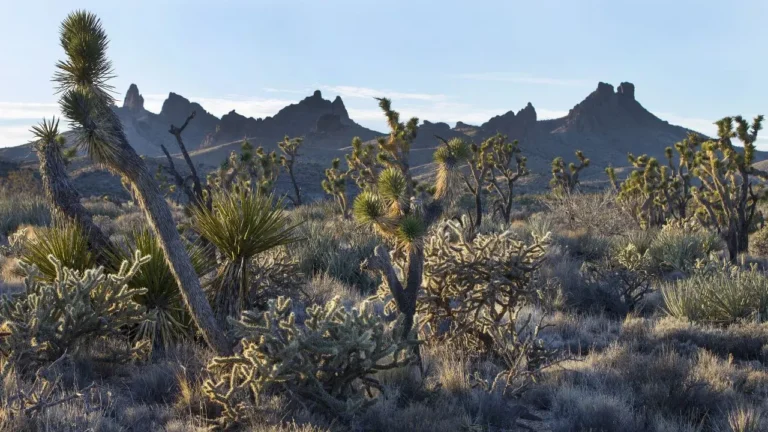
- Joshua trees
- Creosote bush
- Cholla
- Yucca
- Juniper
- Pinyon pine
- White fir in higher areas
- Desert annuals that appear after rain
These plants use different survival strategies. Some plants store water, others rely on deep root systems, and some grow quickly after rainfall, completing their life cycle before harsh conditions return.Each plant is a lesson in adaptation.
The Joshua tree is the most recognizable plant in the Mojave. It has become a symbol of the desert because of its unusual shape and its close relationship with the region’s climate. It grows in conditions that are dry but not entirely barren, which makes it one of the most important ecological markers of the Mojave.
How Rain Shapes Mojave Plants
Rain is the trigger that many desert plants wait for. After moisture arrives, seeds can germinate quickly, and wildflowers may appear. This creates a dramatic seasonal transformation, even if the effect lasts only briefly. For a short time, the desert can appear much greener and more animated.
Animals That Live in Mojave Weather
The Mojave is not empty at all. It supports a diverse range of wildlife that has adapted to heat, cold, dryness, and wind. Many animals avoid the hottest hours, shelter underground, or remain active at night to reduce water loss and thermal stress.
Common Mojave Animals
- Desert tortoise
- Bighorn sheep
- Jackrabbits
- Foxes
- Skunks
- Bats
- Owls
- Lizards
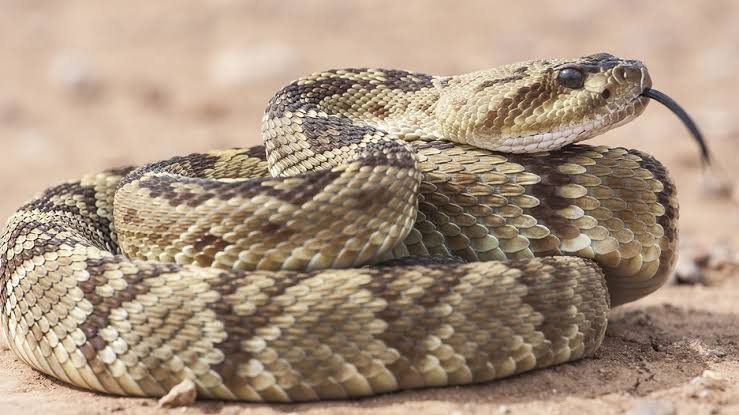
- Snakes
- Many insects and arachnids
These species survive through behavioral and physical adaptation. Some move quickly between shade and food sources. Others remain nocturnal. Some spend much of the day underground or in sheltered terrain.
Why Many Desert Animals Are Nocturnal
Many Mojave animals are active at night because nighttime conditions are much safer than daytime heat. Cooler air helps reduce dehydration, and darkness lowers exposure to the sun’s intensity. This nocturnal pattern is one of the most direct ways weather shapes life in the desert.
Human History in the Mojave
The Mojave has a long and meaningful human history. Indigenous communities lived in and traveled through the region for thousands of years, using their knowledge of water sources, travel corridors, edible plants, and seasonal conditions to survive in a demanding environment.
Later, explorers, settlers, miners, and railroad builders moved through the area. The weather shaped their journeys and their daily lives. Water was scarce, travel was slow, and heat made survival difficult. This forced people to adapt in practical and often ingenious ways.
Today, many historic routes, buildings, and preserved sites still reflect the human effort to live alongside Mojave weather. The region’s history is inseparable from its climate.
Travel Safety and Survival Tips for Mojave Weather
Anyone visiting the Mojave should take weather safety seriously. The desert may appear calm and open, but the climate can become dangerous if you are underprepared.
Important Safety Tips
- Carry plenty of water.
- Use sun protection.
- Bring layers for cold nights.
- Start hikes early.
- Avoid long exposure at midday in summer.
- Watch for dust and wind.
- Check road and trail conditions.
- Do not depend only on phone service.
- Tell someone your route if you are traveling far into the desert.
The key risks are heat, dryness, remoteness, and rapid weather change. Good planning greatly improves safety and comfort.
What to Wear in Mojave Weather
Clothing should match the climate, not only the season. The desert can switch from hot to cool very quickly, so dressing in layers is usually the smartest strategy.
Smart Clothing Choices
- Lightweight but protective clothing
- Hat or cap
- Sunglasses
- Hiking shoes or boots
- Wind-resistant outer layer
- Warm jacket for winter or nighttime
- Breathable fabric for hot days
Layering is especially valuable because it lets you adjust to shifting temperatures throughout the day.
Tourism and Popular Activities
Mojave weather strongly influences tourism. People visit for hiking, scenic drives, camping, wildlife observation, photography, stargazing, and general desert exploration.
Popular Activities in the Mojave
- Hiking in cool seasons
- Exploring dunes
- Visiting volcanic formations
- Taking desert photographs
- Watching sunrise and sunset
- Stargazing under clear skies
- Driving scenic desert routes
The most enjoyable experiences usually happen when temperatures are moderate. That is one reason spring and fall are so popular with travelers.
Why Photography Lovers Like Mojave Weather
Photographers are drawn to the Mojave because the light is often dramatic and the skies are frequently clear. Sunrise and sunset produce long shadows, warm tones, and powerful contrast. After rain, textures become more visible, and the landscape can look richer and more vivid.
Wind, clouds, dunes, Joshua trees, and vast open horizons all create striking compositions. The Mojave is an ideal location for landscape photography because the weather and scenery combine so beautifully.
Pros and Cons of Mojave Weather for Visitors
Pros
- Clear skies
- Strong desert light
- Beautiful sunrises and sunsets
- Comfortable spring and fall seasons
- Diverse wildlife and landscapes
- Excellent stargazing conditions
Cons
- Summer heat can be extreme
- Water is limited
- Wind can be intense
- Nights can be very cold
- Remote areas require careful planning
The Mojave is beautiful, but it is not gentle. That challenge is part of its identity and one reason it leaves such a strong impression.
Interesting Facts About Mojave Weather
Here are several important facts about Mojave weather:
- The Mojave is often called a high desert.
- Temperature differences between day and night can be extreme.
- Most rain falls during the cooler months.
- Wind is a major climate factor.
- Elevation creates major weather variation across the region.
- Even a brief rainfall can dramatically alter the appearance of the desert.
These facts help explain why Mojave weather is so well known among travelers, students, and desert enthusiasts.
Environmental Issues and Conservation
The Mojave is under growing pressure from climate change, extended drought, invasive plants, wildfire risk, habitat fragmentation, and increasing stress on native species. These issues matter because the desert ecosystem is delicate. Even subtle changes in heat, rain, or seasonal timing can affect the balance of life.
Water sources are especially important. Springs and seeps support wildlife and native vegetation. If drought intensifies, those places may become harder to preserve. Joshua trees and other desert species also face risks from hotter temperatures, changing rainfall patterns, and fire pressure.
Conservation is essential because the Mojave is not empty land. It is a living ecosystem with a fragile network of weather-driven relationships. Protecting the desert means protecting the conditions that allow that system to continue functioning.
Why Mojave Weather Matters
Mojave weather matters because it shapes nearly everything in the region:
- The landforms
- The plants
- The animals
- The travel seasons
- The clothing visitors need
- The way people move through the desert
- The long-term conservation challenges
This is why the Mojave is such a powerful subject. It is not merely a climate story. It is also a story of adaptation, resilience, and beauty under pressure.
FAQs
No. Summers are hot, but winters can be cold, especially at night. The Mojave has strong seasonal variation, and conditions shift significantly across the year.
Yes, but not much. Rainfall is limited and seasonal, with most precipitation arriving during cooler months.
Spring and fall are usually the best times because the weather is more comfortable for outdoor travel and exploration.
Yes. Wind is a major part of the desert climate and can be especially strong during certain seasons.
Wear layers, sun protection, sturdy shoes, and a jacket for cold evenings or windy conditions.
Conclusion
Mojave Weather is defined by contrast: hot days, cool nights, limited rainfall, and windy seasons. Its climate shapes the landscape, wildlife, and best travel times. For most visitors, spring and fall offer the most comfortable conditions for exploring the desert.