
Introduction
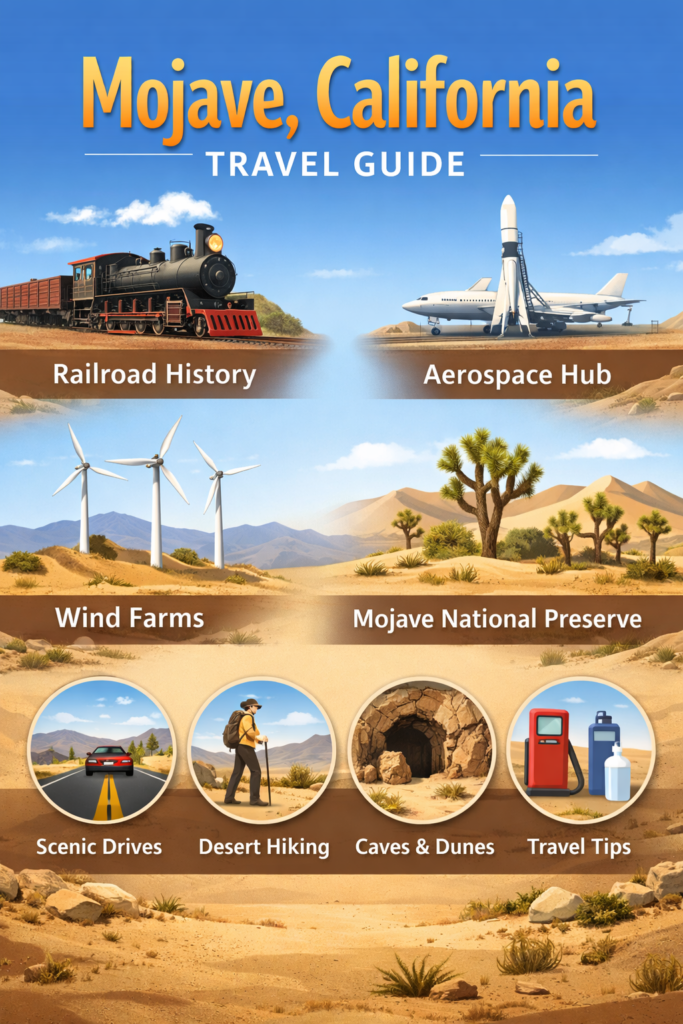
Mojave, California, may look like a small desert town, but it offers far more than a typical roadside stop. Known for its railroad roots, aerospace activity, and access to the Mojave National Preserve, it blends history, innovation, and rugged landscapes. For travelers interested in road trips, aviation, or desert scenery, Mojave provides a unique and memorable experience.
- Mojave, California, at a Glance
- Overview of Mojave, California
- Why Mojave, California, Is Worth Visiting
- 1. It has real history
- 2. It has aerospace importance
- 3. It is a gateway to nature
- 4. It has a clear local personality
- 5. It works well for road trips
- Location and Geography
- Why its location matters
- The landscape around Mojave
- Climate and Weather Patterns
- What visitors should expect
- Best time to visit Mojave
- Why weather matters so much
- Landscape Features Around Mojave
- Key landscape highlights
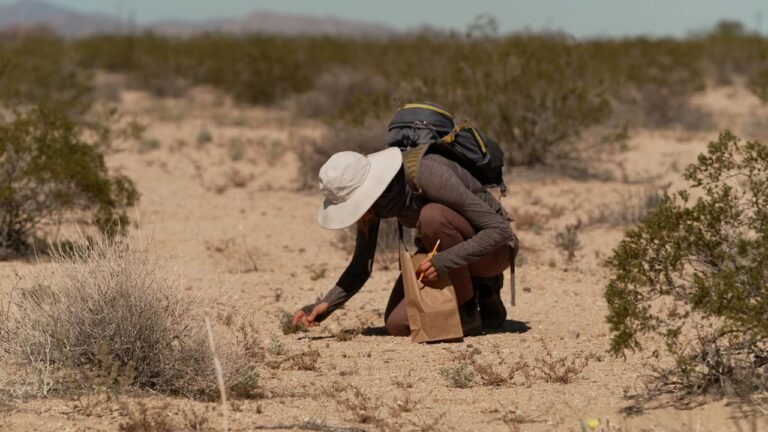
- Flora: Plants You May See
- At higher elevations
- At lower elevations
- Why does plant life matter
- Wildflowers in Mojave
- Fauna: Animals, Reptiles, Insects, and Birds
- Animals you may encounter
- Why wildlife is easy to miss
- Desert tortoise importance
- Wildlife viewing tip
- Human History and Cultures
- Railroad beginnings
- Borax route history
- Aqueduct era
- Train Town USA identity.
- Why this history matters to visitors
- Mojave Air and Space Port
- What it is known for
- Why it matters
- Notable aerospace identity
- A major milestone
- Why tourists care
- Mojave Transportation Museum and Train Town USA
- What the museum is about
- Plane Crazy Saturday
- Why this matters
- Train Town USA connection
- Wind Energy and Oak Creek Road
- What makes this area special
- What visitors see
- Oak Creek Road drive
- Why this matters for an SEO pillar article
- What to Do Near Mojave
- Top things to do near Mojave
- A Practical Mojave Travel Itinerary
- Half-day itinerary
- Full-day itinerary
- Overnight or longer plan
- Why this approach works
- Travel Tips for Mojave, California
- Bring enough water
- Fill up with gas earl..y
- Check road conditions
- Tell someone your route.
- Watch the cell service limit.s
- Respect wildlife and plants.
- Survival Tips and Travel Challenges
- Main challenges
- What smart travelers do
- Interesting Facts About Mojave, California
- Environmental Issues and Conservation
- Why is the ecosystem vulnerable?
- Dome Fire impact
- Wildlife protection
- Visitor responsibility
- Pros and Cons
- Pros
- Cons
- Who Should Visit Mojave?
- Best Time to Visit Mojave
- Summer
- Winter
- After rain
- FAQs
- Conclusion
Mojave, California, at a Glance
| Topic | What visitors should know |
| Location | An unincorporated community in Kern County, in the western Mojave Desert |
| Identity | Known for railroad roots, aviation, space testing, and access to the Mojave National Preserve |
| Climate | Desert climate with hot summers, cool winters, and low rainfall |
| Key attractions | Mojave Air and Space Port, Mojave Transportation Museum, Train Town USA story, Oak Creek Road wind-energy drive, Kelso Dunes, Hole-in-the-Wall |
| Best use case | A strong stop for road trips, aerospace fans, rail-history travelers, and desert explorers |
Overview of Mojave, California
Mojave is the kind of place that rewards attention. It does not reveal everything immediately. On the surface, it may seem like a small and quiet desert community, but beneath that simple first impression lies a town with an unusually deep and varied identity. It began in 1876 as a Southern Pacific Railroad construction camp, which already placed it inside the larger history of western expansion, transportation, and settlement. Later, it became an important point on the borax route and, over time, evolved into a location of genuine aerospace significance.
Today, Mojave occupies a special place in California’s desert story. It is tied to mining, rail history, aqueduct construction, aviation experimentation, aircraft storage, private spaceflight, and wind-energy development. At the same time, it stands near one of the most notable conservation landscapes in the state: the Mojave National Preserve. That means the town serves both as a historical landmark and as a working base for desert exploration.
This layered identity is what makes Mojave compelling. It is not a polished tourist resort, and that is exactly part of its appeal. It is a place where infrastructure, innovation, landscape, and memory all overlap. Visitors who take the time to stop will discover that Mojave is both a story and a starting point.
Why Mojave, California, Is Worth Visiting
There are many desert towns across the western United States, but Mojave stands apart because it offers a remarkable mix of experiences in one location. It is not limited to one theme, one era, or one type of traveler. Instead, it brings together multiple travel interests in a way that feels authentic rather than manufactured.
1. It has real history
Mojave is connected to railroad expansion, borax transport, and large-scale water engineering. These are not decorative heritage themes; they are central to the town’s identity.
2. It has aerospace importance
The Mojave Air and Space Port is one of the most recognized civilian flight-test locations in the country. That alone makes the town notable far beyond its size.
3. It is a gateway to nature
From Mojave, travelers can move quickly into the Mojave National Preserve and experience dunes, canyons, caves, volcanic terrain, and iconic desert plants.
4. It has a clear local personality
The Train Town USA identity and the wind-energy landscape give Mojave a sense of place that is unusual and memorable.
5. It works well for road trips
If you are driving through Southern California, Mojave is more than a fuel stop. It can become a meaningful pause with substance, context, and scenery.
Location and Geography
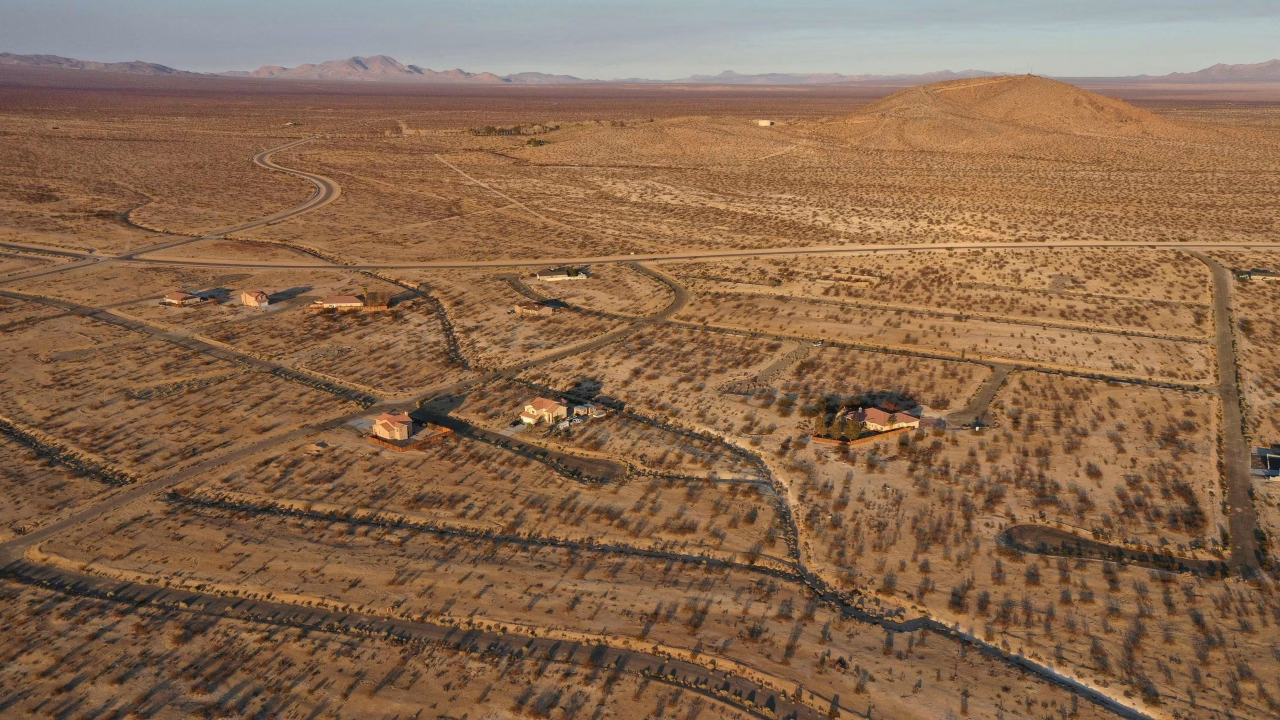
Mojave sits in Kern County in the western part of the Mojave Desert. It is roughly 50 miles east of Bakersfield and about 100 miles north of Los Angeles. The town lies near Oak Creek Pass and the Tehachapi Mountains, which gives it an Especially interesting position between open desert, wind-swept ridgelines, and major transportation corridors.
Why its location matters
Location has always been one of Mojave’s defining strengths. Rail lines, highways, wind farms, and aerospace activity all converge in and around the town. That convergence is no accident. It reflects the long-term importance of this area as a route, a working landscape, and a place where major systems intersect.
Mojave is also connected to the Pacific Crest Trail, which adds another dimension to its relevance. Hikers and long-distance trail travelers can encounter the area as part of a much larger journey. So while it is a practical place for motorists, it also holds value for foot travelers and outdoor enthusiasts.
The landscape around Mojave
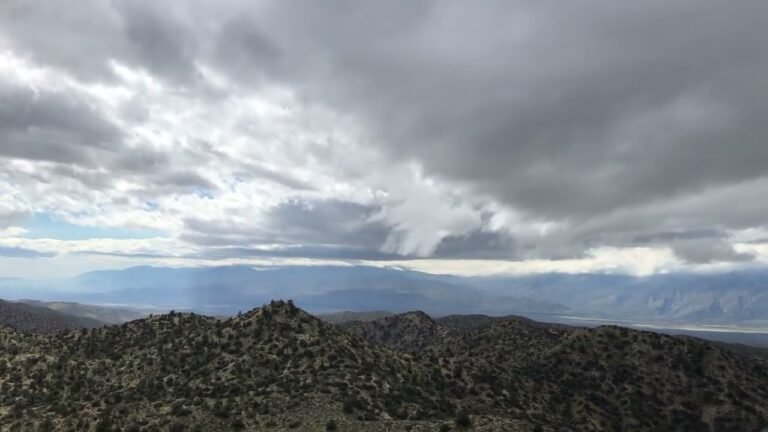
The scenery around Mojave is broad, sunlit, dry, and visually striking. This is not a place of green valleys or coastal softness. It is a place of immense skies, open sightlines, shifting light, rugged edges, and classic high-desert atmosphere. People come here for:
- vast desert horizons
- long, open roads
- sculpted light and shadow
- mountain silhouettes
- raw, untamed scenery
- the unmistakable feeling of arid space
That landscape shapes both the travel experience and the ecological character of the region.
Climate and Weather Patterns
Mojave has a desert climate, which means temperature swings can be dramatic and conditions can be unforgiving if you arrive unprepared. Summers are hot, winters can be surprisingly cold, and rainfall is limited. Wind can be a major factor, and the weather can shift faster than many first-time visitors expect.
What visitors should expect
- Summers can become extremely hot.
- Winters can be chilly, windy, and occasionally near freezing.
- Strong gusts are common in some seasons.
- Thunderstorms may appear in summer.
- Rain is infrequent, but even light moisture can transform the desert appearance.
Best time to visit Mojave
The most comfortable times to visit are usually spring and fall. These seasons provide a better balance of temperature, comfort, and outdoor access. They also make hiking, sightseeing, and scenic driving more pleasant.
Why weather matters so much
The weather in Mojave is not a minor detail. It affects:
- How long can you safely hike
- How much water do you need to carry
- whether backcountry roads remain accessible
- whether wildflowers are visible
- How enjoyable your overall trip will be
If you are heading into the Mojave National Preserve, paying attention to the weather becomes even more important. In a desert environment, preparation is not optional; it is part of the experience.
Landscape Features Around Mojave
One of the most surprising things about Mojave is how much geographic variety surrounds it. The region is not flat and empty in the simplistic sense many people imagine. Instead, it contains a diverse desert environment with different elevations, rock types, ecological zones, and forms of terrain.
The surrounding area includes:
- Joshua tree habitat
- dunes
- lava tubes
- volcanic rock formations
- canyons
- dry basins
- limestone caves
- backcountry roads
This diversity is a major reason Mojave works so well as a desert base camp. You can experience transportation history in town and then head out into landscapes that feel ancient, wild, and expansive.
Key landscape highlights
Kelso Dunes
Kelso Dunes are among the most famous natural features near Mojave. They offer a classic desert hiking experience, with broad sandy ridges and dramatic views across the preserve.
Hole-in-the-Wall
This area is known for its sculpted volcanic rock, scenic hiking routes, and geologic drama. It is one of the most visually interesting places in the nearby preserve.
Mitchell Caverns
Located in the Providence Mountains area, Mitchell Caverns adds a very different kind of landscape to the region. The caves bring a subterranean element into a region usually defined by openness and heat.
Joshua Tree Country
The iconic Joshua tree is one of the signature plants of the area. Its presence gives the region a distinctive silhouette and reinforces the unmistakable identity of the Mojave Desert.
Flora: Plants You May See
The plant life around Mojave changes depending on elevation, soil type, and moisture availability. The region is not biologically empty; it is simply adapted to a harsher environment than many people are used to.
At higher elevations
You may encounter:
- white fir
- juniper
- pinyon pine
At lower elevations
You may see:
- Joshua trees
- yuccas
- cholla
- desert shrubs
- seasonal wildflowers
Why does plant life matter
Deserts often get misunderstood as lifeless or barren. Mojave proves that assumption wrong. The vegetation here is highly specialized and resilient. Some plants survive by developing deep root systems. Others conserve moisture in thick tissues. Some bloom quickly after rainfall and then retreat into dormancy when conditions become harsher.
Wildflowers in Mojave
After the right combination of rain and temperature, the desert can produce remarkable bloom periods. This seasonal transformation can make the landscape feel completely different. Even roadside driving becomes more rewarding when flowers begin to appear.
Routes that may offer strong flower-viewing opportunities include:
- Cima Road
- Morning Star Mine Road
- Kelbaker Road
- Kelso Cima Road
In the right season, a simple drive through the Mojave can become a vivid and memorable scenic experience.
Fauna: Animals, Reptiles, Insects, and Birds
The region around Mojave supports a much richer collection of wildlife than many first-time visitors expect. Desert animals are often hidden, quiet, and active when humans are less likely to be outside, but they are there.
Animals you may encounter
- desert tortoise
- bighorn sheep
- bobcat
- mountain lion
- jack rabbit
- roadrunner
- golden eagle
- gila monster
- snakes
- lizards
- birds
- insects
Why wildlife is easy to miss
Desert animals often avoid the hottest part of the day. They may be active early in the morning, at dusk, or during the night. As a result, a midday drive can appear quiet and empty, while a cooler hour can reveal a very different level of life.
Desert tortoise importance
The desert tortoise is one of the most iconic species in the area. It is also vulnerable, which makes careful driving and respectful travel especially important. Roads can be dangerous for wildlife, and even a scenic journey can have consequences if travelers are not attentive.
Wildlife viewing tip
Move slowly, keep your eyes open, and look beyond the obvious. Desert life often blends into the background, but it is very much present.
Human History and Cultures
Mojave’s history began with transportation, but transportation was only the beginning. Over time, the town became associated with a series of major developments that reflect California’s broader growth and engineering history.
Railroad beginnings
Mojave started in 1876 as a Southern Pacific Railroad construction camp. That origin is more than a historical footnote. It shaped the town’s structure, identity, and economic role from the very beginning.
Borax route history
From 1884 to 1889, Mojave served as the western terminus of the famous twenty-mule team borax route from Harmony Borax Works in Death Valley. That connection ties the town to one of the most iconic transport stories in the American West.
Aqueduct era
Mojave later gained importance during the construction of the Los Angeles Aqueduct. That enormous engineering effort brought another chapter of technical and logistical significance to the town’s story.
Train Town USA identity.
The town’s railroad heritage remains a source of pride. Mojave is often associated with the nickname Train Town USA, and that identity still carries weight. It is not a superficial marketing label; it reflects a genuine historical foundation.
Why this history matters to visitors
Visitors do not just come to Mojave to see old buildings or read plaques. They come to understand how the place evolved. The railroad roots, mining history, and engineering legacy all help explain the town’s present-day character. Mojave feels the way it does because of what happened there before.
Mojave Air and Space Port
The Mojave Air and Space Port is one of the town’s most defining landmarks. For many people, it is the reason Mojave appears on the map at all. It is not only a local airport or airfield; it is a significant aerospace site with a reputation that reaches far beyond the desert.
What it is known for
The port is associated with:
- flight testing
- aircraft storage
- aircraft maintenance
- space industry development
- experimental aviation
Why it matters
This is one of the rare places where a small desert town has real international relevance in aviation and aerospace. It gives Mojave a forward-looking identity and adds a modern layer to a community that also honors its railroad past.
Notable aerospace identity
Mojave is strongly tied to:
- Scaled Composites
- National Test Pilot School
- private spaceflight history
- experimental aviation culture
A major milestone
The site is especially famous for its association with the first private spaceflight launch of SpaceShipOne in 2004. That event placed Mojave into the modern aerospace narrative and made it recognizable to people well beyond California.
Why tourists care
Even visitors who are not aviation specialists often feel the significance of the air and space port. It gives the town a sense of ambition and technical identity. Mojave is not just a desert town with a runway nearby. It is a place where aircraft, innovation, and experimentation are part of the local atmosphere.
Mojave Transportation Museum and Train Town USA
If the Mojave Air and Space Port represents forward motion and technical progress, the Mojave Transportation Museum represents memory, continuity, and preservation. It exists to safeguard the town’s transportation story and to develop a broader heritage campus over time.
What the museum is about
The museum aims to preserve Mojave’s transportation past and potentially expand into a larger historical complex with exhibits related to:
- aircraft
- automobiles
- bicycles
- carriages
- motorcycles
- trains
- engines
That scope makes the museum more than a simple local display. It is intended as a serious preservation effort focused on the many forms of movement that shaped the region.
Plane Crazy Saturday
The museum also supports Plane Crazy Saturday, a monthly event held on the third Saturday at the Mojave Air & Space Port. Visitors can expect:
- static displays
- guest speakers
- family-friendly activities
Why this matters
This gives travelers something concrete to schedule around. It also confirms that Mojave’s transportation identity is active, not frozen in the past. The town continues to celebrate rail, road, and flight as living parts of its story.
Train Town USA connection
The Train Town USA identity reinforces the town’s rail lineage. Mojave does not merely reference railroad history. It embodies it. That connection gives the area a grounded, authentic personality that many road trip destinations lack.
Wind Energy and Oak Creek Road
Mojave is also important in California’s energy landscape. In addition to trains and aircraft, the area is known for wind power. That makes the town part of a broader modern story about sustainability, infrastructure, and geographic advantage.
What makes this area special
The mountains and foothills around Mojave sit within the Tehachapi-Mojave Wind Resource Area, one of the most productive wind-energy zones in the country. The natural topography and consistent winds have made the region highly suitable for turbine development.
What visitors see
For travelers, the result is a landscape shaped by tall turbines moving across ridges and hills. The visual impression can be striking, almost like an engineered forest spread across the mountains.
Oak Creek Road drive
Oak Creek Road is one of the best ways to experience this wind-energy environment. Driving the route gives visitors a close look at the turbines and helps illustrate how the desert can support both natural beauty and major infrastructure.
Why this matters for an SEO pillar article
This topic broadens the appeal of Mojave. The town is not just about old railroads or aviation history. It also belongs to California’s renewable-energy future, which adds another layer of relevance and search value.
What to Do Near Mojave
Mojave is best appreciated when you treat it as both a town destination and a gateway to nearby desert attractions. The area around it gives travelers a choice between history, industry, and outdoor adventure.
Top things to do near Mojave
1. Visit the Mojave Air and Space Port
This is essential for anyone interested in aviation, flight testing, or modern aerospace history.
2. Explore the Mojave Transportation Museum
A strong stop for understanding trains, engines, local heritage, and the town’s wider movement history.
3. Drive Oak Creek Road
This is one of the most memorable ways to experience the wind-energy landscape near town.
4. Head into Mojave National Preserve
The preserve is one of the most compelling reasons to use Mojave as a base.
5. Hike Kelso Dunes
A classic desert hike with broad views and a strong sense of open space.
6. Walk the Rings Trail at Hole-in-the-Wall
A scenic route that combines desert geology with active exploration.
7. See the Lava Tube
A unique geological feature that adds variety to a desert itinerary.
8. Visit Mitchell Caverns
A valuable side trip for travelers interested in cave landscapes and limestone formations.
A Practical Mojave Travel Itinerary
The best way to enjoy Mojave is to combine town-based attractions with nearby wilderness. The town alone is interesting, but its real strength becomes clear when you use it as a base for a broader desert experience.
Half-day itinerary
A short visit might include:
- Mojave Transportation Museum
- a look around the Mojave Air and Space Port area
- an Oak Creek Road wind-energy drive
This gives you a strong introduction to the town’s industrial and historical identity.
Full-day itinerary
If you have more time, add:
- Kelso Dunes
- Hole-in-the-Wall
- scenic stops inside Mojave National Preserve
That combination gives you a fuller sense of the desert environment and the region’s ecological and geological variety.
Overnight or longer plan
For a longer stay, you can include:
- more hiking
- sunrise or sunset photography
- additional preserve exploration
- a slower, more reflective pace
Why this approach works
Mojave is most rewarding when you experience it as both a town and a launch point. It is not simply a destination to pass through. It is a place that connects human history with desert space in a way that becomes more meaningful the longer you stay.
Travel Tips for Mojave, California
Mojave is rewarding, but the desert demands respect. Careful preparation can make your trip safer, easier, and more enjoyable.
Bring enough water
This is one of the most important desert travel rules. Do not underestimate how quickly dehydration can become a problem.
Fill up with gas earl..y
Fuel can be limited once you leave town and move deeper into the preserve. It is wise to arrive topped off rather than hoping to find a station later.
Check road conditions
Desert roads can change because of weather, construction, maintenance, or closures. A route that looks open on a map may not be ideal in practice.
Tell someone your route.
This is especially important if you plan to explore remote areas. A basic trip plan can make a meaningful difference in an emergency.
Watch the cell service limit.s
Signal coverage can be weak or inconsistent in the desert. Do not assume your phone will always be enough for navigation or communication.
Respect wildlife and plants.
Stay on established roads and trails. Avoid disturbing animals, damaging vegetation, or driving into sensitive areas.
Survival Tips and Travel Challenges
Mojave is beautiful, but beauty does not cancel out the risks of desert travel. The climate, distance, and remoteness all demand smart habits.
Main challenges
- extreme heat
- winter wind
- limited services
- long gaps between stops
- rough or remote roads
- sudden weather changes
What smart travelers do
- Travel early or late in the day
- Keep extra water in the vehicle
- bring snacks
- Use maps, not only mobile data
- Check the weather before leaving
- avoid assuming food or fuel will be close by
These are not minor details. They are part of responsible travel in a desert environment.
Interesting Facts About Mojave, California
A few standout facts help explain why Mojave is so memorable:
- Mojave was the site of the first private spaceflight launch with SpaceShipOne in 2004.
- It is associated with the Rutan Voyager, the first aircraft to fly around the world nonstop and unrefueled.
- The town is both a railroad town and an aerospace town.
- It is also a wind-energy town.
- It gives visitors access to one of the most dramatic desert preserves in California.
That blend is unusual. Many towns are known for one thing. Mojave is known for several.
Environmental Issues and Conservation
Mojave exists within a fragile desert ecosystem, which means conservation is essential. The desert may seem durable because it looks so vast and unchanging, but in reality, it can be highly sensitive to disturbance.
Why is the ecosystem vulnerable?
Desert environments can be damaged by:
- wildfires
- invasive plants
- vehicle traffic
- habitat loss
- careless off-road travel
Dome Fire impact
One of the most serious examples of environmental damage in the region was the Dome Fire, which burned a large area of Joshua tree woodland and destroyed a substantial number of trees. Events like that demonstrate how delicate desert systems really are.
Wildlife protection
Species such as the desert tortoise are vulnerable to roads and vehicles. Responsible driving and careful behavior help protect them.
Visitor responsibility
A good Mojave visit is one where you leave little or no trace. The desert recovers slowly, so even small actions can have long-lasting effects. Respecting the land is part of respecting the place.
Pros and Cons
Pros
- Strong mix of railroad history, aerospace culture, and desert scenery
- Access to Mojave National Preserve highlights like Kelso Dunes, Hole-in-the-Wall, and the Lava Tube
- Distinctive identity through Train Town USA, the transportation museum, and wind-energy landscapes
Cons
- Summer heat can be intense and potentially dangerous
- Services are limited once you go into the preserve
- Cell service may be unreliable in remote areas
- Travel requires planning and self-sufficiency
Who Should Visit Mojave?
Mojave is a strong match for travelers who enjoy:
- desert road trips
- rail history
- aviation and aerospace
- photography
- geology
- hiking
- national preserve travel
- quiet places with a strong identity
It may not be ideal for people looking for nightlife, luxury resorts, or busy shopping streets. But for travelers who appreciate character, space, and history, it is a remarkable destination.
Best Time to Visit Mojave
The most comfortable times to visit are usually spring and fall. These seasons often offer better temperatures for hiking, scenic driving, and outdoor exploration.
Summer
Summer is possible, but it requires serious heat awareness and a conservative approach to activity.
Winter
Winter can be beautiful, though wind and cold may make it less comfortable than expected.
After rain
Post-rain periods can be especially rewarding because wildflowers may bloom and the desert can appear greener, softer, and more alive.
FAQs
Yes. Mojave, California, is worth visiting if you enjoy desert history, aerospace, railroads, scenic driving, or access to the Mojave National Preserve. It offers an uncommon blend of heritage, industry, and outdoor value that makes it more than a simple pass-through town.
Mojave is best known for the Mojave Air and Space Port, railroad history, the Train Town USA designation, wind energy, and its proximity to the Mojave National Preserve. Those elements give the town a layered identity that is both historical and modern.
The most comfortable times are usually spring and fall. Summer can be extremely hot, while winter may bring cold winds. If you want the most balanced conditions, spring and fall are the safest bets.
No. Mojave is a town in Kern County, while the Mojave Desert is the much larger desert region surrounding it. The town is part of the desert, but it is not the same thing as the desert itself.
Yes, but lodging is outside the preserve rather than inside it. The preserve allows camping, while nearby communities provide food, lodging, and other services.
Top things to do include visiting the Mojave Air and Space Port, exploring the Mojave Transportation Museum, driving Oak Creek Road, and heading into the Mojave National Preserve for dunes, trails, and desert scenery.
Yes, especially for families who enjoy road trips, museums, desert learning, and scenic drives. Families should still plan carefully because of heat, distance, and limited services.
Conclusion
Mojave, California, stands out as more than just a desert stop. With its mix of history, aerospace significance, and nearby natural attractions, it offers real depth for curious travelers. Whether you visit briefly or explore the Surrounding desert, Mojave delivers a distinctive and worthwhile experience.