
Introduction
The Las Vegas Desert is one of Nevada’s most accessible and surprising landscapes. Just beyond the city, visitors can find red rock canyons, open desert views, wildlife, hiking trails, and scenic drives that reveal a very different side of Las Vegas. This guide covers the key places, weather, safety tips, and travel ideas you need to explore it well.
- What Is the Las Vegas Desert?
- Why the Las Vegas Desert Matters
- Location and Geography of the Las Vegas Desert
- Where Is the Las Vegas Desert Located?
- What Makes the Geography Unique?
- How Close Is the Desert to the City?
- Climate and Weather in the Las Vegas Desert
- What Is the Weather Like?
- Why Is the Desert So Dry?
- Best Seasons to Visit the Las Vegas Desert
- Weather Risks to Know
- Landscape Features of the Las Vegas Desert
- A Desert of Many Shapes
- Red Rock Canyon: A Desert Landmark
- Valley of Fire: A Desert of Color and History
- Desert National Wildlife Refuge: The Quiet Side of the Desert
- Seven Magic Mountains: Art in the Desert
- Flora: Plants of the Las Vegas Desert
- How Do Desert Plants Survive?
- Common Desert Plants in the Region
- Why Desert Plants Matter
- Plant Life and Conservation
- Fauna: Animals of the Las Vegas Desert
- What Animals Live in the Desert?
- Where Can You See Wildlife?
- Why Wildlife Is Easy to Miss
- Human History and Culture in the Las Vegas Desert
- A Desert With Deep Human Roots
- Petroglyphs and Ancient Art
- Indigenous Connections
- Modern Culture in the Desert
- Top Attractions in the Las Vegas Desert
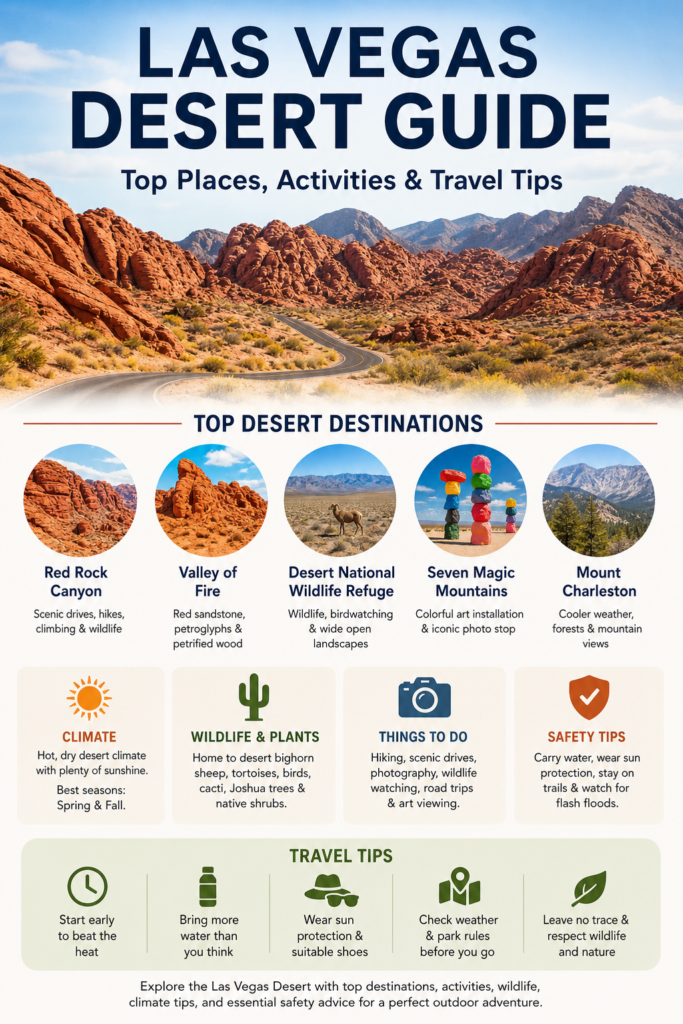
- 1. Red Rock Canyon
- 2. Valley of Fire
- 3. Desert National Wildlife Refuge
- 4. Seven Magic Mountains
- 5. Mount Charleston and the Spring Mountains
- Best Things to Do in the Las Vegas Desert
- Scenic Driving
- Hiking
- Photography
- Birdwatching
- Road Trips
- Travel Tips for the Las Vegas Desert
- 1. Start Early
- 2. Carry More Water Than You Think You Need
- 3. Wear Sun Protection
- 4. Stay on Trails
- 5. Watch the Weather
- 6. Know the Rules
- Safety Tips for the Las Vegas Desert
- Heat Safety
- Flash Flood Safety
- Wildlife Safety
- Trail Safety
- Sample Itineraries for the Las Vegas Desert
- Half-Day Desert Trip
- Full-Day Desert Trip
- Nature and Wildlife Day
- Art and Scenic Stop Day
- Pros and Cons
- Interesting Facts About the Las Vegas Desert
- Environmental Issues and Conservation
- Why Conservation Matters
- Main Conservation Concerns
- How Visitors Can Help
- FAQs
- Conclusion
What Is the Las Vegas Desert?
The Las Vegas Desert is part of the larger Mojave Desert ecosystem. It lies in extreme southern Nevada, where the terrain is dry, open, and shaped by valleys, mountain ranges, and eroded rock formations. Las Vegas itself sits within a broad desert basin, and mountain walls rise around the city in nearly every direction.
This geography shapes the entire experience. It influences the weather, the views, the air quality, the outdoor travel pattern, and even the feeling of the city. The valley floor is hot and arid, while nearby mountains, canyons, and ridgelines create cooler and more dramatic outdoor environments. That is why a visitor can leave the Strip and quickly arrive in places that feel completely removed from the urban core.
Many people picture a desert as a flat field of endless dunes. That is not the landscape here. The Las Vegas Desert includes sandstone cliffs, limestone ridges, gravel plains, dry streambeds, desert foothills, and wildlife-rich conservation areas. It also includes places where modern art and natural scenery intersect, which gives the region a distinctive identity.
To understand Las Vegas beyond hotels and nightlife, you need to understand the desert surrounding it. The landscape explains the heat, the scenery, the outdoor recreation, and much of the city’s wider geographic character. In search intent terms, this is not only a location page; it is a foundational travel and nature topic that connects geology, climate, ecology, and tourism.
Why the Las Vegas Desert Matters
The Las Vegas Desert matters because it offers something rare: immediate access to real desert scenery without a complicated journey. Many iconic desert destinations require long drives, remote camping, or advanced trip planning. Las Vegas provides a much easier entry point.
Within one region, visitors can experience:
- red sandstone canyons
- protected wildlife habitat
- scenic desert drives
- ancient petroglyphs and cultural landmarks
- outdoor art in an open desert space
- short hikes and longer trail systems
- birdwatching, photography, and sightseeing
That range makes the desert around Las Vegas useful for many kinds of travelers. A casual visitor may want a quick scenic stop. A dedicated hiker may want canyon routes and summit views. A birdwatcher may want a quiet habitat. A family may want a low-effort half-day outing. The region works for all of them.
It also matters from a conservation perspective. Because the area sits close to a major metro destination, it sees heavy visitation. That creates pressure on trails, soil crust, vegetation, cultural resources, and wildlife. So the desert is not only a tourism asset. It is also a fragile natural system that needs care and responsibility.
Location and Geography of the Las Vegas Desert
Where Is the Las Vegas Desert Located?
The Las Vegas Desert is located in the Mojave Desert region of the American Southwest, specifically in the Las Vegas Valley in southern Nevada.
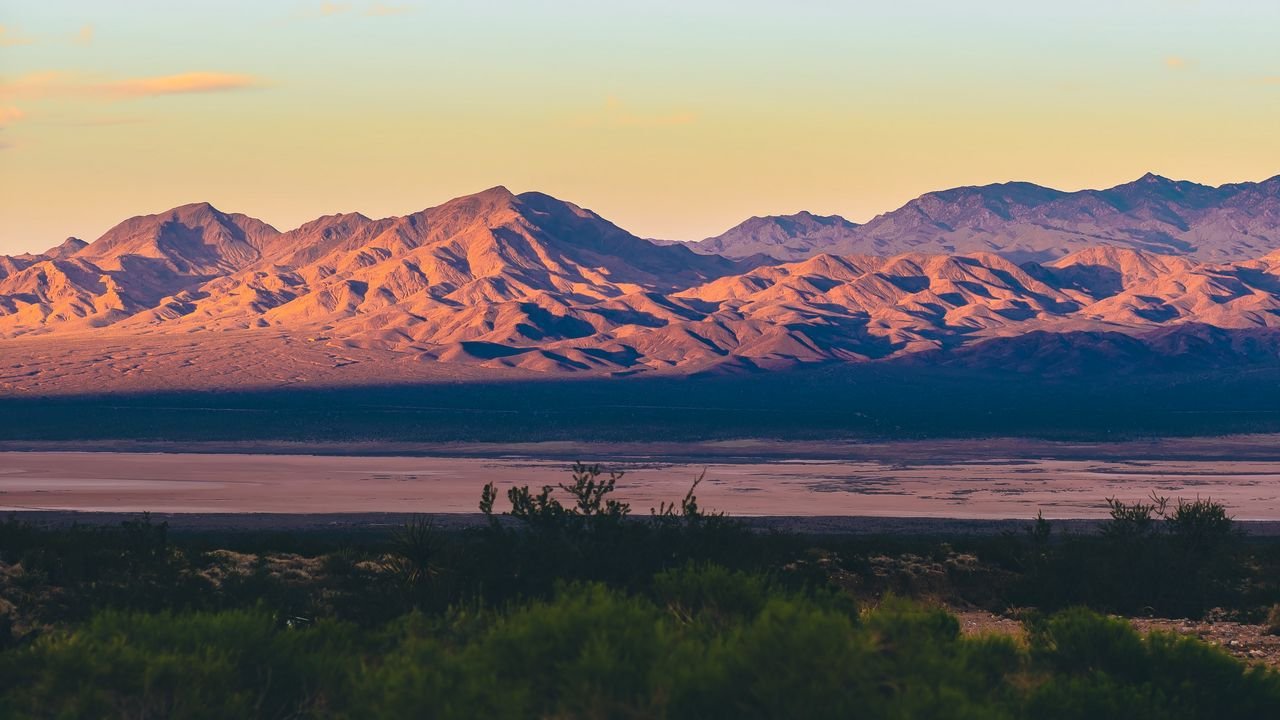
The valley is surrounded by mountains, which gives the region a dramatic, enclosed, basin-like feel. The city is built on a relatively low desert floor, while mountain ranges rise around it and create a powerful visual frame. This makes the landscape feel larger than the city itself and explains why the horizon is such a defining part of the experience.
To the west are the Spring Mountains and Mount Charleston. Red Rock Canyon sits west of the Strip. To the east are Lake Mead and broader desert corridors. Around the city, the terrain shifts rapidly from urban infrastructure to natural desert views.
This fast transition is one of the best features of the Las Vegas Desert. You do not need to drive for hours to reach open country. The landscape begins almost immediately, which is why the region works so well for short itineraries, spontaneous outings, and visitor-friendly day trips.
What Makes the Geography Unique?
The geography of the Las Vegas Desert is varied rather than uniform. It is a combination of valley, basin, mountain, canyon, and open desert terrain.
Here are the main landforms you will notice:
1. Valley floors
These broad, open, dry spaces hold the city and surrounding development. They often feel flat and intensely bright, but they are only one part of a much larger desert system.
2. Mountain ranges
The mountain walls around Las Vegas define the skyline and influence local climate patterns. They also create elevation shifts, temperature differences, and scenic contrast.
3. Canyons and cliffs
Places such as Red Rock Canyon show how erosion has carved the landscape over long periods. Their towering walls, layered rock, and sculpted formations are among the area’s most iconic features.
4. Dry washes
These channels may look harmless when dry, but during storms, they can move water quickly and dangerously. They are essential parts of desert drainage and flash-flood behavior.
5. Gravel basins and rocky plains
Much of the surrounding terrain is composed of stone, gravel, and coarse desert soil rather than deep sand. This creates the classic Mojave look and supports drought-tolerant plant life.
This variety gives the region a strong visual and ecological appeal. It is not one landscape; it is a connected network of Landscapes shaped by aridity, elevation, erosion, and time.
How Close Is the Desert to the City?
One of the biggest strengths of the Las Vegas Desert is its proximity to the urban center. You can leave the Strip and reach world-famous desert areas in a short time.
That means you can:
- Take a half-day desert excursion
- fit a scenic drive into a packed travel schedule
- Do sunrise or sunset outings
- Combine city tourism with nature-based exploration
This access is a major reason the topic has strong search value. Many travelers searching for Las Vegas want more than hotels and entertainment. They want nearby nature, photography spots, short hikes, and scenic day trips. The desert provides all of that with minimal travel friction.
Climate and Weather in the Las Vegas Desert
What Is the Weather Like?
The Las Vegas Desert is defined by sunshine, dryness, and heat. Summers are extremely hot, and temperatures often climb into the triple digits. Rainfall is limited, humidity is low, and the sunlight can feel intense almost year-round.
This dry climate is one of the most important characteristics of the region. Visitors usually notice the brightness, the dryness of the air, and the powerful sun as soon as they step outside.
The region also experiences strong seasonal variation:
- Spring is often pleasant and one of the best times to visit
- Summer is intensely hot and can be hazardous in open desert areas
- Fall is another excellent season for outdoor activity
- Winter is cooler, with occasional cold weather and rare snow in the valley
Because of this, timing matters a great deal when planning a desert outing.
Why Is the Desert So Dry?
The Las Vegas Desert is dry in part because the surrounding mountain ranges block much of the moisture that would otherwise move into the area. This contributes to arid conditions and low precipitation.
That dryness helps define the landscape. It influences plant survival, animal behavior, hiking comfort, road-trip planning, and water needs. In a desert climate, water is a limited resource, and the entire ecosystem has adapted to scarcity.
Best Seasons to Visit the Las Vegas Desert
For most travelers, spring and fall are the strongest seasons.
Spring
Spring is one of the best times because temperatures are more comfortable, daylight is longer, and outdoor conditions are more forgiving. Hiking, driving, and photography all benefit from the milder weather.
Fall
Fall is also excellent. The summer heat begins to fade, making the trails and scenic drives much more enjoyable.
Summer
Summer can still work for short visits, but it requires caution. Start early, carry more water than expected, and avoid long hikes during peak heat.
Winter
Winter is cooler and often ideal for slow walks, scenic drives, and less crowded experiences. It can be a great choice for travelers who prefer calmer weather.
Weather Risks to Know
The Las Vegas Desert is beautiful, but it can also be unforgiving.
The key weather risks are:
- extreme heat
- intense sun exposure
- flash flooding
- strong wind during storm events
- cold nighttime temperatures in some seasons
Summer storms can be especially dangerous because they may trigger flash floods in dry washes. A canyon or drainage channel may seem safe and dry, then become hazardous very quickly.
That is why desert travel should always be planned with the forecast in mind. Good timing and basic safety habits can prevent serious problems.
Landscape Features of the Las Vegas Desert
A Desert of Many Shapes
The Las Vegas Desert is not a single uniform landform. It contains multiple terrain types, each contributing to the overall experience.
Some of the most important features include:
Sandstone cliffs
These appear in places like Red Rock Canyon and Valley of Fire. They create vivid color, steep walls, and a dramatic sense of depth.
Limestone ridges
Some parts of the area are made of lighter-colored stone that contrasts sharply with the red rock zones.
Dry basins
Wide open basins create a sense of silence, scale, and horizon.
Foothills and mountain fronts
These zones provide elevation change, shadow, texture, and panoramic views.
Roadside desert corridors
The routes between major attractions often feel like part of the attraction itself, with scenery unfolding along the drive.
This mixture of surfaces and forms is one reason the area is so popular with photographers, travelers, and outdoor enthusiasts. It offers more than a single viewpoint or one-note landscape.
Red Rock Canyon: A Desert Landmark
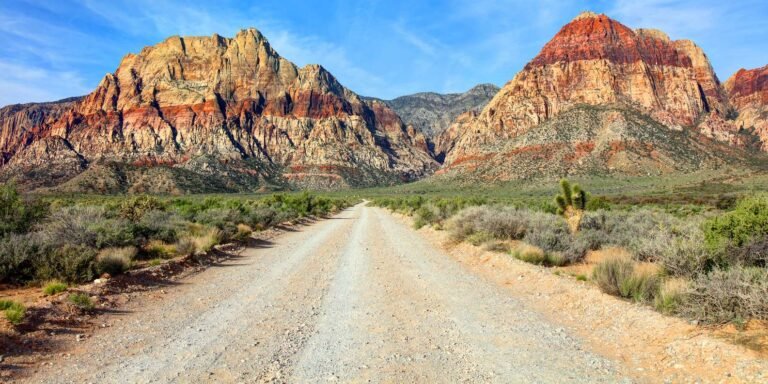
Red Rock Canyon is one of the most famous desert destinations near Las Vegas. It is known for red sandstone cliffs, a scenic drive, hiking routes, climbing areas, and expansive desert views.
It stands out because it presents a powerful desert landscape only a short distance from the city. The rock color, canyon walls, and open vistas make it one of the clearest expressions of the Las Vegas Desert.
Visitors come here for:
- scenic driving
- short hikes
- climbing
- photography
- wildlife viewing
- picnicking
- visitor center exhibits
Red Rock Canyon is often the first place people visit when they begin exploring the desert around Las Vegas. It is visually striking, easy to access, and rich in outdoor experiences.
Valley of Fire: A Desert of Color and History
Valley of Fire is another major highlight of the broader Las Vegas Desert region. It is famous for its red sandstone, petroglyphs, petrified wood, and unforgettable visual impact.
The park feels different from Red Rock Canyon. It can seem older, more remote, and more elemental. The rock seems to glow in strong light, especially during sunrise and sunset.
Valley of Fire is not just a scenic destination. It is also a place of geology and cultural heritage. Visitors come to see:
- bright red formations
- ancient rock art
- petrified wood
- easy scenic stops
- hiking trails
- sunset views
It is one of the strongest day-trip choices in the entire desert region and a major keyword cluster for travel, geology, and Nevada nature content.
Desert National Wildlife Refuge: The Quiet Side of the Desert
The Desert National Wildlife Refuge gives the Las Vegas Desert a larger, quieter, and more remote feeling than the heavily visited scenic parks.
This refuge is important because it protects habitat for wildlife and supports a broad range of species. It also gives visitors a chance to experience desert scale, silence, and open space.
The refuge includes:
- wide desert terrain
- mountain ranges
- wildlife habitat
- birdwatching opportunities
- low-crowd outdoor experiences
For travelers who want solitude, this is one of the best places to explore. It is not just a scenery stop; it is an ecological space where the desert feels expansive and unhurried.
Seven Magic Mountains: Art in the Desert
Seven Magic Mountains adds a human-made layer to the desert story. This colorful outdoor art installation stands near Interstate 15 and has become one of the most photographed stops near Las Vegas.
It matters because it shows that the Las Vegas Desert is not only a natural setting. It is also a cultural and creative landscape. The stacked boulders create a vivid contrast against the pale desert background.
This stop is ideal for:
- photos
- short visits
- road-trip breaks
- art lovers
- social media content
- quick add-on experiences
Seven Magic Mountains is one of the strongest examples of how art, tourism, and desert space can intersect.
Flora: Plants of the Las Vegas Desert
How Do Desert Plants Survive?
Plants in the Las Vegas Desert survive through highly specialized adaptations. They conserve moisture, reduce water loss, store water, grow slowly, or time their life cycles around rain.
Many plants have thick stems. Several have tiny leaves. Some have deep root systems. Some appear dormant until rainfall arrives. These survival strategies are a defining part of desert ecology and one of the reasons desert plant life is so fascinating.
Common Desert Plants in the Region
The region supports many species adapted to heat and dryness. Some of the best-known include:
- creosote bush
- Joshua tree
- burroweed
- cacti
- native shrubs
- dryland grasses
- desert wildflowers after rainfall
These plants are much more important than they first appear. They stabilize soil, shelter wildlife, feed insects and birds, and shape the visual identity of the desert.
Why Desert Plants Matter
Desert plants are not just scenery. They keep the ecosystem functioning.
They:
- reduce erosion
- support insects and birds
- create shelter and shade
- hold soil in place
- provide habitat for desert life
In a dry environment like this, every plant has value. Even small shrubs can anchor a much larger ecological network.
Plant Life and Conservation
Native plant protection is an important part of desert conservation. Off-trail walking, invasive species, and careless land use can damage vegetation that grows slowly and recovers over long periods.
A strong Las Vegas Desert guide should remind readers that the desert plant community is fragile. Staying on marked trails is one of the simplest and most effective ways to protect the landscape.
Fauna: Animals of the Las Vegas Desert
What Animals Live in the Desert?
The Las Vegas Desert is full of life, even when the land appears quiet. Many animals have adapted to heat, dryness, and limited water availability.
You may encounter:
- desert bighorn sheep
- desert tortoises
- collared lizards
- mountain lions
- hummingbirds
- many bird species
- small mammals
- reptiles and insects
The region is especially strong for birdwatching and wildlife observation.
Where Can You See Wildlife?
The best wildlife sightings often happen in protected or quieter spaces such as the Desert National Wildlife Refuge and parts of Red Rock Canyon.
These areas provide room for animals to move naturally and give visitors a better chance to observe desert ecology responsibly.
If you go wildlife watching, follow these basic rules:
- Keep your distance
- Never feed animals
- Stay on trails
- move quietly
- Use binoculars or a zoom lens
Wildlife should be observed respectfully, not disturbed.
Why Wildlife Is Easy to Miss
Many desert species are active in the early morning, at dusk, or during the night. Some remain hidden during the hottest part of the day.
That means you may not see animals immediately, even in a habitat where they are present. But signs of wildlife are everywhere: tracks, burrows, calls, droppings, and movement in the brush.
This hidden life is one of the most beautiful aspects of the Las Vegas Desert. It encourages visitors to slow down, look carefully, and appreciate subtle ecological detail.
Human History and Culture in the Las Vegas Desert
A Desert With Deep Human Roots
The Las Vegas Desert has a long and layered human history. People have lived in, traveled through, hunted, gathered food from, and created art in this landscape for thousands of years.
This story includes Indigenous communities, early settlers, and modern recreational use. The land is not just a backdrop for tourism. It is part of a long cultural and ecological record.
Petroglyphs and Ancient Art
One of the most powerful signs of human history in the desert is rock art. Valley of Fire, for example, preserves petroglyphs that are more than 2,000 years old.
These markings are not merely old drawings. They are cultural messages and records of human presence and meaning.
When visitors see them, they are not only looking at the stone. They are looking at a preserved communication from the past.
Indigenous Connections
The desert around Las Vegas has deep ties to Indigenous peoples, including the Newe (Western Shoshone) and Nuwu/Nuwuvi (Southern Paiute/Chemehuevi), among others.
This matters because it reminds us that the Las Vegas Desert existed as a lived-in homeland long before the modern city emerged. The land has supported movement, survival, ceremony, and continuity across many generations.
Modern Culture in the Desert
Today, the desert also serves as a cultural canvas. Seven Magic Mountains is a strong example. It brings contemporary art into the open landscape and creates a new kind of visitor experience.
This combination of ancient history and modern expression gives the Las Vegas Desert a distinctive identity. It is a place where old and new, natural and human-made, coexist in the same visual field.
Top Attractions in the Las Vegas Desert
1. Red Rock Canyon
Red Rock Canyon is one of the top desert attractions near Las Vegas. It is ideal for travelers who want fast access to dramatic scenery.
Best for:
- scenic drives
- hiking
- climbing
- family outings
- photography
Why visit:
It combines beauty, convenience, and variety. You get a classic Mojave Desert feel without a long drive.
2. Valley of Fire
Valley of Fire is ideal for visitors who want bold colors, broad views, and a sense of historical depth.
Best for:
- geology lovers
- photographers
- easy day trips
- history enthusiasts
- sunset viewing
Why visit:
The red sandstone is unforgettable, and the petroglyphs add meaning and cultural richness to the visit.
3. Desert National Wildlife Refuge
This is the best choice for people who want a larger and quieter desert experience.
Best for:
- birdwatching
- wildlife spotting
- solitude
- nature study
- long scenic exploration
Why visit:
It gives visitors a sense of the desert’s real scale and quiet, which many people do not expect from a region so close to a major city.
4. Seven Magic Mountains
This is the best quick stop for art and photography.
Best for:
- road trips
- short visits
- social media photos
- creative compositions
- easy add-on stops
Why visit:
It combines art with desert space in a highly memorable way.
5. Mount Charleston and the Spring Mountains
Although not always categorized the same way as low-desert destinations, the nearby mountains add another layer to the Las Vegas Desert experience.
Best for:
- cooler temperatures
- mountain views
- escaping summer heat
- scenic contrast
Why visit:
The mountains remind visitors that Las Vegas is surrounded by a larger natural system rather than only flat desert ground.
Best Things to Do in the Las Vegas Desert
Scenic Driving
The desert near Las Vegas is excellent for scenic driving. Routes such as the Red Rock Canyon Scenic Drive and the road to Valley of Fire are popular because they reveal the landscape without requiring strenuous hiking.
Driving is a good choice if you want a low-effort way to enjoy the desert. It is also especially useful in hot weather when direct sun exposure can become exhausting.
Hiking
The Las Vegas Desert offers many hiking options, from short walks to more challenging trail systems.
Hiking is best during the cooler parts of the day. Early morning is usually the safest and most comfortable time.
A good desert hike often includes:
- rock views
- canyon walls
- desert vegetation
- wildlife signs
- broad sky and open light
Hiking is one of the best ways to feel the real character of the land. It gives you direct contact with the terrain instead of a drive-by view.
Photography
The desert near Las Vegas is among the most photogenic places in the region.
Strong photo subjects include:
- red rock at sunrise
- long empty roads
- petroglyph areas
- wide skies and changing cloud patterns
- wildlife in quiet zones
- Seven Magic Mountains
Light changes quickly in the desert, so the same scene can look very different depending on the time of day.
Birdwatching
The Las Vegas Desert is a strong birdwatching destination, particularly in protected habitat areas.
Birdwatchers may enjoy:
- refuge land
- quiet trails
- early morning observation
- water-adjacent zones in select places
Birding works best when you move slowly, stay alert, and remain quiet.
Road Trips
A road trip is one of the easiest ways to experience the desert. You can combine city stops with natural scenery in a single day.
That flexibility is one reason the region is such a useful travel topic. It supports quick access, variety, and high visual payoff without complicated logistics.
Travel Tips for the Las Vegas Desert
1. Start Early
Morning is usually the best time to explore. The air is cooler, the light is softer, and the landscape is easier to enjoy.
2. Carry More Water Than You Think You Need
This is one of the most important desert rules. Dry air and heat can dehydrate you fast.
3. Wear Sun Protection
Use:
- a hat
- sunglasses
- sunscreen
- light clothing
- comfortable shoes
4. Stay on Trails
This protects plants, keeps you safer, and reduces long-term damage to the desert environment.
5. Watch the Weather
Rain far from where you are can still matter. Flash flooding can happen quickly in desert terrain.
6. Know the Rules
Some sites use timed entry, seasonal restrictions, or other access controls. Planning prevents frustration.
These tips may sound simple, but they can make the difference between an enjoyable outing and a difficult one.
Safety Tips for the Las Vegas Desert
Heat Safety
Heat is the biggest hazard in the Las Vegas Desert. It can become serious very quickly, especially in summer.
To stay safer:
- Do not overestimate your fitness
- Take regular breaks
- Drink water often
- Avoid midday hiking in extreme heat
- Turn back if you feel dizzy, weak, or confused
Flash Flood Safety
Dry washes are dangerous during storms. Even if the sky looks calm where you are, runoff may be moving upstream.
If storms are expected, avoid narrow canyons and low drainage routes.
Wildlife Safety
Do not touch or feed wildlife. Keep a distance and enjoy animals from a respectful range.
Trail Safety
Bring a map or use a dependable navigation app. Some desert areas feel more remote than they first appear.
The desert is accessible, but accessibility should not be confused with ease. Good preparation makes the experience better and much safer.
Sample Itineraries for the Las Vegas Desert
Half-Day Desert Trip
A half-day outing is ideal when time is limited.
Plan:
Start early
Visit Red Rock Canyon
Take the scenic drive.
Do a short hike
Return to Las Vegas by lunch or early afternoon
This is one of the simplest and most rewarding ways to experience the desert quickly.
Full-Day Desert Trip
A full-day outing gives you more range and variety.
Plan:
Morning at Red Rock Canyon
Lunch break
Afternoon drive toward the Valley of Fire.
Sunset photography
Return in the evening.
This creates a balanced day with both scenery and depth.
Nature and Wildlife Day
For travelers who want a quieter experience:
Plan:
Early morning departure
Time at Desert National Wildlife Refuge
Birdwatching or photography
Slow scenic stops
End with sunset in a s,af,e open are. a
This is the best option for travelers who want space, silence, and observation.
Art and Scenic Stop Day
For visitors who want a shorter and simpler outing:
Plan:
Visit Seven Magic Mountains
Add a short scenic drive.
Take photos
Return to the city or combine with another nearby desert stop
This works well for casual travelers, families, and content creators.
Pros and Cons
| Pros | Cons |
| Very easy to reach from Las Vegas | Summer heat can be extreme |
| Strong mix of scenery and activities | Some sites need advanced planning |
| Excellent for hiking, photography, and driving | Flash flood risk during storm season |
| Good for families and solo travelers | Crowds can reduce the feeling of solitude |
| Rich wildlife and plant life | The desert demands caution and preparation |
The balance is clear. The Las Vegas Desert is highly rewarding, but it must be treated with respect.
Interesting Facts About the Las Vegas Desert
- Las Vegas sits in a broad desert valley surrounded by mountains.
- The region is part of the Mojave Desert.
- Red Rock Canyon is one of Nevada’s most recognized conservation landscapes.
- Valley of Fire is known for red sandstone and ancient petroglyphs.
- The Desert National Wildlife Refuge protects a large and biologically important desert habitat.
- Seven Magic Mountains turns the desert into an outdoor art installation.
- The desert is much more than sand. It includes rock, basin, canyon, wildlife, and cultural history.
These facts help show why the area deserves a full pillar guide rather than a short travel note.
Environmental Issues and Conservation
Why Conservation Matters
The Las Vegas Desert sits close to a major urban destination, so it receives heavy use. That means the landscape faces pressure from tourism, hiking, off-road activity, photography, and routine visitation.
Desert ecosystems are fragile. Plants recover slowly. Wildlife can be disturbed easily. Cultural resources can be damaged by careless behavior. Even small actions can have long-lasting effects.
Main Conservation Concerns
Some of the biggest concerns include:
- trail damage
- litter
- off-trail walking
- wildlife disturbance
- damage to petroglyphs and artifacts
- invasive species
- habitat pressure from high visitation
These are real issues that affect the long-term health of the region.
How Visitors Can Help
Visitors can still make a positive impact.
You can help by:
- staying on trails
- packing out trash
- keeping distance from wildlife
- not touching rock art or artifacts
- using reusable water bottles
- Following park rules
- respecting closures and timed entry systems
Responsible behavior protects the desert for the next traveler and helps preserve the ecosystem for future generations.
FAQs
Yes. Las Vegas sits inside a broad desert valley in southern Nevada, and mountains around it help shape the dry climate and open landscape.
Las Vegas is part of the Mojave Desert region.
Red Rock Canyon and Valley of Fire are two of the strongest all-around choices because they combine easy access, dramatic scenery, and a mix of driving, hiking, and photography.
It can be safe if you prepare properly, but the summer heat is serious. Start early, carry plenty of water, and avoid long hikes during the hottest part of the day.
Timed entry reservations are required for the Scenic Drive during the reservation window, so checking the current access rules before your trip is important.
Conclusion
The Las Vegas Desert offers much more than dry land outside the city. It is a striking mix of geology, wildlife, culture, and outdoor Adventure that is easy to reach and worth exploring. With the right planning, it can be one of the most memorable parts of any Las Vegas trip.