

Choosing a travel destination can be one of the most enjoyable parts of planning a vacation. Photographs of beaches, historic streets, mountain landscapes, and famous attractions can quickly make a place appealing. However, attractive images alone do not tell travelers whether a destination is suitable for their budget, interests, available time, or preferred style of travel.
Good research can reveal much more. Weather, transportation, accommodation costs, local events, entry requirements, cultural expectations, and seasonal crowds can all influence the experience. Spending some time investigating these factors before booking can reduce surprises and help travelers choose a destination that genuinely matches what they want from the trip.
- Start With the Purpose of Your Trip
- Read From More Than One Source
- Check the Best Time to Visit
- Research the Weather Carefully
- Compare the Real Cost of Different Destinations
- Investigate Local and General News
- Look at Accommodation Locations, Not Just Hotels
- Learn How Local Transportation Works
- Check Entry Requirements Before Booking
- Explore Blogs for Ideas and Personal Perspectives
- Research Neighborhoods Before Choosing Where to Stay
- Look Beyond the Famous Attractions
- Research Local Food Before You Arrive
- Check Major Events During Your Travel Dates
- Understand Local Customs
- Read Reviews Critically
- Save Your Research in One Place
- Research Enough, but Leave Room for Discovery
Start With the Purpose of Your Trip
Before comparing destinations, decide what kind of vacation you actually want. Someone looking for relaxation may have very different priorities from a traveler interested in museums, nightlife, hiking, food, or historical attractions.
Creating a short list of priorities makes research easier. Instead of asking whether a destination is generally considered good, you can ask whether it is good for the specific experiences that matter to you.
Read From More Than One Source
No single article or travel guide can provide every perspective on a destination. Large travel websites may be useful for major attractions, while smaller blogs and general-interest publications can introduce different viewpoints or subjects worth investigating further.
During broad online research, readers may encounter general content resources such as 24 Thoughts. Exploring a variety of sources can generate ideas, but important practical details should always be confirmed through current and authoritative information before making bookings.
Check the Best Time to Visit
A destination can provide completely different experiences depending on the season. Weather is one factor, but visitor numbers, accommodation prices, local holidays, and attraction schedules can be equally important.
Peak season often offers favorable conditions but can also mean higher prices and larger crowds. Shoulder seasons may provide a useful compromise between weather, availability, and cost.
Research the Weather Carefully
Average annual temperatures provide only a general picture. Travelers should investigate expected conditions during the specific month they plan to visit.
Consider rainfall, humidity, daylight hours, temperature differences between day and night, and seasonal weather patterns. Conditions may also vary significantly within the same country, particularly between coastal, mountainous, and inland areas.
Compare the Real Cost of Different Destinations
Cheap flights do not necessarily mean a cheap vacation. Accommodation, food, local transportation, attractions, taxes, and other daily expenses can make a destination considerably more expensive after arrival.
Create a rough total budget for each destination being considered. Comparing complete estimated trip costs provides a more useful picture than looking only at airfare or hotel prices.
Investigate Local and General News
Current information can reveal developments that older destination guides cannot. Transportation changes, major events, construction, weather disruptions, and other local developments may affect a planned visit.
Travelers researching broadly online may come across general or news-oriented resources such as Blog Cabinca. For decisions involving safety, border rules, emergencies, or significant disruptions, information should be verified with appropriate official sources.
Look at Accommodation Locations, Not Just Hotels
Where you stay can influence the entire trip. A highly rated hotel may still be inconvenient if it is far from the places you want to visit.
Use a map to compare accommodation with major attractions, transportation stations, restaurants, and neighborhoods of interest. A slightly more expensive central property can sometimes save enough transportation time and money to provide better overall value.
Learn How Local Transportation Works
Transportation can determine how easy a destination is to explore. Some cities have extensive public transportation, while others are easier with a rental vehicle or taxis.
Research airport connections, ticket systems, approximate travel times, operating hours, and whether visitors can easily use local transportation services. Understanding this before arrival can make the first day considerably less stressful.
Check Entry Requirements Before Booking
International travelers should investigate passport, visa, and entry requirements before committing to non-refundable arrangements. Requirements can depend on nationality, destination, travel purpose, and length of stay.
Because immigration rules can change, official government, embassy, consular, or immigration sources should be used for final confirmation.
Explore Blogs for Ideas and Personal Perspectives
Official tourism websites are useful for factual information, but blogs can provide more personal perspectives on destinations and everyday experiences. They may introduce travelers to food, neighborhoods, activities, or cultural subjects that are not prominent in conventional guides.
While browsing general-interest content, readers may encounter sites such as Every Blogy. Independent articles can be useful for discovering ideas, while details such as prices, schedules, regulations, and opening hours should be checked separately because they may change over time.
Research Neighborhoods Before Choosing Where to Stay
A city is rarely one uniform destination. Different neighborhoods may offer completely different experiences, ranging from nightlife and shopping to residential streets, historic architecture, or quieter surroundings.
Research several areas and consider which one matches your priorities. Proximity to public transportation and major attractions can be particularly important for a short trip.
Look Beyond the Famous Attractions
Major landmarks are popular for a reason, but they do not need to occupy every day of the itinerary. Parks, markets, smaller museums, local streets, waterfront areas, and neighborhood restaurants can provide a more varied experience.
Finding a mixture of famous and lesser-known places also gives travelers alternatives when major attractions are crowded or unavailable.
Research Local Food Before You Arrive
Learning about regional dishes before traveling can make restaurant choices more interesting. Identify a few foods you would like to try and research the types of establishments where they are traditionally served.
Markets, bakeries, cafés, and casual restaurants can sometimes provide experiences that are just as memorable as expensive dining establishments.
Check Major Events During Your Travel Dates
A festival, conference, sporting event, or public holiday can significantly change a destination. These events may provide excellent experiences, but they can also increase hotel prices, create transportation congestion, or cause businesses to operate on different schedules.
Checking an official events calendar before booking helps travelers decide whether they want to participate in a major event or avoid the busiest dates.
Understand Local Customs
Cultural expectations involving clothing, greetings, tipping, photography, religious sites, and public behavior vary around the world. Learning basic etiquette can help visitors avoid uncomfortable situations.
Even a small amount of cultural research can improve interactions and provide greater context for what travelers experience during the trip.
Read Reviews Critically
Reviews can be valuable when comparing accommodation, restaurants, attractions, and tours, but individual opinions should not automatically determine a decision.
Look for recurring themes across many recent reviews. If numerous travelers independently mention the same problem or advantage, that pattern may be more useful than an unusually positive or negative individual review.
Save Your Research in One Place
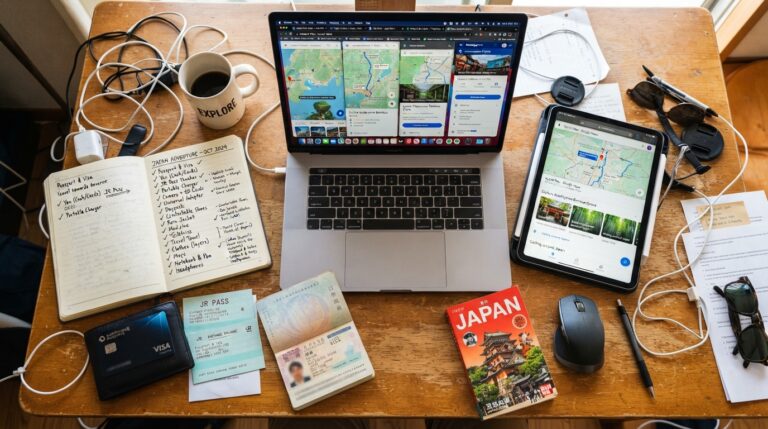
Travel research can quickly become scattered across browser tabs, screenshots, emails, maps, and social media posts. Create one document or note containing the most useful information.
Organize it into categories such as accommodation, transportation, food, attractions, booking requirements, and optional activities. Saving important locations on a digital map can also make itinerary planning easier.
Research Enough, but Leave Room for Discovery
Planning helps travelers avoid predictable problems, but researching every hour of a vacation can remove some of the excitement. The objective is to understand the destination well enough to make informed decisions while leaving space for unexpected discoveries.
By comparing multiple information sources, checking weather and seasonal conditions, understanding costs, researching transportation and neighborhoods, following relevant updates, and verifying important requirements through official sources, travelers can choose destinations with greater confidence. Once the essential research is complete, the remaining space in the itinerary can be left for the experiences that are impossible to discover until the journey actually begins.