
- Key Takeaways
- Start With a Neighborhood Strategy
- Plan Before You Leave
- A Simple Morning Plan
- Start Light With Coffee and a Small Bite
- Take a Short Walk After Breakfast
- Choose a Lunch That Leaves Room for Dinner
- Make the Afternoon a Lighter Food Moment
- Choose the Right Dinner Style
- Get Around Without Losing the Day
- Sample One-Day Miami Food Schedule
- Final Tips for a Better Miami Food Day
Key Takeaways
- Choose two or three connected areas rather than crisscrossing Miami all day.
- Reserve the meal that matters most, usually dinner, and keep other stops flexible.
- Balance a cultural food experience with a relaxed lunch and a distinctive dinner.
- Plan for heat, rain, parking, and travel time between reservations.
- Leave room for coffee, water, snacks, and a midday reset.
Miami, Florida rewards a food itinerary that has room to breathe. Instead of chasing a long list of famous tables across the city, build the day around a few nearby neighborhoods, memorable flavors, and breaks to enjoy the heat, waterfront views, art, and street life between meals. Travelers looking to eat out in Miami with Franki can take a neighborhood-first approach, making restaurant choices feel like part of the experience rather than a race against the clock.
The most satisfying plan usually includes two full meals, a light breakfast, and one flexible afternoon treat. Miami’s dining culture can move from Cuban coffee to seafood, Caribbean cooking, Latin American specialties, and polished contemporary dining in a single day. The goal is not to try everything. It is to leave with a clear sense of place and enough appetite for dinner.
Start With a Neighborhood Strategy
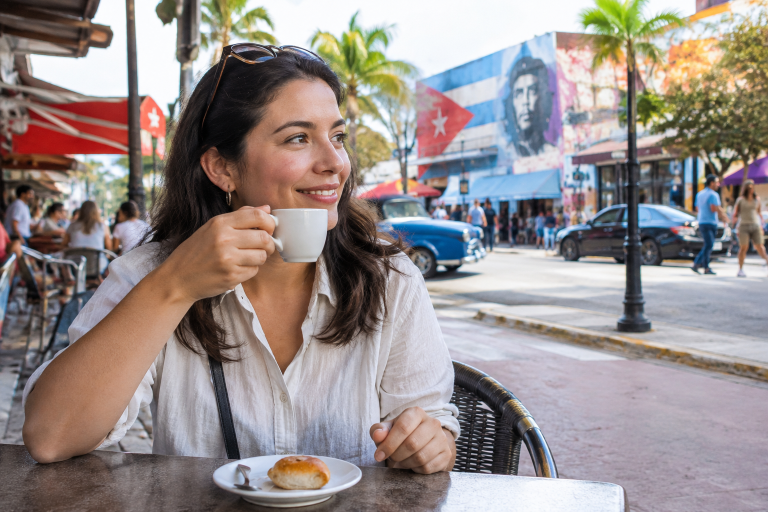
Miami is a city of distinct districts, and each one gives a food day a different rhythm. Little Havana suits a morning centered on Cuban coffee, pastries, and a walk along Calle Ocho. Wynwood works well for casual lunch, galleries, murals, and groups with different tastes. South Beach pairs naturally with beach time and people-watching, while Brickell offers a denser downtown setting for evening drinks and dinner.
Coconut Grove is a strong choice for a slower day with shaded streets and outdoor seating. The Miami Design District is better when a planned dinner or special occasion is the centerpiece. A quick review of Miami’s neighborhoods, culture, and history can help visitors understand why food traditions and atmosphere shift so much from one part of the city to another.
Plan Before You Leave
Begin with one question: what should the day feel like? A beach-focused outing needs different meal timing than an art-filled day in Wynwood or a cultural stop in Little Havana. Once that choice is made, select a starting point close to your hotel or first activity.
- Check hours, reservations, menus, dress expectations, and whether outdoor seating is available.
- Review menus in advance when anyone has allergies, dietary restrictions, or a firm budget.
- Save one nearby backup for lunch and dinner in case wait times or weather change the plan.
- Put realistic travel buffers between reservations, especially when changing neighborhoods.
A Simple Morning Plan
Start Light With Coffee and a Small Bite
A heavy breakfast can make the rest of the day feel like a chore. Choose Cuban coffee, fresh juice, fruit, a pastry, or a simple egg dish, then save room for lunch. If you are visiting Little Havana, make the coffee stop part of the cultural experience rather than a rushed takeaway order.
Take a Short Walk After Breakfast
Pair the first meal with a walk through the neighborhood. It creates a natural transition into the day, helps avoid spending every hour in a car, and gives visitors time to notice the music, storefronts, public art, and daily pace around them.
Choose a Lunch That Leaves Room for Dinner
Lunch is the best place to try a signature dish without committing to an oversized meal. Look for quick service, comfortable seating, or a menu that makes sharing easy. Seafood, sandwiches, rice dishes, grilled items, and several small plates can all work, depending on the neighborhood and your dinner plans.
- Share an appetizer or side instead of ordering several large starters.
- Choose one local specialty rather than trying to order the entire menu.
- Consider a weekday lunch menu when value matters.
- Pick a restaurant close to the afternoon activity, not simply the most famous option across town.
- Drink water and seek shade before heading back outside.
Make the Afternoon a Lighter Food Moment
The afternoon is when many itineraries become overloaded. Skip the second full meal and choose a pastry, tropical drink, ice cream, fruit, or a shared dessert instead. This is also the ideal time for an activity that fits the area you already chose.
- Explore murals, galleries, or independent shops in Wynwood.
- Walk through a historic district or along a waterfront path.
- Spend a few hours at the beach before freshening up for dinner.
- Visit a museum or enjoy a shaded park.
- Return to the hotel for a short rest if the evening meal is a priority.
Choose the Right Dinner Style
Dinner should match your energy level, budget, and the tone of the day. A casual meal is often best after hours outdoors. Shared plates work well for groups that want variety. Waterfront seating can turn dinner into a slower evening plan, while a chef-led restaurant makes sense when the meal itself is the main event.
On busy nights, reserve ahead and confirm the cancellation policy. Check whether service charges are included, especially before assuming the menu price is the final cost. For upscale dining rooms, check the restaurant’s current dress code before leaving the hotel.
Get Around Without Losing the Day
Miami distances can look manageable on a map while parking, congestion, weather, and bridge crossings add time. Walk when your stops are in the same district, use a rideshare when drinks are part of the evening, and allow extra time for valet or garage entry. Visitors considering transit can review Miami-Dade transportation options before choosing a route.
Sample One-Day Miami Food Schedule
- 8:30 a.m.: Coffee and a light breakfast.
- 10:00 a.m.: Neighborhood walk, beach time, or a cultural activity.
- 12:30 p.m.: Relaxed lunch featuring one local favorite.
- 2:30 p.m.: Art, shopping, a museum, or a waterfront stroll.
- 4:30 p.m.: A small snack, cold drink, or dessert.
- 6:30 p.m.: Dinner in the same general area.
- 8:30 p.m.: Optional coffee, cocktail, or evening walk.
Final Tips for a Better Miami Food Day
Budget for more than food. Transportation, parking, taxes, service charges, and drinks can quickly change the total. Use lunch for a splurge if dinner prices feel high, share starters and desserts, and choose one meal to make memorable rather than turning every stop into a major expense.
Most importantly, keep the plan adaptable. Miami’s warmth, sudden rain, and lively dining rooms are easier to enjoy when there is space in the schedule. Choose a coherent route, mix classic and modern flavors, and give each meal enough time to feel like part of the city rather than another item to check off.