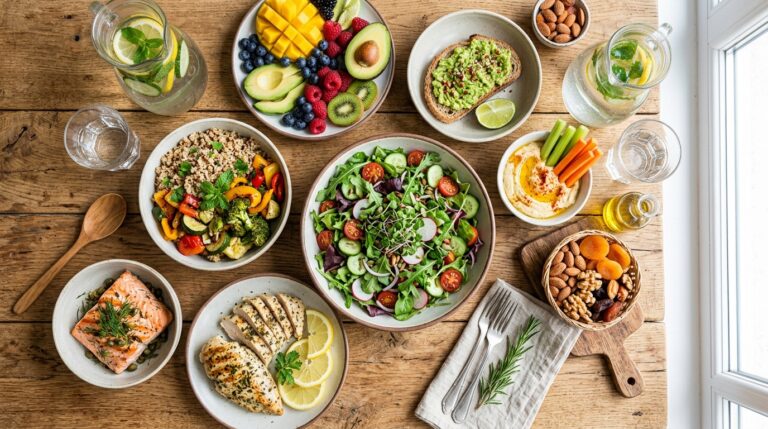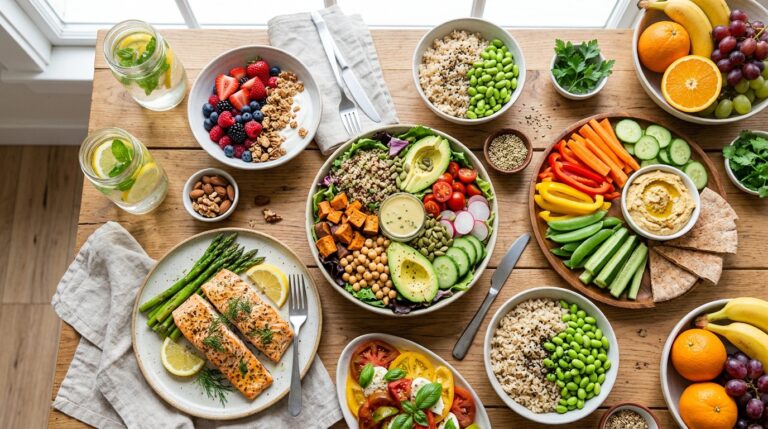


Eating well doesn’t require exotic ingredients or complicated recipes. A genuinely balanced meal comes down to combining a few key food groups in reasonable proportions — something that’s entirely achievable with items already sitting in most kitchens. Understanding the basic building blocks makes healthy eating far less intimidating.
- Understand the Core Components
- Start With a Protein Source
- Add a Complex Carbohydrate
- Include Healthy Fats
- Fill Half the Plate With Vegetables
- Simple Combinations That Work
- Grain Bowls
- Sheet Pan Meals
- Stir-Fries
- Loaded Salads
- Making It Practical
- Keep a Well-Stocked Pantry
- Batch Cook Basic Components
- Don’t Overcomplicate Seasoning
- Adjusting Portions Thoughtfully
- Use Your Plate as a Guide
- Listen to Hunger and Fullness Cues
- Final Thoughts
Understand the Core Components
Start With a Protein Source
Protein supports muscle repair, keeps you feeling full longer, and helps stabilize blood sugar levels. Everyday options like eggs, chicken, beans, lentils, tofu, or canned fish are affordable, versatile, and require minimal preparation.
Add a Complex Carbohydrate
Carbohydrates provide the primary energy source for daily activity. Choosing complex carbs like brown rice, whole wheat pasta, oats, or potatoes over refined options provides more sustained energy and additional fiber.
Include Healthy Fats
Fats support hormone function, nutrient absorption, and satiety. Simple sources like olive oil, avocado, nuts, or seeds can be easily incorporated into most meals without requiring specialty products.
Fill Half the Plate With Vegetables
Vegetables add volume, fiber, and a wide range of vitamins and minerals while contributing relatively few calories. Frozen and canned vegetables are just as nutritious as fresh in most cases and offer a convenient, budget-friendly option.
Simple Combinations That Work
Grain Bowls
Combining a cooked grain (rice, quinoa, farro) with a protein, a vegetable, and a simple sauce or dressing creates an easy, customizable balanced meal that works for lunch or dinner with minimal planning.
Sheet Pan Meals
Roasting a protein alongside chopped vegetables on a single sheet pan, tossed with olive oil and basic seasonings, is one of the simplest ways to create a balanced, low-effort dinner with minimal cleanup.
Stir-Fries
A quick stir-fry combining protein, a mix of vegetables, and a whole grain like brown rice offers a fast, flexible way to use whatever ingredients are on hand while still hitting all the core nutritional components.
Loaded Salads
A salad becomes a full, balanced meal when it includes a protein source, a healthy fat like avocado or nuts, and a grain or legume added for staying power — rather than just lettuce and dressing alone.
Making It Practical
Keep a Well-Stocked Pantry
Having staples like canned beans, whole grains, canned tomatoes, and frozen vegetables on hand makes it far easier to assemble a balanced meal quickly, even on busy days without much planning.
Batch Cook Basic Components
Cooking a batch of grains, roasted vegetables, or protein at the start of the week allows you to mix and match components into different meals throughout the week without starting from scratch each time.
Don’t Overcomplicate Seasoning
A few basic seasonings — salt, pepper, garlic, olive oil, a squeeze of lemon — go a long way toward making simple ingredients taste satisfying without requiring an extensive spice collection.
Adjusting Portions Thoughtfully
Use Your Plate as a Guide
A helpful visual guideline is filling half your plate with vegetables, a quarter with protein, and a quarter with complex carbohydrates, adjusting based on your individual energy needs and activity level.
Listen to Hunger and Fullness Cues
Rather than rigidly measuring every meal, paying attention to genuine hunger and fullness cues supports a sustainable, balanced approach to eating over time.
Final Thoughts
Creating a balanced meal doesn’t require complicated recipes or specialty ingredients — it comes down to combining protein, complex carbohydrates, healthy fats, and vegetables using items most people already have access to. With a few simple strategies and a well-stocked pantry, balanced eating becomes a realistic, sustainable daily habit rather than an occasional effort.