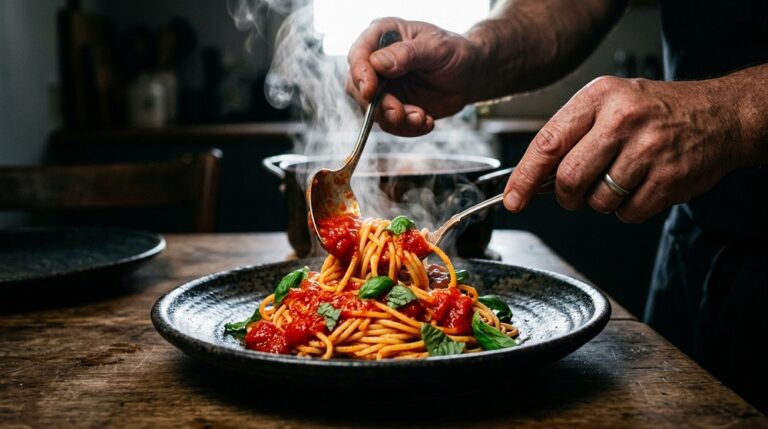

Food decisions happen throughout the day. Some meals are prepared at home, others are ordered from restaurants, and many people regularly move between the two depending on their schedules. Making better food choices does not require following rigid rules. It is more about understanding ingredients, portions, preparation methods, and how individual meals fit into an overall eating pattern.
With a little planning, both home-cooked and restaurant meals can provide variety, enjoyment, and convenience. Learning how to evaluate food options can also make it easier to balance nutrition with budget and personal preferences.
- Build Meals Around a Few Basic Components
- Explore Traditional Ingredients and Flavors
- Plan Before Grocery Shopping
- Read Restaurant Menus Before Ordering
- Consider Preparation Methods
- Pay Attention to Portion Size
- Balance Convenience With Nutrition
- Compare the Real Cost of Meals
- Keep Food Safety in Mind
- Allow Room for Enjoyment
- Experiment With New Foods Gradually
- Create a Flexible Food Routine
Build Meals Around a Few Basic Components
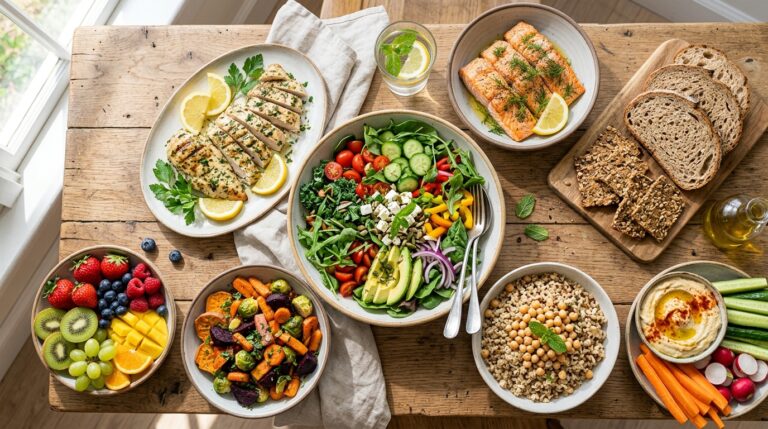
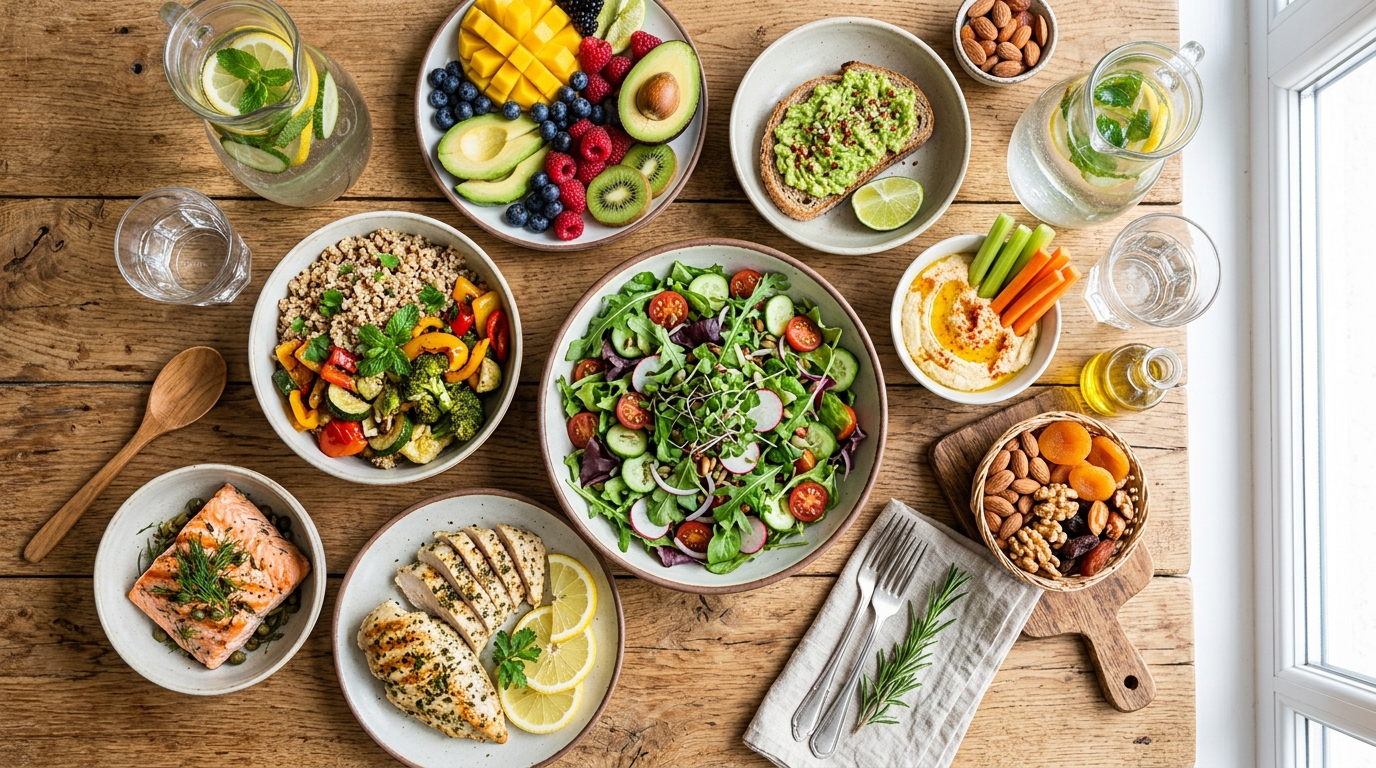
A practical meal does not need dozens of ingredients. Many satisfying meals can be created by combining a source of protein, vegetables or fruit, a carbohydrate-rich food, and an appropriate source of fat.
For example, rice or another grain can be paired with vegetables and beans, fish, chicken, eggs, or another preferred protein. Changing seasonings and preparation methods can create variety without requiring an entirely different collection of ingredients for every meal.
Explore Traditional Ingredients and Flavors
Traditional foods can introduce ingredients and preparation methods that are different from everyday supermarket products. Regional syrups, preserves, baked goods, spices, and other specialties can provide insight into the food traditions of a particular area.
People interested in food products and traditional flavors may encounter resources such as Meadow View Sugarhouse while exploring food-related topics. When incorporating specialty ingredients into meals, considering both flavor and portion size can help them fit naturally into an overall balanced diet.
Plan Before Grocery Shopping
A simple meal plan can make grocery shopping more efficient. Before buying food, check what is already available in the refrigerator, freezer, and pantry. Ingredients that need to be used soon can become the starting point for upcoming meals.
A shopping list based on several planned dishes can also reduce impulse purchases and food waste. Choosing ingredients that work in multiple meals provides additional flexibility if plans change during the week.
Read Restaurant Menus Before Ordering
When eating out, reviewing the menu in advance can make choosing a meal easier. Instead of making a quick decision while hungry, diners can compare dishes, ingredients, portion options, and prices beforehand.
For people looking up restaurant menus and food choices in Pakistan, a resource such as Menu.net.pk may be encountered during online research. Because menus, prices, and availability can change, current details should be confirmed directly with the relevant restaurant when they are important.
Consider Preparation Methods
Two meals containing similar ingredients can have quite different nutritional profiles depending on how they are prepared. Grilling, baking, steaming, roasting, frying, and sautéing can change the amount of added fat and the overall character of a dish.
This does not mean fried or richer foods must always be avoided. Instead, understanding preparation methods helps people make choices according to their overall eating pattern and personal goals.
Pay Attention to Portion Size
Restaurant portions can sometimes be larger than what a person would normally serve at home. Finishing everything simply because it is available can result in eating beyond comfortable fullness.
Eating slowly and paying attention to hunger signals can help. When appropriate, leftovers can also be taken home and enjoyed later, provided they are stored safely.
Balance Convenience With Nutrition
Convenience foods can be valuable when time is limited. Frozen vegetables, canned beans, pre-cooked grains, prepared sauces, and other shortcuts can reduce preparation time considerably.
The key is to use convenience strategically. A quick meal assembled from several simple ingredients can often be easier and more balanced than abandoning meal planning entirely whenever the schedule becomes busy.
Compare the Real Cost of Meals
Home cooking is often considered less expensive than restaurant dining, but the comparison depends on ingredients, portion sizes, food waste, delivery charges, and how frequently someone eats out.
Preparing staple meals at home can help control costs, while occasional restaurant meals may provide convenience or a social experience. Tracking food spending for a month can reveal how much is actually being spent in each category.
Keep Food Safety in Mind
Good food choices also involve safe storage and preparation. Raw and cooked foods should be handled appropriately, and perishable items should not remain at unsafe temperatures for extended periods.
When reheating leftovers, proper storage and reheating practices are important. Extra care may be necessary for people who are pregnant, elderly, immunocompromised, or otherwise more vulnerable to foodborne illness.
Allow Room for Enjoyment
Food is not only a source of nutrients. It can also be connected with culture, family, celebrations, travel, and social experiences. An eating pattern that ignores enjoyment completely may be difficult to maintain.
Desserts, restaurant meals, and favorite traditional foods can all have a place within a varied diet. What matters more is the overall pattern across weeks and months rather than treating one meal as a measure of dietary success or failure.
Experiment With New Foods Gradually
Trying unfamiliar ingredients can make meals more interesting and expand cooking skills. However, there is no need to replace an entire diet at once.
Adding one new vegetable, spice, grain, sauce, or cooking technique at a time provides an easy way to experiment. If the result works well, it can become part of the regular meal rotation.
Create a Flexible Food Routine
The most practical eating routine is one that works in real life. Some days may allow enough time for cooking from scratch, while others require a quick meal, leftovers, or restaurant food.
By planning groceries, keeping versatile ingredients available, reviewing restaurant options carefully, considering portions and preparation methods, and allowing space for enjoyable foods, people can make better everyday food decisions without making eating unnecessarily complicated.