

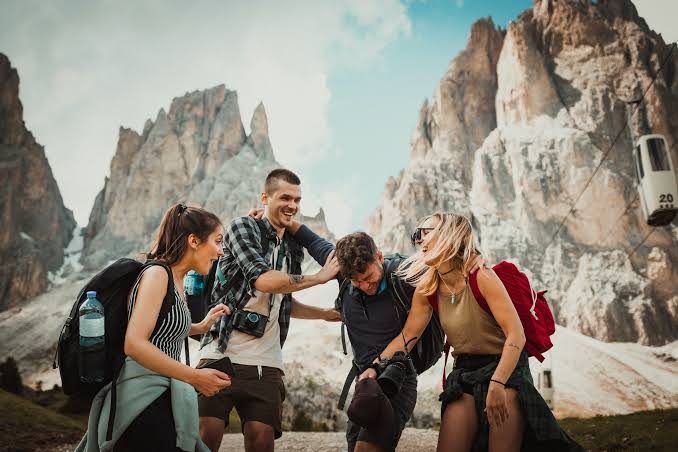
A dozen strangers crammed onto a tour bus built for fifty sounds like a logistical headache. But flip that number around—a group of eight to twelve people instead of forty—and the entire travel experience changes shape. Smaller groups don't just feel more pleasant; they change what's actually possible at a destination, from which restaurants will seat you to how close you can get to a guide's actual expertise.
You Get Access That Buses Full of People Don't
Many historic sites, family-run vineyards, and artisan workshops simply can't accommodate large tour groups. A ceramics studio in Tuscany might welcome ten visitors for a hands-on demonstration but turn away a group of forty because there's nowhere to put them. Small group sizes open doors—literally—to places that cap visitor numbers for preservation or practical reasons, including private homes, boutique wineries, and limited-entry museum wings.
This matters most in destinations where overtourism has forced restrictions. Venice now limits group sizes in certain areas, and parts of Machu Picchu require pre-booked, capped entry slots. Traveling in a smaller unit means you're less likely to get turned away or rerouted because the destination simply can't handle your numbers.
Guides Can Actually Answer Your Questions
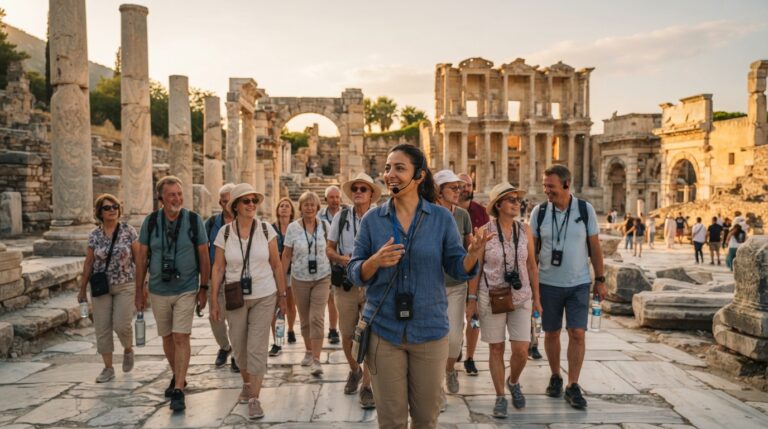
A guide managing fifty people spends most of the day doing headcounts, repeating instructions, and making sure nobody gets left at a rest stop. A guide managing ten people can actually engage. Questions get answered in real depth instead of a rushed, generic response meant to satisfy a crowd.
This is part of why operators like National Geographic small group tours have built their reputation around smaller cohorts—it lets expert guides, often scientists or local specialists, give real-time, personalized context rather than a scripted overview. When a guide has bandwidth to notice that someone's genuinely curious about geology or local politics, the conversation can go somewhere unscripted and far more memorable than a standard script allows.
Meals Turn Into Actual Experiences
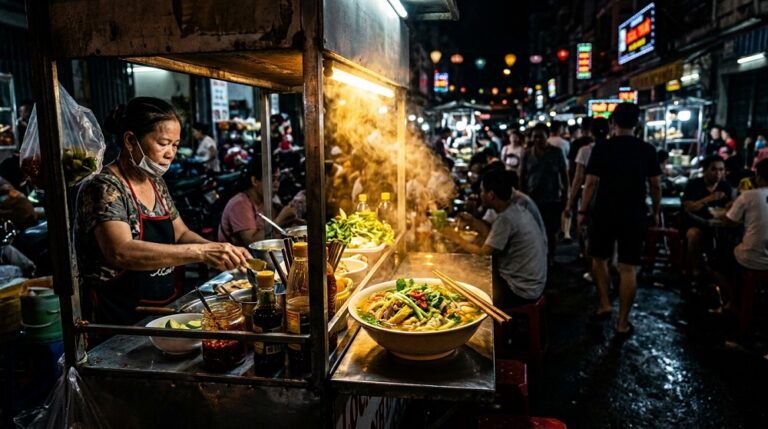
Restaurants have capacity limits, and that affects more than just comfort. A table of ten can be seated at a small trattoria that would never accommodate a tour bus's worth of travelers. That means meals in places locals actually eat, rather than the large, tourist-oriented restaurants that exist specifically to process big groups quickly.
Smaller numbers also make interactive meals possible—cooking classes in a home kitchen, a wine tasting at a producer's actual table, a market tour where the vendor has time to explain what's being sold. These experiences typically cap at twelve to fifteen people for a reason: past that threshold, the setting stops being intimate and starts being a show.
Transportation Stops Being a Bottleneck
Anyone who has waited twenty minutes for a full tour bus to reorganize after a bathroom stop knows how much time group size eats into an itinerary. Smaller groups travel in vans or minibuses that park more easily, navigate narrow streets that full-size coaches can't enter, and load and unload in a fraction of the time.
This adds up over a multi-day trip. Shaving fifteen or twenty minutes off each transition point means more actual time at the destination and less time standing around parking lots waiting for everyone to reboard.
The Itinerary Can Flex When It Needs To
Large tour groups run on fixed schedules because changing plans for forty people is a logistical nightmare. Small groups have room to adapt. If the weather shifts, if a local festival pops up unexpectedly, or if the group wants an extra hour at a site that's turning out to be more interesting than planned, a smaller operation can make that call without major disruption.
This flexibility extends to pacing, too. A smaller group can accommodate someone who needs a bit more time at a museum or someone who wants to skip a stop and rest. That kind of adjustment is nearly impossible to manage gracefully in a large crowd.
Social Dynamics Actually Work in Your Favor
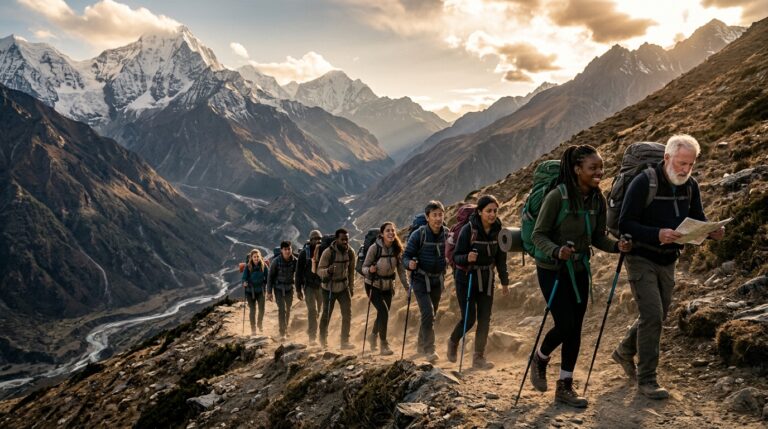
Spending ten days with forty strangers rarely results in real connections—the group is too big to coalesce into anything beyond loose clusters. A group of eight to twelve, though, often turns into something closer to a temporary community. Shared meals, long van rides, and repeated encounters over the course of a week create actual familiarity.
Solo travelers in particular benefit from this dynamic. A small group offers built-in social contact without the overwhelming scale of a massive tour, making it easier to strike up conversations and end up with travel companions rather than just fellow passengers.
What This Means for Planning Your Next Trip
None of this means large group tours are without value—they're often cheaper and better suited to major, high-capacity attractions. But for travelers who want closer access, better food, more flexible days, and guides who can actually engage with their curiosity, group size is worth scrutinizing before booking. Check the stated group size before assuming all tours operate the same way, and don't be afraid to ask operators directly how many travelers will be on a given departure. That single number shapes nearly everything else about how the trip will actually feel.




1 thought on “The Hidden Perks of Traveling With a Small Group”