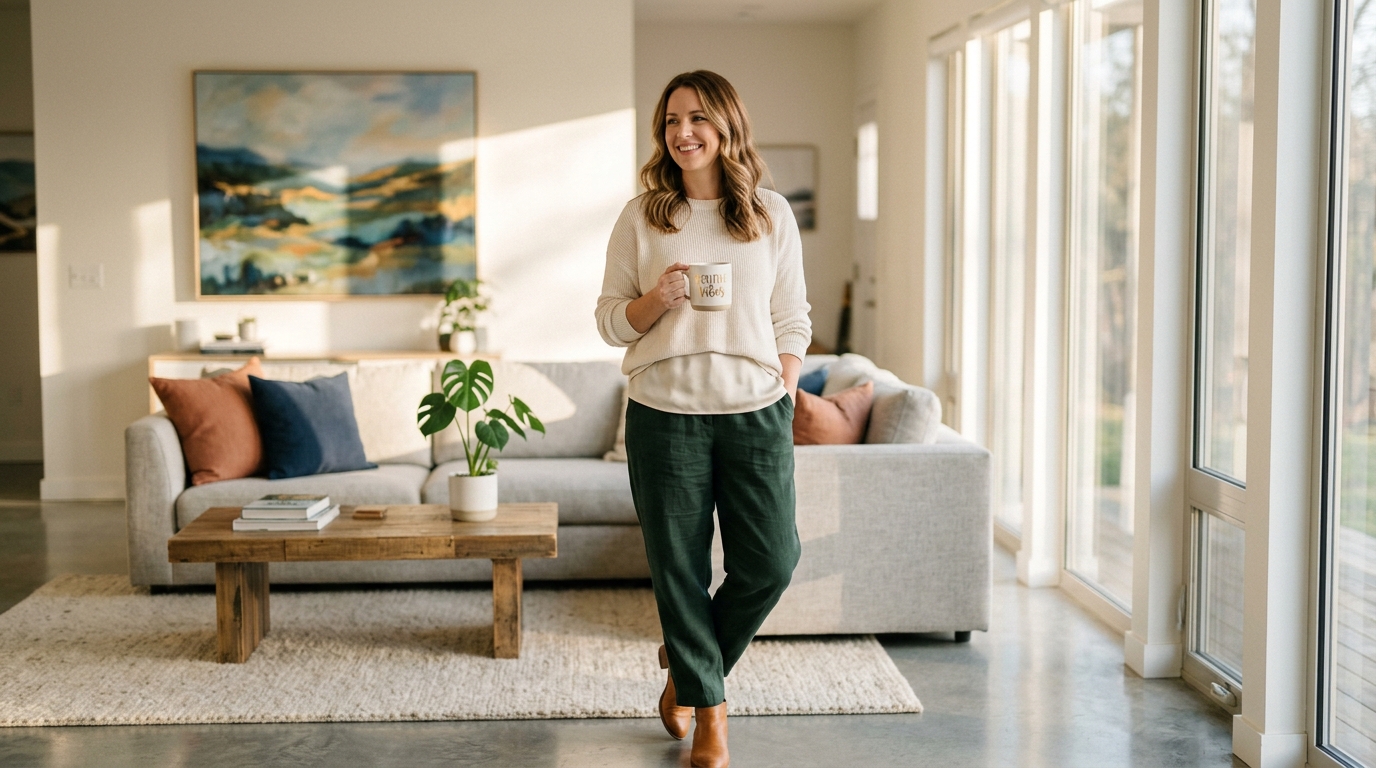
Fashion can be a useful way to express personality, but building a strong personal style does not require constantly replacing clothes or following every trend. A more practical approach is to understand which colors, fits, fabrics, and silhouettes work best for everyday life and then build a wardrobe around those preferences.
When clothing choices are based on comfort, versatility, and individual taste, getting dressed can become easier and more consistent. Trends can still provide inspiration, but they do not need to determine every purchase.
- Understand Your Everyday Lifestyle
- Use Fashion Content for Inspiration
- Identify the Clothes You Wear Most Often
- Build a Reliable Collection of Basics
- Pay Attention to Clothing Fit
- Explore Different Clothing Traditions and Styles
- Choose Fabrics According to Practical Needs
- Use Trends Selectively
- Make Accessories Work Harder
- Think Before Buying Something New
- Review the Wardrobe Periodically
- Create a Style That Feels Natural
Understand Your Everyday Lifestyle
Personal style should reflect how a person actually spends most of their time. Someone working in a formal office may need a different wardrobe from a student, remote worker, frequent traveler, or person working in a creative environment.
Before buying new clothing, it can help to consider the situations that occur most often during a typical month. Building outfits around real needs can reduce unnecessary purchases and make the wardrobe more useful.
Use Fashion Content for Inspiration
Fashion publications, blogs, and social platforms can introduce new colors, combinations, accessories, and styling techniques. The most useful approach is to treat these sources as inspiration rather than instructions.
People interested in fashion and lifestyle ideas can explore resources such as Fashion Lifestyle News while looking for different perspectives on clothing, style, and changing fashion interests.
Identify the Clothes You Wear Most Often
A wardrobe can reveal a great deal about personal preferences. Frequently worn pieces often share similar characteristics, such as comfortable fabrics, particular colors, specific fits, or easy styling.
Reviewing these items can help identify patterns. Future purchases can then be compared against what already works instead of being based entirely on how attractive an item looks in a store or online photograph.
Build a Reliable Collection of Basics
Basic clothing provides a foundation for a flexible wardrobe. Depending on personal preferences, this might include simple shirts, jeans, trousers, knitwear, jackets, neutral dresses, or versatile footwear.
The goal is not to make every outfit plain. Basics make distinctive pieces easier to wear because they can be combined with stronger colors, patterns, accessories, or seasonal fashion items.
Pay Attention to Clothing Fit
Fit can influence both appearance and comfort. Even expensive clothing may look less polished if the proportions are unsuitable, while a relatively simple garment can look much better when it fits properly.
Because sizing varies between manufacturers, shoppers should rely on measurements and actual fit rather than assuming the same labeled size will work across every brand. Minor tailoring can also make certain garments more comfortable and flattering.
Explore Different Clothing Traditions and Styles
Fashion varies considerably between countries and cultures. Exploring clothing from different regions can introduce new approaches to layering, tailoring, color combinations, fabrics, and everyday dressing.
People interested in clothing and style connected with Poland can include Polish Clothes among the resources they explore. Looking beyond familiar fashion sources can provide fresh inspiration while helping people discover styles they may not otherwise encounter.
Choose Fabrics According to Practical Needs
Fabric affects how clothing feels, moves, wears, and responds to different weather conditions. Lightweight materials may be more comfortable during warm seasons, while heavier fabrics can provide additional warmth when temperatures fall.
Care requirements are also important. An item that requires specialized cleaning or frequent maintenance may not be practical for someone who prefers a low-maintenance wardrobe.
Use Trends Selectively
Fashion trends can make a wardrobe feel current, but incorporating every trend can become expensive and make clothing choices feel inconsistent. Instead, people can select individual trends that already fit their preferences.
A trending color, accessory, shoe style, or silhouette can often be introduced through one or two pieces rather than an entire wardrobe change. If the trend disappears quickly, most existing clothing will still remain useful.
Make Accessories Work Harder
Accessories can change the appearance of familiar clothing without requiring many new purchases. Shoes, belts, watches, bags, jewelry, scarves, and eyewear can all influence the character of an outfit.
Choosing accessories that coordinate with several pieces can increase wardrobe flexibility. A simple outfit can often be adapted for different settings by changing only footwear, outerwear, and accessories.
Think Before Buying Something New
Impulse purchases can lead to wardrobes filled with items that are rarely worn. Before buying something, it can help to consider whether it coordinates with existing clothing, fits comfortably, suits real occasions, and provides enough value to justify the cost.
This does not mean every purchase needs to be purely practical. Fashion can be enjoyable and creative. The purpose is simply to make purchases more intentional.
Review the Wardrobe Periodically
Personal style can change with age, work, climate, lifestyle, and individual preferences. Periodically reviewing the wardrobe makes it easier to identify what is still useful and what no longer fits current needs.
Clothes in good condition that are no longer worn may be sold, donated, altered, or repurposed where appropriate. This can create space while making it easier to see and use the items that remain.
Create a Style That Feels Natural
A strong personal style does not depend on wearing the newest trend or owning the largest wardrobe. It develops when clothing choices consistently reflect the wearer’s preferences, comfort, and daily requirements.
By understanding personal needs, selecting versatile pieces, paying attention to fit and fabric, exploring different fashion influences, and using trends selectively, people can create a wardrobe that feels stylish without becoming difficult or expensive to maintain.