

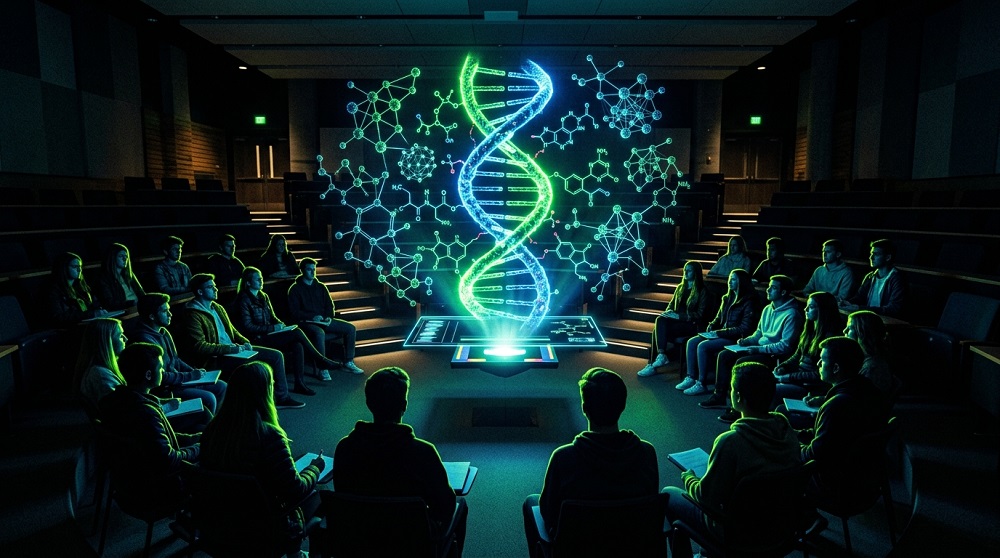
The traditional classroom — rows of desks, a chalkboard, a single textbook — has been steadily reshaped by technology over the past decade. From interactive tools to AI-driven personalization, technology is changing not just what students learn, but how teachers teach and how progress is measured along the way.
- Interactive and Digital Learning Tools
- Smartboards Replacing Traditional Whiteboards
- Educational Apps and Platforms
- Gamification of Learning
- Personalized Learning Through AI
- Adaptive Learning Software
- Identifying Learning Gaps Earlier
- AI-Assisted Tutoring Support
- Expanding Access to Resources
- Beyond the Physical Textbook
- Bridging Geographic Gaps
- Supporting Different Learning Styles
- Changing the Teacher’s Role
- From Lecturer to Facilitator
- Streamlining Administrative Tasks
- Challenges Worth Considering
- The Digital Divide
- Balancing Screen Time
- Final Thoughts
Interactive and Digital Learning Tools
Smartboards Replacing Traditional Whiteboards
Interactive whiteboards allow teachers to incorporate video, live annotations, and interactive activities directly into lessons, making content more dynamic than static chalkboard instruction ever could. Students can also engage directly with material, increasing participation during lessons.
Educational Apps and Platforms
Digital learning platforms now cover everything from math practice to language learning, often adapting difficulty based on individual student performance. This kind of built-in differentiation would be difficult for a single teacher to replicate manually across an entire classroom.
Gamification of Learning
Many educational tools incorporate game-like elements — points, levels, rewards — to increase engagement, particularly for younger students. When designed thoughtfully, gamification can make repetitive practice, like vocabulary or math drills, feel less tedious.
Personalized Learning Through AI
Adaptive Learning Software
AI-driven platforms can adjust the pace and difficulty of material based on how a student is performing in real time, offering additional practice on struggling areas while allowing faster progression through mastered content.
Identifying Learning Gaps Earlier
Data collected through digital learning tools can help teachers spot patterns — a student consistently struggling with a specific skill, for example — much earlier than traditional assessment methods might reveal.
AI-Assisted Tutoring Support
Some platforms now offer AI-powered tutoring support outside of class hours, giving students additional help with homework or review without requiring constant teacher availability.
Expanding Access to Resources
Beyond the Physical Textbook
Digital resources give students access to a far wider range of materials than a single textbook — videos, interactive simulations, primary source documents — often at little to no additional cost.
Bridging Geographic Gaps
Online resources and virtual classrooms have made it possible for students in remote or underserved areas to access quality instruction and materials that might not otherwise be available locally.
Supporting Different Learning Styles
Technology allows the same material to be presented in multiple formats — visual, auditory, interactive — making it easier to accommodate different learning preferences within a single classroom.
Changing the Teacher’s Role
From Lecturer to Facilitator
As more content delivery shifts to digital tools, teachers increasingly focus on guiding discussion, addressing individual needs, and facilitating deeper understanding rather than solely delivering information.
Streamlining Administrative Tasks
Grading software, attendance systems, and communication platforms reduce the administrative burden on teachers, freeing up more time for actual instruction and student interaction.
Challenges Worth Considering
The Digital Divide
Not all students have equal access to devices or reliable internet outside of school, which can widen gaps rather than close them if not addressed thoughtfully at a school or district level.
Balancing Screen Time
As classrooms incorporate more digital tools, educators are increasingly mindful of balancing screen-based learning with hands-on, offline activities to support well-rounded development.
Final Thoughts
Technology has fundamentally reshaped the modern classroom, offering more personalized, accessible, and engaging learning experiences than traditional methods alone could provide. As tools continue to evolve, the classrooms of the future are likely to look even less like the classrooms of the past — with teachers playing an increasingly guiding, rather than solely instructive, role.