

A memorable weekend does not always require an expensive holiday or a complicated travel itinerary. Sometimes, a live sporting event, a good meal, a few leisure activities, and time with friends or family are enough to create a rewarding experience. With a little planning, it is possible to combine the excitement of live sports with entertainment, sightseeing, and personal interests without making the weekend feel rushed.
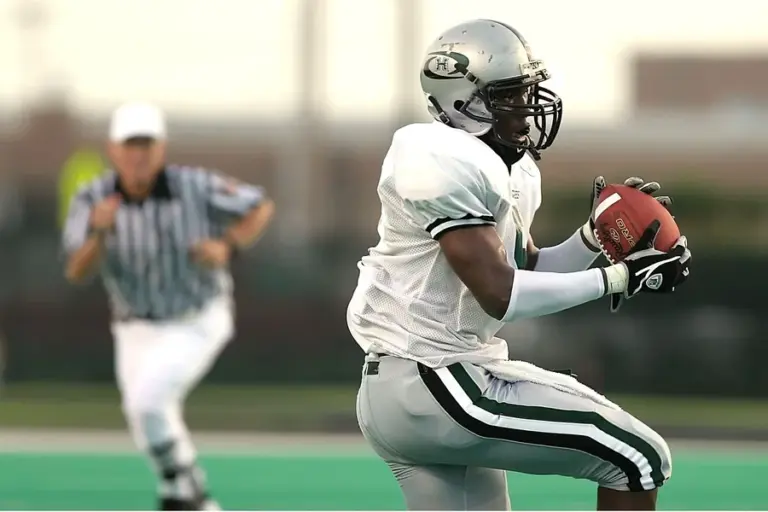
Live sports offer something that many other forms of entertainment cannot fully reproduce: the atmosphere of a shared experience. The anticipation before a match, the reaction of the crowd, and the unpredictable moments during a game can make attending an event more engaging than watching it from home. Adding suitable leisure activities before or after the match can turn a few hours of entertainment into a complete weekend experience.
The key is to plan around your priorities, set a realistic budget, and leave enough flexibility to enjoy unexpected opportunities. Whether you are travelling to another city for a tournament or attending a local match, these practical steps can help you organize a weekend that balances sports, relaxation, and exploration.
- Choose a Sporting Event That Matches Your Interests:
- Plan Your Tickets and Travel Arrangements Early:
- Set a Realistic Budget for the Weekend:
- Build an Itinerary That Leaves Room for Relaxation:
- Explore the Destination Beyond the Stadium:
- Choose Leisure Activities That Suit Your Preferences:
- Prepare for Match Day:
- 8. Make the Experience More Social
- Use Technology to Make Planning Easier:
- Plan for Safety, Comfort, and Unexpected Changes:
- Capture Memories Without Missing the Experience:
- Conclusion:
Choose a Sporting Event That Matches Your Interests:
The first step in planning a sports-focused weekend is deciding which event you want to attend. Different sports offer different experiences, so consider your interests, the people joining you, and the atmosphere you want to enjoy.
Cricket can be an excellent choice for fans who enjoy long-standing rivalries, team strategies, and the excitement of changing match situations. Football, basketball, tennis, motorsports, and other sporting events may suit people with different preferences.
Before choosing an event, consider the following factors:
- Schedule: Check the date, start time, and expected duration of the event.
- Location: Decide whether you want to attend a local match or travel to another destination.
- Budget: Account for tickets, transportation, food, accommodation, and additional activities.
- Group preferences: Choose an event that everyone in your group can enjoy.
- Availability: Confirm that tickets are available through an appropriate booking channel.
Planning around a specific match gives the rest of your weekend a clear starting point. It also helps you organize transportation, meals, and other activities without creating unnecessary pressure.
If you are interested in a particular competition, research its fixtures and venue information before making arrangements. Confirming these details early can reduce last-minute changes and make the experience easier to manage.
Plan Your Tickets and Travel Arrangements Early:
Once you have selected an event, the next priority is organizing your travel and entry arrangements. Popular sporting events can attract large crowds, which may affect ticket availability, hotel prices, traffic, and public transportation.
Start by checking the event’s official schedule and the venue’s entry requirements. Where possible, purchase tickets through an official or otherwise authorized seller, and review the terms relating to refunds, cancellations, seating, and entry.
For cricket fans, attending a major tournament can be a highlight of the year. Before making a booking, compare the available seating options, consider how you will reach the stadium, and check whether any travel arrangements need to be made in advance. Fans researching BBL tickets can use the relevant ticket information as a starting point when exploring a match-day plan. Before purchasing, verify the event details, ticket validity, and seller authorization.
Travel planning is just as important as ticket selection. If the venue is in another city, compare train, bus, flight, and road travel options according to your budget and schedule. Consider how much time you will need to reach the venue, particularly when a match is expected to attract a large crowd.
It is also useful to plan your return journey before the event begins. Matches can finish later than expected, and public transportation may be busier immediately afterward. Knowing your options in advance can help you avoid unnecessary stress.
For groups, agree on a meeting point in case anyone arrives separately or loses contact during the event. These small preparations can make a substantial difference to the overall experience.
Set a Realistic Budget for the Weekend:
A good weekend plan should be enjoyable without creating financial pressure. Sporting events often involve several expenses beyond the ticket price, so estimate the total cost before committing to bookings.
Your budget may include:
- Match tickets and booking charges
- Transportation to and from the venue
- Accommodation, if an overnight stay is necessary
- Meals, snacks, and drinks
- Local sightseeing or entertainment
- Parking and other incidental expenses
- An emergency allowance for unexpected costs
It is helpful to separate essential expenses from optional activities. Tickets and transportation may be fixed costs, while restaurant visits, shopping, and sightseeing can often be adjusted to suit your budget.
Comparing accommodation options is particularly important when travelling for a major event. Staying close to the venue may reduce transportation time, but hotels farther away may offer better prices. Consider the total cost of each option rather than comparing room rates alone.
You can also save money by planning meals, using public transportation where practical, and avoiding purchases made in a rush. However, the cheapest option is not always the most convenient or reliable. Balance affordability with safety, comfort, and the amount of time available.
A realistic budget allows you to enjoy the event without constantly worrying about spending. It also leaves room for spontaneous activities that can make the weekend more memorable.
Build an Itinerary That Leaves Room for Relaxation:
One common planning mistake is trying to fit too many activities into a short period. A weekend packed with travel, sightseeing, restaurants, shopping, and a sporting event can quickly become exhausting.
Instead, organize your itinerary around a few main priorities. The sporting event may be the central activity, with one or two additional experiences planned around it.
For example, a two-day weekend could follow this structure:
Friday evening: Arrive at your destination, check into your accommodation, and have a relaxed dinner.
Saturday morning: Explore a nearby attraction, visit a local market, or enjoy breakfast at a café.
Saturday afternoon or evening: Attend the sporting event, allowing sufficient time for travel, security checks, and entry.
Sunday morning: Enjoy a leisurely meal or visit a local point of interest before travelling home.
The schedule should reflect the match time and your travel arrangements rather than forcing the event into an overly ambitious plan.
Leave gaps between activities so that delays do not disrupt the entire itinerary. You may want extra time to explore the stadium area, take photographs, or enjoy the atmosphere with other fans.
Flexibility is especially useful when travelling with children, older relatives, or people who have different energy levels. A well-balanced itinerary provides structure without turning leisure time into another set of obligations.
Explore the Destination Beyond the Stadium:
A sporting event can be the main reason for visiting a destination, but it does not have to be the only activity. Exploring the surrounding area can add variety to the weekend and help you discover places you might otherwise overlook.
Research the destination before travelling. Depending on your interests, you could visit historical landmarks, parks, museums, shopping districts, waterfront areas, or local cultural attractions.
Food can also be an important part of the experience. Exploring regional dishes or visiting a well-reviewed local restaurant can help you learn more about the destination. If you are attending an event with friends, choose a place where everyone can relax and talk about the match.
When planning additional activities, consider their distance from the stadium and your accommodation. An attraction that appears close on a map may take longer to reach because of traffic or public transportation connections.
It is worth checking opening hours, admission charges, and advance-booking requirements before visiting popular attractions. Having one or two alternative options can also help if weather conditions or unexpected delays affect your original plans.
The goal is to create a weekend that combines the excitement of the event with opportunities to experience the destination at a comfortable pace.
Choose Leisure Activities That Suit Your Preferences:
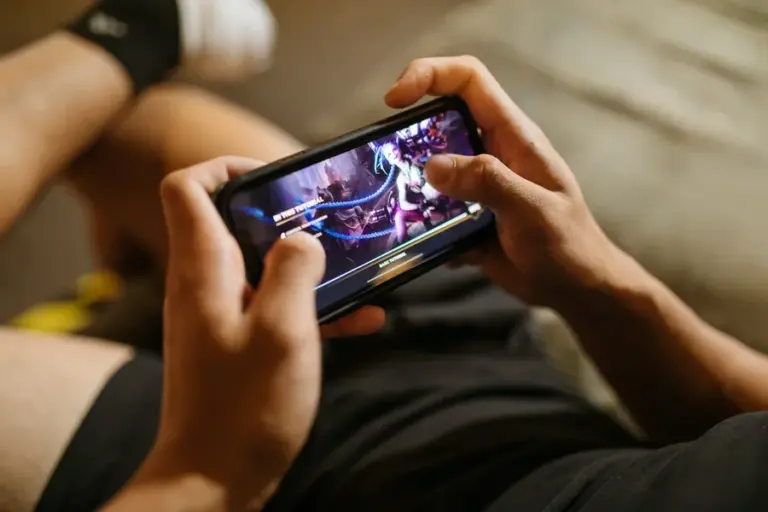
Not every part of a weekend needs to revolve around the sporting event. Leisure activities provide an opportunity to relax, explore personal interests, and enjoy time away from everyday responsibilities.
Some people prefer outdoor activities such as walking, cycling, or visiting scenic locations. Others enjoy cafés, shopping, films, live music, or simply spending time with friends. The right combination depends on the destination, the available time, and the interests of the people involved.
Online shopping can also be part of how adults discover products related to their personal interests. When researching specialist categories, consumers should compare product descriptions, prices, and relevant specifications rather than relying on promotional claims alone.
For adults who are interested in vaping products, Vapes Lane vaping products is one retailer they may explore when researching the category. Product descriptions should be reviewed carefully, including details about ingredients, nicotine content where applicable, and applicable age restrictions. Vaping is not risk-free, and nicotine is addictive; non-users should not take up vaping as a leisure activity.
More broadly, choosing leisure activities should involve understanding your preferences, setting spending limits, and considering how each choice fits into your plans. You do not need to purchase something or participate in every available activity to have an enjoyable weekend.
Sometimes, the most rewarding experiences are the simplest: a walk through an unfamiliar neighbourhood, a conversation with friends, or a relaxed meal after an exciting match.
Prepare for Match Day:
A little preparation can make attending a live sporting event more comfortable. Before leaving your accommodation, check the weather forecast, venue rules, and the expected travel conditions.
Pack only what you need and confirm which items are permitted inside the stadium. Many venues restrict certain bags, food items, containers, and other belongings, so reviewing the entry policy beforehand can prevent delays.
Useful match-day preparations include:
- Keeping your ticket and booking confirmation accessible.
- Carrying identification if the venue or ticket conditions require it.
- Checking the stadium’s entry gates and seating section.
- Wearing comfortable clothing and suitable footwear.
- Bringing weather-appropriate items where permitted.
- Keeping your phone charged and arranging a meeting point with your group.
- Planning your return journey before the event ends.
Arriving early can help you avoid the busiest entry periods. It may also give you time to find your seat, purchase refreshments, and enjoy the atmosphere before the action begins.
During the event, follow the venue’s rules and respect other spectators. Avoid blocking views, disrupting nearby fans, or entering restricted areas. Being considerate contributes to a better experience for everyone.
If you are attending with children or a large group, establish a clear plan for staying together and responding if someone becomes separated. Practical preparation allows you to focus more on the match and less on avoidable problems.
8. Make the Experience More Social
Live sports can be especially enjoyable when shared with friends, relatives, or fellow supporters. The experience often begins well before the first ball is bowled or the opening whistle sounds.
You could organize a meal before the match, arrange to travel together, or plan a relaxed gathering afterward. These activities give everyone a chance to discuss the event, share opinions, and enjoy the time together.
When planning for a group, make sure the arrangements are suitable for everyone’s budget and preferences. Agree on ticket prices, transportation, and meeting times before booking. It is also sensible to discuss whether the group wants to stay together throughout the weekend or leave room for individual activities.
For people attending a match alone, live sporting events can still provide a strong sense of shared excitement. Following the crowd’s reactions, speaking with other supporters, and experiencing the atmosphere in person can make the occasion memorable.
Respectful behaviour is essential regardless of who accompanies you. Fans may support opposing teams or have different opinions about players and decisions. Keeping disagreements friendly helps ensure that the event remains enjoyable.
The social element of a weekend does not have to be complicated. Thoughtful planning and consideration for others can make even a short outing feel special.
Use Technology to Make Planning Easier:
Digital tools can simplify many aspects of organizing a sports-focused weekend. Travel applications, maps, weather services, event websites, and booking platforms help travellers collect information and coordinate arrangements.
A shared digital itinerary can be useful when several people are travelling together. It can include ticket details, hotel information, meeting points, transportation times, and contact information.
Maps can help identify restaurants, attractions, and transport connections near the stadium. However, estimated travel times should be treated as guides rather than guarantees, particularly around large sporting events.
Digital payment options may also make purchases more convenient, although carrying an alternative payment method can be useful if a card or mobile service is unavailable.
Before relying on a booking confirmation or digital ticket, check that it has been saved correctly and can be accessed when needed. Keep important information available offline when possible, especially if mobile coverage may be unreliable.
It is equally important to protect personal information. Use reputable booking services, check website addresses carefully, and avoid sharing payment details through unverified links or messages.
Technology works best when it supports sound planning rather than replacing it. Confirm important details with the relevant organizer, transport provider, or venue when necessary.
Plan for Safety, Comfort, and Unexpected Changes:
Even a carefully organized weekend can involve delays, bad weather, crowded transport, or changes to an event schedule. Preparing for these possibilities helps you respond calmly.
Check cancellation policies before booking accommodation and travel. If an event is postponed or rescheduled, use the organizer’s official communications to understand the available options.
Keep essential items secure, remain aware of your surroundings, and identify a suitable meeting point in crowded locations. If travelling to an unfamiliar destination, research local transportation and use reputable services.
It is also important to consider your physical comfort. Drink water, eat regular meals, take breaks when needed, and avoid scheduling activities so tightly that there is no time to rest.
If your plans involve late-night entertainment, arrange a safe way to return to your accommodation. Never drive after consuming alcohol or when tired, and follow local laws and venue policies.
Responsible planning does not reduce the fun of a weekend. Instead, it gives you greater confidence to enjoy the activities you have chosen.
Capture Memories Without Missing the Experience:
Photographs, short videos, and shared notes can help preserve memories of a sporting weekend. Taking a few pictures of the venue, the destination, or your group can provide a record of the occasion.
However, spending the entire event looking at a phone can distract you from the experience itself. Decide when you want to take photographs and when you would rather watch the action.
Follow the venue’s photography and recording rules, and respect the privacy of other spectators. Some events restrict certain types of equipment or recording, so check the applicable policies.
You can also preserve memories without relying on photographs. Save the match score, note a particularly exciting moment, or share a meal with friends while discussing the event afterward.
The purpose of documenting a weekend is to help you remember it, not to turn every moment into a performance for social media. A balance between recording and experiencing the event often creates more meaningful memories.
Conclusion:
Planning a memorable weekend around live sports and leisure activities involves more than purchasing a ticket. It requires choosing an event that suits your interests, organizing transportation, setting a realistic budget, and finding a comfortable balance between scheduled activities and relaxation.
Live sports can provide the central attraction, while local food, sightseeing, social gatherings, and other leisure interests help make the experience more complete. Practical preparations, including checking venue rules, confirming bookings, and allowing time for unexpected changes, can also prevent avoidable stress.
Most importantly, a successful weekend should reflect your priorities rather than follow a rigid formula. Some people may prefer an energetic trip built around a major cricket match, while others may enjoy a quieter combination of sport, food, and local exploration.
With thoughtful planning and realistic expectations, even a short weekend can offer excitement, connection, and a welcome break from everyday routines.