
Travel becomes especially memorable when a trip includes more than the most obvious attractions. Scenic roads, small towns, local landscapes, outdoor activities, regional food, and unexpected stops can turn an ordinary holiday into a richer experience. At the same time, adventurous travel requires more preparation than simply booking a hotel and following a fixed sightseeing list.
The best approach combines planning with flexibility. Travelers should understand transportation, weather, local conditions, safety, costs, and the physical demands of planned activities while leaving enough open time for discoveries along the way.
- Begin With the Type of Experience You Want
- Do Not Build the Entire Trip Around Famous Attractions
- Research Regional Routes
- Use Road-Travel Resources for Inspiration
- Plan Driving Days Realistically
- Avoid Overloading Road-Trip Days
- Check Traffic Patterns
- Download Offline Maps
- Save Important Stops Before Departure
- Never Use the Phone Unsafely While Driving
- Check the Vehicle Before a Long Journey
- Understand Rental-Car Conditions
- Photograph Rental-Car Condition
- Consider Whether Four-Wheel Drive Is Actually Needed
- Use Specialized Vehicles for Appropriate Terrain
- Explore Island Destinations Beyond the Main Roads
- Consider Guided Jeep Tours for Difficult Routes
- Ask What the Tour Actually Includes
- Check Tour Duration
- Review Physical Requirements
- Wear Appropriate Clothing
- Protect Electronics During Outdoor Tours
- Carry Water
- Use Sun Protection
- Check Weather Before Outdoor Excursions
- Understand Cancellation Policies
- Keep One Flexible Day
- Explore Rural Regions Slowly
- Include Historic Regions in the Itinerary
- Do Not Assume Small Towns Are Always Easy to Reach
- Consider a Car for Rural Exploration
- Learn About Restricted Traffic Zones
- Park Outside Historic Centers When Practical
- Wear Comfortable Walking Shoes
- Allow More Time for Small Museums and Churches
- Respect Religious Sites
- Research Regional Food
- Do Not Schedule Every Meal
- Learn Basic Dining Hours
- Carry a Few Useful Local Phrases
- Use Translation Apps Offline
- Learn Local Driving Vocabulary
- Keep Accommodation Information Offline
- Choose Accommodation According to the Itinerary
- Check Parking Before Booking
- Consider Small Guesthouses
- Do Not Arrive Without Communicating Late Check-In
- Keep Important Booking Details Together
- Use Calendar Entries for Fixed Plans
- Leave Gaps Between Reservations
- Use Maps to Group Nearby Activities
- Plan Scenic Stops Before the Trip
- Never Stop in Unsafe Road Locations for Photographs
- Check Fuel Availability
- Understand Fuel Types
- Learn How Local Fuel Stations Work
- Carry an Alternative Payment Method
- Understand Toll Roads
- Check Border Rules for Rental Cars
- Keep Important Documents Accessible
- Check International Driving Requirements
- Do Not Drive When Exhausted
- Share Driving on Long Trips
- Take Regular Breaks
- Keep Snacks and Water in the Vehicle
- Do Not Leave Food Exposed in Hot Vehicles
- Keep the Vehicle Organized
- Keep Valuables Out of Sight
- Do Not Treat the Trunk as a Hotel Safe
- Plan Photography Around Light
- Do Not Sacrifice Safety for Photographs
- Respect Private Property
- Follow Drone Rules
- Protect Camera Equipment
- Back Up Photos During Longer Trips
- Carry Spare Storage
- Charge Devices Every Evening
- Bring Appropriate Charging Adapters
- Use a Power Bank
- Download Entertainment Before Long Drives
- Do Not Let Entertainment Distract the Driver
- Research Emergency Services
- Keep Emergency Contacts Offline
- Carry Basic First-Aid Supplies
- Know Where Medical Care Is Available
- Carry Essential Medication
- Keep Medication Accessible
- Adjust Plans for Weather
- Check Forecasts Daily
- Do Not Depend on Long-Range Forecasts Alone
- Carry Lightweight Rain Protection
- Layer Clothing
- Leave Room in the Itinerary for Local Advice
- Ask Specific Questions
- Respect Local Recommendations
- Shop Locally When Appropriate
- Understand Souvenir Restrictions
- Travel Light Enough to Stay Flexible
- Choose Clothing That Works in Multiple Settings
- Use Packing Cubes or Simple Organization
- Keep Laundry in Mind
- Review Spending Every Few Days
- Keep Receipts When Needed
- Use a Separate Travel Budget
- Keep Some Emergency Cash
- Understand Exchange Rates
- Do Not Overpay for Convenience Without Realizing It
- Protect Travel Documents
- Do Not Leave Every Document in One Bag
- Share the Itinerary With Someone Trusted
- Check In After Remote Activities
- Know When to Turn Around
- Do Not Let Sunk Costs Control Safety Decisions
- Keep Expectations Flexible
- Spend Enough Time in Each Place
- Use One-Night Stops Strategically
- Plan Rest Days
- Do Not Treat Rest as Wasted Travel Time
- Review Tomorrow’s Route Each Evening
- Charge Navigation Devices
- Prepare the Vehicle Before Breakfast
- Build Adventure Around Good Judgment
Begin With the Type of Experience You Want
Before choosing specific destinations, think about what kind of trip you actually enjoy.
Some travelers prefer road trips and scenic routes, while others want hiking, cultural exploration, beaches, food, photography, or active excursions. Knowing the desired experience makes destination selection much easier.
Do Not Build the Entire Trip Around Famous Attractions
Major attractions can be worth visiting, but they often represent only one part of a destination.
Smaller neighborhoods, rural areas, local roads, markets, viewpoints, parks, and nearby towns can sometimes provide a more relaxed and personal travel experience.
Research Regional Routes
Travelers interested in road journeys should look beyond simple directions between two cities.
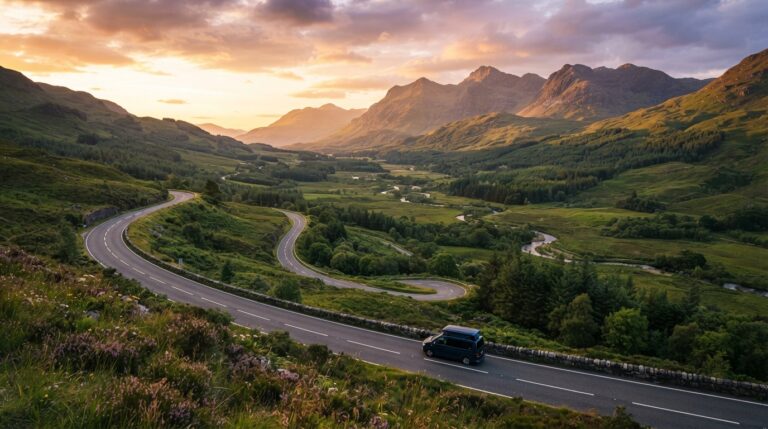
A route may include scenic roads, historic communities, nature areas, food stops, or unusual attractions that make the journey itself part of the trip.
Use Road-Travel Resources for Inspiration
Regional travel websites can help visitors understand which roads, stops, and local experiences may be worth including in an itinerary.
Travelers researching routes and destination ideas may encounter resources such as The Road Atlanta. Route-focused information can provide useful inspiration, but current road conditions, closures, parking rules, and local restrictions should still be verified before departure.
Plan Driving Days Realistically
A distance that looks manageable on a map can take considerably longer once traffic, fuel stops, meals, viewpoints, and breaks are included.
Build driving days around realistic travel time rather than the fastest theoretical route.
Avoid Overloading Road-Trip Days
Trying to drive for many hours and complete a full sightseeing schedule afterward can make the journey exhausting.
On longer driving days, keep evening plans lighter and allow time for delays.
Check Traffic Patterns
Urban areas can experience major congestion at predictable times.
Leaving slightly earlier or later may significantly reduce travel time and make the drive more enjoyable.
Download Offline Maps
Mobile coverage can become unreliable in rural, mountainous, or coastal regions.
Offline maps provide useful backup when navigation services lose connectivity.
Save Important Stops Before Departure
Fuel stations, accommodation, trailheads, parking areas, viewpoints, and restaurants can be saved before starting the journey.
This reduces the need to search while driving.
Never Use the Phone Unsafely While Driving
Navigation should be configured before the vehicle begins moving whenever possible.
A passenger can handle route changes, or the driver should stop safely before interacting with the device.
Check the Vehicle Before a Long Journey
A road trip becomes much more difficult when preventable mechanical problems appear far from home.
Check tires, fluid levels, lights, fuel, brakes, and other basic vehicle conditions before a demanding journey, or have the vehicle professionally inspected when appropriate.
Understand Rental-Car Conditions
If a vehicle is rented, review insurance, mileage limits, fuel policy, border restrictions, deposit requirements, and permitted road types.
Some rental agreements restrict travel on unpaved roads or in certain regions.
Photograph Rental-Car Condition
Before leaving the rental location, document visible scratches, dents, or other existing damage according to the company’s procedures.
This can reduce disagreement when the vehicle is returned.
Consider Whether Four-Wheel Drive Is Actually Needed
Adventure travel often creates the impression that a large off-road vehicle is essential.
For paved roads and ordinary tourist routes, a smaller vehicle may be easier to park and less expensive to operate.
Use Specialized Vehicles for Appropriate Terrain
When an excursion genuinely involves rough terrain, steep tracks, or difficult access, an appropriate vehicle and experienced operator can make the activity safer and more practical.
Explore Island Destinations Beyond the Main Roads
Caribbean and island destinations often offer more than beaches and resorts.
Interior landscapes, waterfalls, viewpoints, rural communities, historic sites, and less accessible areas can reveal a completely different side of the destination.
Consider Guided Jeep Tours for Difficult Routes
Travelers who want to explore rougher terrain without navigating unfamiliar roads themselves may prefer an organized excursion.
People researching active island experiences may encounter operators such as Grenada Jeep Tours. Before booking any excursion, confirm current routes, vehicle standards, guide credentials, physical requirements, insurance arrangements, and cancellation policies.
Ask What the Tour Actually Includes
The word “tour” can mean very different things between operators.
Confirm whether transportation, entry fees, food, drinks, safety equipment, pickup, and return transport are included.
Check Tour Duration
A full-day excursion can affect the rest of the itinerary more than expected.
Understand total duration, including hotel pickup and travel time, before scheduling another activity on the same day.
Review Physical Requirements
Adventure tours may involve walking on uneven surfaces, climbing, swimming, or spending long periods in moving vehicles.
Choose activities according to personal health, mobility, and comfort level.
Wear Appropriate Clothing
Comfortable shoes, lightweight clothing, rain protection, swimwear, or sun protection may be necessary depending on the activity.
Check operator recommendations rather than arriving dressed only for photographs.
Protect Electronics During Outdoor Tours
Water, dust, sand, and rough vehicle movement can damage cameras and phones.
Use suitable protective cases or bags where conditions justify them.
Carry Water
Warm climates and active excursions can increase hydration needs.
Bring enough drinking water when it is not supplied as part of the activity.
Use Sun Protection
Strong sun exposure can occur even during cloudy conditions or when moving in open vehicles.
Use suitable clothing, shade, and sunscreen according to personal needs and local conditions.
Check Weather Before Outdoor Excursions
Rain can change road, trail, river, and visibility conditions quickly.
Follow local guidance and tour-operator decisions rather than insisting on completing an activity in unsuitable conditions.
Understand Cancellation Policies
Outdoor tours may need to change because of weather or safety concerns.
Before paying, know whether cancellations lead to refunds, rescheduling, or credit.
Keep One Flexible Day
If an outdoor activity is a major reason for visiting the destination, avoid booking it only on the final available day.
A flexible schedule creates another opportunity if weather forces a cancellation.
Explore Rural Regions Slowly
Some destinations are best experienced by staying longer in one region rather than moving hotels every night.
Slower travel creates more time for local food, walking, photography, and spontaneous stops.
Include Historic Regions in the Itinerary
Rural European regions, medieval towns, castles, churches, and landscapes can provide a different experience from large capital cities.
Visitors interested in culturally rich regional travel may encounter resources such as Montefeltro. Regional information can help travelers discover less obvious places, but current opening hours, transportation, ticketing, and accommodation details should always be checked before arrival.
Do Not Assume Small Towns Are Always Easy to Reach
Rural destinations may have limited public transportation.
Check bus or train frequency carefully, especially on Sundays, holidays, or outside peak tourism periods.
Consider a Car for Rural Exploration
A vehicle can provide flexibility when attractions are scattered across a wide region.
However, narrow roads, parking limitations, restricted historic centers, and local driving rules should be researched first.
Learn About Restricted Traffic Zones
Some historic cities restrict vehicle access in central areas.
Driving into restricted zones without understanding the rules can lead to fines.
Park Outside Historic Centers When Practical
Older towns were not designed around modern vehicle traffic.
Parking on the edge of the center and walking may be easier than navigating narrow streets.
Wear Comfortable Walking Shoes
Historic areas may include cobblestones, steep streets, stairs, and uneven surfaces.
Footwear that works well in an airport may not be comfortable after several hours of walking.
Allow More Time for Small Museums and Churches
Regional attractions may operate on limited schedules or close during parts of the day.
Check opening times rather than assuming the same schedule as major tourist attractions.
Respect Religious Sites
Churches and other religious buildings may remain active places of worship rather than functioning only as tourist attractions.
Follow clothing, photography, noise, and access rules.
Research Regional Food
Food is one of the easiest ways to understand a destination.
Look for local dishes, ingredients, markets, and restaurants rather than eating only familiar international food.
Do Not Schedule Every Meal
Reservations can be useful for popular restaurants, but booking every meal removes flexibility.
Leave space for places discovered while walking or recommended locally.
Learn Basic Dining Hours
Meal schedules vary between countries and regions.
Restaurants may close between lunch and dinner or open later than travelers expect.
Carry a Few Useful Local Phrases
Simple words for greetings, thanks, directions, food, and payment can make interactions easier.
Translation applications are useful, but a few memorized phrases are faster and can create more natural exchanges.
Use Translation Apps Offline
Download language packs before visiting places where mobile coverage may be unreliable.
This makes translation tools more useful during rural travel.
Learn Local Driving Vocabulary
Road signs may contain unfamiliar words related to parking, access, detours, or restrictions.
Knowing a few common terms can prevent mistakes.
Keep Accommodation Information Offline
Save the exact address and phone number somewhere that remains available when mobile data is unavailable.
This can help when asking for directions or using a local taxi.
Choose Accommodation According to the Itinerary
For active road trips, convenient parking may matter more than being directly in a pedestrian city center.
For travelers without a car, easy access to public transport may be much more important.
Check Parking Before Booking
A hotel advertising parking may mean private parking, street parking, or a public garage several blocks away.
Confirm cost, reservation requirements, and vehicle-size restrictions.
Consider Small Guesthouses
Smaller accommodations can sometimes provide a more local experience and personal recommendations.
Check recent reviews, payment arrangements, check-in times, and accessibility.
Do Not Arrive Without Communicating Late Check-In
Small hotels and guesthouses may not have 24-hour reception.
If transportation is delayed, notify the property so check-in arrangements remain clear.
Keep Important Booking Details Together
Road trips often involve several accommodations, tours, and transport reservations.
Create one travel folder containing confirmations, addresses, dates, and contact details.
Use Calendar Entries for Fixed Plans
Tour departures, hotel check-ins, transport tickets, and restaurant reservations can be placed into a calendar with addresses and notes.
This reduces the need to search through email repeatedly.
Leave Gaps Between Reservations
Back-to-back reservations make travel unnecessarily fragile.
A traffic delay or long lunch should not automatically destroy the rest of the day.
Use Maps to Group Nearby Activities
Travel time can be reduced significantly when attractions in the same area are visited together.
This is particularly useful in destinations where public transport or rural driving is slow.
Plan Scenic Stops Before the Trip
Stopping suddenly on unfamiliar roads can be unsafe.
Identify legitimate viewpoints, parking areas, and rest stops where possible.
Never Stop in Unsafe Road Locations for Photographs
A beautiful view does not justify blocking traffic or standing near a dangerous bend.
Continue driving until a safe legal stopping place is available.
Check Fuel Availability
Remote regions may have fewer fuel stations than urban travelers expect.
Do not allow the fuel level to become critically low before beginning to search.
Understand Fuel Types
Rental vehicles may use petrol, diesel, hybrid systems, or electricity.
Confirm the correct fuel before leaving the rental location.
Learn How Local Fuel Stations Work
Some stations are fully self-service, while others require payment inside or use automated machines.
International payment cards may not always work at unattended rural stations.
Carry an Alternative Payment Method
Remote businesses, parking machines, tolls, or small cafés may not always accept the same payment methods as major city retailers.
Keeping a backup card or modest amount of local cash can help.
Understand Toll Roads
Toll systems may involve booths, electronic tags, online payment, or rental-company billing.
Research the local system so unexpected charges do not appear later.
Check Border Rules for Rental Cars
Travel between neighboring countries may require additional permission or insurance.
Never assume a rental vehicle can cross every border automatically.
Keep Important Documents Accessible
Driver’s licenses, rental agreements, insurance documents, passports, and other paperwork may need to be presented during travel.
Store them securely but somewhere they can be reached when required.
Check International Driving Requirements
Some destinations may require additional driving documentation depending on the traveler’s license and nationality.
Confirm current official requirements before departure.
Do Not Drive When Exhausted
Adventure itineraries can create long days and limited sleep.
Fatigue can seriously reduce driving ability, so rest or change drivers when necessary.
Share Driving on Long Trips
When multiple qualified travelers are insured to drive, alternating drivers can make long journeys less tiring.
Confirm rental or insurance rules before allowing another person to drive.
Take Regular Breaks
Stopping for a short walk, meal, or drink can improve concentration during long road journeys.
Do not wait until exhaustion becomes severe.
Keep Snacks and Water in the Vehicle
Remote roads, unexpected closures, and delays can make food stops less predictable.
A small supply of water and simple snacks can make long days more comfortable.
Do Not Leave Food Exposed in Hot Vehicles
High temperatures can affect food safety and packaging.
Use appropriate storage and discard food when its safety is uncertain.
Keep the Vehicle Organized
A road-trip vehicle can quickly become filled with bags, bottles, cables, maps, and food packaging.
A small daily reset makes it easier to locate important items and reduces clutter.
Keep Valuables Out of Sight
Visible luggage, cameras, and electronics can attract unwanted attention.
Follow local security guidance and avoid leaving valuable items unattended in vehicles when possible.
Do Not Treat the Trunk as a Hotel Safe
A locked vehicle provides some protection but is not a guaranteed secure storage location.
Carry especially important documents and valuables appropriately.
Plan Photography Around Light
Travel photography can improve dramatically when locations are visited during suitable lighting conditions.
Early morning and later afternoon can sometimes provide softer light than midday, depending on the location and weather.
Do Not Sacrifice Safety for Photographs
Cliffs, roads, water, wildlife, and unstable terrain can create serious risks.
No photograph is worth ignoring barriers or local safety instructions.
Respect Private Property
Beautiful rural landscapes may still belong to private owners.
Stay on public routes and marked trails unless permission has been granted.
Follow Drone Rules
Drone regulations vary significantly and may restrict flights near airports, protected areas, towns, historic sites, or people.
Check current local requirements before packing or flying a drone.
Protect Camera Equipment
Rain, dust, salt spray, and temperature changes can affect cameras and lenses.
Use protective bags and appropriate cleaning methods.
Back Up Photos During Longer Trips
Cameras, memory cards, and phones can fail or become lost.
Important images should exist in more than one place when practical.
Carry Spare Storage
Adventure travel can produce large numbers of photos and videos.
Spare memory cards may be more convenient than repeatedly deleting footage during the trip.
Charge Devices Every Evening
Phones, cameras, power banks, watches, and navigation devices may all be used heavily while traveling.
A simple charging routine prevents the next day from starting with half-empty batteries.
Bring Appropriate Charging Adapters
Electrical sockets vary between countries.
Check plug and voltage requirements before departure.
Use a Power Bank
Long driving days and outdoor excursions can make charging opportunities unpredictable.
A suitable portable battery can provide useful backup for phones and navigation.
Download Entertainment Before Long Drives
Music, podcasts, and audiobooks can make long journeys more enjoyable.
Download them before entering areas with weak mobile coverage.
Do Not Let Entertainment Distract the Driver
Set playlists or audio before driving and keep interactions simple.
Passengers should handle more complicated changes when possible.
Research Emergency Services
Know the local emergency number and understand how roadside assistance works when driving in another country.
Rental agencies may provide their own emergency contact details.
Keep Emergency Contacts Offline
Important phone numbers should remain available when mobile data fails.
A written copy can provide useful backup.
Carry Basic First-Aid Supplies
A small travel first-aid kit can be useful during road trips and outdoor activities.
More serious injuries should receive appropriate professional medical care.
Know Where Medical Care Is Available
Remote regions may have limited medical facilities.
Travelers with important health needs should understand available services and travel insurance procedures before entering isolated areas.
Carry Essential Medication
Prescription medication should be packed in sufficient quantity for the trip, with appropriate documentation where required.
Do not rely on finding an identical product easily in a rural destination.
Keep Medication Accessible
Do not place every essential medication inside luggage that may be separated from you.
Follow transport and customs rules for carrying medicines.
Adjust Plans for Weather
Flexible travelers often enjoy trips more because they can move activities when conditions change.
A rainy morning may be better for museums, while a clear afternoon can be used for viewpoints or outdoor activities.
Check Forecasts Daily
Weather can vary significantly within the same region, especially around mountains, islands, and coastlines.
Use the most relevant local forecast available.
Do Not Depend on Long-Range Forecasts Alone
Forecast uncertainty increases farther into the future.
Use seasonal patterns for packing and short-range forecasts for specific activity decisions.
Carry Lightweight Rain Protection
A compact waterproof layer can make outdoor travel more comfortable without adding much luggage weight.
Choose gear appropriate to the climate.
Layer Clothing
Temperature can vary between mornings, afternoons, mountains, coastlines, and indoor spaces.
Layering makes adjustment easier than carrying completely separate outfits for every condition.
Leave Room in the Itinerary for Local Advice
Residents, guides, and accommodation staff may recommend places that were not obvious during online research.
Keeping some unscheduled time makes these discoveries possible.
Ask Specific Questions
Instead of asking only “What should I see?”, explain what you enjoy.
Locals can provide more useful suggestions when they know whether you prefer hiking, food, history, photography, beaches, or quiet villages.
Respect Local Recommendations
A recommended place may not appear polished or famous online, but it may provide a more authentic experience.
Use normal judgment around safety, access, and personal preferences.
Shop Locally When Appropriate
Small markets, craft shops, cafés, and locally owned businesses can make regional travel more distinctive.
Compare quality and prices normally rather than assuming every product marketed as local is automatically authentic.
Understand Souvenir Restrictions
Plants, wildlife products, food, alcohol, antiques, and cultural items may face export or import restrictions.
Check customs requirements before making purchases that may be difficult to take home legally.
Travel Light Enough to Stay Flexible
Heavy luggage makes stairs, small hotels, trains, and frequent accommodation changes much more difficult.
A lighter bag makes spontaneous travel easier.
Choose Clothing That Works in Multiple Settings
Items that can be used for walking, casual meals, and ordinary sightseeing reduce the need to pack separate outfits for every activity.
Specialized gear should be reserved for activities that genuinely require it.
Use Packing Cubes or Simple Organization
Organizing luggage into categories can reduce the need to unpack everything during one-night or two-night stops.
The system can be simple; consistency matters more than specialized accessories.
Keep Laundry in Mind
For longer trips, access to laundry can reduce the amount of clothing required.
Check accommodation facilities or local laundromats before packing excessive quantities.
Review Spending Every Few Days
Road trips can generate many small expenses through fuel, parking, snacks, tolls, and attractions.
Periodic reviews can prevent the budget from drifting unnoticed.
Keep Receipts When Needed
Rental disputes, insurance claims, business expenses, or tax requirements may require receipts.
Store important ones separately from disposable purchases.
Use a Separate Travel Budget
A dedicated account, card, or tracking category can make trip expenses easier to understand.
Always keep a backup payment option available.
Keep Some Emergency Cash
Remote businesses or payment systems may occasionally have connectivity problems.
A modest amount of local currency can provide useful backup.
Understand Exchange Rates
Knowing the approximate local currency value makes it easier to evaluate prices quickly.
Allow for bank and card fees when calculating real costs.
Do Not Overpay for Convenience Without Realizing It
Airport exchange desks, tourist parking, last-minute fuel stops, and centrally located convenience stores can carry higher prices.
Convenience may still be worthwhile, but understand what you are paying for.
Protect Travel Documents
Passports, licenses, insurance, and booking information are difficult to replace during a trip.
Keep them secure and maintain appropriate backup copies.
Do Not Leave Every Document in One Bag
If practical, keep backup copies or secondary identification separately from the originals.
A single lost bag should not eliminate every piece of useful travel information.
Share the Itinerary With Someone Trusted
For road trips and outdoor travel, a trusted person should know roughly where travelers expect to be.
This is particularly useful in remote areas.
Check In After Remote Activities
A simple message after completing a hike or isolated driving route can provide useful reassurance.
Choose a routine appropriate to the level of risk and isolation.
Know When to Turn Around
Weather, road conditions, fatigue, poor visibility, or unsafe terrain can make continuing a planned route a bad decision.
Changing the itinerary is better than forcing an activity because it was scheduled months earlier.
Do Not Let Sunk Costs Control Safety Decisions
Money already spent on a tour or reservation should not force travelers to continue when conditions become genuinely unsafe.
Safety remains more important than completing the original plan.
Keep Expectations Flexible
Some famous places may feel less impressive than expected, while unplanned stops may become highlights.
Travel is often more rewarding when experiences are allowed to differ from online expectations.
Spend Enough Time in Each Place
Constantly checking in, unpacking, repacking, and driving can turn a journey into a logistics exercise.
Staying two or three nights in selected locations can create a better balance between exploration and movement.
Use One-Night Stops Strategically
Short stops can make sense when they break up a long driving route.
Avoid using them throughout the entire trip unless moving frequently is part of the desired experience.
Plan Rest Days
Adventure trips still benefit from slower days.
A relaxed morning, beach afternoon, café visit, or short local walk can restore energy for more demanding activities.
Do Not Treat Rest as Wasted Travel Time
Exhausted travelers often enjoy attractions less and become more vulnerable to mistakes or illness.
Rest is part of a sustainable itinerary.
Review Tomorrow’s Route Each Evening
Check weather, fuel, driving time, reservations, parking, and any likely road issues before sleeping.
A few minutes of preparation can prevent confusion the next morning.
Charge Navigation Devices
Phones and GPS equipment should be ready before a long driving day.
Keep charging cables in the vehicle rather than buried in luggage.
Prepare the Vehicle Before Breakfast
If departure is early, load nonvaluable luggage and organize essential items when safe and practical the previous evening.
This can make morning departures smoother.
Build Adventure Around Good Judgment
Adventurous travel does not require making every day difficult. The most rewarding journeys often combine unusual experiences with sensible preparation.
By researching routes, choosing appropriate vehicles and tours, exploring regional destinations slowly, checking weather and road conditions, protecting important documents, and leaving room for unplanned discoveries, travelers can create trips that feel adventurous without becoming chaotic. The goal is not to remove uncertainty from travel entirely. It is to prepare well enough that unexpected moments become part of the experience rather than problems that overwhelm the journey.