
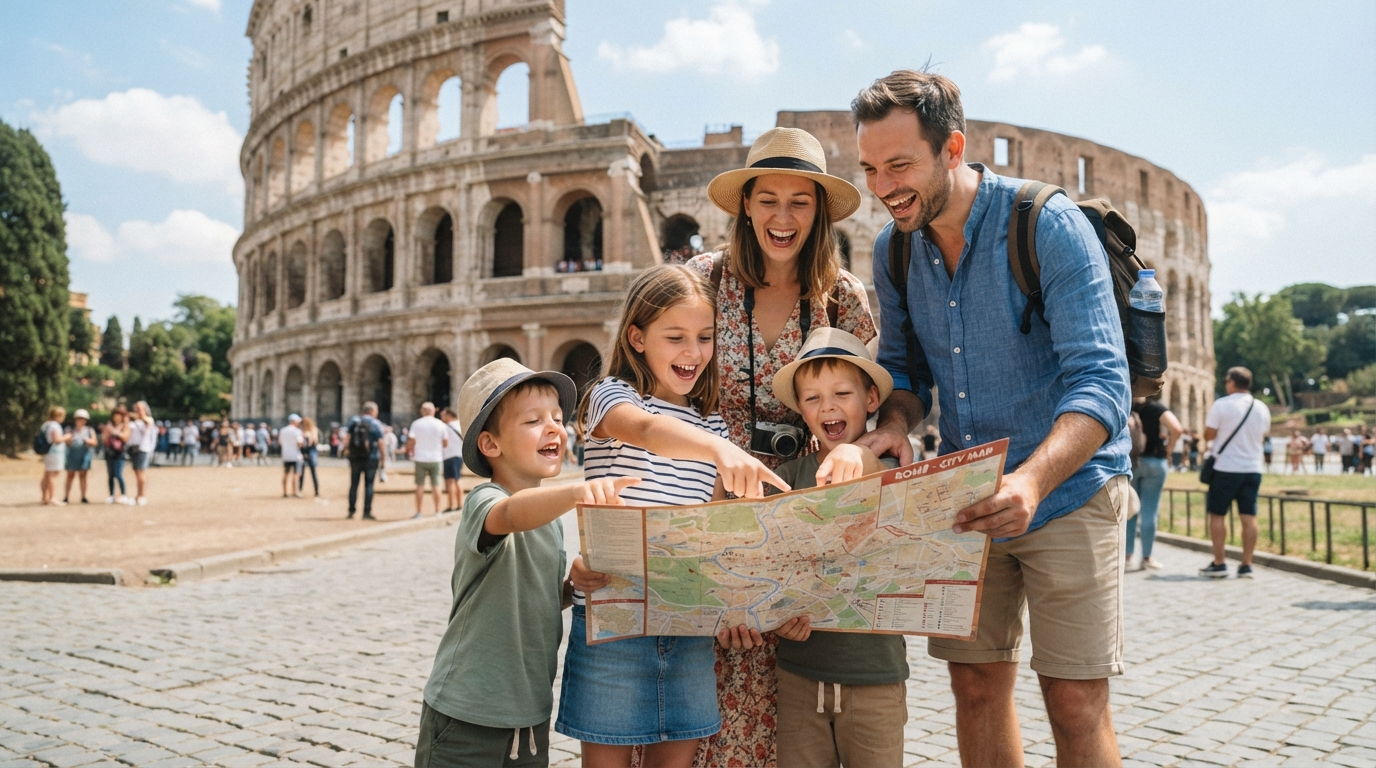
Some of the most rewarding travel experiences happen when a trip combines natural landscapes with local culture. Beaches, forests, mountains, wildlife areas, historic towns, regional food, temples, museums, and local neighborhoods can provide a much deeper understanding of a destination than a rushed itinerary built only around famous attractions.
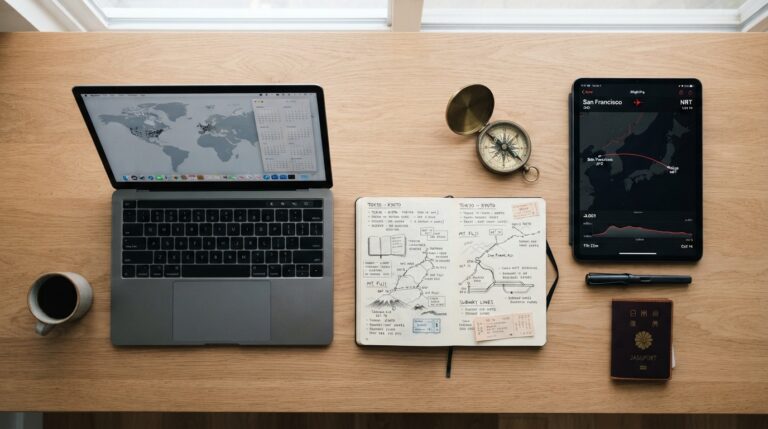
A meaningful trip does not require visiting as many places as possible. It requires choosing destinations carefully, understanding local conditions, respecting the environment, leaving enough time for exploration, and allowing the itinerary to reflect the character of each place.
- Start With the Experience You Want
- Choose Fewer Places and Explore Them Better
- Research Natural Areas Before Visiting
- Use Nature Travel Resources for Inspiration
- Match the Destination to the Season
- Check Weather Close to Departure
- Build Flexibility Around Outdoor Activities
- Do Not Ignore Heat and Humidity
- Carry Enough Water
- Use Sun Protection
- Choose Footwear for the Actual Terrain
- Pack Lightweight Rain Protection
- Protect Electronics Outdoors
- Respect Wildlife
- Do Not Feed Wildlife
- Use Ethical Wildlife Experiences
- Ask What the Experience Actually Involves
- Stay on Marked Trails
- Leave Natural Objects Where They Are
- Carry Out Your Waste
- Reduce Single-Use Items
- Research Local Culture Alongside Nature
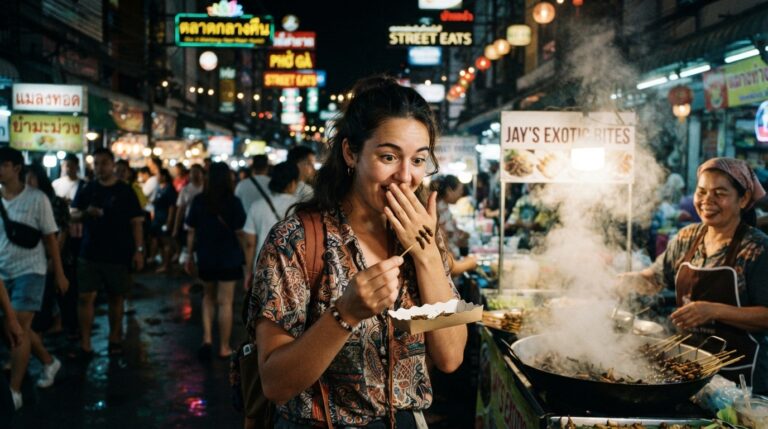
- Visit Markets Carefully
- Try Regional Food
- Learn Basic Local Phrases
- Use Translation Tools as Backup
- Understand Local Etiquette
- Respect Religious Spaces
- Explore Historic Regions Slowly
- Research Turkish Travel Beyond One City
- Allow Enough Time for Large Historic Sites
- Visit Popular Attractions Early
- Book Timed Tickets Where Necessary
- Check Museum Closure Days
- Carry Appropriate Clothing for Religious Sites
- Understand Local Transportation
- Check Last Departures
- Consider Domestic Flights Carefully
- Use Trains for Scenic Travel Where Suitable
- Do Not Assume Rural Transport Is Frequent
- Consider a Rental Car for Remote Areas
- Do Not Drive Tired
- Build Rest Into the Trip
- Use Cafés and Parks as Part of the Experience
- Travel With a Flexible Daily Structure
- Group Activities by Area
- Leave Space for Unexpected Discoveries
- Ask Local People Specific Questions
- Check Local Recommendations Against Practical Details
- Explore Japan Beyond Major Tourist Hubs
- Use Japan’s Rail Network Strategically
- Do Not Assume Every Train Stops Everywhere
- Understand IC Cards and Ticketing
- Watch the Last Train Time
- Consider Luggage During Rail Travel
- Use Station Lockers
- Travel Light for Day Trips
- Check Mountain and Coastal Weather Separately
- Prepare for Seasonal Crowds
- Visit Scenic Places at Quieter Times
- Respect Quiet Public Spaces
- Do Not Block Paths for Photographs
- Respect Residential Neighborhoods
- Research Photography Rules
- Ask Before Photographing People
- Use a Camera Without Missing the Experience
- Back Up Important Photos
- Keep Spare Storage
- Charge Devices Every Evening
- Carry a Power Bank
- Save Important Information Offline
- Plan Mobile Connectivity
- Do Not Depend Entirely on Cloud Access
- Protect Your Phone
- Keep Backup Payment Options
- Understand Local Payment Habits
- Know the Approximate Exchange Rate
- Review Daily Spending
- Support Local Businesses
- Buy Souvenirs Thoughtfully
- Avoid Wildlife-Derived Souvenirs
- Keep Travel Documents Secure
- Share the Itinerary With Someone Trusted
- Keep Emergency Contacts Offline
- Know When Professional Guides Add Value
- Choose Guides Carefully
- Tip According to Local Customs
- Do Not Overplan Restaurants
- Check Dietary Needs in Advance
- Keep Basic Snacks Available
- Maintain Sleep
- Plan Around Jet Lag
- Schedule a Slow Day After a Demanding Transfer
- Review the Next Day Each Evening
- Prepare Clothing the Night Before
- Confirm Tour Pickup Locations
- Arrive Early Enough
- Do Not Let One Problem Ruin the Entire Trip
- Keep a Short Backup List
- Accept That Not Everything Will Be Perfect
- Travel Slowly Enough to Notice the Destination
Start With the Experience You Want
Before choosing specific cities or attractions, think about what you want from the journey.
Some travelers want wildlife and landscapes, others prefer historic districts, food, art, or regional traditions. Many of the strongest itineraries combine several interests without trying to include everything.
Choose Fewer Places and Explore Them Better
Moving to a new destination every day may create an impressive list of locations, but it can also mean spending much of the trip packing, checking in, and sitting on transportation.
Staying longer in selected places gives travelers time to explore beyond the most obvious attractions.
Research Natural Areas Before Visiting
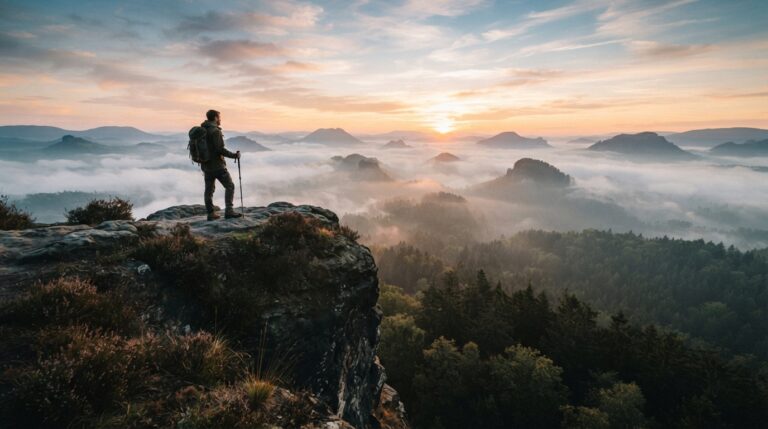
Nature-focused travel can involve national parks, forests, islands, beaches, mountains, wetlands, and wildlife habitats.
Conditions can change by season, so research access, weather, wildlife activity, trail conditions, and any permits or local rules before departure.
Use Nature Travel Resources for Inspiration
Specialist travel resources can help visitors identify landscapes, wildlife areas, and outdoor experiences that may not appear prominently in general tourism guides.
Travelers researching Thailand’s natural environments may encounter resources such as Nature Focus Thailand. Nature-oriented travel information can provide useful inspiration, but current park rules, closures, weather conditions, and safety guidance should still be checked through appropriate local or official sources.
Match the Destination to the Season
A destination can feel completely different depending on the month.
Rainy seasons, dry seasons, migration periods, extreme heat, monsoon conditions, or seasonal closures can all affect what is realistically possible.
Check Weather Close to Departure
Seasonal averages help with early planning, but actual forecasts matter more when deciding what to pack or whether an outdoor activity should proceed.
Review current conditions shortly before travel and again during the trip.
Build Flexibility Around Outdoor Activities
Weather-sensitive excursions should not be scheduled with no alternative.
Keeping one flexible day can make it easier to move a hike, wildlife tour, boat trip, or scenic excursion if conditions are poor.
Do Not Ignore Heat and Humidity
Tropical destinations can feel much more demanding than the temperature number alone suggests.
Plan longer walks and outdoor activities for more suitable parts of the day and allow enough time for water and rest breaks.
Carry Enough Water
Outdoor travel can increase hydration needs significantly.
Bring suitable drinking water or understand where safe water can be obtained along the route.
Use Sun Protection
Long periods outdoors can create substantial sun exposure, even when conditions do not feel extremely hot.
Use suitable clothing, hats, shade, and sunscreen according to personal needs.
Choose Footwear for the Actual Terrain
Beautiful travel photographs rarely show slippery trails, rough paths, steep stairs, or long walking distances.
Wear footwear suited to the activity rather than selecting shoes based only on appearance.
Pack Lightweight Rain Protection
Rain can arrive unexpectedly in tropical or mountainous areas.
A compact waterproof layer can help travelers continue comfortably without taking up much luggage space.
Protect Electronics Outdoors
Rain, humidity, sand, and dust can affect phones, cameras, and other devices.
Use suitable cases or bags during outdoor activities where exposure is likely.
Respect Wildlife
Wild animals should be observed without unnecessary disturbance.
Keep an appropriate distance, follow guide or park instructions, and avoid approaching animals simply to get a better photograph.
Do Not Feed Wildlife
Feeding wild animals can change their natural behavior and sometimes create dangerous interactions with people.
Allow wildlife to remain wild rather than treating animals as part of an attraction.
Use Ethical Wildlife Experiences
Animal-related tourism varies widely in quality and welfare standards.
Research how animals are housed, handled, trained, and interacted with before booking an experience.
Ask What the Experience Actually Involves
Marketing photographs may not reveal how close contact is created or whether animals are free to behave naturally.
Look for detailed information before choosing wildlife attractions.
Stay on Marked Trails
Leaving designated routes can damage vegetation, increase erosion, and create safety problems.
Follow signs and local guidance even when another route appears shorter.
Leave Natural Objects Where They Are
Shells, plants, stones, coral, and other natural items may be protected or ecologically important.
Take photographs rather than removing objects from protected environments.
Carry Out Your Waste
Remote natural areas may not have frequent waste facilities.
Keep rubbish with you until an appropriate disposal point is available.
Reduce Single-Use Items
A reusable bottle, bag, and other simple items can reduce waste during longer trips where practical.
Always follow local water-safety conditions and destination rules.
Research Local Culture Alongside Nature
A trip focused only on scenery can miss much of what makes a region distinctive.
Learn about local history, food, language, religion, architecture, and customs before arrival.
Visit Markets Carefully
Local markets can provide insight into everyday food, crafts, clothing, and community life.
Remember that many markets exist primarily for local residents rather than tourists, so move respectfully and avoid blocking stalls for photographs.
Try Regional Food
Food can reveal geography, trade, agriculture, and cultural history.
Look beyond familiar international dishes and try local specialties while respecting dietary and health requirements.
Learn Basic Local Phrases
Simple greetings, thanks, numbers, and polite expressions can make interactions easier.
Travelers do not need fluency for a few respectful words to be useful.
Use Translation Tools as Backup
Translation apps can help with menus, signs, and conversation.
Download relevant language packs before traveling to areas with unreliable connectivity.
Understand Local Etiquette
Expectations around clothing, greetings, shoes, tipping, photography, and behavior at religious sites differ between destinations.
A few minutes of research can prevent unnecessary awkwardness.
Respect Religious Spaces
Temples, mosques, churches, shrines, and other religious places may have clothing or photography rules.
Follow posted guidance and remember that these spaces may remain active places of worship.
Explore Historic Regions Slowly
Countries with long histories often contain important places far beyond the best-known cities.
Smaller towns and regional sites can provide a more relaxed perspective on architecture, archaeology, and local traditions.
Research Turkish Travel Beyond One City
Turkey offers coastal regions, archaeological sites, historic towns, mountains, villages, and major cities, making it suitable for very different travel styles.
Visitors researching Turkish destinations may encounter resources such as Tourisme Turc. Destination guides can help travelers discover possible routes, but current transport schedules, museum hours, entry requirements, and regional conditions should always be verified before travel.
Allow Enough Time for Large Historic Sites
Archaeological sites and historic districts often take much longer to explore than expected.
Schedule enough time to walk slowly, read information, and take breaks instead of rushing through simply to reach the next stop.
Visit Popular Attractions Early
Major sites can become crowded later in the day.
Early arrival can sometimes provide cooler temperatures and a calmer experience, depending on opening times.
Book Timed Tickets Where Necessary
Some museums and attractions limit daily capacity or use timed entry.
Reserve important experiences in advance when availability could affect the trip.
Check Museum Closure Days
Museums and historic attractions may close on particular weekdays or holidays.
Do not assume every major site operates seven days a week.
Carry Appropriate Clothing for Religious Sites
A sightseeing day may combine outdoor attractions with places requiring more conservative dress.
Plan clothing that can adapt rather than discovering entry restrictions at the door.
Understand Local Transportation
Public transportation can vary between metros, buses, trains, ferries, and minibuses.
Research payment systems and operating hours before depending on a specific route.
Check Last Departures
Transport may become much less frequent in the evening or outside major cities.
Know the final realistic connection back to accommodation before staying late at an attraction.
Consider Domestic Flights Carefully
Large countries can involve very long overland journeys.
A domestic flight may save time, but airport transfers, security, and baggage rules still need to be included in the comparison.
Use Trains for Scenic Travel Where Suitable
Rail travel can sometimes provide a comfortable way to connect regions while allowing passengers to enjoy the landscape.
Check whether reservations are required and how frequently services operate.
Do Not Assume Rural Transport Is Frequent
Smaller towns may have limited buses or trains.
Confirm return options before visiting somewhere that depends on only a few daily services.
Consider a Rental Car for Remote Areas
A car can provide flexibility when natural attractions and villages are widely scattered.
Research local driving rules, parking, tolls, insurance, and road conditions before deciding.
Do Not Drive Tired
Long travel days, jet lag, and demanding sightseeing can reduce concentration.
Rest before driving rather than forcing the itinerary to continue exactly as planned.
Build Rest Into the Trip
Nature and culture-focused trips can involve large amounts of walking and transportation.
Include slower periods rather than scheduling intensive activities every day.
Use Cafés and Parks as Part of the Experience
Rest does not need to mean losing travel time.
A café, park, waterfront, or quiet square can provide an opportunity to observe everyday life while recovering energy.
Travel With a Flexible Daily Structure
A practical itinerary might include one major morning activity, a flexible afternoon, and an optional evening plan.
This gives the day direction without making every delay feel like a failure.
Group Activities by Area
Repeatedly crossing a city wastes time and transportation money.
Use maps to identify attractions that can logically be combined.
Leave Space for Unexpected Discoveries
Interesting shops, exhibitions, viewpoints, or neighborhoods may appear after arrival.
An itinerary with no open time cannot easily accommodate them.
Ask Local People Specific Questions
Instead of simply asking what to see, explain what you enjoy.
Someone can give better recommendations when they know whether you prefer nature, food, photography, quiet towns, architecture, or hiking.
Check Local Recommendations Against Practical Details
A beautiful remote place may require transportation or equipment that was not obvious from the recommendation.
Confirm access, opening hours, weather, and return transport before leaving.
Explore Japan Beyond Major Tourist Hubs
Japan’s regional destinations can provide beaches, mountains, historic towns, gardens, food culture, and quieter urban experiences outside the most famous tourist routes.
Travelers interested in Kanagawa and its surrounding attractions may encounter resources such as Pure Kanagawa. Regional resources can help identify lesser-known places, but current train schedules, seasonal conditions, opening hours, and local regulations should be checked before travel.
Use Japan’s Rail Network Strategically
Rail travel can make regional exploration relatively straightforward when routes and connections are understood.
Check whether local, rapid, express, or reserved services are appropriate for the journey.
Do Not Assume Every Train Stops Everywhere
Different train categories may skip smaller stations.
Confirm the exact service before boarding, especially when traveling beyond major hubs.
Understand IC Cards and Ticketing
Stored-value cards can simplify local travel in many areas, but they may not cover every long-distance or reserved journey.
Check when separate tickets are required.
Watch the Last Train Time
Rail networks do not operate all night in many places.
Late evenings should include a realistic plan for returning to accommodation.
Consider Luggage During Rail Travel
Large suitcases can become inconvenient on crowded trains and at stations with stairs.
Pack reasonably and investigate luggage forwarding or storage options when appropriate.
Use Station Lockers
Lockers can make day trips easier when travelers do not need to carry every bag.
Availability and size vary by station, so do not assume suitable lockers will always be empty.
Travel Light for Day Trips
A small day bag with water, charging power, weather protection, and essential items is usually easier than carrying full travel luggage.
Leave unnecessary items securely at accommodation.
Check Mountain and Coastal Weather Separately
Regional destinations can experience very different conditions within relatively short distances.
A sunny city forecast does not guarantee identical weather at higher elevation or along the coast.
Prepare for Seasonal Crowds
Cherry blossoms, autumn colors, festivals, and holiday periods can create heavy demand.
Book important accommodation or transport earlier when traveling during famous seasonal events.
Visit Scenic Places at Quieter Times
Early mornings or weekdays can sometimes provide a calmer experience at popular viewpoints and temples.
Always confirm opening or access hours first.
Respect Quiet Public Spaces
Different cultures have different expectations regarding noise on public transport and in residential areas.
Observe local behavior and adjust accordingly.
Do Not Block Paths for Photographs
Popular photo locations can become frustrating when visitors occupy narrow streets, station platforms, or entrances for long periods.
Take photographs efficiently and allow normal movement to continue.
Respect Residential Neighborhoods
Some scenic streets and viewpoints are also people’s homes.
Avoid entering private property, creating unnecessary noise, or treating residential spaces as film sets.
Research Photography Rules
Photography may be restricted inside museums, temples, galleries, or other locations.
Follow signs and staff instructions rather than assuming photography is always permitted.
Ask Before Photographing People
Not everyone wants to appear in a travel photo.
Seek permission when someone will be the main subject rather than capturing ordinary background street activity.
Use a Camera Without Missing the Experience
Photography can enhance travel, but constant shooting can reduce attention to the place itself.
Take the photograph, then spend time simply observing the environment.
Back Up Important Photos
Travel photos can be lost if a device or memory card fails.
For longer trips, periodically create another copy where practical.
Keep Spare Storage
High-resolution photographs and video can fill storage quickly.
Bring enough memory or backup capacity rather than deleting important material while traveling.
Charge Devices Every Evening
Navigation, translation, photography, and digital tickets can drain batteries rapidly.
Create a simple evening charging routine so essential devices are ready each morning.
Carry a Power Bank
Long sightseeing days may provide few opportunities to recharge.
A suitable portable battery can help keep navigation and communication available.
Save Important Information Offline
Accommodation addresses, tickets, emergency numbers, maps, and booking details should remain accessible when internet service fails.
Download or screenshot key information before departure.
Plan Mobile Connectivity
International roaming can be expensive or limited.
Research local SIM cards, eSIMs, roaming packages, and Wi-Fi availability before traveling.
Do Not Depend Entirely on Cloud Access
A cloud document is not useful when there is no connection and it was never downloaded.
Keep essential travel documents locally accessible.
Protect Your Phone
A phone often contains maps, tickets, banking, photos, and communication tools.
Use a strong lock screen and enable appropriate device-finding features before travel.
Keep Backup Payment Options
A lost or blocked card can create major inconvenience.
Where practical, carry another payment method separately.
Understand Local Payment Habits
Some destinations are heavily card-based, while smaller businesses elsewhere may still prefer cash.
Research normal payment practices before deciding how much local currency to carry.
Know the Approximate Exchange Rate
Understanding the rough value of the local currency makes everyday decisions easier.
Include possible bank or card charges when comparing prices.
Review Daily Spending
Small expenses involving snacks, transport, souvenirs, and attraction tickets can add up.
A brief spending review every few days can keep the overall budget on track.
Support Local Businesses
Locally owned restaurants, guides, guesthouses, and shops can provide distinctive experiences and direct more spending into the community.
Evaluate quality and legitimacy normally rather than selecting businesses only because they appear local.
Buy Souvenirs Thoughtfully
Small locally made items can carry more meaning than generic products available everywhere.
Check customs restrictions before purchasing plants, food, wildlife products, antiques, or other potentially controlled items.
Avoid Wildlife-Derived Souvenirs
Products made from protected animals or plants may create legal and conservation concerns.
Choose alternatives that do not contribute to wildlife exploitation.
Keep Travel Documents Secure
Passports, licenses, insurance documents, and reservations deserve careful storage.
Keep appropriate copies separately in case an original is lost.
Share the Itinerary With Someone Trusted
For longer trips or outdoor excursions, a trusted person can benefit from knowing the general travel plan.
This is especially useful for solo travelers.
Keep Emergency Contacts Offline
Store local emergency numbers, accommodation contact details, insurance information, and relevant consular contacts somewhere accessible without data service.
A written backup can also be useful.
Know When Professional Guides Add Value
A guide can provide historical context, wildlife knowledge, language support, and access to locations that would otherwise be difficult to understand.
Guided experiences are especially valuable when interpretation matters more than simply reaching the location.
Choose Guides Carefully
Look for relevant experience, clear pricing, safety procedures, and recent reviews.
For nature experiences, ask about environmental and wildlife practices as well.
Tip According to Local Customs
Tipping practices vary widely between destinations.
Research local expectations rather than automatically applying habits from home.
Do Not Overplan Restaurants
Food reservations can be useful for special places, but an entirely pre-booked dining schedule reduces flexibility.
Leave room to follow local recommendations and spontaneous discoveries.
Check Dietary Needs in Advance
Travelers with allergies or strict dietary requirements should learn the relevant local vocabulary and research suitable food options.
Carry necessary medical guidance where appropriate.
Keep Basic Snacks Available
Outdoor areas and long transport routes may not provide food exactly when expected.
A small supply of practical snacks can make delays much easier.
Maintain Sleep
Late nights and early departures can gradually reduce enjoyment and concentration.
Allow enough sleep rather than trying to maximize every hour of the trip.
Plan Around Jet Lag
Long-distance travel across time zones can affect energy for several days.
Keep early itinerary days lighter when significant adjustment is expected.
Schedule a Slow Day After a Demanding Transfer
A long flight or overnight journey does not pair well with a highly physical excursion immediately afterward.
Give the body time to recover.
Review the Next Day Each Evening
A short check of weather, transport, opening hours, and reservations can prevent avoidable problems.
This keeps the itinerary organized without requiring excessive planning.
Prepare Clothing the Night Before
Early departures are easier when weather-appropriate clothing and essential gear are already organized.
This is especially useful for tours or sunrise activities.
Confirm Tour Pickup Locations
Hotels, stations, and city centers can contain several similarly named meeting points.
Verify the exact pickup location and arrival time before sleeping.
Arrive Early Enough
Guided tours and long-distance transport may not wait for late travelers.
Allow time for finding the correct entrance, platform, or meeting point.
Do Not Let One Problem Ruin the Entire Trip
A closed attraction, rainy afternoon, or delayed train can be frustrating without being disastrous.
Flexible travelers can often replace one plan with another nearby experience.
Keep a Short Backup List
Before each destination, identify a few indoor, outdoor, free, or low-effort alternatives.
This makes schedule changes much easier.
Accept That Not Everything Will Be Perfect
Travel involves variables that cannot be completely controlled.
Some restaurants disappoint, some views are cloudy, and some connections run late. These experiences often become part of the story rather than evidence that the trip failed.
Travel Slowly Enough to Notice the Destination
A meaningful journey is not measured only by how many landmarks appear in photographs.
By combining natural areas, cultural experiences, regional travel, local food, respectful behavior, and flexible planning, travelers can create trips that provide a stronger connection with the places they visit. The best itineraries leave enough structure to avoid unnecessary problems and enough space to let the destination itself influence the journey.