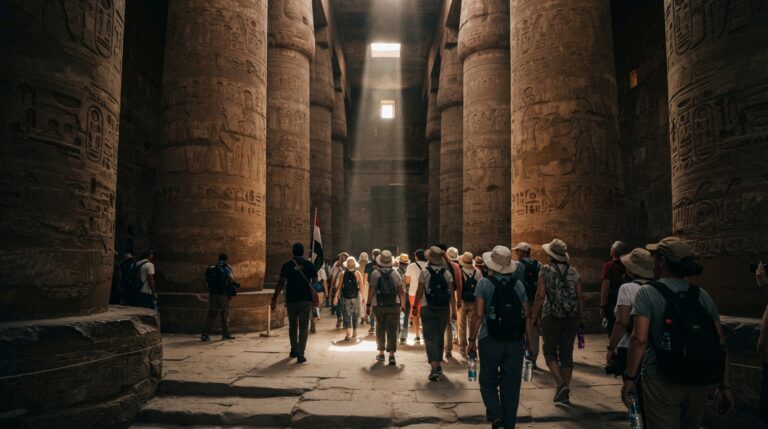


A weekend getaway may last only a few days, but it can still provide a refreshing change of scenery and a meaningful travel experience. The difficulty is that limited time often encourages travelers to create overly ambitious itineraries. Long transfers, too many attractions, and tightly scheduled reservations can turn a relaxing break into a race against the clock.
A better weekend trip focuses on convenience, a few meaningful priorities, and enough flexibility to enjoy unexpected discoveries. By reducing unnecessary travel time and choosing experiences carefully, travelers can make a short getaway feel surprisingly complete.
- Choose a Destination That Fits the Available Time
- Use Broad Research to Generate Ideas
- Decide What Kind of Weekend You Want
- Keep the Route Simple
- Choose Accommodation Strategically
- Let Travel Inspire Curiosity
- Identify Two or Three Essential Experiences
- Plan the Arrival Day Lightly
- Organize Sightseeing Geographically
- Use Cultural Research to Add Meaning
- Book Only the Experiences That Require It
- Do Not Underestimate Transportation Time
- Use Walking as Part of the Experience
- Make Meals Part of the Weekend
- Leave One Part of the Day Open
- Keep a Backup Plan for Weather
- Avoid Spending the Entire Trip Taking Photos
- Pack Light for a Short Getaway
- Keep Important Details Together
- Check Important Information Before Leaving
- Do Not Try to See Everything
- Allow Yourself to Change the Plan
- Finish the Weekend at a Comfortable Pace
- Make a Short Trip Feel Meaningful
Choose a Destination That Fits the Available Time
The first decision is often the most important. A destination that requires complicated connections may not be ideal for a two- or three-day trip, even if it looks exciting.
Consider the complete journey from home to accommodation. The less time spent in transit, the more time remains for the destination itself.
Use Broad Research to Generate Ideas
Weekend inspiration can come from travel guides, recommendations, cultural content, lifestyle articles, and general online browsing. The objective during this early stage is simply to discover possibilities.
Readers exploring broader online content may encounter general-interest resources such as Past My Curfew. Broad reading can introduce ideas worth investigating further, while practical travel details should be confirmed through appropriate current sources before reservations are made.
Decide What Kind of Weekend You Want
Not every weekend getaway needs to follow the same formula. Some travelers want museums and historic streets, while others prefer food, shopping, outdoor activities, nightlife, or complete relaxation.
Defining the purpose of the trip makes destination and activity choices much easier.
Keep the Route Simple
Short vacations rarely benefit from complicated multi-city itineraries. Changing accommodation after only one night can consume valuable time through packing, checkout, transportation, and another check-in.
One convenient base is usually enough for a weekend, with a nearby day trip added only when it genuinely improves the experience.
Choose Accommodation Strategically
For a short getaway, location can be more valuable than extra hotel facilities. Staying near the neighborhoods and attractions you plan to visit reduces daily transportation.
Use a map to compare accommodation locations before deciding which property offers the best overall convenience.
Let Travel Inspire Curiosity
Part of the pleasure of a getaway is discovering places and perspectives outside everyday routines. Broader reading can introduce stories, communities, creative subjects, or ideas that encourage people to look at travel differently.
During general online exploration, readers may encounter resources such as Where the Young Learn to Fly. Such content can provide inspiration for further research, while destination-specific facts involving transportation, schedules, or reservations should be independently verified.
Identify Two or Three Essential Experiences
A weekend itinerary does not need a long list of must-see attractions. Choose the experiences that would make the journey worthwhile for you personally.
Place those priorities into the schedule first and treat most other activities as optional.
Plan the Arrival Day Lightly
Even a short journey can involve delays. Traffic, baggage, transportation, and accommodation check-in can reduce the amount of usable time on arrival day.
Choose something simple near the accommodation, such as a neighborhood walk, local meal, market, waterfront, or viewpoint.
Organize Sightseeing Geographically
Crossing a city repeatedly wastes valuable weekend time. Save attractions, restaurants, and interesting neighborhoods on a map and look for natural clusters.
Exploring one area thoroughly can be more enjoyable than rushing between distant attractions.
Use Cultural Research to Add Meaning
Learning a little about local culture, history, food, or traditions can make even a short visit more interesting. General online content may introduce subjects that encourage travelers to investigate a destination from a broader perspective.
During wider browsing, readers may come across resources such as Al Thai. General material can serve as a starting point for curiosity, while important destination-specific information should be checked through relevant and current sources before it affects travel decisions.
Book Only the Experiences That Require It
Advance reservations can protect limited time when a popular attraction, restaurant, or tour has restricted availability. However, too many reservations can make a weekend feel inflexible.
Book genuine priorities and allow casual activities to remain spontaneous.
Do Not Underestimate Transportation Time
A journey that appears short on a map may take longer because of waiting, transfers, traffic, or unfamiliar stations.
Leave reasonable buffers around activities with strict entry times rather than scheduling everything back-to-back.
Use Walking as Part of the Experience
When distances and local conditions make it practical, walking between nearby attractions can reveal details that travelers would otherwise miss.
Interesting streets, architecture, cafés, shops, parks, and public spaces can become part of the journey instead of merely gaps between attractions.
Make Meals Part of the Weekend
A memorable meal can be as meaningful as a conventional tourist attraction. Research local specialties and save several restaurants or cafés in areas you already plan to explore.
This reduces unnecessary transportation and provides flexibility when plans change.
Leave One Part of the Day Open
Even during a short trip, unplanned time has value. An open afternoon or evening can be used for a local recommendation, unexpected event, shopping, a longer meal, or simply rest.
Without this flexibility, spontaneous discoveries can become difficult to enjoy.
Keep a Backup Plan for Weather
Outdoor activities can be disrupted by changing conditions. If the weekend depends entirely on beaches, parks, walking tours, or viewpoints, poor weather can create problems.
Keep several indoor alternatives available without assigning them permanently to the itinerary.
Avoid Spending the Entire Trip Taking Photos
Photographs are valuable memories, but constantly documenting every moment can make a short vacation feel even faster.
Take the pictures you want, then allow yourself time to experience the destination without viewing everything through a screen.
Pack Light for a Short Getaway
A weekend trip rarely requires complicated luggage. Packing only what is realistically needed can simplify transportation and reduce time spent organizing belongings.
Light luggage becomes particularly valuable when public transportation, stairs, or walking are involved.
Keep Important Details Together
Store accommodation information, transportation bookings, attraction tickets, and reservations somewhere easy to access.
Saving essential details offline provides additional protection when mobile connectivity becomes unreliable.
Check Important Information Before Leaving
Because a weekend trip offers little time to recover from mistakes, confirm essential transportation and major reservations shortly before departure.
Opening hours and other time-sensitive information should also be checked close to the actual visit.
Do Not Try to See Everything
One of the biggest mistakes on a weekend getaway is treating the destination as a checklist that must be completed before returning home.
There will always be another museum, restaurant, neighborhood, or attraction. Select the experiences that matter most and give them enough time.
Allow Yourself to Change the Plan
If a neighborhood is more enjoyable than expected, stay longer. If everyone is tired, skip an optional attraction. If the weather improves, move an outdoor activity forward.
A useful itinerary should support the trip rather than control it.
Finish the Weekend at a Comfortable Pace
Avoid scheduling a complicated activity immediately before departure. Leave enough time to collect luggage, reach the airport or station, and deal with ordinary delays.
A relaxed final meal or short walk can provide a much better ending than rushing from an attraction directly to transportation.
Make a Short Trip Feel Meaningful
A memorable weekend getaway does not depend on traveling far or completing a long attraction list. What matters is choosing a destination that fits the available time and focusing on experiences that genuinely interest you.
By keeping transportation simple, selecting a few priorities, organizing sightseeing geographically, researching practical details, and leaving room for spontaneous discoveries, travelers can make even a brief vacation feel satisfying. A weekend may be short, but when it is planned around quality rather than quantity, it can provide exactly the change of pace that travel is supposed to offer.