
Travel gives people an opportunity to experience unfamiliar places, discover different cultures, and temporarily step away from everyday routines. Yet simply visiting a destination does not automatically create a memorable journey. The way travelers research, organize, and experience a trip can significantly influence how enjoyable it becomes.
A rewarding vacation usually combines sensible preparation with enough freedom to explore. Instead of attempting to control every detail, travelers can focus on important arrangements while remaining open to discoveries that happen naturally along the way.
- Choose a Destination That Matches Your Interests
- Research What Is Happening Around Your Destination
- Plan Around a Few Important Experiences
- Leave Space Between Activities
- Pay Attention to the Lighter Side of Travel
- Explore Neighborhoods Instead of Only Attractions
- Try Local Food With an Open Mind
- Take Photos Without Experiencing Everything Through a Screen
- Discover Ideas From Different Online Sources
- Talk to People When It Feels Appropriate
- Allow Plans to Change
- Balance Busy Days With Slower Ones
- Keep a Simple Record of the Journey
- Avoid Comparing Your Trip With Someone Else’s
- Spend Money on Experiences That Matter to You
- Stay Present During the Trip
- Bring Home More Than Photographs
- Make the Journey Your Own
Choose a Destination That Matches Your Interests
Popular destinations receive attention for many reasons, but popularity alone does not mean a place will suit every traveler. Before booking, think about the experiences you genuinely enjoy.
Someone interested in history and architecture may prefer a different destination from a traveler seeking beaches, outdoor adventures, shopping, food, or nightlife. Matching the destination to personal interests creates a stronger foundation for an enjoyable trip.
Research What Is Happening Around Your Destination
Understanding current developments can sometimes help travelers prepare more effectively. Transportation changes, public events, festivals, major construction, or temporary closures may influence the experience in ways that ordinary travel guides do not anticipate.
During broader online research, travelers may encounter general or news-oriented resources such as World News Click. General information can provide useful context, but developments affecting transportation, safety, entry requirements, or other important arrangements should always be confirmed through current authoritative sources.
Plan Around a Few Important Experiences
Instead of filling the itinerary with every attraction that appears interesting, identify a smaller number of experiences that matter most. These can become the foundation of the schedule.
Once the priorities are established, other activities can remain optional. This approach reduces pressure while still ensuring that the most important parts of the trip receive enough time.
Leave Space Between Activities
Travel rarely operates with perfect efficiency. Transportation may be delayed, attractions can have queues, and walking between locations often takes longer than expected.
Leaving reasonable gaps between activities makes these small disruptions easier to manage. It also creates opportunities to stop at an interesting café, explore a market, or spend longer somewhere unexpectedly enjoyable.
Pay Attention to the Lighter Side of Travel
Not every memorable travel moment needs to involve a famous monument or carefully planned activity. Funny misunderstandings, unusual signs, unexpected situations, and shared jokes with travel companions can become some of the stories people remember most clearly.
The internet also reflects this lighter side of everyday life through entertainment, humor, and general-interest content. Travelers browsing casually may come across resources such as All The Rage Faces. Keeping a sense of humor during a journey can be particularly useful when minor inconveniences interrupt otherwise good plans.
Explore Neighborhoods Instead of Only Attractions
Major landmarks can provide important historical and cultural experiences, but neighborhoods often reveal a different side of a destination. Local streets, markets, parks, cafés, shops, and public spaces can show how everyday life operates.
Choose one or two areas that appear interesting and allow time to explore them without a strict checklist. Walking at a comfortable pace often reveals details that are easily missed when moving directly between famous attractions.
Try Local Food With an Open Mind
Food can become one of the most memorable parts of travel. Research a few dishes associated with the destination before arrival, but avoid limiting yourself entirely to famous restaurants found online.
Markets, bakeries, cafés, casual restaurants, and neighborhood establishments can all provide interesting experiences. When trying unfamiliar food, personal dietary needs and allergies should naturally remain a priority.
Take Photos Without Experiencing Everything Through a Screen
Photographs are valuable reminders of a journey, but constantly searching for the perfect picture can distract from the experience itself. Take enough photos to preserve meaningful memories and then spend some time simply observing the surroundings.
Small details can be worth remembering too. Architecture, meals, streets, transportation, landscapes, and ordinary moments may eventually represent the trip more vividly than dozens of nearly identical landmark photographs.
Discover Ideas From Different Online Sources
Travel inspiration can come from many parts of the internet. General blogs and websites may introduce readers to lifestyle topics, entertainment, culture, hobbies, products, or destinations that lead to further exploration.
While browsing broad online content, readers might encounter resources such as LP Queen. General websites can be useful for discovering ideas, but travelers should independently research any suggestion that becomes part of an actual booking or important travel decision.
Talk to People When It Feels Appropriate
Hotel employees, guides, restaurant staff, shopkeepers, and other travelers can sometimes suggest experiences that are difficult to discover through online research alone.
A simple question about a nearby restaurant, interesting neighborhood, market, or activity may lead to an unexpected discovery. Recommendations can then be considered alongside personal preferences and current circumstances.
Allow Plans to Change
A good itinerary provides direction without becoming a set of rules. Weather may change, an attraction may be disappointing, or travelers may discover somewhere they would rather spend more time.
Changing an optional plan does not mean the original planning failed. Flexibility is one of the reasons for leaving open space in the schedule.
Balance Busy Days With Slower Ones
Several demanding sightseeing days in succession can make the second half of a vacation feel exhausting. Longer trips particularly benefit from a mixture of active and relaxed days.
After a day involving extensive walking or a long excursion, consider scheduling fewer activities the following day. Maintaining energy can make the entire trip more enjoyable.
Keep a Simple Record of the Journey
Memories can become surprisingly difficult to separate after a busy trip. Keeping a short record can help preserve small details that photographs alone may not capture.
This does not need to become a formal travel diary. A few notes about favorite meals, interesting places, funny moments, or unexpected discoveries can provide meaningful reminders later.
Avoid Comparing Your Trip With Someone Else’s
Social media can create the impression that every vacation needs perfect weather, beautiful photographs, expensive hotels, and constant excitement. Real travel is usually much less predictable.
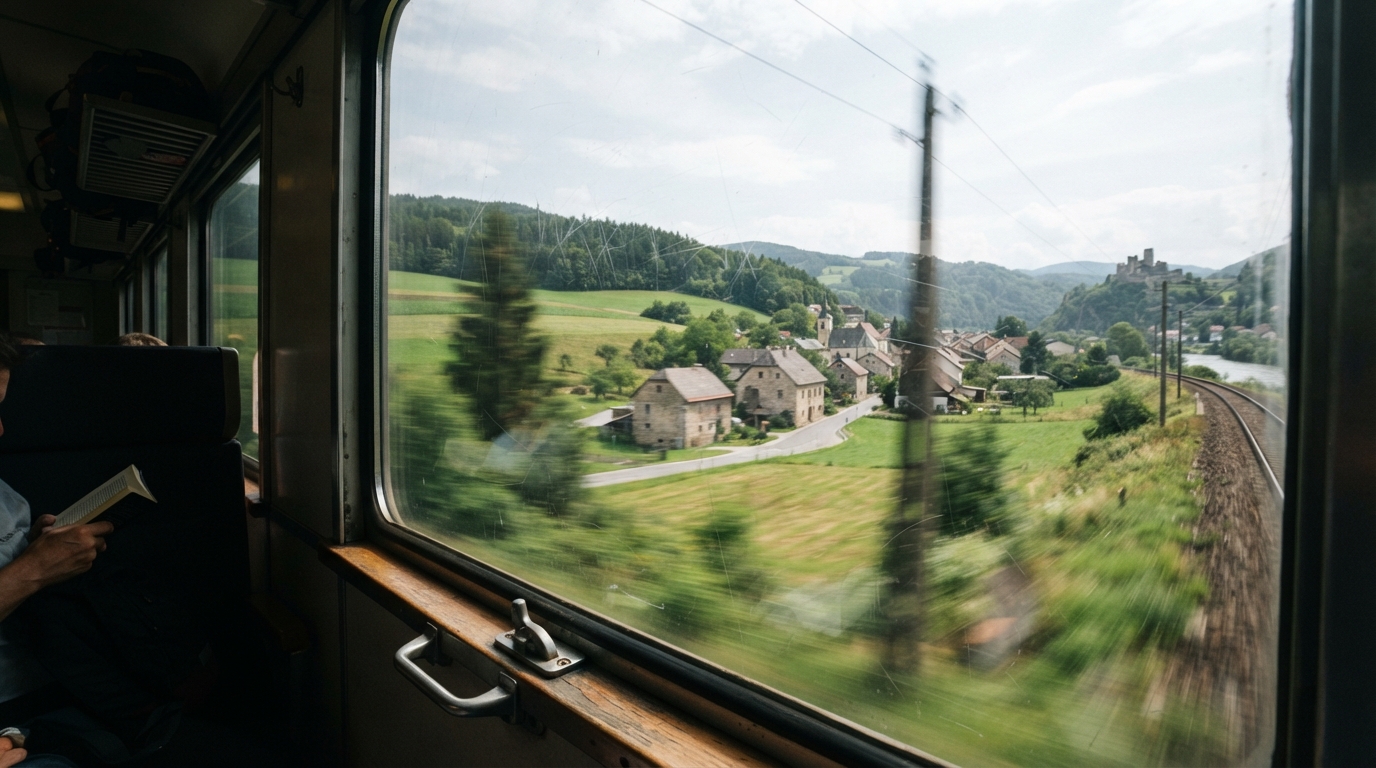
A delayed train, rainy afternoon, ordinary meal, or quiet day does not make a journey unsuccessful. Focus on the experiences that matter to you rather than trying to reproduce someone else’s carefully selected highlights.
Spend Money on Experiences That Matter to You
Travel budgets involve choices. One traveler may value comfortable accommodation, while another would rather spend more on food, excursions, entertainment, or transportation.
Identify your priorities before departure and direct more of the budget toward them. Saving money on things that matter less can make room for experiences that contribute more to the overall journey.
Stay Present During the Trip
Research remains useful after arrival, but constantly checking reviews, social media, and alternative options can make travelers question decisions they have already made.
Once a reasonable plan is in place, allow yourself to experience it. Not every restaurant needs to be the highest rated and not every attraction needs to be the most famous for the experience to be worthwhile.
Bring Home More Than Photographs
The strongest travel memories often involve feelings and experiences rather than specific objects. A conversation, unfamiliar meal, beautiful walk, surprising view, or spontaneous change of plans may remain memorable long after souvenirs have been forgotten.
By choosing destinations that reflect personal interests, planning only the important parts, exploring beyond major attractions, remaining curious, and accepting unexpected moments, travelers can create journeys that feel more personal and rewarding.
Make the Journey Your Own
There is no universal formula for the perfect vacation. Some people enjoy detailed itineraries, while others prefer considerable freedom. Some want constant activity, while others value slow mornings and relaxed exploration.
The best approach is to understand your own travel style and build the journey around it. Prepare enough to avoid unnecessary problems, remain flexible when circumstances change, and give yourself time to appreciate where you are. A memorable trip is not necessarily the one where everything goes exactly according to plan, but the one that provides experiences worth remembering after you return home.