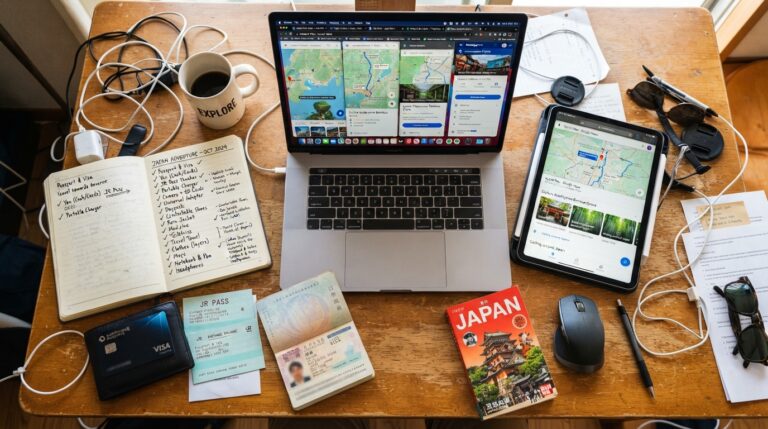


International travel offers incredible rewards, but the planning process can feel overwhelming without a clear approach. From visas to packing lists, there are a lot of moving parts to manage. Breaking the process into manageable stages makes it far easier to travel confidently, without last-minute scrambling or unnecessary stress.
- Start With the Big Decisions
- Choose Your Destination Thoughtfully
- Set a Realistic Budget
- Determine Trip Length and Timing
- Handle the Essential Logistics Early
- Check Passport and Visa Requirements
- Book Flights Strategically
- Secure Accommodations Early
- Look Into Travel Insurance
- Prepare for Health and Safety
- Research Required or Recommended Vaccinations
- Understand Local Health and Safety Considerations
- Notify Your Bank and Set Up Payment Access
- Plan the Details Without Overplanning
- Build a Loose Itinerary
- Research Local Transportation
- Learn Basic Local Phrases and Customs
- Pack Smart
- Make a Packing List Based on Activities and Climate
- Keep Essential Documents Accessible and Backed Up
- Final Thoughts
Start With the Big Decisions
Choose Your Destination Thoughtfully
Consider factors beyond just the appeal of a location — travel season, entry requirements, safety considerations, and your own interests all play a role in choosing a destination that will genuinely suit your trip goals and comfort level.
Set a Realistic Budget
Outline a rough budget covering flights, accommodation, daily expenses, activities, and a buffer for unexpected costs. Having a clear number in mind early prevents overspending and helps guide decisions throughout the planning process.
Determine Trip Length and Timing
Researching the best time to visit — considering weather, local holidays, and peak tourist season — helps you avoid unnecessary crowds, inflated prices, or unfavorable conditions during your trip.
Handle the Essential Logistics Early
Check Passport and Visa Requirements
Confirm your passport has enough validity remaining (many countries require at least six months) and research visa requirements well in advance, since processing times vary significantly by destination and nationality.
Book Flights Strategically
Booking flights several weeks to a few months in advance, and remaining flexible with dates when possible, typically offers the best balance between price and availability, though this varies by route and season.
Secure Accommodations Early
Booking accommodations in advance, especially during peak travel seasons, ensures better options and pricing. Reading recent reviews carefully helps avoid unpleasant surprises upon arrival.
Look Into Travel Insurance
Travel insurance can protect against trip cancellations, medical emergencies, or lost luggage — costs and coverage that vary considerably by provider, so comparing options based on your specific trip and risk factors is worth the time.
Prepare for Health and Safety
Research Required or Recommended Vaccinations
Some destinations require specific vaccinations for entry, while others simply recommend them based on regional health risks. Checking well in advance gives you time to complete any necessary appointments.
Understand Local Health and Safety Considerations
Researching common health risks, water safety, and general safety considerations for your destination helps you prepare appropriately, from packing the right medications to understanding areas or situations to avoid.
Notify Your Bank and Set Up Payment Access
Informing your bank of travel dates prevents your cards from being flagged for suspicious activity abroad, and researching the best payment methods for your destination — cash versus card, currency exchange options — avoids unnecessary fees or access issues.
Plan the Details Without Overplanning
Build a Loose Itinerary
Outlining key destinations, activities, and logistics gives your trip structure, but leaving room for spontaneity and rest prevents the exhausting feeling of an overly packed schedule.
Research Local Transportation
Understanding how you’ll get around — public transit, rideshare availability, rental cars — before you arrive reduces stress and helps you budget time and money more accurately.
Learn Basic Local Phrases and Customs
Even a few basic phrases and an understanding of local customs and etiquette go a long way toward smoother interactions and a more respectful, enjoyable travel experience.
Pack Smart
Make a Packing List Based on Activities and Climate
Tailoring your packing list to your specific itinerary and destination climate, rather than overpacking “just in case,” keeps luggage manageable and travel logistics simpler.
Keep Essential Documents Accessible and Backed Up
Keeping physical and digital copies of your passport, visas, insurance information, and itinerary — stored separately from the originals — provides a safety net in case of loss or theft.
Final Thoughts
A stress-free international trip comes down to tackling the big logistics early, researching health and safety considerations thoroughly, and leaving enough flexibility in your itinerary to actually enjoy the experience. With thoughtful preparation across each stage, you can travel confidently and focus on the trip itself rather than the details.