
Introduction
Mojave, California, is a small desert town with a Surprisingly big identity. Known for its aerospace activity and as a gateway to vast desert landscapes, it offers a mix of history, rugged scenery, and outdoor adventure. Whether you are heading to the preserve or exploring its aviation roots, Mojave delivers a raw and authentic desert experience.
- Overview of Mojave, California
- Why Mojave Deserves a Full Travel Guide
- Location and Geography
- Where Mojave Is Located
- The Geography of the Mojave Region
- Why Geography Matters for Travelers
- Climate and Weather in Mojave
- Desert Weather Basics
- Summer in Mojave
- Winter in Mojave
- Spring and Fall Travel
- Simple Weather Advice
- Landscape Features That Make Mojave Special
- A Desert of Contrast and Range
- Kelso Dunes
- The Lava Tube
- Canyons, Valleys, and Volcanic Terrain
- Flora: Plants of the High Desert
- Plant Life Across Elevation Zones
- Why Plant Life Matters
- Spring Growth and Wildflowers
- The Value of Desert Plants
- Fauna: Birds, Reptiles, Mammals, and More
- Wildlife in Mojave
- Common Desert Animals
- Why Wildlife Is Special Here
- Travel Behavior Around Wildlife
- Human History and Cultures
- Deep Human History in the Mojave Region
- Indigenous Presence
- Early Travel Through the Desert
- Mining and Settlement
- Railroad History
- The Aerospace Identity: The Mojave Air and Space Port
- Why the Airport Matters So Much
- A Brief History of the Airport
- A Unique Record
- What Visitors Can Do
- Why Aerospace Adds Value to the Guide
- Travel Planning: How to Visit Mojave Smartly
- Think of Mojave in Three Layers
- Why Planning Matters So Much
- Best Types of Travelers for Mojave
- Must-See Stops and Activities
- Kelso Dunes
- Lava Tube
- Mojave Air and Space Port
- Scenic Desert Driving
- Camping and Outdoor Stay
- Safety Tips and Desert Survival
- Why Safety Matters So Much
- Water Is the First Rule
- Sun Protection Is Essential
- Road Conditions Can Be Rough
- Do Not Rush
- Respect the Heat
- Travel with a Plan
- Camping Rules and Desert Responsibility
- Follow Preserve Rules
- Why These Rules Matter
- Leave No Trace Mindset
- Tourism Value: Why Mojave Works for Travelers
- A Town with More Than One Identity
- Good for Short Visits
- Good for Longer Trips
- The Experience Feels Real
- Practical Travel Tips for Mojave
- Before You Leave
- What to Pack
- What to Wear
- Time of Day
- Vehicle Advice
- Pros and Cons of Visiting Mojave
- Pros
- Cons
- Interesting Facts About Mojave, California
- Fact 1: It Has a Deep Human Story
- Fact 2: The Airport Is Truly Unique
- Fact 3: The Dunes Are Huge
- Fact 4: The Preserve Is Biologically Rich
- Fact 5: The Desert Changes With Elevation
- Environmental Issues and Conservation
- Mojave Is Beautiful but Fragile
- Why Conservation Matters
- The Desert Tortoise and Other Species
- A Good Visitor Respects the Land
- FAQs
- Conclusion
Overview of Mojave, California
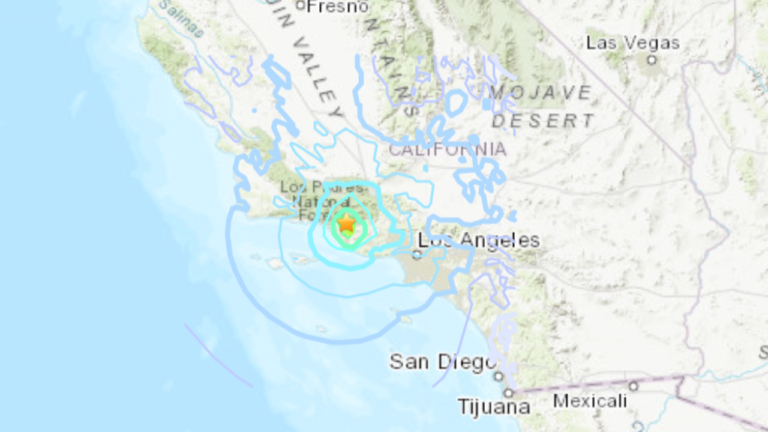
Mojave, California, is an unincorporated community in Kern County, positioned in the western Mojave Desert of Southern California. Its location places it east of Bakersfield and north of Los Angeles, which gives it a useful balance: close enough to reach from major population centers, yet remote enough to feel truly desert-like.
The town is recognized for two major identities. First, it is home to the Mojave Air and Space Port, one of the most famous aerospace centers in the region. Second, it serves as one of the primary gateways to Mojave National Preserve, one of California’s most dramatic desert landscapes.
That combination gives Mojave an unusual kind of appeal. Many small towns are either historic, scenic, or practical. Mojave is all three. It is a place where modern aerospace activity, old transportation corridors, and vast natural terrain intersect. One moment you can be learning about flight testing and aviation innovation, and the next you can be standing in front of dunes, volcanic features, or a valley of Joshua trees.
For travelers, that makes Mojave valuable in a very real way. It is not just a place to pass through. It is a destination that rewards curiosity.
Why Mojave Deserves a Full Travel Guide
A short attraction list is not enough for Mojave. This is the sort of destination that only makes sense when you understand how its pieces fit together. The town, the airport, the preserve, and the surrounding desert all influence the visitor experience.
Mojave is best understood as a connected desert environment with several overlapping layers:
the town, which provides food, fuel, rest, and essential services
The Mojave Air and Space Port, which adds an aerospace and aviation dimension
Mojave National Preserve, which offers hiking, camping, geology, scenery, and wildlife
the region’s human history, which includes Indigenous life, exploration, railroad development, mining, and long-distance travel
That is why a proper Mojave travel guide needs to go beyond a simple list of places. The climate, the distances, the road conditions, the heat, and the remoteness all matter. These challenges are part of the experience, but they also require preparation.
If you want a desert journey that feels authentic, memorable, and slightly untamed, Mojave is an excellent choice.
Location and Geography
Where Mojave Is Located
Mojave sits in the western Mojave Desert of Southern California in Kern County. It is surrounded by broad desert plains, mountain ranges, open highways, and expansive views. Its position makes it easy to reach from larger cities while still preserving a strong sense of isolation and space.
That is one reason Mojave works so well as a base for desert travel. It gives you access to the preserve while also offering a last stop for supplies before heading into remote terrain.
The Geography of the Mojave Region
The Mojave region is far more diverse than many people imagine. It is not just a flat, empty expanse of sand. Instead, it includes mountains, canyons, dry basins, valleys, mesas, dunes, volcanic remnants, and desert scrub habitat.
In practical terms, that means the landscape changes often and dramatically. One route may take you past open sandy stretches, then up through rocky foothills, and then out into broad desert flats or high-elevation woodland. This variety is one of the region’s strongest assets.
Visitors often assume the Mojave Desert is all the same. It is not. The terrain shifts from one zone to another, and those changes shape everything from the plants you see to the roads you drive to the hikes you choose.
Why Geography Matters for Travelers
In Mojave, geography affects the trip in direct ways. Distance, elevation, terrain, exposure, and road quality all influence what you can safely do. Geography determines:
How long does driving take
whether a route needs high clearance or four-wheel drive
How much water should you carry?
What time of day is best for hiking
Which scenic spots are easy to access, and which are remote
? How far are the nearest services from the trailhead or road you choose
That is why a good Mojave travel article must explain the land simply and clearly. If you understand the Geography before you go, your desert trip becomes much smoother.
Climate and Weather in Mojave
Desert Weather Basics
Mojave has a desert climate, which means hot summers, cooler winters, little rainfall, dry air, and strong sunlight across much of the year. Temperature swings between day and night can be significant, and conditions may feel harsher than they appear on paper.
This is not a place where you can be casual about the weather. In Mojave, the weather is not background noise; it is part of the trip planning.
Summer in Mojave
Summer is the most difficult season for outdoor travel in the Mojave. Temperatures can become extreme, especially during midday and early afternoon. Sand, stone, and exposed surfaces heat up quickly. Hikes that look easy on a map can become physically draining in the open sun.
During summer, smart travel habits include:
starting early in the morning
choosing short hikes instead of long ones
carrying far more water than you think you need
avoiding extended exposure to direct sunlight
checking road and heat conditions before you leave town
Summer can still be beautiful here. The desert light is intense, the skies are wide, and the landscape can appear almost metallic. But summer demands caution and discipline.
Winter in Mojave
Winter is much more comfortable for many kinds of outdoor activities. Cooler air, clearer light, and gentler temperatures make hiking and driving more pleasant. Even so, desert nights can be cold, so layers still matter.
Winter is often the best time for:
scenic driving
photography
walking in the preserve
lighter hiking
exploring the town and the airport area
Spring and Fall Travel
Spring and fall are often the ideal seasons to visit Mojave. Temperatures are generally more manageable, outdoor conditions are easier to handle, and the desert scenery tends to be especially appealing. Spring may also bring wildflowers if rainfall has been sufficient.
If your goal is the best mix of comfort, color, and outdoor access, spring and fall usually win.
Simple Weather Advice
Mojave rewards preparation. Always keep the weather in the center of your planning by thinking about:
heat
wind
water
sun exposure
road conditions
the time of day you will be outside
That mindset can dramatically improve your trip.
Landscape Features That Make Mojave Special
A Desert of Contrast and Range
Mojave is known for rugged, dramatic scenery. The land is not monotonous; it shifts constantly. Visitors can encounter dunes, dry valleys, rocky ridges, lava-formed terrain, mountain backdrops, and expansive open spaces that seem to stretch forever.
This is not a minimal or decorative desert. It is a living system, shaped by time, weather, wind, and geology.
Kelso Dunes
The Kelso Dunes are one of the most iconic natural features in the Mojave National Preserve. They rise more than 600 feet above the surrounding terrain and are among the preserve’s most visited landmarks. Their scale alone makes them unforgettable.
These dunes are famous for their beauty, but also for the physical challenge they present. The climb is much more demanding than it first appears. Sand shifts underfoot, the sun reflects intensely, and the ascent can feel longer than expected.
Why Kelso Dunes Matter
Kelso Dunes are a vivid example of how wind builds landscapes over time. Sand moved and collected in a massive formation, producing one of California’s most striking desert features. The result is a scene that feels both ancient and immediate.
What to Expect at the Dunes
A dune hike is not a casual stroll. Visitors should expect soft footing, elevated heat, and a serious workout. That means plenty of water, sun protection, proper footwear, and attention to the time of day are essential.
The Lava Tube
The Lava Tube offers a completely different desert experience. Instead of bright open sand, visitors enter a dark underground passage created by ancient volcanic flow.
Why It Is Interesting
The Lava Tube reveals a volcanic layer of the region’s past. It shows that Mojave is not just a sand-and-rock desert; it also has deep geological history shaped by fire, cooling lava, and erosion.
What Visitors Should Know
The road to the Lava Tube may be rough, and high-clearance vehicles are often recommended. This is not a polished roadside attraction. It feels like a backcountry discovery, which is part of its appeal.
Canyons, Valleys, and Volcanic Terrain
Beyond the best-known landmarks, the preserve includes mountain ranges, cinder cones, dry lakes, rocky slopes, and open basins. These features add visual richness and keep the region from feeling repetitive.
A traveler may start the day in town, stop at a historic site, and end the day in a field of giant dunes or volcanic rock. That variety is part of Mojave’s charm.
Flora: Plants of the High Desert
Plant Life Across Elevation Zones
One of the most interesting aspects of Mojave is how plant life changes with elevation and moisture. The desert is not uniform. Higher zones support different species from lower, hotter zones.
At higher elevations, you may encounter:
white fir
juniper
pinyon pine
At lower elevations, you may see:
Joshua trees
yuccas
cholla
desert shrubs
cactus species
These shifts create a more complex and layered landscape than many visitors expect.
Why Plant Life Matters
Desert plants do more than decorate the scenery. They explain how the ecosystem works. Plants indicate moisture patterns, temperature ranges, elevation differences, and habitat boundaries. They also provide shelter and nourishment for wildlife.
The desert may look harsh, but the plant life shows just how adaptive and resilient it really is.
Spring Growth and Wildflowers
When conditions are right, spring can transform the landscape. After winter rain, the desert can briefly explode with annual growth and blooms. That is when Mojave becomes especially photogenic.
Wildflowers add color, contrast, and a sense of surprise to a landscape that many people assume is always brown and barren. In truth, the desert often reveals its most vivid personality after a good season of rain.
The Value of Desert Plants
Desert plants matter because they:
support wildlife
hold soil in place
retain moisture
create habitat
shape the character of the land
A strong Mojave travel guide should present the desert as an active ecological system, not as a lifeless backdrop.
Fauna: Birds, Reptiles, Mammals, and More
Wildlife in Mojave
The desert may appear quiet, but it is home to a surprisingly broad range of species. Mojave National Preserve supports mammals, birds, reptiles, amphibians, insects, fish, and arachnids. That biodiversity gives the region more depth than many first-time visitors realize.
Common Desert Animals
Some of the species and wildlife groups associated with this region include:
desert tortoise
sidewinder snake
Mojave fringe-toed lizard
birds of prey
desert songbirds
small mammals
heat-adapted reptiles
Why Wildlife Is Special Here
Many of the animals in this area are adapted in remarkable ways to limited water, extreme temperatures, and sparse food sources. Their survival strategies are part of what makes the desert ecosystem so fascinating.
For visitors who enjoy nature, Mojave is more than scenic. It is biologically alive.
Travel Behavior Around Wildlife
Good desert travel means respecting the ecosystem. Visitors should:
Stay on established routes
avoid disturbing animals
carry out all trash
leave plants, rocks, and animals in place
Keep a safe distance from wildlife.
That kind of behavior protects the land and preserves the experience for future travelers.
Human History and Cultures
Deep Human History in the Mojave Region
Mojave is more than a natural landscape. It is also a place with an extensive human story. People have lived in and moved through this region for thousands of years. Long before roads, rail lines, and airports, the land supported Indigenous lifeways and travel patterns.
Archaeological evidence across the region reflects long-term use, movement, and adaptation. Petroglyphs, tools, and settlement patterns show that this desert has been part of human history for a very long time.
Indigenous Presence
The Chemehuevi and Mojave peoples are an essential part of the region’s story. Their connection to the land is not a side note. It is foundational. Any meaningful travel guide should acknowledge that the region’s modern identity rests on a much older human history.
Early Travel Through the Desert
The Mojave region became more visible to outsiders through exploration and overland travel. Explorers, missionaries, and travelers crossed the desert, and their accounts shaped how the land was later perceived.
Some historical figures associated with this broader region include:
Father Francisco Garcés
Jedediah Smith
John Fremont
These journeys helped establish the desert in the imagination of later travelers, settlers, and mapmakers.
Mining and Settlement
In the nineteenth century, mining activity accelerated across parts of the region. That brought increased settlement, infrastructure, and traffic through the desert. Historic routes expanded, and local communities evolved around transportation and resource extraction.
Railroad History
Railroad development also played a major role in shaping Mojave. The town grew within the logic of movement, connection, freight, and supply. That transportation legacy remains central to its identity.
As a result, Mojave carries multiple histories at once: Indigenous occupation, exploration, mining, railroad development, and modern road travel. That depth gives the town emotional and historical weight.
The Aerospace Identity: The Mojave Air and Space Port
Why the Airport Matters So Much
The Mojave Air and Space Port is one of the town’s defining landmarks. It is not simply an airport; it is an aerospace center with a notable place in aviation history and modern flight testing.
For many visitors, this is the most surprising part of Mojave. A small desert town does not usually seem like the kind of place linked to test flights, experimental aircraft, and space-related work. But Mojave is exactly that kind of place.
A Brief History of the Airport
The airport began as a small airfield in 1935 and later developed into a serious hub for aerospace activity. Over time, it became important for testing, development, maintenance, and experimental aviation work.
That evolution gave Mojave a reputation far beyond its size.
A Unique Record
One of the airport’s most notable distinctions is that it became the only private airport in the United States with a commercial spaceflight license in 2004. That makes it highly unusual and historically important.
This is not just a roadside curiosity. It is a site with real technical, industrial, and aerospace significance.
What Visitors Can Do
The airport is not structured like a typical tourist attraction with regular public tours. However, visitors can still experience some aspects of it through:
Plane Crazy Saturdays
aircraft displays
the gift shop
the on-site restaurant
That makes it a strong stop for aviation enthusiasts, even though it is not a traditional museum or theme park.
Why Aerospace Adds Value to the Guide
The airport gives Mojave a modern identity that complements its history and natural landscape. It connects the town to innovation, engineering, flight testing, and future-facing industry. That diversity is one reason Mojave stands out from other desert communities.
For SEO purposes and for traveler interest, this is one of the most important topics in the entire guide.
Travel Planning: How to Visit Mojave Smartly
Think of Mojave in Three Layers
The easiest way to organize a visit is to divide Mojave into three functional layers:
- The town, where you handle food, fuel, and supplies.
- The airport, where the aviation story lives.
- The preserve, where the core outdoor adventure begins.
Once you think about the destination in that way, the trip becomes much easier to plan.
Why Planning Matters So Much
The desert is remote. Services are spread apart. Roads can be rough. Heat can be severe. That means there is very little room for improvisation once you leave the pavement.
A careful traveler should always check:
road conditions
weather
fuel level
water supply
vehicle capability
visitor center hours
possible closures or delays
That is not overplanning. In Mojave, it is responsible travel.
Best Types of Travelers for Mojave
Mojave works especially well for:
road trippers
hikers
photographers
aviation fans
campers
history enthusiasts
desert nature travelers
It is less suitable for travelers who want dense city-style sightseeing, frequent services, or a highly polished resort atmosphere.
Must-See Stops and Activities
Kelso Dunes
The dunes are one of the most memorable attractions in the region. They are famous, visually dramatic, and physically challenging. For many visitors, this is the signature Mojave hike.
Best for:
hiking
photography
large-scale desert scenery
sunrise or cooler-hour visits
Lava Tube
The Lava Tube appeals to travelers looking for something unusual and geological. It adds variety to the desert trip and gives visitors a different kind of memory than the dunes do.
Best for:
geology enthusiasts
adventurous visitors
people who enjoy unusual landforms
Mojave Air and Space Port
This is the central stop for aviation fans. It is not a standard public tour site, but it is still one of the region’s biggest attractions because of its aerospace history and ongoing relevance.
Best for:
aircraft fans
space enthusiasts
history lovers
Scenic Desert Driving
Driving through the preserve can be as rewarding as hiking. Many roads and viewpoints reveal sweeping vistas, open horizons, and a strong feeling of space.
Best for:
road trips
photography
travelers with limited time
Camping and Outdoor Stay
Camping is possible in parts of the preserve, but it must be done carefully and according to rules. Desert camping is rewarding but demanding, and it requires preparation.
Best for:
experienced campers
backcountry travelers
visitors who understand desert safety
Safety Tips and Desert Survival
Why Safety Matters So Much
Mojave is beautiful, but it can also be unforgiving if you are careless. Heat, remoteness, rough roads, and dry conditions can turn a normal outing into a serious problem quickly.
Water Is the First Rule
Always carry more water than you think you need. Do not assume that you will find water easily once you leave town. In the desert, the safe assumption is that you will not.
Sun Protection Is Essential
Bring:
a hat
sunscreen
sunglasses
long sleeves if possible
light-colored clothing
extra water
The desert sun is intense, and even short exposure can become exhausting.
Road Conditions Can Be Rough
Some routes in and around the preserve are not suitable for ordinary passenger vehicles. High clearance, and sometimes four-wheel drive, may be necessary depending on the road and season.
That is why route checking matters so much.
Do Not Rush
A lot of desert trouble begins with speed and overconfidence. Travelers may drive too fast, hike too far, or underestimate the environment. In Mojave, restraint is a strength.
Respect the Heat
Heat can become dangerous rapidly, especially in the warmer months. It can affect concentration, energy, decision-making, and physical performance. Rest often, pace yourself, and do not push beyond your limit.
Travel with a Plan
Before going out, know:
your destination
the distance involved
where fuel is available
When you expect to return
whether your phone service will work
That simple preparation can prevent a lot of trouble.
Camping Rules and Desert Responsibility
Follow Preserve Rules
Camping in or near Mojave National Preserve is not the same as camping in a developed park with abundant infrastructure. There are specific rules designed to protect fragile desert systems.
Common rules include:
camp away from water sources
Use previously disturbed areas when required.
avoid creating new roads or campsites
Pack out all trash
Do not build a new fire ring.s
Do not collect wood
Stay on the legal route.s
Why These Rules Matter
These rules protect wildlife, soil, plants, archaeological resources, and the quality of the experience for future visitors.
Leave No Trace Mindset
A good Mojave visitor follows a Leave No Trace approach. That means keeping the desert as undisturbed, clean, and intact as possible. The landscape may seem tough, but it is more fragile than it looks.
Tourism Value: Why Mojave Works for Travelers
A Town with More Than One Identity
Mojave works well as a travel destination because it delivers multiple experiences in one place:
a practical stop for supplies
a historic desert community
an aerospace landmark
a gateway to Mojave National Preserve
a scenic base for desert exploration
That mix gives it more depth than a single-purpose destination.
Good for Short Visits
Even a short stop can be worthwhile. You can refuel, see the airport area, and take a drive into the preserve for a sample of the landscape.
Good for Longer Trips
With more time, you can explore the dunes, the Lava Tube, the preserve roads, and additional historic or scenic points throughout the region.
The Experience Feels Real
Mojave is not overly polished or overdeveloped. It feels honest, remote, and self-contained. The desert is still in charge here, and that is part of the appeal.
Practical Travel Tips for Mojave
Before You Leave
Check:
fuel
tire condition
water supply
weather
road status
camera battery
offline maps
What to Pack
Bring:
plenty of water
snacks
sunscreen
a hat
sunglasses
sturdy shoes
a flashlight or headlamp
paper maps or offline navigation
basic first aid supplies
What to Wear
Wear light, breathable clothing in warm months and layers in cooler months. Footwear matters more than many people expect because sand, rock, and uneven ground can all make movement more difficult.
Time of Day
Early morning and late afternoon are often the best windows for outdoor activity, especially when temperatures are high. Those hours are safer and usually more photogenic.
Vehicle Advice
A regular car may be fine for paved roads and town travel. But if your plan includes backroads or rough desert routes, check whether the route requires high clearance or four-wheel drive.
Pros and Cons of Visiting Mojave
Pros
Mojave blends aerospace history, striking desert scenery, and road-trip practicality in one destination. It gives you access to Mojave National Preserve, including the dunes, the Lava Tube, and other iconic landmarks. Its railroad past and aviation identity make it feel distinct. It also suits hikers, photographers, history fans, and aviation enthusiasts.
Cons
Some roads are rough and can be difficult for standard vehicles. Summer heat can be severe. Services are limited compared with city destinations. And some facilities may have restricted hours or occasional closures, which means checking ahead is always wise.
Interesting Facts About Mojave, California
Fact 1: It Has a Deep Human Story
The region’s history of human use, movement, and settlement goes back thousands of years.
Fact 2: The Airport Is Truly Unique
The Mojave Air and Space Port became the only private U.S. airport with a commercial spaceflight license in 2004.
Fact 3: The Dunes Are Huge
The Kelso Dunes rise more than 600 feet and are among the most recognizable desert features in California.
Fact 4: The Preserve Is Biologically Rich
Mojave National Preserve supports a broad range of wildlife, including mammals, birds, reptiles, and other desert-adapted species.
Fact 5: The Desert Changes With Elevation
Joshua trees, pinyon pines, junipers, and other species appear in different parts of the preserve depending on elevation and moisture.
These facts help explain why Mojave stands out as more than a simple desert stop.
Environmental Issues and Conservation
Mojave Is Beautiful but Fragile
The desert may appear strong and endless, but it is highly sensitive. Plants grow slowly, wildlife can be easily disturbed, and soil can be damaged by careless travel. Archaeological sites can also be harmed by thoughtless behavior.
Why Conservation Matters
Visitors help preserve the Mojave by:
staying on roads and marked paths
packing out all trash
not taking rocks or plants
respecting closures
keeping speed under control
avoiding harm to wildlife habitat
The Desert Tortoise and Other Species
The desert tortoise is one of the clearest examples of why protection matters. Vehicle traffic, habitat damage, and careless off-road behavior can have serious consequences for species like this.
A Good Visitor Respects the Land
The best way to enjoy Mojave is to leave it intact. The desert gives a lot to visitors, but it also asks for restraint, awareness, and respect.
FAQs
Yes, Mojave is worth visiting because it combines aerospace history, desert scenery, and access to Mojave National Preserve. It is a strong choice for road trippers, hikers, and aviation fans.
Mojave is best known for the Mojave Air and Space Port and as a gateway to the Mojave National Preserve. Those two identities define much of its travel appeal.
Kelso Dunes is one of the most famous and popular hikes in the preserve. It is known for its immense dunes and open desert views.
Not for every part of the area, but many off-pavement roads require high clearance or 4WD. Some routes are not appropriate for a standard passenger car.
It does not offer regular public tours, but it does have visitor-facing experiences such as Plane Crazy Saturdays, aircraft displays, a gift shop, and an on-site restaurant.
Spring and fall are usually the most comfortable seasons. Winter can also be excellent. Summer is possible, but it is much hotter and requires extra caution.
Yes, but only if you understand the rules and prepare properly. Desert camping requires water, planning, and respect for preserve regulations.
Bring water, sunscreen, a hat, good shoes, snacks, a flashlight, and a map. If you plan to explore beyond town, bring more supplies than you think you will need.
Conclusion
Mojave stands out as more than a stopover. With its unique blend of aerospace history and access to dramatic desert terrain, it offers a Memorable experience for travelers who appreciate nature, space, and open landscapes.