
Introduction
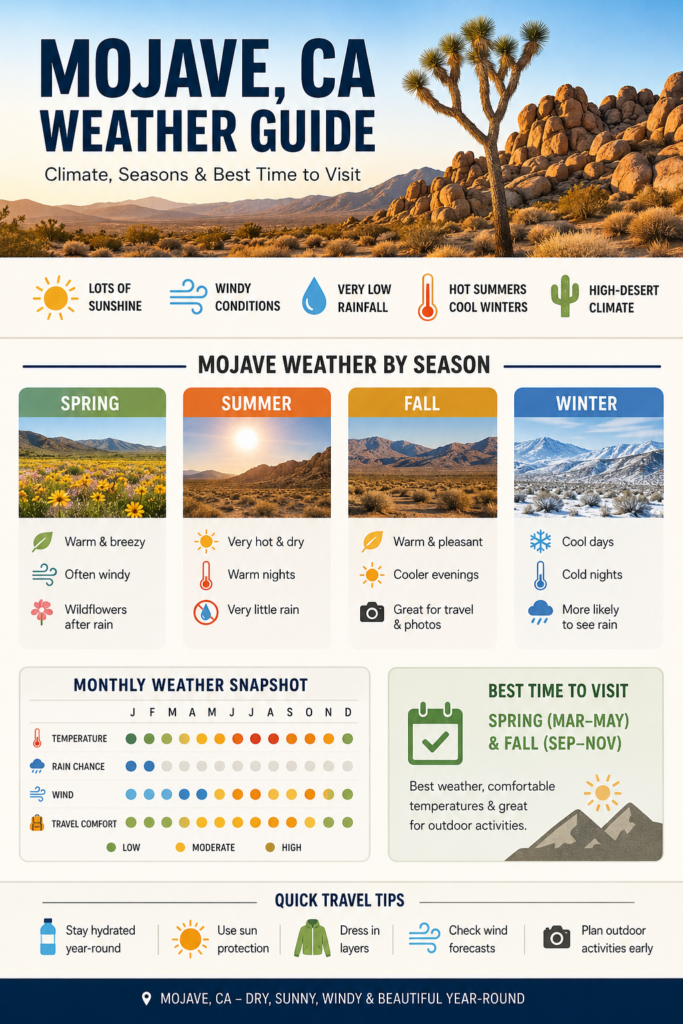
Mojave, CA, Weather is defined by dry air, strong sun, seasonal wind, and very little rainfall. Summers are hot and intense, winters are cooler with cold nights, and spring and fall often bring the most comfortable travel conditions. If you are planning a visit or researching the desert climate, understanding Mojave’s weather patterns can help you choose the best time to go and prepare for the conditions ahead.
- Mojave, CA Weather Snapshot
- Where Is Mojave, CA?
- Why geography matters for weather
- Mojave, CA Climate Explained
- Main climate traits
- What makes Mojave different from other places?
- Mojave Weather by Season
- Winter in Mojave
- Spring in Mojave
- Summer in Mojave
- Fall in Mojave
- Monthly Mojave Weather Guide
- How Hot Does Mojave Get?
- Why does desert heat feel intense?
- How to handle hot months
- Does Mojave Get Rain?
- When does rain usually come?
- Why rain matters so much here
- Rain and Desert Life
- What rain does to the desert
- Is Mojave Windy?
- Why Mojave is windy
- What wind changes
- Wind and the landscape
- Landscape Features That Shape Mojave Weather
- Common Mojave landscape features
- Hidden water in a dry place
- Flora — What Grows in Mojave?
- Common plants in Mojave
- How plants survive
- Wildflowers in spring
- Fauna — What Animals Live in Mojave?
- Common desert wildlife
- How animals react to weather
- The desert tortoise
- Human History in Mojave
- Why weather shaped history
- Old routes and movement
- What to Expect When Visiting Mojave
- What visitors usually notice first
- What to bring
- Smart travel habits
- Best Time to Visit Mojave
- Best overall seasons
- Best time for wildflowers
- Best time for a hot-weather desert experience
- Best time for quiet travel
- Pros and Cons
- Pros
- Cons
- Interesting Facts About Mojave Weather
- Environmental Importance and Conservation
- Why conservation matters
- Main environmental issues
- Travel Tips for Mojave Weather
- In hot months
- In windy months
- In cooler months
- Why People Search for Mojave, CA Weather
- FAQs
- Conclusion
Mojave, CA Weather Snapshot
Before diving deeper, here is the quick version:
Mojave is a high-desert town
Summer is hot and arid.
Winter is cool, with cold nights.s
Spring is warm but often windy.
Fall is usually the most comfortable season.
Rain is scarce for most of the year.
Wind is one of the defining weather features.s
Sunshine is common across much of the calendar.
In simple terms, Mojave weather follows classic desert rules. It is dry, bright, windy, and full of strong seasonal contrast. That is what makes it challenging, memorable, and beautiful at the same time.
Where Is Mojave, CA?
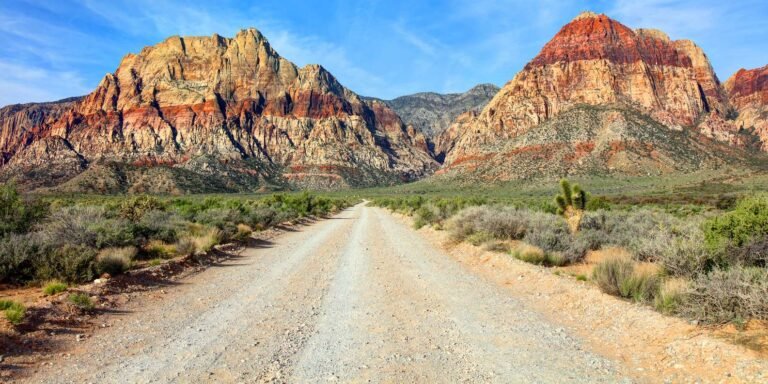
Mojave is located in Kern County, California, in the state’s high desert region. It sits at about 2,785 feet above sea level, and that elevation plays a major role in how the weather feels. Compared with coastal California, the air is drier, the nights are cooler, and temperature changes are more noticeable.
Mojave is also tied to the larger Mojave Desert, one of the best-known desert regions in North America. This desert stretches across much of California and extends into neighboring states. So Mojave is not simply a town with desert weather; it is part of a wider desert system that shapes the terrain, airflow, vegetation, wildlife, and travel experience.
Why geography matters for weather
The weather in Mojave changes because of:
Elevation
Dry air
Open terrain
Wind corridors
Summer heat retention
Winter nighttime cooling
These forces work together to create the distinct Mojave, CA, climate that so many people search for.
Mojave, CA Climate Explained
The Mojave, CA, climate is desert, marked by hot summers, cool winters, very limited rainfall, and sharp seasonal variation. That does not mean it feels identical every day. It means the region follows a clear desert pattern: mostly dry, mostly sunny, but still variable enough to feel very different from one season to the next.
Main climate traits
Mojave’s climate is characterized by:
Hot summer temperatures
Cool to cold winter nights
Very low precipitation
Low humidity
Frequent sunshine
Strong seasonal wind
Large day-to-night temperature swings
This is why Mojave can feel pleasant in the morning and harsh by afternoon, especially during warmer months. Desert weather is not just about temperature. It is also about dehydration risk, sun exposure, dryness, and wind.
What makes Mojave different from other places?
Many people think deserts all feel the same. Mojave proves otherwise. It has:
High-desert conditions
Rocky landforms
Sand in some areas
Rare water-fed habitats
Noticeable wind activity
Wildflowers burst after rainfall.l
Wildlife adapted to seasonal stress
So when people search for Mojave, CA weather, they are really asking for the whole climate story, not just a single number.
Mojave Weather by Season
The easiest way to understand Mojave weather is to look at it season by season.
Winter in Mojave
Winter in Mojave is usually cool and Relatively calm compared with summer. Daytime temperatures can feel mild, while nights often drop sharply. Some days are sunny and pleasant; others feel dry, brisk, and chilly.
Typical winter pattern:
Daytime highs are often in the mid-teens °C
Night temperatures can approach freezing during cold spells.
Rain is more likely than in summer.
Wind is usually moderate.
Winter is ideal for:
Quiet desert travel
Scenic driving
Photography
Comfortable daytime exploration
If you enjoy cooler weather and do not mind colder evenings, winter is a practical time to experience Mojave, CA, weather without extreme heat.
Spring in Mojave
Spring is one of the most fascinating seasons in Mojave. The weather warms quickly, but the wind is often lively. This is also the season when the desert can bloom if winter rainfall has been sufficient.
Typical spring pattern:
Warm daytime temperatures
Cool to mild nights
Drying the ground after winter moisture
Strong winds, especially in some months
Spring is good for:
Road trips
Scenic overlooks
Photography
Wildflower viewing
Early hiking
This is one of the main reasons travelers ask about the best time to visit Mojave. Spring often delivers bright skies, comfortable temperatures, and, if conditions are right, a brief but beautiful burst of desert color.
Summer in Mojave
Summer is the hottest time of year. It is bright, dry, intense, and often unforgiving. Mojave summer weather can reach very high daytime temperatures, while nights remain warm.
Typical summer pattern:
Very high daytime heat
Warm nights
Minimal rain
Dry air
Strong solar exposure
Summer is best for:
Early-morning stops
Short outdoor visits
Heat-tolerant travel
Prepared desert experiences
If you visit in summer, be careful and plan well. Carry plenty of water, protect yourself from the sun, and avoid long exposure during peak heat. Mojave, CA, weather in summer can be striking, but it also demands respect.
Fall in Mojave
Fall is often the most balanced season in Mojave. The intense heat begins to loosen its grip, and outdoor conditions usually become more pleasant. Wind can still appear, but the weather is often easier and more comfortable than in spring or summer.
Typical fall pattern:
Warm but less extreme days
Cooler evenings
Lower discomfort than midsummer
Strong visibility and bright skies
Fall is good for:
Travel
Outdoor photos
Relaxed driving
Desert sightseeing
Many visitors consider fall one of the best times to visit Mojave because the weather is calmer, more manageable, and more pleasant overall.
Monthly Mojave Weather Guide
A month-by-month overview makes Mojave, CA, weather easier to understand for travel planning and content research.
| Month | Typical Weather Feel | Travel Comfort | Notes |
| January | Cool days, cold nights | Good | One of the colder months |
| February | Cool, sometimes wetter | Good | Rain can occur more often |
| March | Warmer, breezy | Very good | Spring begins |
| April | Warm and windy | Good | Desert wind is common |
| May | Warm to hot, very windy | Good | Often, none of the windiest months |
| June | Hot and dry | Fair | Early summer heat builds quickly |
| July | Very hot | Low | Peak summer heat |
| August | Very hot | Low | Dry heat continues |
| September | Hot but improving | Good | Less harsh than midsummer |
| October | Warm and pleasant | Very good | One of the best travel months |
| November | Cool and comfortable | Good | Desert air begins to cool |
| December | Cool days, chilly nights | Good | Winter returns |
This monthly pattern shows an important truth: Mojave weather changes substantially through the year, and some months are far better for travel than others.
How Hot Does Mojave Get?
This is one of the most common questions people ask about Mojave, CA weather.
The simple answer is: very hot in summer.
The deeper answer is this: Mojave’s heat is not only about the number on a thermometer. It is about direct sunlight, dry air, and open terrain that absorbs and radiates heat. That combination makes the desert feel stronger and more intense than the figure alone may suggest.
Why does desert heat feel intense?
Mojave heat can feel stronger because of:
Low humidity
Direct sun exposure
Limited shade in open areas
Dry air that speeds dehydration
Wind that can make conditions feel harsher
This is why summer travel requires much more care than winter or fall trips. The landscape may look quiet and open, but the climate can be demanding.
How to handle hot months
Use basic desert safety habits:
Go out early
Drink water regularly
Wear light clothing
Use sun protection
Avoid long midday exposure.
. Check the forecast before long drives.
This is the smart way to deal with Mojave, C, A weather in the hotter months.
Does Mojave Get Rain?
Yes, but not much.
Rain is one of the defining features of the Mojave, CA, climate because it is so limited. The town receives very little annual precipitation compared with coastal or mountain regions. That dryness shapes the entire landscape.
When does rain usually come?
Rain is more likely in cooler months, especially:
Winter
Late winter
Early spring
Summer is usually extremely dry, and rainfall totals tend to remain low.
Why rain matters so much here
In many places, rain is routine background weather. In Mojave, rain is a major event because it can:
Support plant growth
Trigger short-lived blooms
Influence wildlife behavior
Affect road and travel planning.
Transform the desert landscape quickly.y
Even a small amount of rain can make a noticeable difference in the desert. That is why the Mojave, CA weather story is incomplete without discussing rainfall.
Rain and Desert Life
Rain may be rare, but it plays an outsized role in Mojave.
When rain arrives at the right time, the desert can shift from dry and still to active and colorful. Seeds lying dormant in the soil can begin to sprout. Certain flowers bloom quickly. Animals become more active. The air can feel softer, and the land can look dramatically different after even a modest shower.
What rain does to the desert
Rain can:
Trigger wildflowers
Support fast-growing plants
Refill the small water pocket.s
Help wildlife survive dry stretches.s
Change the look of the lan.d
This is why travelers often monitor rainfall before planning spring visits. The best time to visit Mojave can depend partly on whether nature has received enough moisture to bring out desert color.
Is Mojave Windy?
Yes. Mojave weather is well known for its wind.
Wind is one of the most important elements of the local climate. It is not an occasional side note; it is a consistent feature of the area and a major reason the desert feels so dynamic.
Why Mojave is windy
Wind in Mojave happens because of:
Open desert terrain
Temperature differences
Wide land surfaces
Seasonal pressure patterns
Regional airflow movement
What wind changes
Wind can influence:
Driving comfort
Dust levels
Perceived temperature
Photography conditions
Outdoor activity planning
Visibility
That is why, when people ask about Mojave, CA weather, they are often really asking, “How windy will it be?” In many cases, that question matters just as much as temperature.
Wind and the landscape
Wind does more than move air. It actively shapes the desert. It helps form:
Dunes
Desert pavement
Rock contours
Eroded surfaces
Dust-prone areas
So wind is part of Mojave’s identity both as weather and as geology.
Landscape Features That Shape Mojave Weather
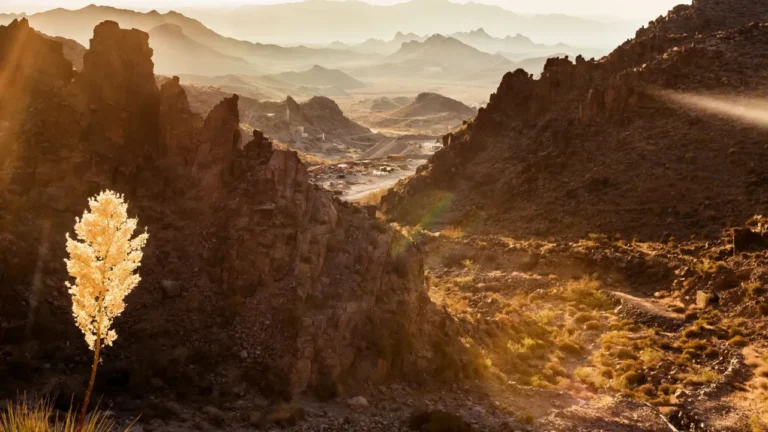
The weather in Mojave is closely linked to the land. The desert is not flat emptiness. It contains several different surfaces and elevations that influence how the climate feels.
Common Mojave landscape features
| Landscape Feature | Why It Matters |
| Dunes | Show wind movement and deposition |
| Rocky hills | Create shade and elevation changes |
| Desert pavement | Wind-shaped stone surface |
| Dry basins | Can briefly collect water after rain |
| Volcanic ground | Reflects regional geologic history |
| Springs and seeps | Support rare plant and animal life |
These features help explain why Mojave, CA, weather feels so deeply connected to the land itself.
Hidden water in a dry place
Even in a desert, water still exists below the surface or in tiny pockets. Springs, seeps, and river-fed habitats support life in places that otherwise appear too arid for much growth. These moisture-rich spots are crucial for the ecosystem.
That is why Mojave is better understood as a living desert, not an empty one.
Flora — What Grows in Mojave?
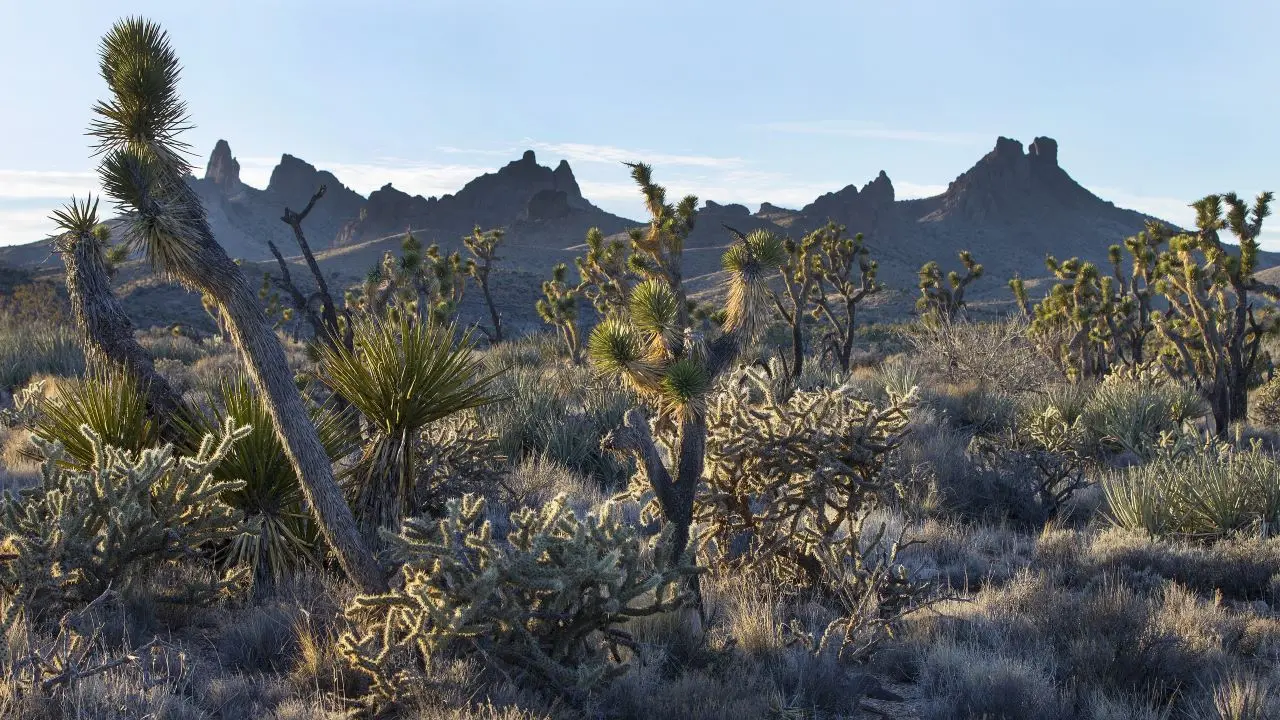
Mojave plants are resilient, adaptive, and resourceful. At first glance, the land may seem sparse. But a closer look reveals a habitat full of species that have learned how to survive with minimal water.
Common plants in Mojave
You may find:
Joshua trees
Yuccas
Cholla
Juniper
Pinyon pine in higher zones
White fir in some elevated areas
Desert wildflowers after rain
How plants survive
Desert plants survive by:
Storing water
Developing deep roots
Having small or tough leaves
Growing rapidly after rain
Reducing moisture loss
These adaptations are a major part of the Mojave, CA, climate story. The weather is harsh, so the vegetation has become highly specialized.
Wildflowers in spring
Spring is especially exciting because wildflowers may bloom after the right winter rain. Some blossoms are small and subtle, while others can completely transform the desert floor and roadside edges for a short period.
That is one reason spring is often considered the best time to visit Mojave. It combines comfortable weather with potential natural beauty.
Fauna — What Animals Live in Mojave?
The Mojave Desert supports a surprising variety of animals. The land may appear quiet or empty from a distance, but many species live here and depend on the seasonal rhythm of the climate.
Common desert wildlife
You may find:
Birds
Lizards
Jackrabbits
Foxes
Coyotes
Bighorn sheep
Tortoises
Small mammals
Insects and arachnids
How animals react to weather
Animal activity changes with Mojave, C, A weather:
Cool mornings are better for movement
Hot afternoons reduce activity.
Rain can increase feeding and breeding.
Wind affects shelter use and visibility.y
That is why weather matters not only to travelers but also to wildlife.
The desert tortoise
The desert tortoise is one of the most iconic animals in the Mojave region. This symbolizes survival, patience, and adaptation. It spends much of its time protected from heat and depends on healthy habitat conditions to thrive.
It is also a reminder that Mojave weather and Mojave life are deeply intertwined.
Human History in Mojave
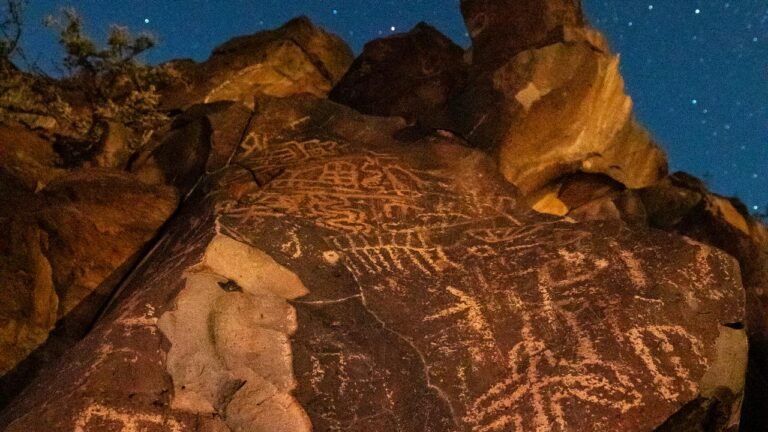
Mojave has a long and layered human history. People have lived in, passed through, and adapted to this region for thousands of years. The desert was never truly empty. It was a place of movement, exchange, survival, and endurance.
Why weather shaped history
People in the desert had to understand:
Water access
Seasonal travel
Heat risks
Wind patterns
Safe routes across dry land
Because of that, Mojave, CA, weather was always part of human life here.
Old routes and movement
The region became important for:
Trade routes
Travel corridors
Later roads and highways
Mining
Ranching
Military activity
This history shows that climate shaped not only the natural environment but also human movement and settlement patterns.
What to Expect When Visiting Mojave
If you are planning a trip, the weather should guide both your timing and your preparation.
What visitors usually notice first
Visitors often notice:
Bright sun
Dry air
Strong wind
Wide open spaces
Big temperature swings
Very little shade
That is why Mojave, CA, weather feels very different from most other parts of California.
What to bring
Bring:
Water
Sunscreen
Hat
Sunglasses
Light clothing
Layers for cooler evenings
Snacks
Phone charger
Wind protection if needed
Smart travel habits
Use these practical habits:
Start early
Avoid midday heat in summer.
Check wind forecasts
Keep extra water in the car.
Plan fuel stops ahead of time.e
Dress for both warmth and cool nighttime air
These simple steps can make a huge difference in comfort and safety.
Best Time to Visit Mojave
This is one of the most important sections of the guide.
The best time to visit Mojave depends on your goal. Limited travelers want comfort. Particularly want photographs. Some want a true desert heat experience. Some want open roads, clean skies, and calmer conditions.
Best overall seasons
For most travelers, the best seasons are:
Spring
Fall
Why?
Because these seasons usually offer:
More comfortable temperatures
Better outdoor conditions
Less heat stress
Higher travel comfort
Strong desert visibility
Best time for wildflowers
Spring is often the best time for flowers, especially after the right winter rainfall. If the bloom arrives, the desert can look completely transformed.
Best time for a hot-weather desert experience
If you want the full heat experience and can handle it, summer is the season for that. But it requires solid planning and caution.
Best time for quiet travel
Winter can be excellent for travelers who prefer cooler days, fewer crowds, and calmer outdoor visits.
Pros and Cons
Every climate has advantages and drawbacks. Here is a clear look at Mojave, CA weather.
Pros
Bright skies are common
Desert scenery is dramatic.
Fall and spring can be very pleasant.
Wildflowers may appear after rain.
Great conditions for photography and long views
Appeals to travelers who enjoy dry climates
Cons
Summer heat can be extreme
Wind can be strong and dusty.y
Rain is scarce
Winter nights can be cold.d
Outdoor planning matters more than in mild climates
This is why the best time to visit Mojave matters so much. The season changes the entire experience.
Interesting Facts About Mojave Weather
Here are some useful facts that help explain the climate more clearly:
Mojave is part of a high-desert environment
The area is known for strong winds.
Rain is limited most of the year.r
Summers are hot and dry.
Winters are cool and sometimes chilly at night.t
Spring often offers the best balance of comfort and scenery.y
Desert plants and animals are highly adapted to dry weather.
The land and the weather are closely linked.
These facts show that Mojave, CA, weather is not simple. It is a full desert system with real seasonal depth.
Environmental Importance and Conservation
The Mojave Desert is beautiful, but it is also fragile. Dry ecosystems can be damaged more easily than many people realize.
Why conservation matters
Conservation is important because the desert must be protected:
Wildlife habitat
Native plants
Water sources
Soil and landforms
Long-term ecosystem balance
Main environmental issues
Some issues in desert regions include:
Water stress
Habitat loss
Development pressure
Invasive species
Human impact on fragile terrain
That means Mojave, CA, weather is tied to more than comfort. It is tied to the health of an entire ecosystem.
Travel Tips for Mojave Weather
If you are visiting Mojave, keep these tips in mind.
In hot months
Go out early
Drink water often
Wear sun protection
Keep trips short
Avoid standing in direct sunlight for too long
In windy months
Check wind forecasts
Secure loose items
Drive cautiously
Protect your eyes from dust.
In cooler months
Bring a jacket
Wear layers
Expect cold evenings
Pack for changing conditions.
These are simple, practical ways to handle Mojave, CA, weather safely and comfortably.
Why People Search for Mojave, CA Weather
People search for Mojave, C, weather because they want more than a short forecast. They want real answers to practical questions:
Is it hot?
Is it windy?
Will it rain?
Is it safe to travel?
What should I wear?
When is the best time to visit?
What is the climate like throughout the year?
That means a strong weather page should do more than report current conditions. It should help readers understand the broader pattern. That is what makes a pillar article truly useful.
FAQs
No. Mojave, CA, weather changes a lot through the year. Summers are very hot, but winter days can be cool, and nights can become cold.
Spring is usually the windiest period, and May is often one of the strongest wind months in many climate records for the area.
No. Mojave is very dry, and rainfall is limited for most of the year. Winter and early spring are the most likely times for rain.
For most people, the best time to visit Mojave is spring or fall because the weather is more comfortable than in summer.
Wear light, breathable clothing in warm months, and add a jacket or layers for cool mornings and winter evenings. Sun protection matters year-round.
Conclusion
Mojave, CA, weather changes sharply across the seasons, but its desert character stays constant: dry, sunny, windy, and full of contrast. Summer brings extreme heat, winter brings cool nights, and spring and fall usually offer the best balance for travel. Whether you are visiting for scenery, Photography, or a desert drive, knowing the climate helps you make the most of your trip.