
Introduction
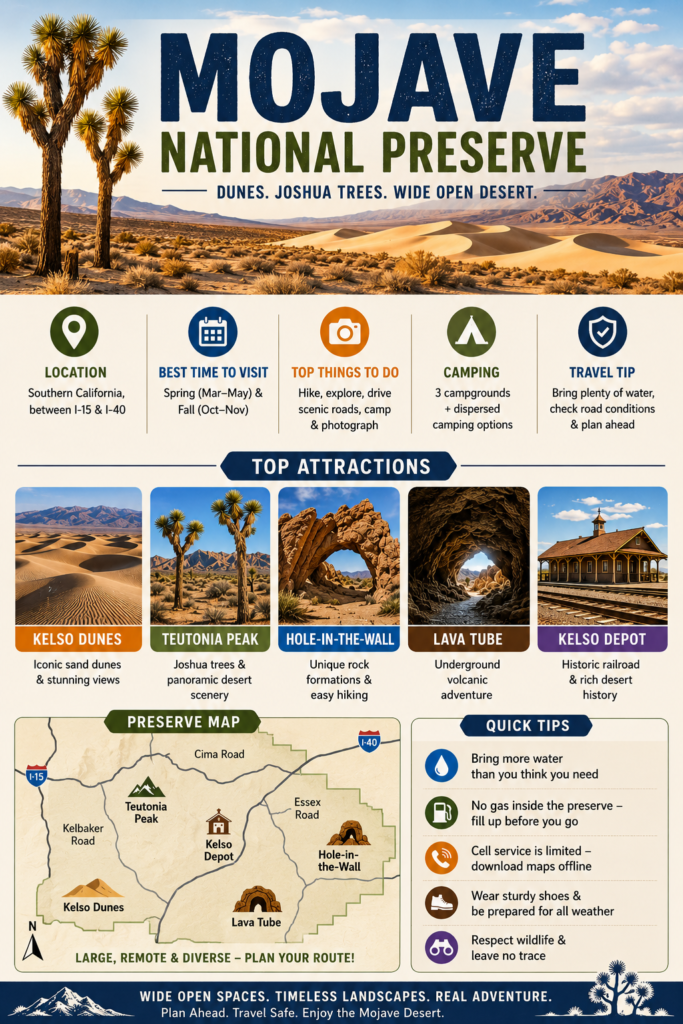
Mojave National Preserve is one of Southern California’s most impressive desert landscapes, known for its wide open spaces, Joshua trees, dunes, lava formations, and historic sites. Covering about 1.6 million acres, it offers a mix of scenic drives, hiking trails, camping areas, and remote backcountry beauty. Because the preserve is large and services are limited, a little planning goes a long way. This guide covers everything you need to know before you visit, including its location, best things to do, camping options, map, weather, wildlife, and safety tips.
- Mojave National Preserve at a Glance
- Where Is Mojave National Preserve?
- Why the location matters so much
- Best Time to Visit Mojave National Preserve
- Simple seasonal guide
- A practical travel rule
- Landscapes: What Mojave National Preserve Actually Looks Like
- Major landscape types
- Best Things to Do in Mojave National Preserve
- 1) Hike Kelso Dunes
- 2) Visit the Lava Tube
- 3) Explore Hole-in-the-Wall and the Rings Loop Trail
- 4) Hike the Teutonia Peak Trail
- 5) Stop at Kelso Depot
- 6) Visit Zzyzx and Soda Dry Lake
- Best Stops and What They Are Best For
- Camping in Mojave National Preserve
- Campground snapshot
- What to expect at the campgrounds
- Backcountry and dispersed camping
- Map and Road Guide: How to Move Around the Preserve
- Main access roads
- The road warning that matters most
- Simple map logic for first-time visitors
- Weather, Climate, and Desert Conditions
- Rain, wind, and storms
- Wildlife in Mojave National Preserve
- The desert tortoise
- Other wildlife you might see
- Plants and Desert Landscapes
- Why wildflowers matter here
- Human History and Culture
- Indigenous history
- Mining, ranching, and transportation routes
- Kelso Depot and rail history
- Survival Tips and Safety Rules You Should Not Ignore
- The most important travel rule
- Gas, cell service, and distance
- Vehicle safety
- What to bring
- Suggested One-Day Trip Plans
- Option 1: Best first-time road trip
- Option 2: Best geology day
- Option 3: Best canyon and camp trip
- Pros and Cons
- Pros
- Cons
- Interesting Facts About Mojave National Preserve
- Conservation and Environmental Issues
- FAQs
- Conclusion
Mojave National Preserve at a Glance
| Key Detail | What to Know |
| Location | Southern California, mainly in San Bernardino County, with access from Baker, Cima, Nipton, Essex, and the I-40 / I-15 corridors |
| Size | About 1.6 million acres |
| Established | 1994, through the California Desert Protection Act |
| Entry fee | No entrance fee required |
| Best seasons | Spring and fall are usually the most comfortable |
| Road reality | Many backcountry roads require high-clearance vehicles and often 4WD |
| Services | No gas, food service, or lodging inside the preserve, in the way most towns have them |
| Must-check item | Current road status, weather, and preserve conditions before every trip |
This table tells the truth about Mojave at a glance. It is large, remote, and beautiful, but it is not a place where you can assume standard city convenience. Knowing that in advance is part of the experience.
Where Is Mojave National Preserve?
Mojave National Preserve sits in southern California between the Interstate 15 and Interstate 40 corridors. It is not hidden in a hard-to-find corner of the map, but it can still feel far away because the interior distances are much greater than they first appear. The preserve can be entered from several access points, including Baker, Kelbaker Road, Cima Road, Nipton Road, Essex Road, and the I-40 / I-15 corridor.
That easy access can be misleading. When people first look at the preserve, they often assume the attractions are close together. In reality, the preserve is wide, open, and spread out, with long stretches of road between major stops. A point that looks nearby on a phone screen may still require a long drive. That is why the official advice to check maps and current road conditions matters so much.
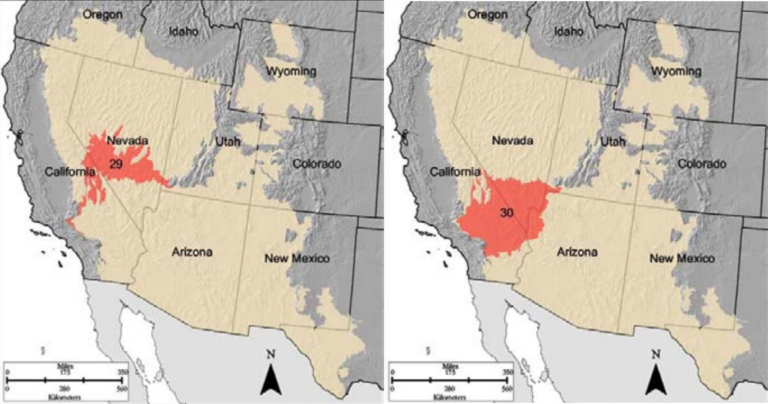
Mojave National Preserve also occupies a fascinating ecological crossroads. According to the National Park Service, three of North America’s major deserts come together here: the Mojave, Great Basin, and Sonoran. That mix helps explain the dramatic variety in terrain, elevation, plants, and wildlife. It is one of the reasons the preserve feels so much more varied than a simple “desert drive.”
Why the location matters so much
This preserve is not just a desert somewhere in California. Its position shapes the entire travel experience. The north side gives you access from Baker and I-15. The south side links to I-40 and the Route 66 corridor. The east and west routes create different touring possibilities, which is useful if you are combining the preserve with a larger Southwest road trip.
For first-time visitors, it helps to think in terms of travel corridors instead of individual attractions. Once you do that, the preserve becomes much easier to navigate and enjoy.
Best Time to Visit Mojave National Preserve
The preserve’s weather is most comfortable in spring and fall. That is not just a casual recommendation; it is a practical truth shaped by desert conditions. Temperatures can swing dramatically based on elevation, time of year, and time of day. In the lower desert, heat can become intense surprisingly early in the year, while higher elevations can be cold or even snowy during winter.
Spring is often the most appealing season for many travelers because wildflowers can bloom along roadsides and in open areas, especially in April and May. The landscape may still look spare to the untrained eye, but the presence of color across the desert floor can transform a trip.
Fall is another excellent season. The air is usually more comfortable, sunsets are dramatic, and camping conditions are often better than in the extreme heat of summer. Winter can be beautiful and peaceful, but the shorter days and colder nights make planning more important. Summer is the most Demanding time to visit because the heat can become severe, especially in the lower elevations.
Simple seasonal guide
Spring: Best for wildflowers, hiking, scenic drives, and comfortable camping.
Summer: Very hot in the low desert; only early starts and strict planning make sense.
Fall: Excellent temperatures, clearer skies, and strong sunset light.
Winter: Quiet and atmospheric, but mornings and higher elevations can be very cold.
A practical travel rule
If your plan includes a hike, dirt road, or campground stay, start earlier than you think you need to. Desert trips always take longer than they appear to on a map. Heat, distance, and low daylight in winter can all reduce your margin for error. The preserve’s own travel guidance emphasizes checking conditions before departure for a reason.
Landscapes: What Mojave National Preserve Actually Looks Like
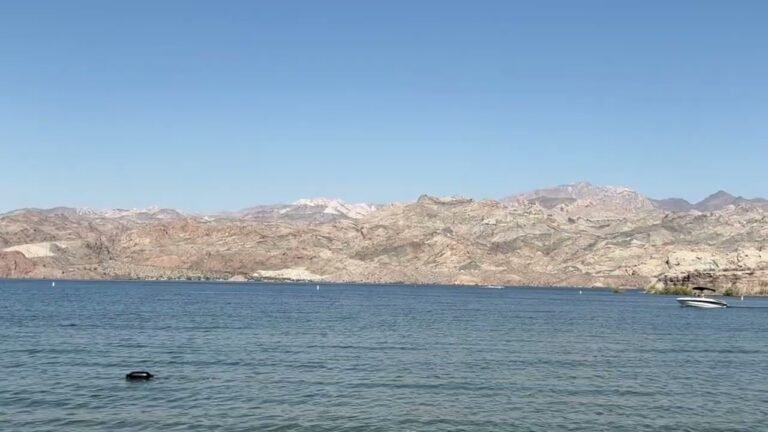
Mojave National Preserve is not one flat, empty stretch of sand. It contains mountains, valleys, dunes, cinder cones, lava flows, canyons, Joshua tree forests, and an ephemeral dry lake basin, along with a deep geologic history. The terrain changes constantly as you move from one road to another.
That variety is one of the preserve’s greatest strengths. In a single day, you can pass through open desert flats, volcanic landscapes, rocky canyon country, and high-elevation Joshua tree habitat. The preserve feels layered rather than uniform, and that complexity is part of what makes it so rewarding.
Major landscape types
Dunes:
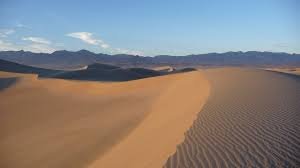
The most famous dunes are the Kelso Dunes, which rise more than 600 feet and are one of the signature experiences in the preserve.
Volcanic country:
Dark lava fields, cinder cones, and rugged rock formations create a dramatic landscape, especially along the Kelbaker Road area. The Lava Tube is one of the best-known examples.
Joshua tree forests:
The Cima area contains the largest and densest Joshua tree forest in the world, though parts were damaged by the 2020 Dome Fire and continue to recover.
Canyons and rock walls:
Hole-in-the-Wall offers a very different environment, with volcanic rock, narrow passages, and a canyon setting that feels more enclosed and adventurous than the open desert floor.
The preserve’s diversity is what gives it strong appeal for hikers, road-trippers, photographers, campers, geology fans, and anyone who enjoys big landscapes with real character.
Best Things to Do in Mojave National Preserve
Mojave National Preserve is large enough that it works best when you plan around a few anchor experiences rather than trying to see everything at once. The best visits usually combine one scenic drive, one or two hikes, and one history stop. That balance gives you the feeling of the preserve without exhausting yourself on the road.
1) Hike Kelso Dunes
Kelso Dunes are one of the preserve’s most iconic features. Rising more than 600 feet, they dominate the surrounding landscape and offer a memorable hike that feels much bigger than the trail description suggests. The access road is gravel but generally does not require 4WD, which makes this one of the more approachable major stops in the preserve.
The reward is a sweeping desert panorama, soft sand underfoot, and the satisfying sensation of climbing a natural feature that seems to expand as you approach it. It is the kind of stop that leaves a lasting impression because of both its scale and its silence.
For many first-time visitors, Kelso Dunes is one of the best places to start. It gives you a classic Mojave experience without demanding a full day of rough-road driving.
2) Visit the Lava Tube
The Lava Tube is one of the most distinctive geological attractions in the preserve. It formed about 27,000 years ago when molten lava moved across the desert floor and left behind a hollow tunnel. Today, visitors can walk inside it and enjoy a cool, unusual underground experience that feels very different from the sunlit desert outside.
The road to the Lava Tube is rough, and a high-clearance vehicle is strongly recommended. This is not a casual roadside stop. It is a small adventure that requires some preparation, including water, a flashlight, and a willingness to handle bumpy access roads.
For travelers who enjoy geology, unusual formations, and short but memorable hikes, this is one of the best stops in the preserve.
3) Explore Hole-in-the-Wall and the Rings Loop Trail
Hole-in-the-Wall is one of the preserve’s most dramatic and popular areas. The Rings Loop Trail is about 1.5 miles round trip and takes hikers through Banshee Canyon, where metal rings bolted into the rock help visitors move through narrow sections of the trail.
The area feels completely different from the open dune country or the wide Joshua tree flats. Instead, it offers volcanic rock walls, tighter passages, and a stronger sense of enclosure. That change in scenery is part of what makes the area so appealing.
Hole-in-the-Wall is also a strong base for camping and a good spot for visitors who want both trail access and a more structured place to orient themselves.
4) Hike the Teutonia Peak Trail
The Teutonia Peak Trail is one of the best short hikes in the Mojave National Preserve. The round trip is about 3 miles and passes through classic Joshua tree terrain with broad views of Cima Dome and the surrounding desert country.
This hike matters for two reasons. First, it is accessible and not overly demanding. Second, it provides one of the most recognizable Mojave scenes in the preserve. Even after the 2020 Dome Fire, the trail remains a meaningful place to understand the beauty, fragility, and resilience of the desert.
For many visitors, Teutonia Peak Trail is one of the strongest choices when they want a quick but worthwhile hike.
5) Stop at Kelso Depot
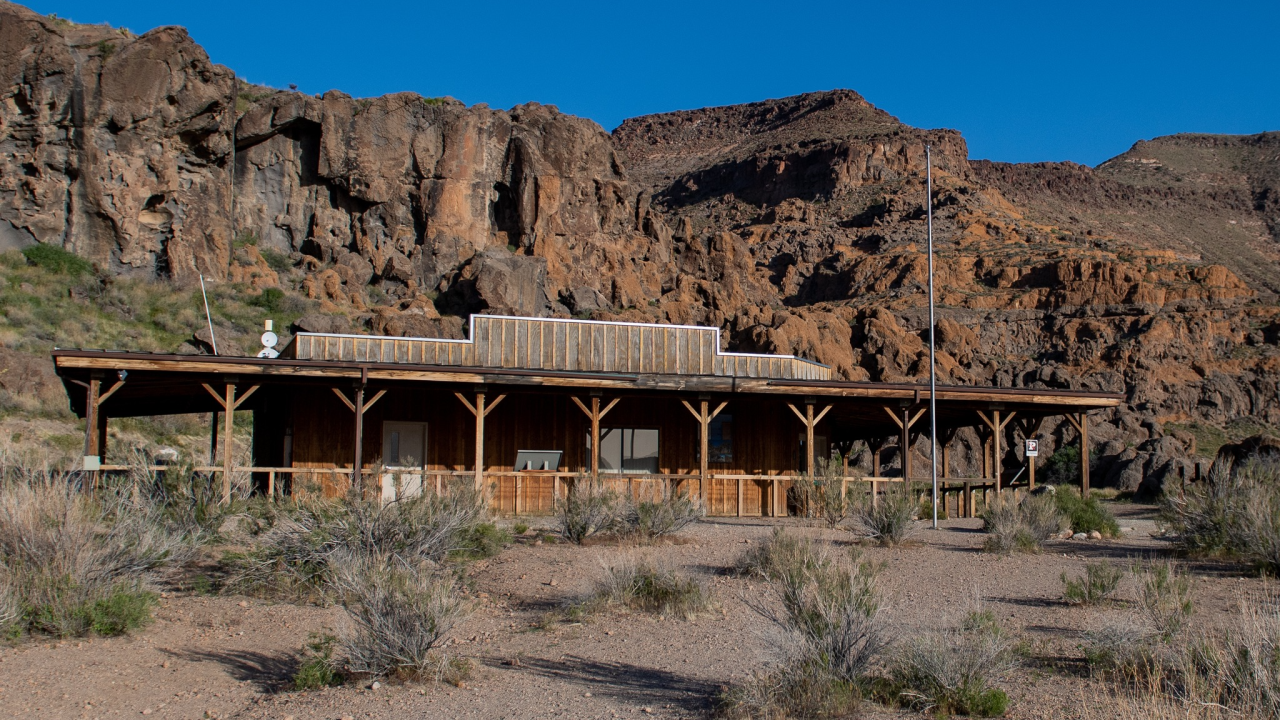
Kelso Depot is one of the preserve’s most important historical stops. Restored to its 1924 appearance, it serves as a central historic visitor center and museum site tied to railroad history in the desert.
The depot is more than an old building. It represents the transportation and settlement history that helped shape the region. It also gives visitors a place to understand the preserve before heading deeper into it.
One important note is that the visitor center has been closed for rehabilitation and is expected to reopen in 2026, so it is essential to check current conditions before planning your trip around it. Even so, Kelso Depot remains one of the most meaningful stops in the preserve’s story.
6) Visit Zzyzx and Soda Dry Lake
Zzyzx is one of the most unusual place names in the Southwest and one of the most memorable stops in Mojave National Preserve. The road is paved and suitable for all vehicles, which makes this a very accessible place to visit.
The area is home to the California State University Desert Studies Center, which is private property, but visitors can still enjoy the surroundings, birding opportunities, wildlife viewing, picnicking, and the nearby waters of Lake Tuendae.
Zzyzx is not the preserve’s most dramatic location, but it is one of its most interesting. It has a quieter, stranger, more reflective character that adds depth to the overall experience.
Best Stops and What They Are Best For
| Stop | Best For | Travel Note |
| Kelso Dunes | Big views and an iconic desert hike | Accessible by gravel road; no 4WD required |
| Lava Tube | A short geology adventure | High-clearance vehicle recommended; road can be rough |
| Hole-in-the-Wall / Rings Loop | Canyon hiking and rock scenery | Great base area with nearby visitor services |
| Teutonia Peak Trail | Joshua tree views and open landscapes | Easy paved access via Cima Road |
| Kelso Depot | Rail history and orientation | Check the current closure status before planning around it |
| Zzyzx / Soda Dry Lake | Birding and desert history | Paved access; private research center at road end |
This type of planning table is useful because Mojave National Preserve is not one unified attraction. It is a network of places, each with a different personality. The better you match the stop to your travel style, the better your day will be.
Camping in Mojave National Preserve
Camping is one of the most rewarding ways to experience Mojave National Preserve because the night sky, quiet, and open space are central to the preserve’s identity. Staying overnight changes everything. The desert becomes calmer, the stars become brighter, and the landscape feels even larger after sunset.
The preserve has three developed campgrounds: Mid Hills, Hole-in-the-Wall, and Black Canyon. These campgrounds are open year-round and can accommodate different types of travelers, including tent campers, vans, and RVs.
Each campground has a different setting and feel.
Mid Hills sits at about 5,600 feet and is generally cooler than lower desert sites.
Hole-in-the-Wall sits at around 4,400 feet and is surrounded by volcanic rock scenery.
Black Canyon is another useful option, especially for group and equestrian use.
The preserve also provides water at Hole-in-the-Wall and Black Canyon Group Campground, while Mid Hills requires water to be hauled in. That detail matters because water is one of the biggest planning factors in desert camping.
Campground snapshot
| Campground | Best For | Important Note |
| Mid Hills | Cooler nights and high-desert camping | Water must be hauled in |
| Hole-in-the-Wall | Basecamp for hiking and canyon access | Water available; reservations required for some sites |
| Black Canyon | Group use and easier access | Water available at the group/equestrian campground |
What to expect at the campgrounds
The developed campgrounds generally include vault toilets, fire rings, picnic tables, and trash receptacles. Mid Hills and Hole-in-the-Wall can accommodate up to eight people per site and are reservation only. Larger groups need the Black Canyon Group and Equestrian Campground.
Temperature matters a great deal here. The preserve’s campground conditions can shift sharply with elevation and season. In summer, lower sites can feel hot even after sunset. In winter, higher elevations can become very cold. Packing for nighttime conditions is just as important as packing for the day.
Backcountry and dispersed camping
The preserve also allows backcountry camping and dispersed camping in some areas. This is one of the main draws for travelers seeking solitude. The preserve contains nearly 700,000 acres of designated wilderness, and backpackers can find extraordinary quiet and dark skies there.
Still, desert backcountry camping demands respect. Water sources are scarce, roads may be rough, and navigation can be difficult if you are not prepared. Anyone planning to camp beyond a developed campground should expect to carry enough water, know the route, and understand parking rules and overnight vehicle expectations.
In the desert, good camping is not just about having a tent. It is about having a plan.
Map and Road Guide: How to Move Around the Preserve
The map is a major part of visiting Mojave National Preserve. Because the preserve is so large, the road network shapes the trip almost as much as the attractions themselves. Some major routes are paved, while many backcountry roads are rough and should only be attempted with the right vehicle and preparation.
The preserve’s official guidance is very clear: many dirt roads are not suitable for standard passenger cars, and road conditions can change after weather events. That means a simple map app is not enough. You need a real plan.
Main access roads
Kelbaker Road is one of the preserve’s most important paved corridors. It connects Baker on I-15 to I-40 and continues toward Route 66 country. It also provides access to Kelso Dunes, Kelso Depot, and the Aiken Mine Road turnoff for the Lava Tube.
Cima Road is a paved 18-mile route connecting I-15 to Cima. It passes through classic Joshua tree country and leads to Teutonia Peak Trail.
Essex Road connects I-40 to Hole-in-the-Wall and also leads toward the Providence Mountains State Recreation Area and Mitchell Caverns.
Zzyzx Road is a short paved route located west of Baker off I-15. It is suitable for all vehicles and offers one of the easiest desert stops in the preserve.
The road warning that matters most
Many backcountry roads have unknown damage and may require high clearance, 4WD, and sturdy tires. Some routes have washboard surfaces, sand, rocks, or other obstacles. Even all-wheel-drive vehicles may not be suitable for some of the roughest roads.
That is one of the most important travel realities in the preserve. A vehicle that works fine on city streets may still struggle badly here.
Simple map logic for first-time visitors
A practical first trip often looks like this:
North side: Cima Road + Teutonia Peak
Central / west side: Kelbaker Road + Kelso Depot + Kelso Dunes
Southwest access: Lava Tube or nearby Aiken Mine Road stops.
East side: Hole-in-the-Wall via Essex Road
Easy roadside stop: Zzyzx
This layout keeps you from backtracking too much and makes the preserve feel more manageable.
Weather, Climate, and Desert Conditions
Mojave National Preserve has a true high-desert climate. Conditions vary significantly by elevation, and temperatures can change quickly throughout the day. The preserve’s weather guidance emphasizes that spring and fall are the most comfortable seasons, while summer heat can become extreme. Higher elevations may receive snow in winter, and daily temperature swings can be large.
That means layers are essential. A warm midday desert drive can turn into a cold evening quickly, especially if you are camping or hiking in higher terrain. The short days of winter can also make it easier to lose track of time.
Rain, wind, and storms
The preserve may be dry, but the weather still matters. Rain is limited and uneven, yet storms can create road problems, washouts, and sudden closures. Desert weather can also bring flash flooding risk in washes and low areas.
If you are visiting Mojave National Preserve, the weather should shape your schedule from the beginning rather than being treated as a side note. Start early, carry layers, and build in extra time for delays or slow travel.
Wildlife in Mojave National Preserve
Mojave National Preserve supports a surprising amount of wildlife. The National Park Service notes that the preserve is home to dozens of mammal species, more than 200 bird species, many reptiles, amphibians, fish, and a wide range of insects and arachnids.
That means the preserve is not just a scenic destination. It is also a wildlife-viewing destination, especially if you are patient, quiet, and willing to look closely at roadsides, washes, and trail edges.
The desert tortoise
The desert tortoise is one of the preserve’s most important animals. It is uniquely adapted to dry conditions and can survive long periods without free water by retreating to burrows. At the same time, it is vulnerable to human impact, vehicle strikes, and habitat stress.
For that reason, careful driving matters. Spring and summer are especially sensitive times because tortoises may be more active.
Other wildlife you might see
Birdwatchers may spot roadrunners, hawks, eagles, and migratory birds. Reptile watchers may see lizards and snakes, though caution is important because some snakes are venomous. Larger mammals in the region can include bighorn sheep, bobcats, mountain lions, and jackrabbits.
The preserve is rich in wildlife, but much of it is best appreciated with patience and caution.
Plants and Desert Landscapes
Joshua trees are the plant most people associate with Mojave National Preserve, but the vegetation story is much broader. The preserve contains cactus gardens, chaparral zones, relict white fir communities, and the largest and densest Joshua tree forest in the world. Springs and seeps create tiny pockets of life that support a surprising variety of plant and animal species.
Elevation changes make a major difference. Lower areas often feature Joshua trees, yuccas, and cacti, while higher elevations support cooler and more varied plant communities. This variation adds depth to the experience and makes repeated visits feel different each time.
Why wildflowers matter here
Spring wildflowers can be one of the most rewarding surprises in the preserve. Some of the best viewing is often along the roads rather than in a single famous field. Cima Road, Morning Star Mine Road, Kelbaker Road, and Kelso Cima Road are among the places where roadside blooms can be especially noticeable in April and May.
This is one reason slow driving is important. Some of the preserve’s best moments are easy to miss if you move too fast.
Human History and Culture
Mojave National Preserve is far from empty land. The preserve reflects roughly 10,000 years of human connection with the desert, including Indigenous history, trade routes, mining, ranching, railroads, and later conservation efforts.
Indigenous history
The Mojave people and other Native communities have deep ties to this region. Their relationship with the desert involved movement, trade, survival, and adaptation across a landscape that was never truly uninhabited. This history is fundamental to understanding the preserve.
Mining, ranching, and transportation routes
Later, mining and ranching transformed parts of the desert, followed by the expansion of railroads and roads. Historic routes such as the Mojave Road and the Old Spanish Trail helped shape how the region was used and understood.
Kelso Depot and rail history
Kelso Depot remains one of the clearest reminders of the railroad era. It shows how rail transportation once influenced settlement and movement through the desert. Many of the preserve’s interpretive sites help tell this larger story of travel, extraction, settlement, and eventual preservation.
This is a place where natural history and human history overlap constantly.
Survival Tips and Safety Rules You Should Not Ignore
Mojave National Preserve is beautiful, but it is also remote. That remoteness is part of its appeal, yet it also means that mistakes become expensive very quickly. The preserve’s planning guidance makes one thing clear: visitors should not assume they can improvise everything once they arrive.
The most important travel rule
Bring more water than you think you need. In desert conditions, water is not a comfort item. It is a survival item. Naturally occurring water is rare, and even short hikes can become risky if you are unprepared.
Gas, cell service, and distance
Fuel is limited around the preserve, and some of the last reliable gas options are outside the park boundary. Cell coverage can also be unreliable or nonexistent in many areas. That means your phone should be treated as a tool, not a safety net.
Vehicle safety
Many roads in the preserve are rough, sandy, or damaged. High clearance is often necessary, and some routes require 4WD. After rain or storms, road conditions can worsen quickly. If your vehicle is not suited to rough desert roads, staying on paved corridors is the smart choice.
What to bring
A good day pack for Mojave National Preserve should include water, snacks, sun protection, layers, a map, and a flashlight. If you are visiting the Lava Tube or planning to be out near sunset, a light source becomes essential. For camping or longer hikes, extra water and route awareness matter even more.
Safety in the preserve is mostly about preparation, not fear. The landscape is demanding, but it becomes much more enjoyable when you respect its limits.
Suggested One-Day Trip Plans
Option 1: Best first-time road trip
Start with Kelso Depot, then drive to Kelso Dunes, and finish with a sunset stop near Cima Road or Teutonia Peak Trail. This route gives you history, big desert scenery, and classic Joshua tree landscapes without trying to cover too much ground.
Option 2: Best geology day
Visit the Lava Tube first, then continue to Kelso Dunes, and end with a calmer paved-road stop like Zzyzx. This gives you a varied experience that moves from underground geology to open sand to quiet, low-effort roadside scenery.
Option 3: Best canyon and camp trip
Base yourself at Hole-in-the-Wall, hike the Rings Loop Trail, and spend the night in the campground. This works especially well if you want a slower visit with less driving and more time outdoors.
A well-built itinerary matters a lot in a preserve this large. It is better to see fewer things well than to try to overpack the day.
Pros and Cons
Pros
Mojave National Preserve offers dunes, lava, Joshua trees, canyons, history, camping, and wild open desert in one massive landscape. The preserve also has no entrance fee, which makes it accessible for a wide range of travelers.
Cons
The preserve is large, remote, and spread out. Many roads require high clearance or 4WD, and services are limited. Summer heat can be intense, and winter nights can be very cold at higher elevations.
These strengths and weaknesses are really two sides of the same coin. The preserve is appealing because it is so open and undeveloped, but that same openness requires responsibility.
Interesting Facts About Mojave National Preserve
Mojave National Preserve was established in 1994 and protects a landscape shaped by the Mojave, Great Basin, and Sonoran deserts. That mix gives the preserve its unusual ecological character.
The Lava Tube formed around 27,000 years ago, and the Kelso Dunes rise more than 600 feet above the desert floor. Both are striking examples of how geology gives the preserve its identity.
The preserve also reflects a deep transportation history. Historic travel routes, rail development, and desert water access all helped shape the region long before it became protected land.
Conservation and Environmental Issues
Mojave National Preserve is important not only because it is scenic, but because it protects fragile desert ecosystems. Desert plants and animals adapt slowly, and damage can last a long time in arid environments.
The desert tortoise is one of the clearest conservation examples. It is vulnerable to disease, habitat disruption, and vehicles. That makes careful driving and responsible travel especially important.
Fire is another significant concern. The 2020 Dome Fire burned large portions of the Cima Dome Joshua tree forest, and recovery is still an important long-term issue. This is a reminder that the desert is resilient, but not indestructible.
Responsible travel helps protect the preserve for the future. Staying on designated roads and trails, carrying out trash, respecting closures, and avoiding damage to plants or wildlife all make a difference.
FAQs
Yes. The National Park Service says no entrance fee is required to access Mojave National Preserve.
Spring and fall are usually the most comfortable seasons. The preserve also notes that wildflowers often show well in April and May.
Yes, on some paved roads and easier routes. But many backcountry roads require high clearance and 4WD, and some dirt roads are not suitable for standard passenger cars.
Yes. The preserve has Mid Hills, Hole-in-the-Wall, and Black Canyon developed campgrounds, plus dispersed and backcountry camping in some areas.
No. The preserve says there are no gas stations inside it, so you should fuel up before entering. You should also bring food and water with you.
Conclusion
Mojave National Preserve is a place where dramatic desert scenery, rich history, and quiet solitude come together. Whether you come for a day trip, a camping adventure, or a scenic road journey, the preserve rewards visitors who plan and Travel Carefully. With the right preparation, you can enjoy some of the most memorable landscapes in the Mojave Desert.