
Introduction
The Mojave Desert is one of the most famous desert regions in the United States. Known for Joshua trees, Death Valley, rugged mountains, and vast open landscapes, it stretches mainly across California and Nevada, with smaller parts reaching Arizona and Utah. Understanding the Mojave Desert location can be confusing because its natural boundaries blend into nearby deserts and mountain regions. This guide explains where the Mojave Desert is, its climate, plants, animals, landmarks, and why it remains one of the most important desert ecosystems in North America.
- What Is the Mojave Desert?
- Mojave Desert Location: Where Is It Exactly?
- A simple way to picture the location
- Which States Does the Mojave Desert Cover?
- Mojave Desert state coverage at a glance
- Why Do Mojave Desert Boundaries Look Different on Different Maps?
- Why are the edges blurred?
- What this means for readers
- Mojave Desert Boundary Comparison
- Main Landmarks That Help Explain the Mojave Desert Location
- Key Mojave landmarks
- Death Valley National Park
- Joshua Tree National Park
- Mojave National Preserve
- Mojave Trails National Monument
- Climate and Weather in the Mojave Desert
- Summer weather
- Winter weather
- Spring and fall
- Wind and storms
- Mojave Desert Rainfall and Temperature Patterns
- Why elevation matters
- What this means for the land
- Landscape Features of the Mojave Desert
- Major landforms in the Mojave
- Dunes
- Rocky ranges
- Salt flats and dry lake beds
- Volcanic landscapes
- Mojave Desert Plants: Flora That Survive in Harsh Conditions
- Famous Mojave plants
- Joshua trees
- Creosote bush
- Cacti and wildflowers
- How Mojave plants survive
- Mojave Desert Animals: Wildlife That Lives in the Desert
- Common and notable Mojave animals
- Mammals
- Reptiles
- Birds
- Why wildlife matters here
- Mojave Desert Ecosystem: Why It Matters
- What makes the ecosystem important
- Human History in the Mojave Desert
- Indigenous history
- Mining and settlement
- Transportation and Route 66
- Military history
- Tourism and Travel Tips for the Mojave Desert
- The best reasons people visit
- Best places for visitors
- Travel Safety Tips for the Mojave Desert
- Important travel tips
- Why this matters
- Best Time to Visit the Mojave Desert
- Why this season is better
- When to be extra careful
- Conservation Issues in the Mojave Desert
- Main conservation issues
- Why conservation matters
- Protected areas help
- Mojave Desert Key Facts
- Pros and Cons
- Pros
- Cons
- Interesting Facts About the Mojave Desert
- 1. It is a high desert
- 2. It is not empty
- 3. It includes famous parks
- 4. It has changing boundaries
- 5. It can look still, but change fast
- Common Mistakes People Make About the Mojave Desert
- Mistake 1: Thinking it is all sand
- Mistake 2: Thinking it is empty
- Mistake 3: Thinking the boundary is exact
- Mistake 4: Thinking it is hot all the time
- Mistake 5: Thinking it is easy to travel through
- FAQs
- Conclusion
What Is the Mojave Desert?
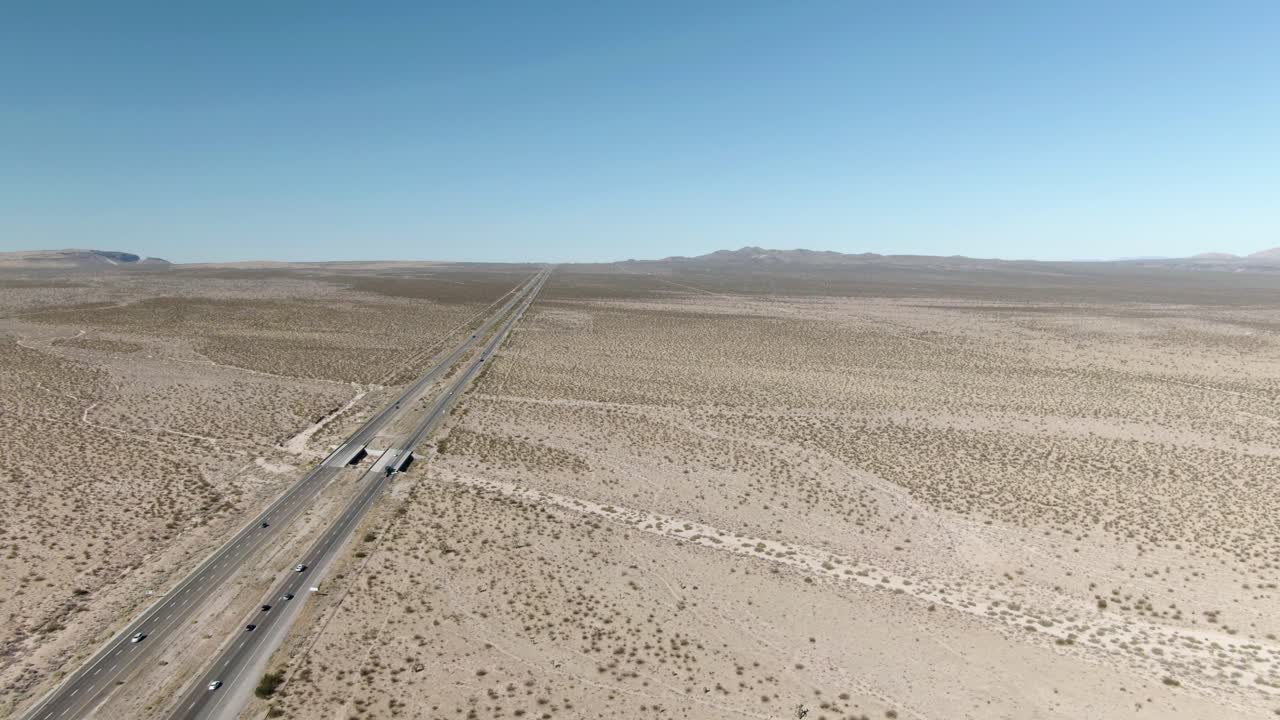
The Mojave Desert is a high desert region in the southwestern United States. It is known for open horizons, intense sunlight, limited rainfall, and dramatic scenery. Many people recognize it for Joshua trees, salt flats, dunes, rugged hills, and places such as Death Valley National Park and Mojave National Preserve.
It is often described as a high desert because much of it sits at a higher elevation than low desert areas. That matters because elevation affects temperature, rainfall, vegetation, and the overall feel of the landscape. In some stretches, the Mojave appears as a harsh basin. In others, it looks like a rocky mountain desert filled with hidden life.
The Mojave is not vacant land. It is a living system made up of plants, animals, people, roads, history, and protected areas. It has influenced travel routes, settlement patterns, and conservation efforts for generations.
Mojave Desert Location: Where Is It Exactly?
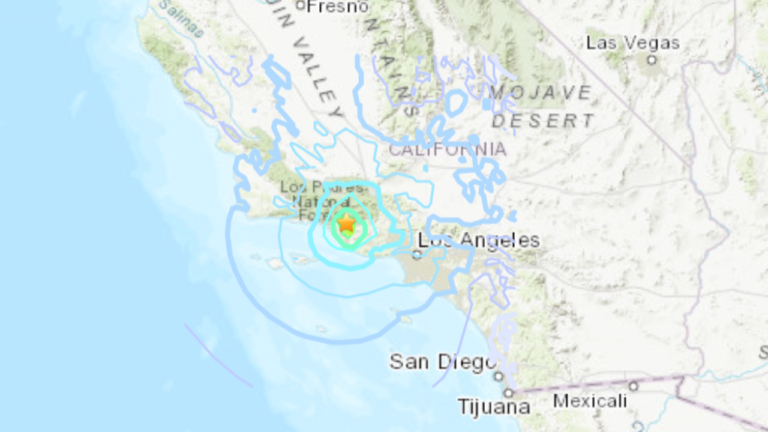
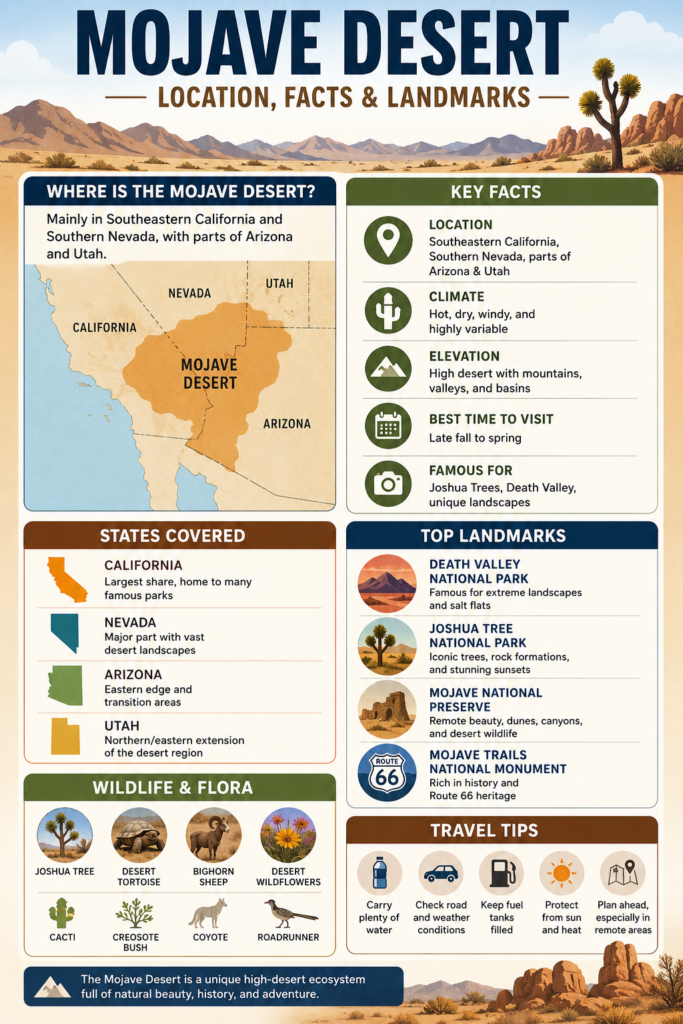
The simplest answer is this: the Mojave Desert location is mainly in southeastern California and southern Nevada, with smaller parts extending into Arizona and Utah.
That is the basic answer. But the full picture is more nuanced.
The Mojave sits in the southwestern United States, between other major desert and mountain systems. It is commonly described as lying:
- north of the Sonoran Desert
- south of the Great Basin Desert
- near the Sierra Nevada
- near parts of the Colorado Plateau
This is why its edges are not always drawn the same way on every map. The Mojave is a natural region, not a political district. Nature does not obey state borders neatly.
A simple way to picture the location
Think of the Mojave Desert as a broad desert zone stretching across a corner of the American Southwest. Its core lies in California and Nevada, but its influence reaches beyond those lines. The region is shaped by elevation, geology, wind, rainfall, and plant communities, not only by state boundaries.
Which States Does the Mojave Desert Cover?
The Mojave Desert spans four states:
- California
- Nevada
- Arizona
- Utah
California contains the largest portion of the Mojave. That is why so many of the desert’s most famous places are found there, including Joshua Tree, Death Valley, and Mojave National Preserve.
Mojave Desert state coverage at a glance
| State | Role in the Mojave Desert | General Importance |
| California | Largest share | Home to many famous parks and desert roads |
| Nevada | Major part | Wide desert plains and protected desert landscapes |
| Arizona | Smaller part | Eastern edge and transition areas |
| Utah | Smaller part | Northern/eastern extension in the broader desert region |
This table gives a simple state-level view. But the most important thing to remember is that the Mojave is a natural region, so its exact borders are often defined differently depending on whether the map is made for travel, science, or conservation.
Why Do Mojave Desert Boundaries Look Different on Different Maps?
This is one of the most important parts of understanding the Mojave Desert location.
The boundary looks different on different maps because the Mojave is a transition zone. It does not end at a sharp line like a city border. Instead, it merges Gradually into nearby deserts, foothills, and ecological regions.
Why are the edges blurred?
The Mojave’s boundaries can shift depending on:
- elevation
- climate
- geology
- plant life
- ecological classification
- whether the map is for travel, science, or conservation
That means one source may focus on the desert’s core territory, while another may include a wider ecological frame. Both can be correct, but they are answering slightly different questions.
What this means for readers
If someone asks, “Where does the Mojave Desert start and end?” the honest answer is that the edges are approximate, not exact. That is completely normal for a natural region with gradual transitions.
A simple rule helps:
- Core Mojave = southeastern California + southern Nevada
- Broader Mojave region = also parts of Arizona and Utah
Mojave Desert Boundary Comparison
Here is a clearer side-by-side view of how the Mojave is often described.
| Source Style | How It Describes the Mojave | Why It Looks Different |
| General geography view | Southeastern California and parts of Nevada, Arizona, and Utah | Focuses on a broad location summary |
| Travel/location view | Mostly southeastern California and southern Nevada, with smaller extensions into Arizona and Utah | Focuses on the desert as a place to visit |
| Ecological view | A transition zone bounded by other deserts and mountain systems | Focuses on natural borders, not political ones |
This is why the Mojave Desert map can feel confusing at first. The region is real, but it is not boxed into a neat square.
Main Landmarks That Help Explain the Mojave Desert Location
The easiest way to understand the Mojave Desert location is to connect it with famous places. These landmarks act like real-world anchors on the map.
Key Mojave landmarks
- Death Valley National Park
- Joshua Tree National Park
- Mojave National Preserve
- Mojave Trails National Monument
These places help people understand not just where the Mojave is, but also what it looks and feels like.
Death Valley National Park
Death Valley is one of the most famous desert places in the world. It is known for extreme heat, low rainfall, salt flats, and large open basins. It is strongly tied to the Mojave image in the public imagination.
Joshua Tree National Park
Joshua Tree is one of the most recognizable desert landscapes in North America. Its iconic trees and dramatic rock formations make it a major symbol of the desert Southwest.
Mojave National Preserve
This preserve is one of the best places to experience the Mojave as a complete ecosystem. It includes varied landforms, long roads, remote areas, and a wide range of habitats.
Mojave Trails National Monument
This monument connects the Mojave to Route 66 history and important desert travel corridors. It also protects significant land and cultural resources.
Climate and Weather in the Mojave Desert
The Mojave Desert climate is hot, dry, and highly variable. People often imagine only extreme heat, but the real story is more layered than that.
The Mojave is known for:
- low rainfall
- strong sun
- dry air
- high winds
- large temperature swings
- seasonal storms
Summer weather
Summer can be blisteringly hot, especially in low-lying areas such as Death Valley. Heat can become dangerous quickly, particularly when people are unprepared.
Winter weather
Winter can be cooler than many visitors expect. Nights may become cold, and some higher-elevation areas can feel sharply brisk.
Spring and fall
These seasons are often the most comfortable for travel. Temperatures are more manageable, and the desert can look especially beautiful when plants respond to seasonal moisture.
Wind and storms
Wind is a major feature of Mojave weather. Dust storms can develop suddenly, and changing weather patterns can arrive quickly. Late-summer thunderstorms may also bring flash flooding in dry washes and low-lying terrain.
Mojave Desert Rainfall and Temperature Patterns
Rain is scarce in the Mojave, but it is not nonexistent. The amount of rainfall varies by elevation and location. Lower valleys are usually much drier than higher mountain slopes.
Why elevation matters
The Mojave includes basins, slopes, hills, and mountains. Higher areas often receive more precipitation than lower floors. That means the same desert can contain very different microclimates within a relatively short distance.
What this means for the land
Even a small rain event can have a big effect. A brief storm may temporarily change the ground, trigger flash flooding, or awaken dormant seeds. In the desert, water is rare enough to matter enormously when it arrives.
Landscape Features of the Mojave Desert
The Mojave Desert location becomes easier to understand when you look at the land itself. This is not one single flat expanse of sand. It is a landscape full of variety.
Major landforms in the Mojave
- dunes
- rocky mountains
- dry lakes
- salt flats
- wash channels
- alluvial fans
- volcanic remnants
- desert pavement
Dunes
Some of the most dramatic scenes in the Mojave are its dunes. These landscapes form where wind carries sediment into ridges and sculpted shapes. They may look smooth from a distance, but they are highly textured up close.
Rocky ranges
The Mojave also contains rugged rock formations and mountain ridges. These areas give the desert a bold, dramatic character and are favorites among hikers and photographers.
Salt flats and dry lake beds
These low-lying areas show how water has shaped the land over time. They can appear bright, broad, and almost surreal. They also remind visitors that this dry region still changes during storms and runoff events.
Volcanic landscapes
Parts of the Mojave include old lava flows and volcanic features. These landscapes add more texture, variety, and geological history to the desert’s story.
Mojave Desert Plants: Flora That Survive in Harsh Conditions
The Mojave Desert plants are one of the clearest examples of survival in a dry environment. The region may appear bare to a first-time visitor, but it supports a remarkable variety of plant life.
Famous Mojave plants
- Joshua trees
- creosote bush
- ocotillo
- California fan palm
- cacti
- desert wildflowers
- yucca species
Joshua trees
The Joshua tree is the desert’s most iconic plant. It gives the Mojave a distinctive appearance and helps define the region’s identity. Many people recognize the Mojave instantly because of this single plant.
Creosote bush
The creosote bush is one of the most common desert shrubs. It is hardy, drought-tolerant, and perfectly suited to poor soil and intense sunlight.
Cacti and wildflowers
The Mojave also supports multiple cactus species and seasonal wildflowers. When rainfall is favorable, the desert can bloom in ways that surprise many visitors.
How Mojave plants survive
Mojave plants survive by:
- storing water
- reducing leaf surface
- growing slowly
- Timing flowering to rainfall
- using deep roots
- adapting to poor soil
That is why the desert is not a dead land. It is a highly adapted plant world.
Mojave Desert Animals: Wildlife That Lives in the Desert
The Mojave Desert animals are more numerous than many people imagine. The region supports mammals, reptiles, birds, insects, and amphibians.
Common and notable Mojave animals
- desert tortoise
- bighorn sheep
- coyote
- kangaroo rat
- roadrunner
- burrowing owl
- sidewinder rattlesnake
- bobcat
- fox
- mule deer
- bats
Mammals
Small mammals are especially important in desert ecosystems. Kangaroo rats and ground squirrels are adapted to dry conditions and are active in ways that help them avoid the heat.
Reptiles
The Mojave is home to a strong reptile community, including snakes and lizards. These animals are built for heat and dry terrain.
Birds
Birds are a major part of Mojave life. Open terrain, broad skies, and varied habitats give many bird species room to move, hunt, nest, and migrate.
Why wildlife matters here
The Mojave may look empty from a distance, but it is full of life. That is one of the most important things to understand about the region.
Mojave Desert Ecosystem: Why It Matters
The Mojave is not merely a scenic place to visit. It is a complete ecosystem with connections among soil, water, plants, insects, reptiles, birds, mammals, and human history.
What makes the ecosystem important
- It supports rare and specialized species
- It connects to other desert and mountain systems
- It includes fragile habitats
- It helps explain desert adaptation
- It holds cultural and historical value
The desert is also ecologically significant because even minor changes can have major consequences. Whenever a plant species declines, wildlife feels the impact. When land becomes fragmented, animal movement becomes harder. When invasive plants spread, fire risk can increase.
Human History in the Mojave Desert
The Mojave Desert location matters not only because of geography, but also because people have lived in and traveled through this land for thousands of years.
Indigenous history
Native peoples have deep ties to the Mojave. This land was never empty. It was traveled, used, understood, and inhabited long before modern roads and settlements appeared.
Mining and settlement
Later, mining, ranching, and homesteading became part of the desert’s story. These activities brought people deeper into the region, although the dry environment often made life difficult.
Transportation and Route 66
The Mojave also became an important travel corridor. Historic roads, rail lines, and Route 66 helped shape the identity of the region. Today, that heritage remains visible in old routes and preserved sites.
Military history
Parts of the Mojave were also used for military training and wartime activity. That layer of history remains important in several protected places.
Tourism and Travel Tips for the Mojave Desert
The Mojave is a major travel destination, but it should never be treated like a simple city trip. It is beautiful, but it requires planning.
The best reasons people visit
- dramatic scenery
- iconic parks
- desert wildlife
- photography
- hiking
- road trips
- star watching
- history
- geology
Best places for visitors
Death Valley National Park
Best for: extreme landscapes, salt flats, and iconic desert scenery
Joshua Tree National Park
Best for: signature trees, boulders, hiking, and sunsets
Mojave National Preserve
Best for: quiet roads, remote desert atmosphere, dunes, and open space
Mojave Trails National Monument
Best for: Route 66 history, heritage travel, and protected desert land
Travel Safety Tips for the Mojave Desert
Travel in the Mojave should always be taken seriously. The desert is beautiful, but conditions can change fast.
Important travel tips
- Carry extra water.
- Check road conditions before leaving.
- Use official maps.
- Do not trust old navigation assumptions.
- Keep fuel in your vehicle.
- Avoid long trips in extreme heat.
- Stay aware of flash flood risk.
- Tell someone your route if you are traveling remotely.
- Bring sun protection.
- Respect closures and warning signs.
Why this matters
A desert trip can quickly become risky when people underestimate distance, heat, or road conditions. In the Mojave, preparation is not optional. It is part of safe travel.
Best Time to Visit the Mojave Desert
The best time to visit the Mojave Desert is usually during the cooler months, especially late fall, winter, and spring.
Why this season is better
- Temperatures are more comfortable
- Hiking becomes safer
- Scenic drives are easier
- Outdoor photography is more enjoyable
- Wildlife viewing can be better
When to be extra careful
Summer can be dangerous in many areas because of intense heat. Even winter nights can get cold, so visitors should still pack properly.
Conservation Issues in the Mojave Desert
The Mojave is not only a travel destination. It is also a conservation landscape with real challenges.
Main conservation issues
- habitat fragmentation
- development pressure
- climate stress
- invasive grasses
- wildfire risk
- road impacts
- habitat loss for sensitive species
Why conservation matters
The Mojave’s plants and animals depend on connected habitats. When land is divided into smaller pieces, wildlife movement becomes harder. Some species, such as the desert tortoise, are especially vulnerable to these changes.
Protected areas help
Places like national parks, preserves, and monuments protect land, species, and cultural sites. They play a major role in keeping the Mojave’s natural system healthy for the future.
Mojave Desert Key Facts
Here are some of the most useful facts in one place.
| Topic | Key Mojave Desert Fact |
| Main location | Southeastern California and southern Nevada |
| Other states | Arizona and Utah |
| Climate | Hot, dry, windy, and highly variable |
| Famous plants | Joshua tree, creosote bush, ocotillo |
| Famous animals | Desert tortoise, bighorn sheep, kangaroo rat |
| Major landmarks | Death Valley, Joshua Tree, Mojave National Preserve |
| Main travel season | Late fall to spring |
| Main challenge | Extreme heat and remote travel conditions |
These facts are useful for readers who want a quick overview before going deeper.
Pros and Cons
The Mojave Desert location makes it a powerful place to visit, study, and explore. But like any region, it has both strengths and challenges.
Pros
- iconic desert scenery
- strong tourism value
- rich plant and animal life
- deep cultural history
- excellent photography and road-trip appeal
- protected natural areas
Cons
- extreme heat in some places
- rough and remote roads
- limited services in many areas
- flash flood risk
- confusing boundaries for new visitors
- conservation pressure in certain regions
Interesting Facts About the Mojave Desert
Here are a few facts that help the region stand out even more.
1. It is a high desert
Much of the Mojave sits at an elevation, which influences the climate and landscape.
2. It is not empty
The desert supports a wide range of animals, plants, and human history.
3. It includes famous parks
Many visitors know the Mojave through Death Valley and Joshua Tree.
4. It has changing boundaries
Different maps show different edges because it is a transition zone.
5. It can look still, but change fast
A dry wash, storm, or bloom can transform parts of the landscape in a short time.
Common Mistakes People Make About the Mojave Desert
Many readers misunderstand the desert because they picture only sand and heat.
Mistake 1: Thinking it is all sand
The Mojave includes mountains, rocks, salt flats, dunes, and valleys.
Mistake 2: Thinking it is empty
It supports a complete ecosystem with many species.
Mistake 3: Thinking the boundary is exact
The desert has blurred natural edges, not a fixed line.
Mistake 4: Thinking it is hot all the time
The Mojave also has cold nights and cooler seasons.
Mistake 5: Thinking it is easy to travel through
Remote roads and harsh conditions make planning essential.
FAQs
No. Most of it is in California and Nevada, but it also reaches into Arizona and Utah.
Because the Mojave is a transition zone. Ecological maps, travel maps, and conservation maps may all draw the edges differently.
Late fall through spring is usually the best time because the weather is more comfortable.
Death Valley National Park, Joshua Tree National Park, Mojave National Preserve, and Mojave Trails National Monument are the best-known ones.
No. It has plants, animals, people, history, and protected habitats.
Conclusion
The Mojave Desert is far more than a dry landscape on a map. It is a unique high-desert region shaped by climate, elevation, geology, wildlife, and history. Spread mainly across California and Nevada, the Mojave includes iconic places such as Death Valley, Joshua Tree, and Mojave National Preserve. Whether you are studying geography, planning a road trip, or exploring desert ecosystems, understanding the Mojave Desert Location helps reveal why this remarkable region is both environmentally important and visually unforgettable.