
Introduction
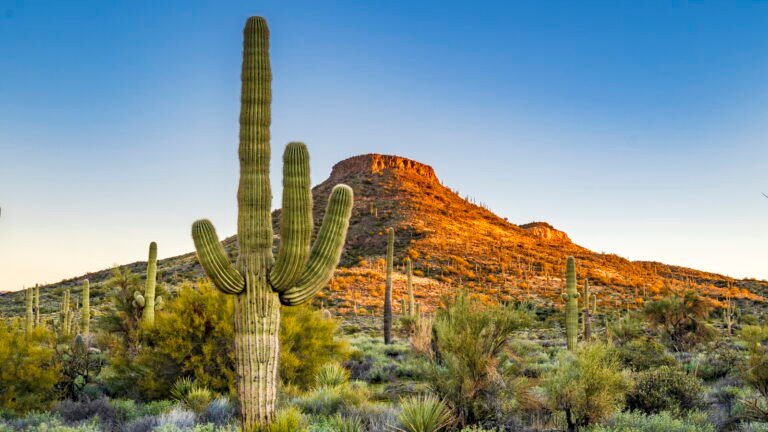
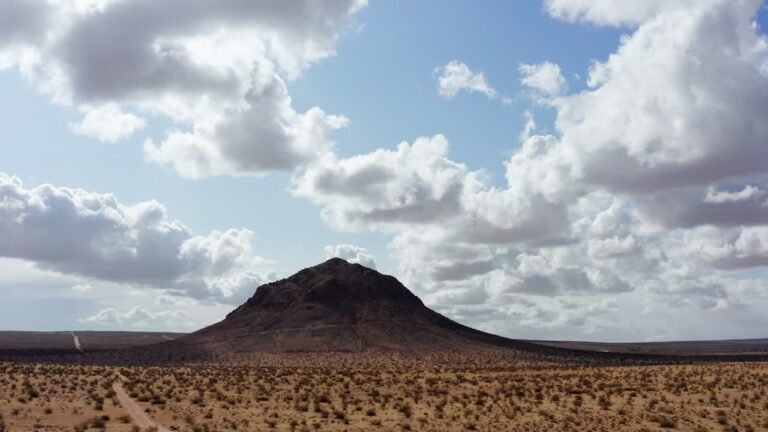
The Mojave Desert may look like a lifeless stretch of land at first, but it actually holds one of the most extreme and diverse landscapes in North America.
From towering dunes and ancient lava fields to rugged mountains and dry lake beds, every part of this desert tells a different story.
This region is known for its extreme temperatures, unique ecosystems, and the iconic Joshua tree, a plant found almost nowhere else on Earth. It is also home to Death Valley, one of the hottest places on the planet.
Whether you want to understand its climate, explore its top attractions, or plan a trip, this guide gives you a clear and simple way to experience the Mojave Desert.
- Mojave Desert at a Glance
- Mojave Desert Geography: Where It Is and What It Looks Like
- Why the Mojave Desert Map Matters
- The Landscape Shapes the Experience
- Why the Mojave Desert Is Called a High Desert
- What High Desert Means in Simple Words
- Why Elevation Matters
- Mojave Desert Climate: Dry, Extreme, and Full of Contrast
- Main Climate Features
- Rainfall and Temperature
- Best Seasons to Visit
- Mojave Desert History: Indigenous Roots and Modern Change
- Indigenous History
- Later Human Use
- Conservation History
- Mojave Desert Geology: A Land Shaped by Time
- Major Geological Features
- Why Geology Matters Here
- The Lava Tube
- Mojave Desert Plants: Life That Survives in Hard Conditions
- Main Mojave Plants
- The Joshua Tree
- Why Creosote Bush Matters
- Wildflower Season
- How Plants Survive
- Mojave Desert Wildlife: Animals Built for Heat and Dryness
- Main Mojave Desert Animals
- The Desert Tortoise
- Bighorn Sheep
- Roadrunners
- Reptiles and Insects
- Nocturnal Life
- Mojave Desert Animals and Their Survival Tricks
- Common Survival Strategies
- Example: The Desert Tortoise
- Example: Bighorn Sheep
- Example: Lizards and Snakes
- Why This Matters
- Best Places to Visit in the Mojave Desert
- Mojave National Preserve
- Kelso Dunes
- The Lava Tube
- Hole-in-the-Wall
- Death Valley: Extreme Beauty and Extreme Conditions
- Why It Matters
- What Makes It Special
- Joshua Tree Country
- Why Joshua Tree Landscapes Matter
- Scenic Drives and Desert Roads
- What Makes a Good Road-Trip Experience
- Why Roads Need Careful Planning
- Mojave Desert Travel Guide: How to Plan a Safe Trip
- Before You Go
- Why Fuel Matters
- Why Water Matters
- Why Maps Matter
- Travel Tips and Safety
- Conservation and Environmental Issues
- Main Threats
- Why Conservation Matters
- Joshua Tree and Climate Stress
- Protected Lands Help
- Interesting Mojave Desert Facts
- Pros and Cons
- Pros
- Cons
- Common Mistakes Visitors Make
- Underestimating the heat
- Not bringing enough water
- Trusting the wrong road information
- Ignoring distance
- Forgetting how quickly temperatures change
- Example Travel Ideas for the Mojave Desert
- Example 1: Scenic Day Drive
- Example 2: Nature and Geology Trip
- Example 3: Wildlife and Quiet Travel
- FAQs
- Conclusion
Mojave Desert at a Glance
| Topic | Key facts |
| Location | Mainly southeastern California, with parts in Nevada, Arizona, and Utah |
| Size | More than 25,000 square miles |
| Climate | Very dry, with hot summers, cold nights, and winter frost in many areas |
| Signature plant | Joshua tree |
| Signature wildlife | Desert tortoise, bighorn sheep, roadrunners, lizards, snakes |
| Famous travel spots | Mojave National Preserve, Death Valley, Kelso Dunes, lava tube, Joshua tree landscapes |
Mojave Desert Geography: Where It Is and What It Looks Like
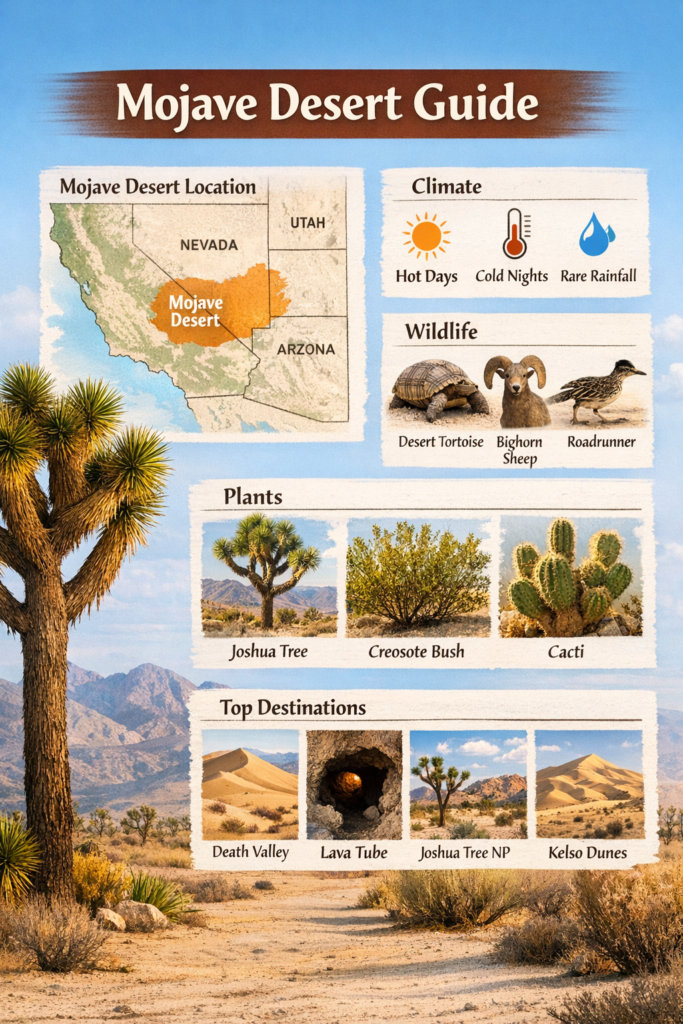
The Mojave Desert geography is one of the main reasons this region feels so distinct from other dry landscapes. It sits in the southwestern United States, mostly in southeastern California, but it also extends into Nevada, Arizona, and Utah. It lies between several major land regions, and that position helps explain its varied terrain and unusual ecological character.
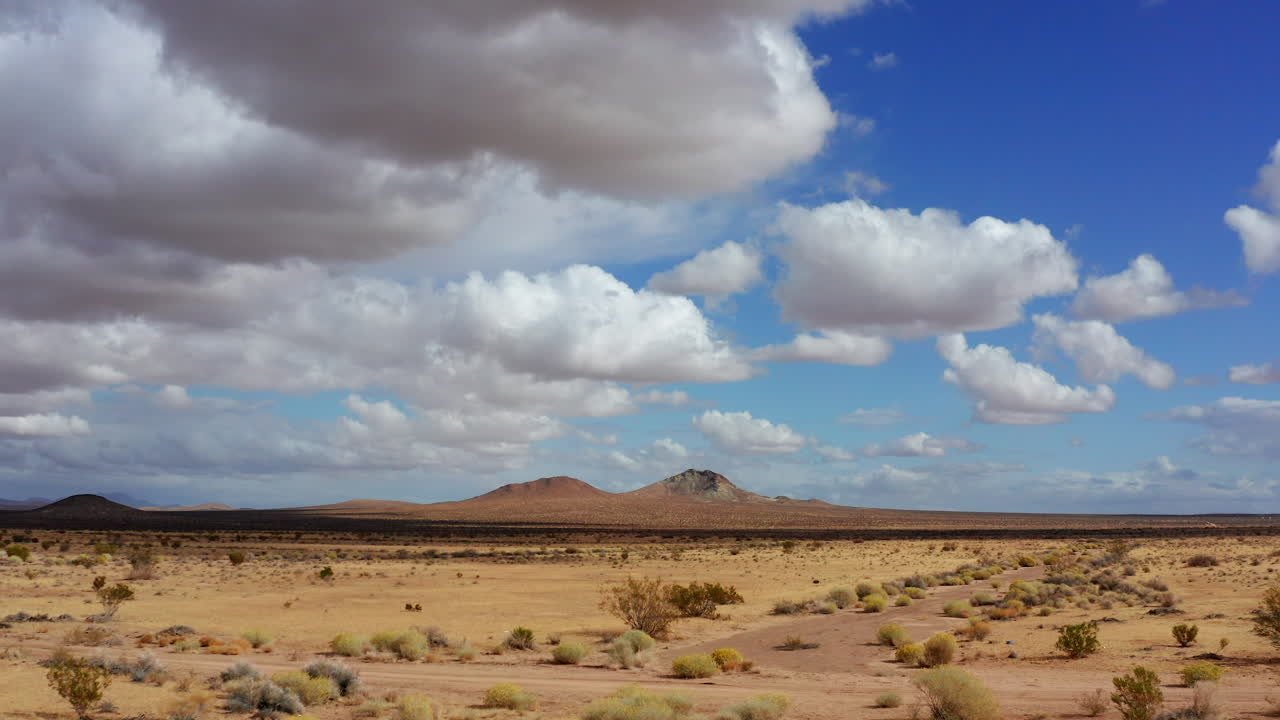
The Mojave is not a uniform flat expanse. Instead, it includes mountain ranges, basins, dry valleys, salt flats, gravel fans, volcanic zones, and dune systems. That mixture gives the Mojave a level of diversity that surprises many first-time visitors. In one place, you may see broad open basins with far-reaching horizons. In another, you may encounter rugged slopes, narrow canyons, or old lava flows that look almost lunar.
This geography matters both scientifically and practically. From a scientific perspective, it helps explain why different species occupy different parts of the desert. From a travel perspective, it means you cannot assume that every road or trail will be easy. Some areas are smooth and accessible; others require careful planning, high-clearance vehicles, or extra caution.
Why the Mojave Desert Map Matters
A good Mojave Desert map is more valuable than many travelers first realize. People often imagine the Mojave as one massive space, but in reality, the region is complex and widely spread out. There are major highways, remote parks, protected lands, small desert towns, and long distances between fuel stations and services. A map is therefore not just a navigation aid. It is a planning tool for water, fuel, time, and safety.
A quality map also helps you understand the contrast between major destinations. Death Valley feels very different from the Mojave National Preserve. Joshua Tree Country has another personality altogether. A map makes those Distinctions clearer and helps you see how the places connect, how far apart they are, and what kind of journey each one offers.
The Landscape Shapes the Experience
The Mojave has a raw, open, and ancient appearance, but it is also rich in visual detail. You may encounter:
- high mountain ridges
- dry lake beds
- salt flats
- dunes
- lava fields
- alluvial fans
- rock outcrops
- hidden desert washes
Together, these landforms create a terrain that feels wild, cinematic, and timeless. They also make the Mojave especially appealing to photographers, hikers, geology enthusiasts, road-trippers, and wildlife observers.
Why the Mojave Desert Is Called a High Desert
The Mojave is often called a high desert because much of it sits at elevations higher than many low desert regions. That elevation changes the weather in a big way. The desert is not merely hot. It can be warm or scorching during the day, then sharply cool after sunset, with frost common in some areas during winter.
This is one of the most important Mojave Desert facts to understand. People often assume all deserts behave the same way, but they do not. A high desert tends to have bigger temperature swings, cooler nights, and stronger seasonal variation. Those differences shape everything from plant growth to animal behavior.
What High Desert Means in Simple Words
A high desert is a dry landscape that sits high enough above sea level to experience cooler nights and more distinct seasonal changes. In the Mojave, that means:
- Summer days can become intensely hot
- Temperatures can fall quickly at night
- Winter frost is possible
- Some locations can receive snow or strong winds
- plant and animal life must endure changing conditions
That is one reason the Mojave Desert climate feels so different from low-elevation desert environments. The story here is not only heat. It is also a contrast.
Why Elevation Matters
Elevation influences:
- temperature
- rainfall patterns
- plant communities
- animal habitats
- frost and snow risk
- travel comfort
Even short distances can produce noticeable differences. A lower basin may be dramatically hotter than a nearby slope or plateau. That variety helps explain why the Mojave contains so many microhabitats and why life is distributed so unevenly across the region.
Mojave Desert Climate: Dry, Extreme, and Full of Contrast
The Mojave Desert climate is among the driest in North America. Rainfall is limited, sunshine is abundant, and much of the year is dry and harsh. But dryness is only part of the picture. The Mojave also experiences substantial temperature fluctuation and strong seasonal contrast.
Main Climate Features
The Mojave usually has:
- very low annual rainfall
- long dry stretches
- hot summers
- cold winter nights
- occasional winter frost
- short bursts of wildflower growth after rain
This climate creates a landscape that can appear dormant for long periods, then explode with life after a well-timed storm.
Rainfall and Temperature
Rain does not arrive often in the Mojave, and when it does, it may come in brief, intense storms. Those storms can be crucial for plant life, especially annual wildflowers and other species that depend on seasonal moisture. At the same time, summer temperatures can become severe, and winter nights can feel unexpectedly cold.
That tension creates a demanding but balanced environment. Plants and animals survive here by adapting in clever, efficient ways.
Best Seasons to Visit
For most visitors, the best times to explore the Mojave are:
- spring
- fall
These seasons generally offer the most comfortable temperatures. Spring can also bring wildflower displays in favorable years.
Summer travel can be hazardous without careful preparation. Winter can be cold, windy, and less predictable than many travelers expect. Any reliable Mojave Desert travel guide should therefore include weather planning as a top priority.
Mojave Desert History: Indigenous Roots and Modern Change
The Mojave Desert’s history is deep, layered, and significant. It did not begin with highways, tourism, or scenic overlooks. It began with Indigenous peoples who lived in, traveled across, and cared for this land for thousands of years.
Indigenous History
The desert has long been home to Native American communities. Their relationship with the land is not merely historical. It is ongoing, cultural, and spiritual. The Mojave served as a corridor for travel, gathering, trade, and survival. Long before modern maps existed, people knew where to find water, shelter, edible plants, and wildlife.
It is important to recognize that this desert was never empty. It was always known, used, and understood by human communities.
Later Human Use
Over time, the Mojave became part of broader patterns of:
- mining
- settlement
- ranching
- military activity
- rail travel
- highway development
- conservation efforts
These developments brought both opportunity and harm. Some areas were heavily altered. Others were eventually protected through parks, preserves, and public lands.
Conservation History
Modern conservation became increasingly important as people began to understand how fragile desert ecosystems can be. Protected lands now help preserve wildlife, scenery, cultural heritage, and scientific value. Today, the Mojave is seen not only as a destination, but also as a landscape that deserves long-term stewardship.
Mojave Desert Geology: A Land Shaped by Time
The Mojave Desert geology is one of the most fascinating aspects of the region. The desert tells its story through rock, sand, fault zones, and volcanic remnants. Every ridge, basin, dune, and canyon preserves evidence of immense geological time.
Major Geological Features
The Mojave includes:
- mountain ranges
- fault systems
- lava fields
- dry lake beds
- salt flats
- dunes
- rock canyons
- basin-and-range topography
These features were formed over millions of years by tectonic movement, erosion, volcanic activity, and shifting climate patterns.
Why Geology Matters Here
Geology influences almost everything in the Mojave. It determines land shape, drainage, habitats, and the kinds of plants that can grow in a specific location. It also gives the desert a powerful visual identity, which is why travelers who love landscapes often find the Mojave unforgettable.
When visitors go to Death Valley, they often notice how extreme and sculpted the scenery appears. When they explore Mojave National Preserve, they may encounter volcanic terrain, rugged trails, and dune systems. Here, geology becomes part of the travel experience.
The Lava Tube
The lava tube is one of the most remarkable geological features in the Mojave. It formed when the outer layer of lava hardened while molten material continued flowing underneath. After the lava drained away, it left behind a tunnel-like cavity.
For visitors, a lava tube can feel mysterious and otherworldly. It is one of the clearest examples of how Mojave geology creates unique and memorable places.
Mojave Desert Plants: Life That Survives in Hard Conditions
The Mojave Desert plants are among the most interesting parts of the ecosystem. At first glance, the desert may seem sparse or barren. But a closer look reveals a plant world full of extraordinary adaptations.
Main Mojave Plants
Some of the most important plants include:
- Joshua tree
- creosote bush
- burroweed
- cacti
- desert grasses
- wildflowers
- annual plants that bloom after rain
The Joshua Tree
The Joshua tree is the most iconic plant in the Mojave. This species is one of the region’s strongest symbols and most ecologically important plants.
This iconic plant is not only visually striking but also provides shelter and nesting opportunities for wildlife.
Joshua trees are especially important because they are closely tied to the Mojave climate. They need a particular combination of heat, cold, and rainfall to survive. That makes them a powerful emblem of the region’s delicate environmental balance.
Why Creosote Bush Matters
The creosote bush may be less famous than the Joshua tree, but it is one of the desert’s most reliable and resilient species. It thrives in dry soil, handles heat remarkably well, and helps define the overall look of the Mojave landscape.
Wildflower Season
One of the most beautiful aspects of the Mojave is the wildflower season. After the right kind of rain, the desert can transform suddenly, producing vivid and delicate blooms. This creates a sense of wonder that contrasts sharply with the desert’s usual dry appearance.
Common wildflowers and bloom types may include:
- desert gold
- desert paintbrush
- desert five-spot
- desert chicory
- desert mariposa lily
- Beavertail cactus blooms
These flowers do not last long, and that short lifespan is part of their appeal. They remind visitors that desert beauty often arrives in brief, unforgettable bursts.
How Plants Survive
Mojave plants survive through adaptations such as:
- deep root systems
- reduced leaf size
- waxy surfaces
- low growth habits
- rapid flowering after rain
- water storage
This is why the desert is not empty. It is selective. Only plants with the right survival strategies can flourish here.
Mojave Desert Wildlife: Animals Built for Heat and Dryness
The Mojave Desert wildlife is richer than many people expect. Because the region contains multiple habitats, it supports a wide variety of species. Some animals remain active in daylight, while others avoid heat by being active at dawn, dusk, or night.
Main Mojave Desert Animals
Some notable Mojave Desert animals include:
- desert tortoise
- bighorn sheep
- roadrunners
- black-tailed jackrabbits
- desert iguanas
- chuckwallas
- lizards
- snakes
- geckos
- small mammals
- birds
- insects
The Desert Tortoise
The desert tortoise is one of the best-known Mojave species. It lives in desert environments and spends much of its time in burrows. This helps it remain cool and avoid the harshest conditions.
The tortoise is also a strong symbol of desert conservation because it demonstrates how specialized desert life must be. It is slow, careful, and precisely adapted to a demanding environment.
Bighorn Sheep
Bighorn sheep are another iconic Mojave animal. They can move across steep, rocky terrain and survive in dry places where water is scarce. Their strength, agility, and balance make them one of the region’s most admired species.
Roadrunners
The roadrunner is a favorite desert bird. The roadrunner is quick, alert, and well-suited to hot conditions. This bird hunts insects, lizards, and other small prey, showing how desert birds stay active while avoiding extreme heat.
Reptiles and Insects
Reptiles and insects are extremely important in Mojave ecosystems. Many of them become active during the cooler parts of the day and hide during the hottest hours. These creatures are not always easy to notice, but they are a major part of the food web.
Nocturnal Life
A large amount of Mojave wildlife is nocturnal, meaning it comes out at night. This allows animals to avoid heat, conserve water, and reduce danger. A desert that seems quiet during the day may still be full of activity after dark.
Mojave Desert Animals and Their Survival Tricks
The desert is a place where survival depends on adaptation. That is why Mojave Desert animals are so fascinating. Each species has evolved specific ways to cope with heat, dryness, and limited food.
Common Survival Strategies
Animals in the Mojave often:
- Stay underground during the day
- move at dawn or at night
- drink very little water
- obtain moisture from food
- shelter in rock crevices
- live in burrows
- Travel long distances only when necessary
Example: The Desert Tortoise
The tortoise survives by spending much of its time underground. This protects it from the strongest sun and reduces the risk of dehydration.
Example: Bighorn Sheep
Bighorn sheep use their excellent climbing ability to reach food and avoid danger. Their movement allows them to exploit terrain that many predators cannot easily access.
Example: Lizards and Snakes
Many reptiles are cold-blooded, so they rely on outside temperatures to regulate body warmth. They often warm themselves in the morning and then retreat to shade when temperatures rise too high.
Why This Matters
Understanding these survival strategies helps visitors respect the wildlife and appreciate the desert more deeply. It also reveals that the Mojave is not empty. It is active, strategic, and constantly adapting.
Best Places to Visit in the Mojave Desert
Any solid Mojave Desert travel guide should include key destinations. The Mojave is enormous, so it helps to focus on places that are especially memorable, accessible, and representative of the region.
Mojave National Preserve
Mojave National Preserve is one of the most rewarding places to explore. It offers open desert views, mountain scenery, dunes, lava formations, historic roads, and abundant wildlife habitat.
Why Visit Mojave National Preserve?
It is ideal for travelers who want:
- long scenic drives
- hiking
- photography
- solitude
- wildlife viewing
- desert geology
- iconic Mojave landscapes
Notable Areas in the Preserve
Some of the best-known spots include:
- Kelso Dunes
- lava tube
- Hole-in-the-Wall
- Teutonia Peak Trail
- Cima Road
- Kelbaker Road
Kelso Dunes
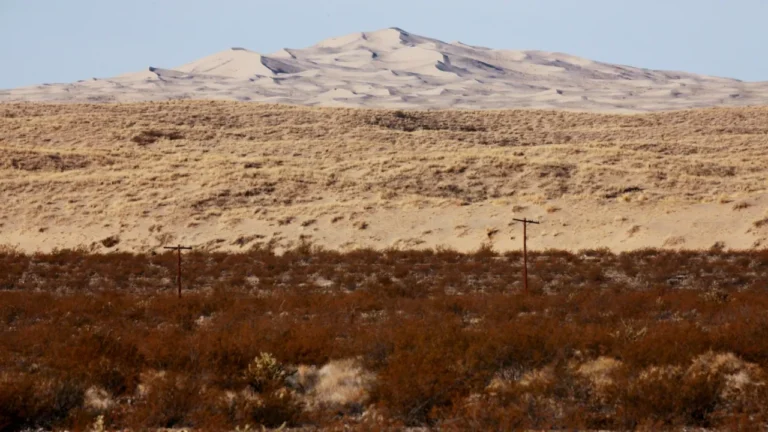
The Kelso Dunes are one of the most memorable natural features in the desert. They create a wide, sweeping sandy landscape that feels remote, quiet, and powerful. For many travelers, dunes are among the most striking sights in the Mojave.
The Lava Tube
The lava tube is another must-see location. It provides a direct look into the volcanic past of the region and adds dramatic variety to the desert experience.
Hole-in-the-Wall
Hole-in-the-Wall is known for rugged scenery and unusual rock formations. It is a good destination for visitors who want something more dramatic and textured than open desert plains.
Death Valley: Extreme Beauty and Extreme Conditions
Death Valley is one of the most famous desert destinations in the world. It is often associated with the Mojave because of its geology, climate, and dramatic basin landscape.
Why It Matters
Death Valley matters because it reveals the extreme side of desert life. It is a place where heat, dryness, and geology combine to produce a landscape unlike almost anywhere else.
What Makes It Special
Visitors come for:
- extreme desert scenery
- salt flats
- colorful rock formations
- wide-open views
- dramatic temperature stories
- geological wonder
Death Valley is more than famous. It is instructive. It helps people understand how powerful desert systems can be.
Joshua Tree Country
The Joshua tree is one of the strongest symbols associated with the Mojave. While Joshua Tree National Park is often discussed on its own, it is also deeply tied to the broader Mojave story.
Why Joshua Tree Landscapes Matter
These landscapes are significant because they combine:
- signature trees
- rocky terrain
- open vistas
- desert wildlife
- high scenic value
For many travelers, seeing Joshua trees in the wild is the moment the Mojave feels real and unforgettable.
Scenic Drives and Desert Roads
A major part of the Mojave experience is the drive itself. Long roads, broad horizons, and shifting terrain are a central part of its appeal.
What Makes a Good Road-Trip Experience
Travelers often enjoy:
- open highways
- quiet desert roads
- mountain passes
- scenic pullouts
- remote park routes
Why Roads Need Careful Planning
The desert is large, and services can be far apart. Even a short drive may become a serious outing if you are unprepared. Some routes are smooth and simple, while others are rough or isolated.
That is why a Mojave Desert map and up-to-date route information are essential.
Mojave Desert Travel Guide: How to Plan a Safe Trip
A useful Mojave Desert travel guide should always include safety. The desert can look calm and spacious, but it can become dangerous quickly if you ignore heat, distance, or road conditions.
Before You Go
Plan for:
- enough fuel
- plenty of water
- food
- sun protection
- a paper map or an offline map
- a charged phone
- extra time
- emergency supplies
Why Fuel Matters
The Mojave has long stretches with few services. Never assume the next gas station is close. In some areas, it may be much farther away than expected.
Why Water Matters
The desert is dry, and dehydration can happen quickly. Always carry more water than you think you will need.
Why Maps Matter
Do not depend only on your phone. Some parts of the desert have weak or no signal. A map is not simply helpful. It is a safety essential.
Travel Tips and Safety
Here are the most important safety practices for visiting the Mojave:
- Check the weather before leaving
Heat, wind, rain, and frost can all affect your plans. - Stay on marked roads and trails.
This protects both visitors and the desert environment. - Carry extra water
Dry conditions can become risky even during short outings. - Tell someone your route
This is smart when traveling in remote areas. - Do not assume services are nearby
Fuel, repairs, and food may be far apart. - Protect wildlife
Do not chase, feed, or disturb animals. - Respect heat warnings
Summer travel can become serious very quickly.
Conservation and Environmental Issues
Desert conservation is a major concern in the Mojave. The desert may appear tough, but it is actually highly sensitive to disturbance and change.
Main Threats
Some of the biggest issues include:
- habitat loss
- urban expansion
- off-road vehicle damage
- invasive plants
- grazing pressure
- climate change
Why Conservation Matters
The Mojave supports rare plants and animals that cannot survive everywhere. If habitats are damaged, some species can lose large portions of their range.
Joshua Tree and Climate Stress
The Joshua tree is especially important in conservation discussions. Because it depends on specific climate conditions, shifts in temperature and rainfall may threaten some populations in the future.
Protected Lands Help
Places such as:
- Mojave National Preserve
- Death Valley
- Joshua Tree regions
- other protected desert lands
play a crucial role in preserving the Mojave for future generations.
Interesting Mojave Desert Facts
Here are some clear and useful Mojave Desert facts:
- It is one of the most iconic deserts in North America.
- It is a high desert, not just a hot desert.
- Its sky includes dramatic geological variety, from dunes to lava fields.
- The Joshua tree is one of its best-known plants.
- The desert tortoise is one of its best-known animals.
- It has a deep Indigenous history.
- It supports a wide range of plants and wildlife.
- It is one of the best desert road-trip regions in the United States.
These facts make the Mojave especially useful for travel writers, ecology readers, and geography enthusiasts.
Pros and Cons
Pros
- Huge scenic beauty
- Unique geology and landforms
- Famous places like Death Valley and Mojave National Preserve
- Strong wildlife and plant diversity
- Rich history and cultural significance
- Excellent sunrise, sunset, and night sky views
Cons
- Extreme temperatures
- Long distances between services
- Limited phone signal in some areas
- Some roads require high-clearance or 4WD vehicles
- Harsh conditions for unprepared travelers
Common Mistakes Visitors Make
Many visitors make the same mistakes when exploring the Mojave:
Underestimating the heat
Even short hikes can become dangerous in hot weather.
Not bringing enough water
This is one of the most common and serious desert errors.
Trusting the wrong road information
Not every app shows the current condition of desert roads.
Ignoring distance
Travel in the desert usually takes longer than expected.
Forgetting how quickly temperatures change
A scorching daytime trip can turn into a cold nighttime situation very fast.
Avoiding these mistakes makes the journey safer and far more enjoyable.
Example Travel Ideas for the Mojave Desert
Here are a few simple ways to experience the region:
Example 1: Scenic Day Drive
Begin with an open-road drive, pause at desert viewpoints, photograph Joshua tree landscapes, and finish with a sunset stop.
Example 2: Nature and Geology Trip
Visit Mojave National Preserve, explore a lava tube, walk near Kelso Dunes, and learn about volcanic and desert formations.
Example 3: Wildlife and Quiet Travel
Go out early in the morning, watch for birds and reptiles, and maintain a respectful distance from animals.
These examples show how the Mojave can suit many different kinds of travelers.
FAQs
The Mojave Desert is mainly in southeastern California, with parts extending into Nevada, Arizona, and Utah.
It is called a high desert because much of it sits at a higher elevation and gets cooler nights, winter frost, and bigger temperature swings than lower desert regions.
Common Mojave Desert plants include the Joshua tree, creosote bush, burroweed, cacti, and many wildflowers that bloom after rain.
The Mojave Desert wildlife includes the desert tortoise, bighorn sheep, roadrunners, lizards, snakes, jackrabbits, and many birds and insects.
Spring and fall are usually the best times because the weather is more comfortable. Spring is also a good season for wildflowers after rain.
Top places include Mojave National Preserve, Death Valley, the Kelso Dunes, Joshua Tree landscapes, and volcanic features such as a lava tube.
It can be safe if you prepare properly. The main risks are heat, dehydration, distance, and rough roads. Good planning is essential.
Its mix of geography, geology, wildlife, plants, history, and travel scenery makes it one of the most special deserts in the world.
Conclusion
The Mojave Desert is a place of beauty, resilience, and remarkable natural diversity. From its wildlife and plants to its geology and history, it offers far more than dry open land. Whether you are planning a visit or simply want to learn more, the Mojave Desert leaves a lasting impression.