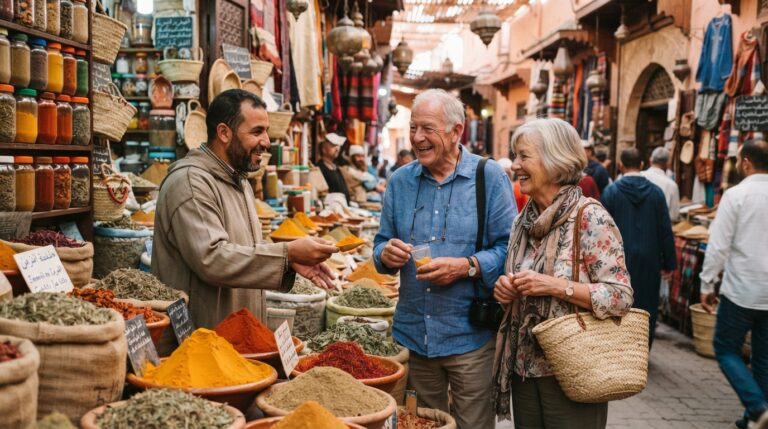


Modern travelers have access to more information than ever before. Weather forecasts, transportation updates, local news, maps, reviews, event announcements, and destination guides can all be checked within seconds. This access can make travel easier, but constantly monitoring information can also become distracting.
The goal should be to stay informed about developments that genuinely affect the journey without spending the entire vacation looking at a screen. By choosing useful sources, checking important updates at sensible times, and verifying critical information, travelers can remain prepared while still enjoying the destination around them.
- Research the Destination Before Departure
- Use General News as Part of Broader Research
- Identify the Updates That Actually Matter
- Check Transportation Before Important Journeys
- Pay Attention to Local Developments
- Check the Weather at Useful Times
- Keep Indoor Alternatives Available
- Look for Events Happening During Your Visit
- Use Media and Entertainment Content for Inspiration
- Save Important Information Offline
- Be Careful With Information Shared on Social Media
- Use Reviews to Identify Patterns
- Review the Following Day Each Evening
- Set Limits on How Often You Check Updates
- Keep Your Itinerary Flexible
- Know When Official Sources Matter Most
- Do Not Let Negative Headlines Define a Destination
- Stay Curious About the Place Around You
- Stay Informed Without Traveling Through a Screen
Research the Destination Before Departure
A basic understanding of the destination can make the first few days of a trip much easier. Learn about major neighborhoods, transportation options, local customs, expected weather, and the attractions that interest you most.
This research does not need to cover every detail. The purpose is to develop enough familiarity that you can make informed decisions once you arrive.
Use General News as Part of Broader Research
Travel guides are valuable for understanding attractions and logistics, while general news and information websites can provide broader context about places and events. They may introduce regional developments, cultural subjects, public events, or other topics worth investigating further.
During broad online reading, travelers may encounter resources such as VNZ News. General news can provide useful background, but travelers should confirm any information affecting safety, transportation, entry requirements, or official restrictions through current authoritative sources.
Identify the Updates That Actually Matter
Not every development requires a traveler’s attention. Focus primarily on information that could affect transportation, accommodation, weather, planned attractions, or personal safety.
Separating essential updates from general online noise makes it easier to stay informed without repeatedly checking a phone throughout the day.
Check Transportation Before Important Journeys
Flights, trains, buses, and ferries can experience delays or schedule changes. Before leaving for an airport, station, or terminal, check the latest information from the transportation provider.
For important connections, allow additional time rather than planning around the shortest theoretically possible transfer. A reasonable buffer can prevent a minor delay from becoming a major problem.
Pay Attention to Local Developments
National or international coverage may not include developments that directly affect a particular neighborhood or destination. Local festivals, demonstrations, construction, road closures, and transportation interruptions can sometimes have a greater impact on a traveler’s daily plans.
General and news-oriented resources such as WAF News may appear during wider online research. When a local development could change an itinerary, compare what you find with information from relevant transportation operators, local authorities, attractions, or other official sources.
Check the Weather at Useful Times
Weather can influence sightseeing more than many other daily factors. Outdoor attractions, hiking, beaches, walking tours, and scenic activities may become more or less suitable depending on current conditions.
A quick check in the morning is often enough for ordinary travel days. If severe or rapidly changing weather is expected, follow appropriate official weather information more closely.
Keep Indoor Alternatives Available
Bad weather does not necessarily need to ruin a sightseeing day. Before departure, identify several indoor activities that could replace outdoor plans if conditions become unsuitable.
Museums, markets, galleries, historic buildings, cultural centers, cafés, shopping districts, and indoor entertainment can all serve as flexible alternatives without needing to be scheduled in advance.
Look for Events Happening During Your Visit
Temporary events can add something unique to a trip. Festivals, exhibitions, performances, sporting events, markets, and community celebrations may provide experiences that are unavailable at other times of the year.
Check event calendars shortly before departure and again after arrival. If something interesting appears, consider whether it can fit naturally into the itinerary rather than rearranging the entire trip around it.
Use Media and Entertainment Content for Inspiration
Travel inspiration sometimes comes from entertainment rather than traditional destination research. Television, films, interviews, cultural coverage, and general media can introduce landscapes, cities, architecture, events, or communities that encourage people to learn more about a place.
While exploring broader media content, readers may come across resources such as ATV Wire. If a destination or activity discovered through entertainment content seems appealing, additional research can help determine whether the real experience matches your interests, budget, and travel circumstances.
Save Important Information Offline
Internet access is useful but should not be the only way to retrieve essential travel details. Mobile data may become unavailable, Wi-Fi can fail, and batteries can run low.
Keep offline access to accommodation addresses, booking references, transportation details, important tickets, and emergency contacts. Downloaded maps can also make navigation easier when connectivity is unreliable.
Be Careful With Information Shared on Social Media
Social media can spread travel information extremely quickly, but speed does not guarantee accuracy. Posts about closures, transportation problems, local incidents, or entry requirements may be incomplete or outdated.
Before changing important plans because of a post, look for confirmation from the organization or authority directly responsible for the situation.
Use Reviews to Identify Patterns
Reviews can help travelers understand hotels, attractions, restaurants, and activities, but individual experiences are subjective. One unusually negative review does not necessarily indicate a serious problem.
Pay more attention to patterns across recent reviews. Repeated comments about the same issue or advantage can provide more useful information than a single extreme opinion.
Review the Following Day Each Evening
A short evening check can prevent unnecessary complications. Review the next day’s important reservations, expected weather, transportation arrangements, and opening hours.
If something has changed, adjusting the itinerary the evening before is usually easier than discovering the problem after arriving at a station or attraction.
Set Limits on How Often You Check Updates
Constantly refreshing news, weather, reviews, and transportation applications can make travel unnecessarily stressful. Most ordinary trips do not require continuous monitoring.
Check important information at logical moments, such as before leaving the accommodation or before an important journey. Once the necessary details are confirmed, return your attention to the destination.
Keep Your Itinerary Flexible
Information is most useful when travelers have enough flexibility to respond to it. An itinerary filled entirely with prepaid activities can become difficult to adjust when weather or transportation changes.
Leave some open periods and maintain a list of optional attractions. This provides alternatives without requiring an entirely new plan whenever circumstances change.
Know When Official Sources Matter Most
Different sources are useful for different purposes. General articles, blogs, videos, and discussions can provide ideas and background information, but some decisions require greater certainty.
For visas, border requirements, emergencies, severe weather, transportation schedules, official closures, and other significant matters, prioritize information from the relevant authorities or service providers.
Do Not Let Negative Headlines Define a Destination
News coverage often focuses on unusual or significant events rather than ordinary everyday life. A traveler should therefore consider the location, scale, timing, and relevance of a development before assuming that it represents an entire city, region, or country.
When a situation genuinely raises travel concerns, compare multiple reliable sources and consult appropriate official guidance rather than relying on headlines alone.
Stay Curious About the Place Around You
Information collected online can help travelers understand what they are seeing, but observation remains an important part of travel. Architecture, public spaces, food, transportation, markets, neighborhoods, and everyday routines can reveal details that no amount of advance research can fully reproduce.
Use online information to provide context, then give yourself time to experience the destination directly.
Stay Informed Without Traveling Through a Screen
Access to current information can make modern travel safer, easier, and more flexible. Transportation updates can prevent wasted journeys, weather forecasts can improve daily planning, and broader research can provide useful context about a destination.
The key is to use that information selectively. By checking developments that genuinely affect the trip, verifying important claims, keeping offline backups, and limiting unnecessary monitoring, travelers can remain prepared without allowing constant updates to dominate their vacation. Technology and information should support the journey while leaving enough attention for the experiences happening in front of you.