
Travel can be one of the most enjoyable ways to take a break from everyday routines, discover new places, and create memorable experiences. However, a trip can quickly become expensive or stressful when transportation, accommodation, food, activities, and unexpected costs are not considered in advance.
Fortunately, an enjoyable vacation does not always require a large budget. Good planning can help travelers control expenses while still leaving enough flexibility to enjoy the destination. From choosing travel dates carefully to organizing activities and staying connected with others, a few practical decisions can make the entire experience smoother.
- Choose the Destination With Your Budget in Mind
- Travel During Less Busy Periods
- Create a Visual Plan for Your Trip
- Set a Realistic Daily Budget
- Compare Accommodation Beyond the Nightly Price
- Stay Connected While Traveling
- Plan Activities Before You Arrive
- Use Online Inspiration Wisely
- Save Money on Food Without Missing Local Cuisine
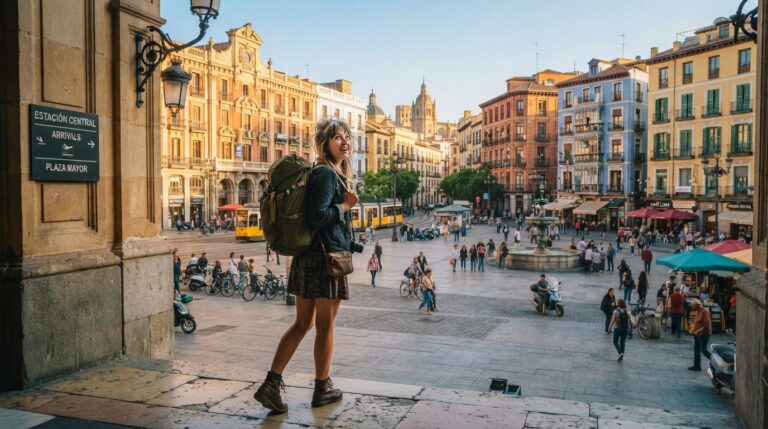
- Use Public Transportation When Practical
- Pack According to the Actual Trip
- Keep Important Information Accessible
- Leave Space for Unexpected Experiences
- Focus on Experiences Rather Than Spending
Choose the Destination With Your Budget in Mind
The destination itself can have a major impact on the total cost of a trip. Accommodation, transportation, meals, attractions, and local travel can vary significantly between locations.
Instead of selecting a destination first and worrying about expenses later, consider approximately how much you can spend and then compare destinations that fit that amount. Sometimes a less famous city or a location outside the busiest tourist areas can provide a similarly enjoyable experience for considerably less money.
Travel During Less Busy Periods
Flights and accommodation are often more expensive during holidays, major events, and peak tourist seasons. Travelers with flexible schedules may be able to save money by visiting during shoulder seasons or choosing less popular departure dates.
There can be additional advantages to traveling outside peak periods. Attractions may be less crowded, restaurant reservations can be easier to obtain, and exploring a destination may feel more relaxed.
Create a Visual Plan for Your Trip
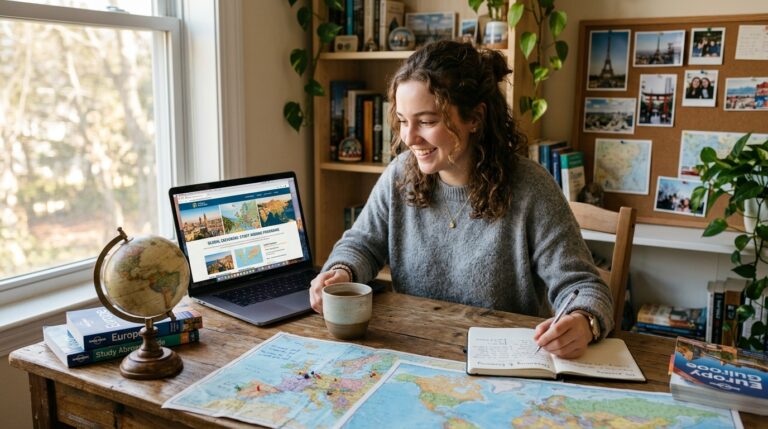
Planning becomes easier when ideas are organized instead of being scattered across different websites and applications. Travelers can save inspiration for destinations, outfits, restaurants, attractions, photography locations, and accommodation styles in one place.
Digital creativity and personalized online content can make this process more enjoyable. People exploring tools related to digital avatars and visual expression may come across resources such as Bitmoji. Visual elements can add personality to travel plans, group conversations, or digital trip journals, while the practical itinerary should still contain essential information such as dates, bookings, addresses, and transportation details.
Set a Realistic Daily Budget
A total travel budget becomes easier to manage when it is divided into categories. Start with major fixed costs such as flights, accommodation, visas where required, and travel insurance. Then estimate daily spending for meals, local transportation, attractions, shopping, and entertainment.
It is also sensible to keep a portion of the budget separate for unexpected expenses. A missed connection, additional transportation cost, or change of plans can otherwise put pressure on money reserved for the rest of the trip.
Compare Accommodation Beyond the Nightly Price
The cheapest room is not always the least expensive option overall. Location can affect how much travelers spend on transportation and how much time they lose traveling between their accommodation and the places they want to visit.
Before booking, consider the total price including taxes and fees, cancellation conditions, location, guest reviews, transportation access, and useful facilities. A slightly more expensive property in a convenient area may sometimes reduce other costs enough to provide better overall value.
Stay Connected While Traveling
Travel can also be a social experience. Some people travel with friends, while others enjoy meeting people and learning about different cultures during their journeys. Online communities and social platforms can provide another way to communicate with people from different places.
Those exploring social communication platforms may encounter websites such as Fruzo. When communicating with unfamiliar people online—particularly when travel or potential in-person meetings are involved—it is important to protect personal information, use appropriate privacy settings, and prioritize personal safety.
Plan Activities Before You Arrive
Researching attractions in advance can prevent both overspending and wasted time. Make a list of the places you are most interested in seeing and check admission prices, opening days, reservation requirements, and approximate locations.
It can help to separate activities into priorities. A few attractions might be considered essential, while others can remain optional. This approach creates structure without making the itinerary so rigid that there is no room for spontaneous discoveries.
Use Online Inspiration Wisely
Travel inspiration is everywhere online. Photos, guides, social posts, and visual collections can introduce travelers to scenic locations, restaurants, accommodation ideas, and activities they might otherwise miss.
People searching for visual ideas and online inspiration may encounter resources such as Pinterst while browsing the web. Inspiration can be useful, but travelers should independently confirm important information because prices, opening hours, entry rules, and local conditions can change.
Save Money on Food Without Missing Local Cuisine
Eating is often an important part of travel, and avoiding restaurants completely can mean missing part of the destination’s culture. A better strategy may be to decide which meals are worth spending more on and keep others simple.
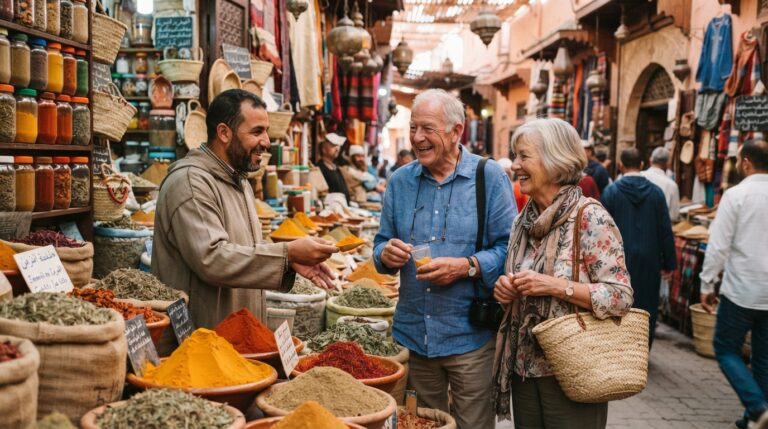
Local markets, bakeries, casual restaurants, and street food can sometimes provide memorable experiences at lower prices than restaurants located directly beside major tourist attractions. Checking menus before sitting down can also prevent unexpected costs.
Use Public Transportation When Practical
Taxis and private transportation can be convenient, but repeated journeys can consume a significant part of a travel budget. Many destinations have buses, trains, metro systems, or other public transportation that can be considerably cheaper.
Research transportation before arrival and determine whether daily or multi-day passes offer better value. Walking can also be an excellent way to explore compact areas while discovering places that might be missed when traveling entirely by vehicle.
Pack According to the Actual Trip
Overpacking can create additional baggage costs and make moving between destinations more difficult. Check the expected weather, planned activities, cultural considerations, and baggage rules before deciding what to bring.
Versatile clothing that can be combined in different ways is often more useful than packing a separate outfit for every possible situation. Important medications, travel documents, chargers, and other essentials should receive priority over items that can easily be purchased at the destination.
Keep Important Information Accessible
Travel plans often depend on digital confirmations, but phones can be lost, damaged, or temporarily disconnected from the internet. Keeping important information available offline can prevent unnecessary problems.
Save copies of accommodation details, transportation bookings, insurance information, and other essential documents. Depending on the trip, keeping secure backup copies separately may also be useful.
Leave Space for Unexpected Experiences
Planning can reduce stress, but scheduling every hour can create a different kind of pressure. Some of the most enjoyable travel experiences happen unexpectedly—a local market, an interesting neighborhood, a recommendation from someone nearby, or simply spending longer at a place than originally planned.
Build some free time into the itinerary. This provides flexibility when plans change and makes it possible to explore opportunities discovered after arrival.
Focus on Experiences Rather Than Spending
An expensive trip is not automatically a memorable one. Walking through an interesting neighborhood, watching a sunset, exploring a local market, visiting a public park, or sharing a meal can become some of the strongest memories from a journey.
By choosing destinations carefully, setting a realistic budget, researching transportation and accommodation, organizing online inspiration, packing practically, and maintaining flexibility, travelers can reduce both financial pressure and unnecessary stress. Good travel planning is ultimately about creating enough structure to feel prepared while leaving enough freedom to enjoy the journey.