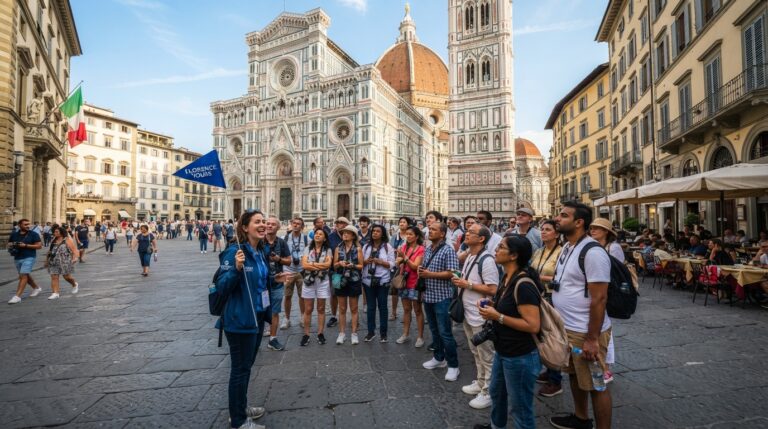


Travelers often want to make the most of every day, especially when visiting a destination for a limited amount of time. The temptation is to fill the itinerary with attractions from morning until night, but an overloaded schedule can make even an exciting trip feel tiring and rushed.
A better travel day balances meaningful activities with realistic transportation time, meals, breaks, and room for unexpected discoveries. By choosing a few priorities and organizing them carefully, travelers can experience more of a destination without feeling that they are constantly racing against the clock.
- Start With One Main Priority
- Use Broad Research to Find Supporting Ideas
- Group Nearby Activities Together
- Allow More Time Than You Think You Need
- Do Not Turn Every Interesting Place Into a Reservation
- Check Current Conditions Before Setting Out
- Build Meals Into the Day
- Plan at Least One Real Break
- Use Maps to Reduce Decision-Making
- Research the Wider Context of the Places You Visit
- Choose Activities With Different Energy Levels
- Avoid Crossing the City Repeatedly
- Leave One Activity Optional
- Keep Weather-Dependent Activities Flexible
- Pay Attention to Your Actual Energy Level
- Do Not Spend the Entire Day Taking Photos
- Keep Transportation Details Accessible
- Review Opening Hours Before Traveling Across Town
- Allow Time for Neighborhood Exploration
- Review Tomorrow Without Overplanning Tonight
- Measure a Good Day by Experience, Not Quantity
- Create a Comfortable Rhythm for the Trip
Start With One Main Priority
Each day becomes easier to plan when it has one main focus. This could be an important museum, historic district, outdoor activity, market, guided tour, or another experience that matters to you.
Once that priority is established, additional activities can be selected according to their location and the amount of time available.
Use Broad Research to Find Supporting Ideas
Travel planning does not need to depend entirely on dedicated tourism websites. General-interest content can introduce cultural topics, local developments, entertainment, communities, and other subjects that lead travelers toward experiences worth researching further.
During broader online browsing, readers may encounter resources such as Hunbaba. General content can provide useful inspiration, while practical information involving schedules, bookings, transportation, or official requirements should be verified through current and appropriate sources.
Group Nearby Activities Together
One of the easiest ways to make a travel day less exhausting is to minimize unnecessary transportation. Check a map and identify attractions located within the same neighborhood or area.
Combining nearby places reduces travel time and creates more opportunities to explore streets, cafés, shops, and public spaces between major activities.
Allow More Time Than You Think You Need
Travelers frequently underestimate how long ordinary movements take in an unfamiliar destination. Waiting for public transportation, navigating stations, walking between stops, and finding entrances can all add time.
Leaving reasonable buffers around important reservations makes the schedule much easier to manage.
Do Not Turn Every Interesting Place Into a Reservation
Advance bookings can be useful for popular attractions, but too many fixed commitments reduce flexibility. If every part of the day has a specific time, even a small delay can create pressure.
Reserve only the experiences that genuinely require it and keep casual activities more flexible.
Check Current Conditions Before Setting Out
A travel day can change because of weather, transportation interruptions, temporary closures, or major local events. A short check before leaving the accommodation can prevent unnecessary journeys.
General information sources such as Regated may appear during wider online research. Broader information can highlight subjects worth investigating, but travelers should confirm anything that could materially affect the day through the relevant operator, authority, venue, or official source.
Build Meals Into the Day
Meals should not be treated as inconvenient gaps between attractions. Food can be part of the travel experience and an important opportunity to rest.
Save several restaurant or café options near the areas you plan to explore so you do not need to travel across the city simply to eat.
Plan at Least One Real Break
A short break can improve the rest of the day considerably. Sitting in a café, park, public square, or quiet indoor space provides time to recharge before continuing.
This becomes especially useful on trips involving extensive walking or warm weather.
Use Maps to Reduce Decision-Making
Saving interesting locations before departure makes it easier to make spontaneous decisions during the trip. When extra time becomes available, travelers can quickly see which attractions or restaurants are nearby.
A saved map works particularly well as a flexible list rather than a strict schedule.
Research the Wider Context of the Places You Visit
Understanding some background about a neighborhood, landmark, or region can make sightseeing more meaningful. General publications may sometimes introduce historical, cultural, or current topics that encourage deeper research.
During broad online reading, travelers may come across resources such as Blitz Source. If something discovered through general content becomes relevant to a travel decision, practical details should be checked independently before being added to the itinerary.
Choose Activities With Different Energy Levels
Several demanding activities in succession can quickly become tiring. Try combining a high-energy experience with something slower.
For example, a long walking tour might be followed by a museum, scenic café, relaxed meal, or public park instead of another physically demanding activity.
Avoid Crossing the City Repeatedly
An itinerary may look reasonable when attractions are viewed individually, but repeated long journeys can consume much of the day.
Organize each day around one or two areas whenever possible and save distant attractions for another day.
Leave One Activity Optional
A useful planning technique is to include one activity that can easily be removed. If everything goes smoothly and energy remains high, travelers can enjoy it.
If the day becomes longer or more tiring than expected, skipping that activity prevents the schedule from becoming stressful.
Keep Weather-Dependent Activities Flexible
Outdoor sightseeing, viewpoints, parks, beaches, and walking tours can become less enjoyable when weather conditions change.
Maintain several indoor alternatives that can replace these activities without requiring the entire day to be reorganized.
Pay Attention to Your Actual Energy Level
An itinerary created at home assumes that travelers will have consistent energy every day. In reality, long journeys, unfamiliar weather, jet lag, and several days of sightseeing can all cause fatigue.
Adjust the pace when necessary. Removing one optional attraction may improve the quality of everything else you experience that day.
Do Not Spend the Entire Day Taking Photos
Photographs are useful memories, but constantly searching for the perfect picture can slow the day and distract from the experience itself.
Take photographs that matter to you, then spend some time observing the destination without looking through a screen.
Keep Transportation Details Accessible
If the day depends on trains, buses, or other transportation, keep important routes or tickets easy to access.
Saving these details offline can be particularly useful when mobile connectivity becomes unreliable.
Review Opening Hours Before Traveling Across Town
Attraction hours can change because of seasonal schedules, holidays, maintenance, or special events. Checking shortly before visiting can prevent wasted journeys.
This is especially important for places that require significant transportation time.
Allow Time for Neighborhood Exploration
Moving directly between famous attractions can cause travelers to miss the areas surrounding them. Streets, markets, public spaces, independent shops, and architecture can all contribute to the experience.
Leaving some unstructured time in each area encourages this kind of exploration.
Review Tomorrow Without Overplanning Tonight
At the end of the day, spend a few minutes checking the next day’s important arrangements. Confirm weather, fixed reservations, transportation, and opening hours.
There is no need to redesign the entire itinerary every evening. A brief review is usually enough to catch relevant changes.
Measure a Good Day by Experience, Not Quantity
A successful travel day does not need ten completed attractions. Spending meaningful time in a few places can produce a stronger memory than rushing through a long checklist.
Travel becomes more enjoyable when visitors give themselves enough time to notice details, rest when necessary, and follow unexpected interests.
Create a Comfortable Rhythm for the Trip
The best travel schedule is one that can be repeated for several days without becoming exhausting. A few priorities, efficient geographic planning, realistic travel times, and regular breaks can create that rhythm.
By avoiding unnecessary reservations, keeping optional activities flexible, checking only the information that matters, and paying attention to energy levels, travelers can make each day feel productive without making the vacation feel like work. The goal is not to fit the maximum number of places into a schedule, but to create enough time to enjoy the places you chose to visit.