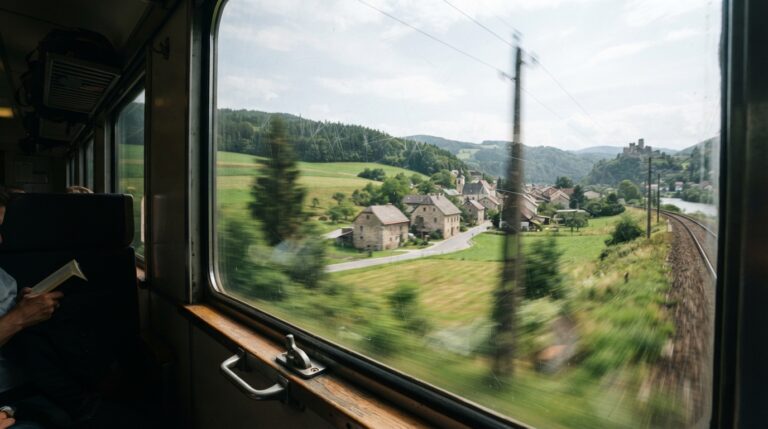


Family travel can create some of the most memorable experiences, but planning a trip for several people is more complicated than organizing a vacation for one traveler. Different ages, interests, energy levels, food preferences, and daily routines can all affect what makes an itinerary enjoyable.
The best family trips usually balance structure with flexibility. Important transportation and accommodation decisions should be organized carefully, while daily sightseeing should leave enough room for breaks, changing moods, and spontaneous discoveries. With thoughtful planning, families can enjoy more of the destination without turning the vacation into a demanding schedule.
- Start by Discussing What Everyone Wants
- Use Broad Online Research for Inspiration
- Choose a Destination That Fits the Group
- Think Carefully About Travel Time
- Choose Accommodation for Convenience
- Include Different Perspectives in the Planning
- Do Not Schedule Every Hour
- Plan for Different Energy Levels
- Keep Some Activities Optional
- Plan Around Family-Friendly Practicalities
- Group Attractions by Location
- Include Parks and Open Spaces
- Research Food Options Before You Need Them
- Keep Meal Times Flexible but Realistic
- Use Public Transportation Strategically
- Leave Extra Time Around Reservations
- Keep Weather-Dependent Activities Flexible
- Prepare a Simple Backup Plan
- Keep Important Information Organized
- Save Essential Details Offline
- Let Different People Choose Activities
- Do Not Force Everyone to Do Everything Together
- Review Tomorrow’s Plan Each Evening
- Leave Space for Unexpected Family Memories
- Focus on Shared Experiences Rather Than a Perfect Schedule
Start by Discussing What Everyone Wants
Before creating the itinerary, ask each traveler what they would most like to experience. One person may want museums, another may prefer outdoor activities, and someone else may be most interested in food or shopping.
Understanding these preferences early helps prevent one person’s interests from dominating the entire trip.
Use Broad Online Research for Inspiration
Family travel ideas can come from many different types of online content. General-interest websites may discuss parenting, lifestyle, communities, food, entertainment, and everyday experiences that can inspire different approaches to a vacation.
During broader research, readers may encounter resources such as Mama Hustle Repeat. General content can provide ideas or perspectives worth exploring further, while practical information affecting transportation, bookings, opening hours, or official requirements should be verified through current and appropriate sources.
Choose a Destination That Fits the Group
A destination may be popular without being ideal for your particular family. Consider travel time, climate, transportation, accommodation options, available activities, and how easy it will be for everyone to move around.
A slightly less famous destination may provide a better experience if it matches the group’s interests and practical needs more closely.
Think Carefully About Travel Time
Long transportation days can be tiring, especially when several connections are involved. Before choosing a destination or adding another city to the itinerary, consider the realistic door-to-door journey.
Shorter and simpler routes can sometimes create more usable vacation time than an ambitious itinerary involving frequent transfers.
Choose Accommodation for Convenience
Location becomes particularly important on a family trip. Staying close to transportation, restaurants, parks, and major sightseeing areas can reduce the amount of time spent moving between places.
Accommodation with useful facilities or additional space may also make longer stays more comfortable.
Include Different Perspectives in the Planning
Travel planning can become more balanced when different voices and interests are represented. General lifestyle and community-oriented content may introduce ideas that traditional destination guides overlook.
During wider online browsing, readers may come across resources such as Uniquely Women. Broader perspectives can inspire travel ideas, but destination-specific facts should still be checked independently before they affect bookings or major itinerary decisions.
Do Not Schedule Every Hour
Family itineraries benefit from extra flexibility. Meals may take longer than expected, someone may need a break, or an attraction may be more enjoyable than originally planned.
Build each day around one or two major activities instead of creating a continuous sequence of reservations.
Plan for Different Energy Levels
Not everyone will have the same amount of energy throughout the trip. Long walking days, early mornings, and several hours in museums may affect travelers differently.
Balance demanding activities with slower experiences such as parks, cafés, scenic transportation, or relaxed neighborhood exploration.
Keep Some Activities Optional
A useful family itinerary includes activities that can easily be skipped. If everyone still has energy, these options can be added. If the day has already been tiring, there is no pressure to complete them.
This reduces the feeling that the vacation must follow a checklist.
Plan Around Family-Friendly Practicalities
Simple logistical details can have a major effect on the experience. Nearby food options, rest areas, transportation access, and convenient accommodation can be just as important as the attractions themselves.
General family-oriented resources such as Family Fella may appear during broader research. Ideas discovered through general content can be useful starting points, while travelers should confirm current destination-specific information before relying on it for actual arrangements.
Group Attractions by Location
Repeatedly traveling across a city can make a family sightseeing day unnecessarily tiring. Save potential attractions on a map and organize nearby places together.
This reduces transportation time and creates more opportunities for casual stops between major activities.
Include Parks and Open Spaces
Parks, gardens, waterfronts, and public squares can provide valuable breaks during busy sightseeing days. They can also offer experiences that require little advance planning.
Including open spaces in the itinerary helps create a more comfortable rhythm between structured attractions.
Research Food Options Before You Need Them
Finding somewhere suitable to eat can become frustrating when everyone is already hungry. Save several restaurants, cafés, or markets in the neighborhoods you plan to explore.
This provides choices without requiring every meal to be reserved in advance.
Keep Meal Times Flexible but Realistic
A family itinerary should not ignore normal routines completely. Waiting too long for meals can affect everyone’s energy and mood.
Allow enough time for food instead of treating meals as short gaps between attractions.
Use Public Transportation Strategically
Public transportation can reduce walking and make a city easier to explore, but families should understand the basic system before depending on it.
Research ticketing options, major routes, and the connections closest to the accommodation.
Leave Extra Time Around Reservations
Moving as a group usually takes longer than moving alone. Waiting for everyone, navigating unfamiliar stations, and finding entrances can all add time.
Leave reasonable buffers around attractions or transportation with strict departure times.
Keep Weather-Dependent Activities Flexible
Outdoor plans can quickly become impractical when weather changes. Parks, beaches, outdoor tours, and scenic viewpoints should remain movable whenever possible.
Keep several indoor alternatives available so the day can be reorganized without starting from zero.
Prepare a Simple Backup Plan
Families do not need detailed contingency plans for every possible situation. A few alternatives are usually enough.
Knowing about a nearby museum, indoor attraction, shopping area, or relaxed activity can help when the original plan no longer works.
Keep Important Information Organized
Family trips often involve numerous tickets, reservations, addresses, and transportation details. Keep essential information together rather than scattered across multiple emails and applications.
This makes it much easier to retrieve details quickly while managing the group.
Save Essential Details Offline
Internet access cannot always be guaranteed. Save accommodation addresses, booking confirmations, tickets, and important transportation information offline.
Downloaded maps can also be useful when connectivity becomes unreliable.
Let Different People Choose Activities
One way to make the trip feel more balanced is to let different family members choose particular activities or meals.
This can give everyone a sense of involvement and create a more varied itinerary.
Do Not Force Everyone to Do Everything Together
Depending on the group and circumstances, it may not always be necessary for every traveler to participate in every optional activity.
Allowing smaller groups to pursue different interests for part of the day can sometimes make the overall vacation more enjoyable.
Review Tomorrow’s Plan Each Evening
A brief evening review can make the next day easier. Check weather, transportation, fixed reservations, and whether the planned schedule still feels realistic.
If the previous day was exhausting, consider making the next one lighter.
Leave Space for Unexpected Family Memories
Some of the best moments on a family trip may never appear in the original itinerary. A funny transportation experience, unexpected café, neighborhood walk, or spontaneous activity can become a favorite memory.
Leaving open time allows these moments to happen naturally.
Focus on Shared Experiences Rather Than a Perfect Schedule
Family travel does not need to be perfectly organized to be successful. Plans may change, people may become tired, and not every attraction will appeal equally to everyone.
By choosing a suitable destination, balancing different interests, organizing activities geographically, allowing enough breaks, and keeping the schedule flexible, families can create a trip that works for the group as a whole. The goal is not to complete every item on the itinerary. It is to return home with experiences that everyone enjoyed sharing.