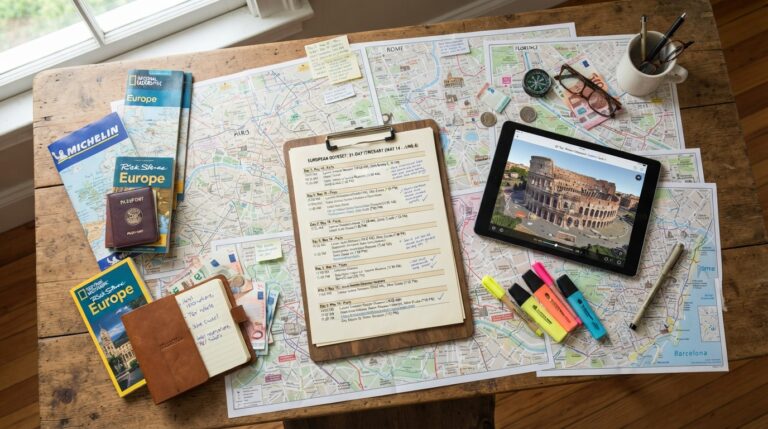

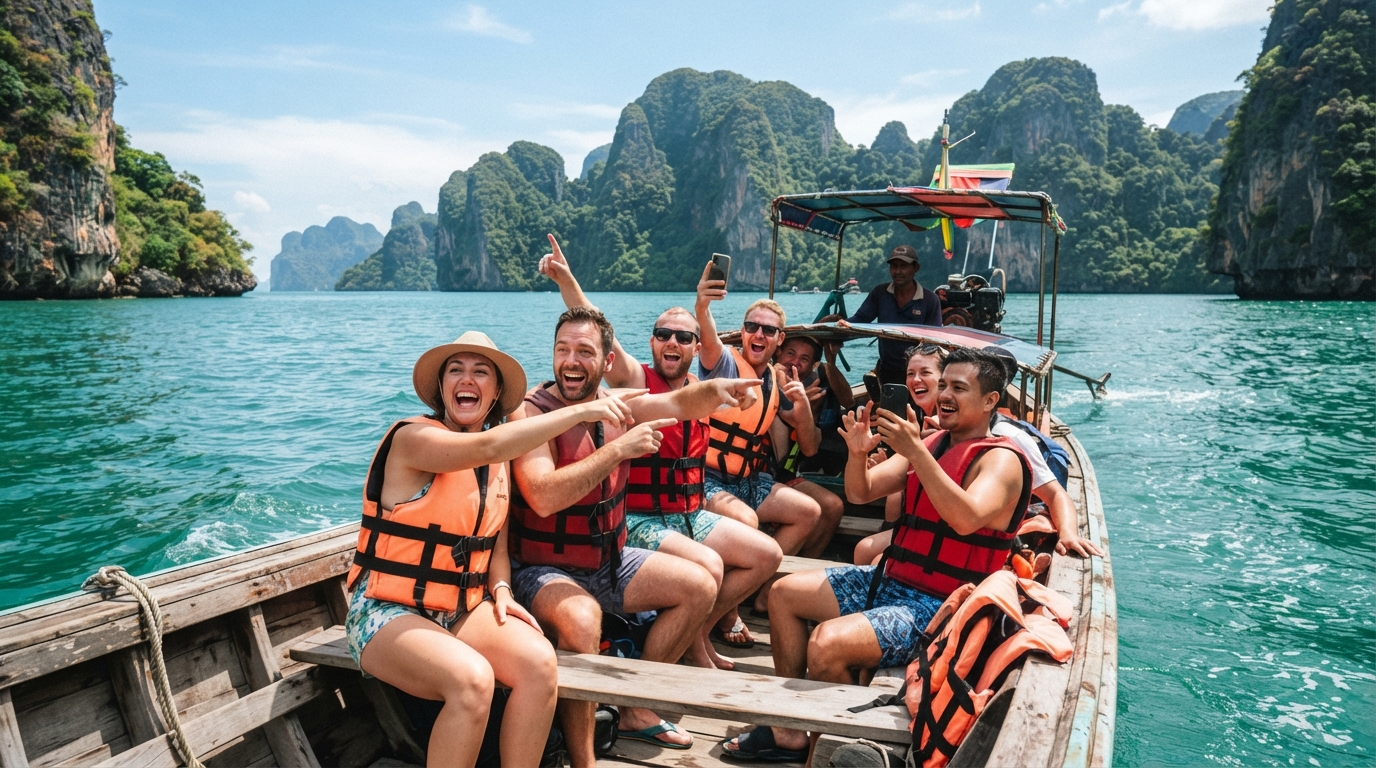
Planning a trip can be exciting, but it can also become overwhelming when travelers try to research every possible attraction, restaurant, neighborhood, and activity before departure. With so much information available online, the challenge is often deciding what deserves attention and what can be left for later.
Better travel research is not about collecting the largest amount of information. It is about finding useful ideas, verifying important details, organizing what matters, and leaving enough flexibility for the destination itself to shape the journey. A few simple research habits can make travel planning much easier and more effective.
- Begin With the Purpose of the Trip
- Use Broad Online Content for Inspiration
- Research the Destination Before Creating a Daily Schedule
- Keep a Shortlist Instead of Booking Immediately
- Check Locations on a Map
- Explore Different Perspectives
- Separate Must-See Attractions From Optional Ideas
- Group Activities by Neighborhood
- Research Local Transportation Early
- Use General Online Reading for Cultural Context
- Check the Age of Practical Information
- Read Reviews for Patterns
- Plan Around a Few Important Activities
- Keep Weather-Dependent Plans Flexible
- Research Restaurants Without Booking Every Meal
- Organize Important Information
- Save Essential Details Offline
- Verify Critical Information Close to Departure
- Review Only What Matters During the Trip
- Leave Room for Local Discoveries
- Know When to Stop Researching
- Use Research to Create Confidence, Not Pressure
Begin With the Purpose of the Trip
Before opening dozens of travel guides, decide what kind of experience you want. Some travelers prefer history and culture, while others care more about food, outdoor activities, shopping, nightlife, beaches, or relaxation.
Understanding these priorities makes it easier to ignore recommendations that do not match your interests.
Use Broad Online Content for Inspiration
Travel ideas can come from more than dedicated tourism websites. General-interest publications may discuss culture, communities, entertainment, regional developments, lifestyle topics, or events that encourage readers to explore a destination further.
During wider online browsing, readers may encounter resources such as Sindo Weekly Magz. General content can provide useful inspiration, while information that affects actual bookings, schedules, or important travel decisions should be checked through appropriate current sources.
Research the Destination Before Creating a Daily Schedule
Start with a broad understanding of the destination. Learn about its geography, major neighborhoods, transportation options, climate, and main areas of interest.
This foundation makes detailed planning easier because travelers can quickly determine whether particular attractions and accommodation options fit together geographically.
Keep a Shortlist Instead of Booking Immediately
When you discover an interesting hotel, attraction, or activity, add it to a shortlist before making a reservation. Comparing several possibilities usually leads to better decisions.
This also reduces the chance of committing too early and later discovering a more suitable option.
Check Locations on a Map
Distance is one of the most important practical factors in travel planning. A place that looks convenient in a description may actually require a long journey from the areas you intend to explore.
Use maps to compare accommodation, attractions, transportation hubs, and neighborhoods before making final decisions.
Explore Different Perspectives
No single website or article can completely represent a destination. Different sources may focus on culture, entertainment, local issues, transportation, food, or everyday life.
During broader research, travelers may encounter general media resources such as UGEN Media. Reading different perspectives can introduce useful subjects to investigate, but important factual details should be confirmed independently before they influence major travel arrangements.
Separate Must-See Attractions From Optional Ideas
Research usually produces more interesting places than travelers can realistically visit. Divide your list into priorities and optional possibilities.
Reserve time for the experiences that matter most and keep everything else available for flexible periods.
Group Activities by Neighborhood
Organizing sightseeing geographically is one of the easiest ways to create a smoother itinerary. Visiting several nearby attractions on the same day reduces unnecessary transportation.
It also provides more time to explore streets, cafés, parks, markets, and other places discovered naturally along the way.
Research Local Transportation Early
Understanding how to move around a destination makes many other decisions easier. Learn the basic public transportation options and how to travel from the airport or station to your accommodation.
You do not need to memorize every route before departure. Knowing the main system is usually enough to begin confidently.
Use General Online Reading for Cultural Context
Broad online reading can also help travelers understand interests and conversations beyond conventional tourism. Articles about society, culture, entertainment, or regional life may provide context that helps visitors see a destination differently.
Readers exploring general web content may come across resources such as 3AAM. If something discovered through general reading leads to a potential travel activity or destination choice, further research can help determine whether it is current, practical, and relevant to the actual journey.
Check the Age of Practical Information
Travel details can become outdated quickly. Restaurant openings, transportation routes, prices, ticket systems, and attraction schedules may change after an article is published.
Older content can still be useful for inspiration, but time-sensitive details should be verified before they affect reservations.
Read Reviews for Patterns
Reviews can provide valuable practical information, but individual opinions are subjective. One traveler may dislike something that another person considers an advantage.
Look for repeated comments across several recent reviews, especially about transportation, cleanliness, noise, waiting times, or service.
Plan Around a Few Important Activities
An itinerary becomes easier to manage when each day contains only one or two major priorities. Additional activities can remain flexible.
This prevents travelers from rushing constantly and gives each experience enough time to be enjoyable.
Keep Weather-Dependent Plans Flexible
Outdoor activities such as hiking, beaches, viewpoints, parks, and walking tours can be affected by weather.
Whenever possible, avoid permanently assigning these activities far in advance. Keep several indoor alternatives available so that plans can move between days.
Research Restaurants Without Booking Every Meal
Food can be an important part of travel, but reserving every meal can make the itinerary unnecessarily rigid.
Save several restaurant options in the neighborhoods you plan to visit and reserve only the places that genuinely require advance booking.
Organize Important Information
Travel research can quickly become scattered across browser tabs, screenshots, emails, and booking applications.
Keep essential reservations, addresses, transportation details, attraction tickets, and important contacts together in one organized location.
Save Essential Details Offline
Internet connectivity cannot always be guaranteed while traveling. Mobile service can disappear, Wi-Fi may fail, and phone batteries can run low.
Save important tickets, reservation details, accommodation addresses, and maps offline before they are needed.
Verify Critical Information Close to Departure
A few days before traveling, review the details that could materially affect the journey. Confirm transportation, accommodation, important attraction hours, reservations, and expected weather.
There is no need to repeat all of the original research. Focus on information that may have changed.
Review Only What Matters During the Trip
Once the journey begins, constant research is usually unnecessary. A short check of the following day’s weather, transportation, and fixed reservations is often enough.
This keeps travelers informed without allowing online research to consume time that could be spent experiencing the destination.
Leave Room for Local Discoveries
Some of the most enjoyable travel experiences cannot be planned from home. A local recommendation, interesting neighborhood, unexpected market, or small restaurant may become a highlight of the journey.
Leaving open time gives travelers enough flexibility to follow these discoveries.
Know When to Stop Researching
There will always be another article, video, review, or recommendation to read. More information does not always produce better decisions.
Once the important arrangements are settled and enough optional ideas are available, additional research may simply make travelers second-guess choices they have already made.
Use Research to Create Confidence, Not Pressure
The purpose of travel research is to make the journey easier. It can help travelers understand destinations, choose convenient accommodation, organize transportation, identify interesting experiences, and avoid preventable problems.
By researching broadly, verifying practical details, keeping priorities manageable, and leaving enough flexibility for spontaneous discoveries, travelers can prepare thoroughly without overcomplicating the trip. The best research gives travelers confidence before departure while still leaving plenty to discover after arrival.