
Introduction
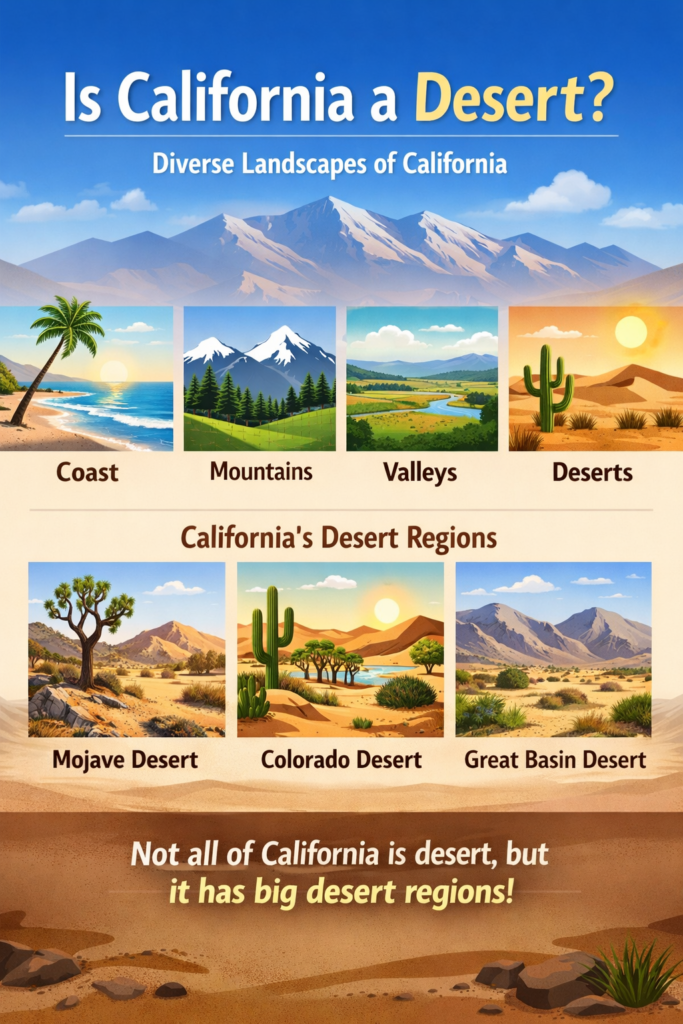
Is California a desert? Not entirely. While the state is known for beaches, forests, and mountains, it also contains vast desert regions. Areas like the Mojave Desert, Colorado Desert, and Great Basin Desert make up a significant part of its landscape, especially in the east and southeast. Understanding California means recognizing this mix of environments.
- Quick Answer: Is California a Desert?
- Why California Feels Like Two Different Worlds
- California Desert Regions at a Glance
- 1. Mojave Desert
- 2. Colorado Desert
- 3. Great Basin Desert
- California’s Desert Geography Explained in Simple English
- Why Is California So Dry in Some Areas?
- California Desert Climate: What It Feels Like
- Death Valley: California’s Most Extreme Desert
- Joshua Tree: Where Two Deserts Meet
- Anza-Borrego: California’s Largest State Park
- Mojave National Preserve: A Quiet Desert Landscape
- What Does the California Desert Look Like?
- California Desert Plants: How Life Survives in Dry Land
- California Desert Wildlife: Animals That Survive the Heat
- The Human History of California’s Deserts
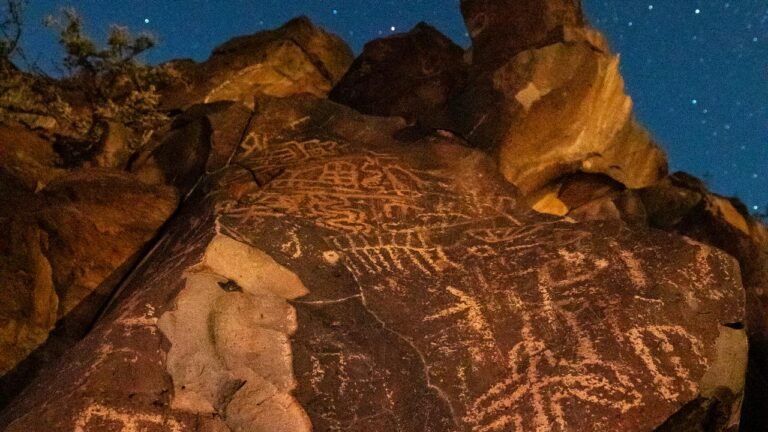
- Native Peoples and the California Desert
- Conservation and Protected Lands
- The California Desert Protection Act: A Major Turning Point
- Why California’s Desert Regions Matter Today
- Best Places to Visit in California’s Desert Regions
- 1. Joshua Tree National Park
- 2. Death Valley National Park
- 3. Anza-Borrego Desert State Park
- 4. Mojave National Preserve
- 5. Palm Springs and the Coachella Valley
- California Desert Travel Tips
- Common Challenges in the California Desert
- 1. Extreme heat
- 2. Limited water
- 3. Remote distances
- 4. Flash floods
- 5. Fragile ecosystems
- Pros and Cons
- Pros
- Cons
- Interesting Facts About California’s Deserts
- FAQs
- Conclusion
Quick Answer: Is California a Desert?
No, California is not completely a desert.
But yes, California has large desert regions in the eastern and southeastern parts of the state.
Those regions include:
- the Mojave Desert
- the Colorado Desert
- The Great Basin Desert
These desert zones are known for minimal rainfall, powerful sun exposure, dry air, vast open spaces, and landforms such as salt flats, dunes, canyons, rocky hills, dry basins, and scattered oases.
So if someone says California is a desert, that is not fully accurate. But if someone says California has significant desert regions, that is absolutely true.
Why California Feels Like Two Different Worlds
California is one of the most geographically varied states in the United States. In the same state, you can find ocean beaches, tidal cliffs, redwood forests, productive farmland, alpine peaks, dry plateaus, and stark desert valleys. That is a remarkable range of environments for one state to contain.
A traveler can move from the Pacific coast to a desert interior in a single day. That dramatic shift happens because a complex mixture of mountain chains, valleys, basins, and climate systems shapes California. The landscape changes quickly, and so does the weather. In one area, the air feels cool and moist, while in another it becomes hot, dry, and intense. Between them, mountain ridges and high passes shape where rain reaches and where it is blocked.
That is why California can seem like several different states joined together. It contains a coastal California, a mountain California, a valley California, and a desert California. All of them are real, and all of them belong to the same state.
The desert areas are mainly found inland, especially in the east and southeast. They exist in part because mountain ranges block moist Pacific air from moving freely across the state. This creates a rain shadow effect, which dramatically reduces precipitation on the inland side. The result is a dry landscape that receives far less rainfall than coastal or valley regions.
That is one of the main reasons California has such strong and distinct desert zones.
California Desert Regions at a Glance
1. Mojave Desert
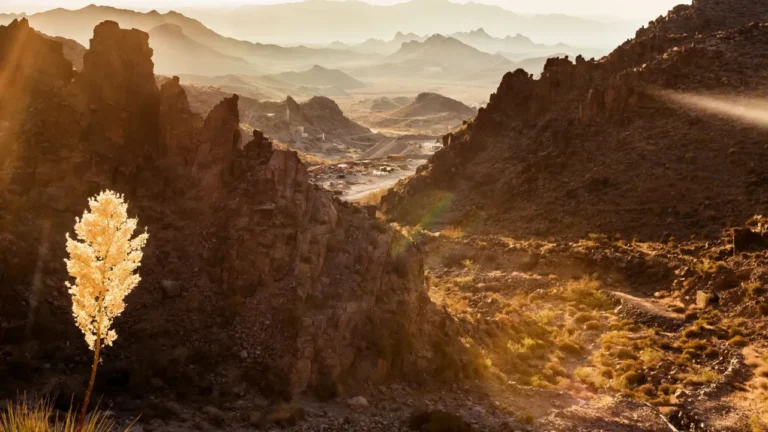
The Mojave Desert is the high-desert region most people picture when they think of inland Southern California. It is famous for open space, Joshua trees, rocky terrain, dry washes, and dramatic views that can feel both severe and serene. It is a landscape of elevation, sunlight, and remarkable visual identity.
Best-known places:
- Joshua Tree National Park
- Mojave National Preserve
- parts of the Death Valley region
Main character: high desert, rocky landscapes, dry basins, and iconic desert plants.
2. Colorado Desert
The Colorado Desert lies farther southeast and is part of the larger Sonoran Desert system. It is generally hotter and lower in elevation than the Mojave. Its terrain includes desert flats, palm oases, washes, hills, and regions that can feel intensely warm even when other parts of the state are mild.
Best-known places:
- Anza-Borrego Desert State Park
- Coachella Valley
- Imperial Valley
Main character: low desert, hotter climate, cacti, washes, wide horizons, and sparse but resilient life.
3. Great Basin Desert
The Great Basin Desert reaches into eastern California and links the state to a much broader interior desert system across the western United States. It is a cold desert influence rather than a pure hot desert, meaning that elevation and seasonal variation matter a great deal. Winters can be much colder than many people expect when they hear the word “desert.”
Best-known areas:
- Eastern California desert margins
- Higher inland dry zones
Main character: cold desert influence, high elevation, dryness, and sparse vegetation.
California’s Desert Geography Explained in Simple English
A desert is not defined by sand alone. That is a common misunderstanding. People often imagine endless dunes because movies and Photographs have shaped that image, but sand is only one possible desert surface. A desert is really a place that receives very little precipitation. It can contain rocks, gravel, cliffs, dry lakebeds, salt flats, mountains, and basins. It can even contain plants, animals, and human communities that have adapted to scarce water.
California’s desert lands are spread across the state’s inland east and southeast. They are not a single continuous block, and they do not all look the same. Instead, they form a set of connected dry zones shaped by altitude, weather patterns, geology, and distance from moisture sources.
The easiest way to picture California’s broad environmental structure is this:
- Coastal California: cool and moist
- Mountain California: elevated and snowy
- Valley, California: fertile and productive
- Desert California: dry, bright, open, and dramatic
These are not separate states. They are different ecological and geographic expressions of the same state.
That variety is part of what makes California such a powerful subject for travel, geography, and SEO content. It gives readers a clear and interesting contrast: one location, many natural identities.
Why Is California So Dry in Some Areas?
The main reason lies in the rain shadow effect.
Here is how it works in plain English:
Moist air moves inland from the Pacific Ocean.
That air rises when it meets mountain ranges.
As the air rises, it cools down.
Cooler air releases moisture as rain or snow on the windward side of the mountains.
After crossing the mountains, the remaining air becomes much drier.
That dry air moves into inland California, creating desert conditions.
So the desert is not random or accidental. It is the result of geography, elevation, and atmospheric movement interacting over long periods of time.
This is why some areas of California can be cool, green, and full of life, while other areas are arid, sun-washed, and sparsely vegetated. The mountain barriers are one of the key reasons for that contrast.
In short, California’s desert climate is created by a combination of topography and meteorology. The state’s landscape acts like a giant climate machine, channeling moisture into some places and leaving other places dry.
California Desert Climate: What It Feels Like
The climate in California’s desert regions is more than simply “hot.” It is a combination of dryness, brightness, wind, and temperature fluctuation that can feel intense and unforgettable.
Desert climate characteristics often include:
- very low rainfall
- strong solar exposure
- hot summers
- cooler winters in some areas
- windy conditions
- large day-night temperature swings
- sudden changes after rare rain events
One of the most surprising parts of desert weather is the temperature shift. A place can feel scorching in the afternoon and much cooler after sunset. This happens because dry air does not hold heat the same way humid air does. The result is a climate that is often extreme in multiple directions.
The lack of humidity also changes the way heat feels. The sun can seem sharper, the sky can seem larger, and the absence of cloud cover can make the landscape feel almost luminous. Shade becomes precious. Water becomes essential. Long distances between services become part of the traveler’s reality.
Because of this, desert travel is often best in fall, winter, and early spring, when temperatures are more manageable and outdoor exploration becomes safer and more comfortable.
Death Valley: California’s Most Extreme Desert
When people think of California desert facts, Death Valley is usually one of the first names that comes to mind. It is a place of superlatives, where the environment can become so hot, dry, and visually striking that it almost feels unreal.
Death Valley is famous for being one of the hottest and driest places in North America. It is also one of the most dramatic desert landscapes in the country. The scale of the land, the starkness of the basins, and the intensity of the heat all contribute to its legendary reputation.
Why Death Valley matters:
- It demonstrates the power of a desert climate
- It contains some of the most extreme landforms in California
- It is a major national park with deep scientific value
- It illustrates how life survives in harsh settings
The park contains salt flats, dry valleys, eroded ridges, dunes, and expansive open spaces. It is a place where geology is written across the land in plain view. The scenery can feel otherworldly, almost lunar, but it is a living ecosystem.
That is an important concept for readers to understand: desert does not mean empty, and it does not mean lifeless. It means adapted, specialized, and efficient.
Plants and animals in Death Valley survive by using extraordinary survival strategies. Some store water, some move at night, some burrow, and some can endure conditions that would be impossible for other species. This is why desert ecology is so fascinating. It reveals how life adjusts rather than disappears.
Joshua Tree: Where Two Deserts Meet
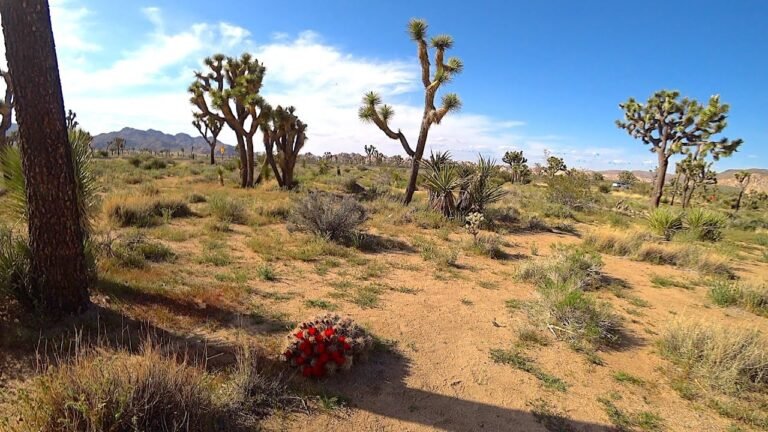
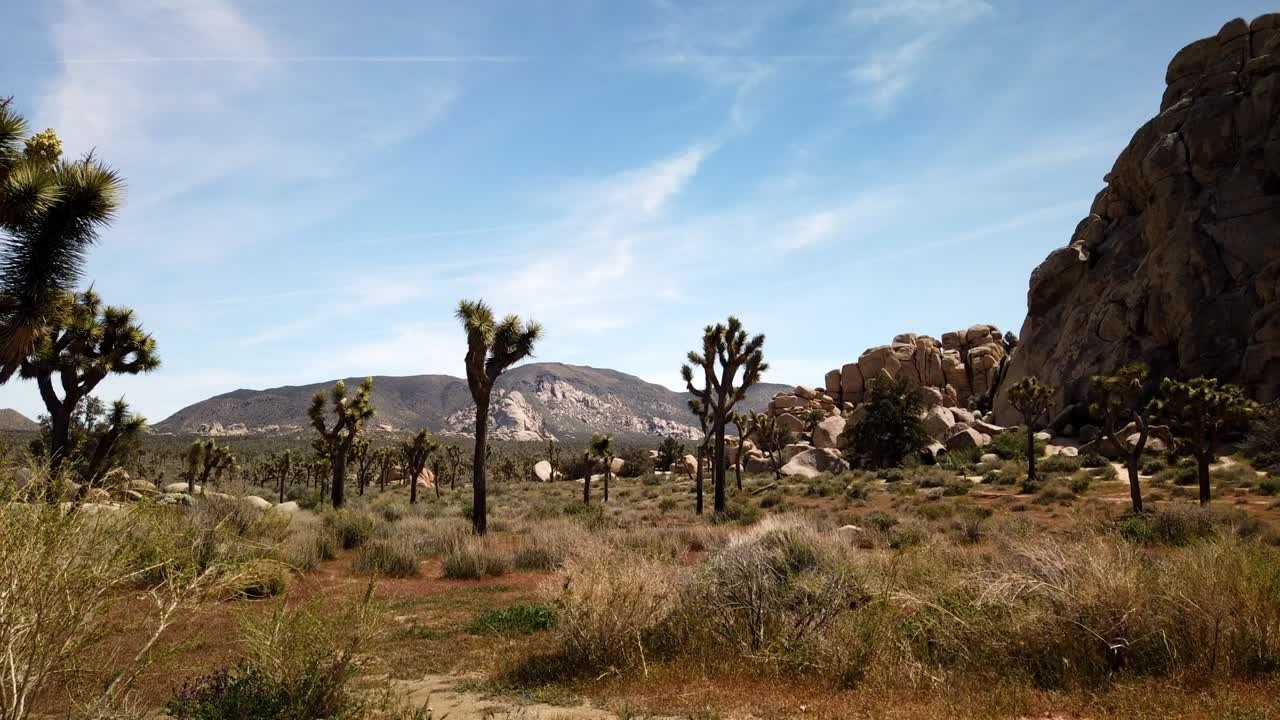
Joshua Tree National Park is one of the most famous desert destinations in the world, and for good reason. It is visually distinctive, ecologically interesting, and emotionally memorable. It sits where the Mojave Desert and the Colorado Desert meet, which makes it a boundary zone between two different desert identities.
That meeting point matters. It gives the park a blended character. In some areas, you see the high-desert feel of the Mojave, with Joshua trees, boulders, and open terrain. In others, the lower and warmer Colorado Desert influence appears through different vegetation and a more heat-forward landscape.
What you experience in Joshua Tree:
- iconic Joshua trees
- giant boulder formations
- wide desert horizons
- brilliant sunsets and sunrises
- stargazing in clear night skies
- rock climbing and hiking routes
- silence, space, and visual drama
Joshua Tree has a mood that is hard to duplicate. It is at once peaceful, artistic, and rugged. Many visitors are drawn to the unusual mix of stillness and texture. The park feels sculptural, as though the land has been intentionally shaped for visual impact.
That is one reason it is so photogenic. The light, landforms, and plant life combine into something unforgettable. For many travelers, it is the clearest answer to the question, “Where should I go to experience the California desert?”
Anza-Borrego: California’s Largest State Park
Anza-Borrego Desert State Park is another major desert landmark and one of California’s most important protected landscapes. It is the largest state park in California, and it offers a very different desert experience from Joshua Tree.
Where Joshua Tree is iconic and boulder-rich, Anza-Borrego feels expansive, open, and seasonal. It is known for its broad desert basins, rugged canyons, palm oases, dry washes, and spectacular wildflower displays when conditions are right.
What makes Anza-Borrego special:
- enormous open space
- scenic drives and off-road corridors
- canyons and desert washes
- palm groves and natural oases
- wildflowers after rainfall
- cacti, shrubs, and desert grasslands
- hiking and backcountry exploration
Anza-Borrego is a strong reminder that deserts can be full of change. In some years, the park remains dry and quiet for long stretches. In other years, rain transforms the land into a living field of color. That seasonal burst is one of the most beloved natural events in California desert travel.
People often visit in spring because the wildflower bloom can be spectacular. For a short time, the desert appears to wake up and glow. That contrast between dryness and bloom gives Anza-Borrego a particularly emotional and visual appeal.
Mojave National Preserve: A Quiet Desert Landscape
Mojave National Preserve offers a more remote and understated experience. It is less crowded than some of the state’s better-known desert destinations, and that makes it ideal for travelers who want solitude, openness, and a deep sense of scale.
This is a place of quiet expanses, long roads, and dramatic natural features. You may encounter dunes, volcanic cones, lava remnants, Joshua trees, and broad valleys under a vast sky. The preserve captures the raw, unpolished feel of the Mojave Desert in a way that feels immersive rather than commercial.
What you may find there:
- wide desert valleys
- Joshua tree forest dunes
- cinder cones
- lava flows
- wildlife corridors
- remote roads and trails
If Joshua Tree feels iconic and artistic, Mojave National Preserve feels more elemental. It is spacious, spare, and meditative. Many visitors appreciate it because it gives them room to think, drive, hike, and simply absorb the environment.
The preserve is also valuable because it helps protect a large and ecologically significant stretch of desert land. That protection matters in a region where development, roads, and habitat fragmentation can easily place pressure on fragile systems.
What Does the California Desert Look Like?
A common misconception is that deserts are only sand. In reality, California’s desert regions are visually diverse. Sand appears in some places, but it is only one piece of the bigger picture.
You may see:
- dunes
- salt flats
- rocky ridges
- dry lake beds
- canyons
- cliffs
- alluvial fans
- volcanic landforms
- oasis pockets
- broad basins
Different desert zones have different signatures. Death Valley is famous for its salt flats and basin structure. Joshua Tree is known for boulders, rock piles, and the strange silhouette of Joshua trees. Anza-Borrego is known for washes, valleys, and seasonal blooms. Mojave National Preserve is famous for its silence, open space, and volcanic features.
That variety is part of the desert’s appeal. It is not one flat category. It is a mosaic of landforms, each with its own mood and texture.
For readers and travelers, that means the California desert is worth more than one visit. It is a region with many faces.
California Desert Plants: How Life Survives in Dry Land
The desert may appear severe, but it is full of plant life that has developed remarkable survival strategies. These plants are not weak or accidental. They are highly specialized organisms built for scarcity.
Desert plants often have:
- thick stems that store water
- small leaves that reduce moisture loss
- deep or extensive roots
- waxy surfaces
- drought tolerance
- seasonal growth patterns
- efficient water use
Common desert plants include:
- Joshua tree
- creosote bush
- cactus species
- desert lavender
- brittlebush
- yucca
- ocotillo
- palm oases
- seasonal wildflowers
The Joshua tree is probably the most famous symbol of California’s desert identity, but it is only one part of a much larger botanical system. Each plant contributes to the ecology differently. They help stabilize soil, provide food and shelter, attract pollinators, and can remain dormant until moisture returns.
After rainfall, some desert areas can suddenly become colorful and lush-looking. Wildflowers may appear quickly, creating a brief but memorable transformation. That is one reason desert blooming seasons are so popular.
The desert is often quiet, but it is never lifeless.
California Desert Wildlife: Animals That Survive the Heat
California desert wildlife is more diverse than many people expect. The environment is dry, but it supports a wide range of species that have adapted to heat, water scarcity, and long periods of little rain.
Desert animals may include:
- desert tortoise
- kit fox
- bighorn sheep
- roadrunner
- golden eagle
- mule deer
- chuckwalla
- lizards
- snakes
- coyotes
- bats
- insects
- desert birds
Many animals in the desert are nocturnal, meaning they are active at night when temperatures are lower. Others dig burrows, travel at dawn and dusk, or conserve energy carefully. Adaptation is the rule, not the exception.
The desert tortoise is one of California’s most important desert species. It is strongly associated with conservation efforts, habitat protection, and the broader ecological identity of the region. When people talk about desert conservation, this species often becomes part of the discussion because its survival is tied closely to land health and habitat stability.
Wildlife matters because it proves the desert is not an empty void. It is a functioning ecosystem with predators, prey, pollinators, scavengers, and seasonal rhythms. For many visitors, seeing wildlife in a place that looks so austere is one of the most memorable parts of the experience.
The Human History of California’s Deserts
California’s desert regions have a long and meaningful human history. These lands were not vacant before modern tourism, road networks, and park systems developed. They were home to people for thousands of years, and they continue to hold deep cultural significance today.
The desert history includes:
- Native American stewardship
- trade routes
- ranching
- mining
- military activity
- highway and road construction
- conservation movements
- tourism growth
The desert has always been more than scenery. It has been a place of travel, survival, ceremony, work, and adaptation. Human communities learned to live in relationship with their challenges. They found water, mapped routes, managed resources, and passed on knowledge across generations.
This matters because a strong article should not reduce the desert to a beautiful backdrop. It should present the desert as a lived-in, remembered, and actively protected landscape.
Native Peoples and the California Desert
The California desert has deep Indigenous history, and that history deserves respectful recognition. Native communities have lived in and cared for these lands for thousands of years. Their knowledge of the land includes practical survival skills, ecological awareness, and cultural meaning.
They understood how to read the terrain, where to find water, when to travel, how to respond to seasonal shifts, and how to use the desert without exhausting it. Their relationship with the land was not extractive in the modern sense. It was based on continuity, observation, adaptation, and responsibility.
This is important for modern readers because it reminds them that the desert is not just a recreation zone or a scenic stop. It is an ancestral land with a living heritage.
A respectful treatment of California desert geography should always include that perspective.
Conservation and Protected Lands
California’s desert regions are not only scenic; they are also protected by a network of public lands. Many of the state’s most significant desert areas are preserved through national parks, national preserves, state parks, wildlife refuges, and conservation lands.
That protection matters because desert ecosystems are delicate. Even though they may look tough, many desert systems are vulnerable to disturbance.
Why desert conservation matters:
- Rare species need a stable habitat
- Soil can be damaged easily
- Off-road traffic can scar the land
- Development can fragment ecosystems
- Water stress affects vegetation and wildlife
- Climate change adds pressure over time
A desert may appear resilient because it can survive heat and drought, but its structure is often fragile. One careless action can leave lasting damage. That is why conservation policy and land management are so important in desert regions.
Public protection helps future generations see, study, and enjoy these landscapes. It also ensures that the ecological and cultural value of the desert is acknowledged.
The California Desert Protection Act: A Major Turning Point
A major milestone in California desert conservation was the California Desert Protection Act of 1994. This law helped expand protection for important desert lands and shaped the modern landscape of conservation in the region.
Why it matters:
- It increased the preservation of desert ecosystems
- It helped protect major landscapes from loss or development
- It strengthened the national park and preserve status
- It recognized the importance of desert land for future generations
This was a key moment in the history of California’s natural heritage. It helped secure some of the most valuable desert spaces in the state and reinforced the idea that deserts deserve the same level of protection and respect as forests, rivers, and mountain ecosystems.
Without such protection, many landscapes could have been altered beyond recognition.
Why California’s Desert Regions Matter Today
California’s desert regions matter for many reasons, and not just because they are visually impressive. They are central to many different fields of study and use.
They matter for:
- geography
- ecology
- climate science
- tourism
- Native history
- geology
- public land management
- outdoor recreation
The desert is part of California’s identity. It helps define the state’s natural diversity, its tourist appeal, and its environmental complexity. It also provides an important contrast to the image of California as only a coastal or urban state.
When visitors explore these places, they are seeing more than dry land. They are seeing an environment shaped by time, weather, elevation, rock, water scarcity, and human movement. That makes the California desert a meaningful subject not only for travelers but also for students, writers, and researchers.
Best Places to Visit in California’s Desert Regions
If your reader wants travel value, this section is essential. California’s desert landscapes are not one single destination. They are a network of places with different atmospheres and different types of beauty.
1. Joshua Tree National Park
Best for:
- iconic desert scenery
- rock climbing and bouldering
- stargazing
- photography
- Joshua trees and surreal landscapes
Joshua Tree is the easiest place for many travelers to recognize and enjoy. It is highly photogenic and visually dramatic.
2. Death Valley National Park
Best for:
- extreme landscapes
- salt flats
- geological wonder
- dramatic heat stories
- vast desert views
Death Valley is the place for visitors who want scale, intensity, and a sense of natural extremity.
3. Anza-Borrego Desert State Park
Best for:
- wildflowers
- spring travel
- scenic drives
- canyons and washes
- hiking and open vistas
Anza-Borrego is ideal for travelers who want a wide, living desert with seasonal variation.
4. Mojave National Preserve
Best for:
- remote wilderness
- quiet travel
- dunes and volcanic landforms
- solitude
- long scenic drives
The preserve is a great choice for people who want space, silence, and a deeper sense of desert remoteness.
5. Palm Springs and the Coachella Valley
Best for:
- resort travel
- desert lifestyle
- nearby sightseeing
- warm-weather trips
- easy access to desert attractions
Palm Springs and the surrounding area give visitors a different form of desert experience, blending leisure, architecture, and nearby natural landscapes.
These destinations show that the California desert is varied and accessible. It can be adventurous, serene, scenic, scientific, or luxurious, depending on where you go.
California Desert Travel Tips
Traveling in the desert can be unforgettable, but it requires preparation. The environment rewards awareness and punishes carelessness. That makes planning essential.
Before you go:
- carry extra water, check the forecast
- avoid peak midday heat
- Tell someone your route
- Bring sunscreen and a hat
- Keep your fuel tank full
- download maps in advance
- pack snacks and emergency supplies
Best times to visit:
- fall
- winter
- early spring
These seasons are usually more comfortable for walking, photography, scenic driving, and general exploration.
Safety tips:
- Never ignore heat warnings
- Do not hike far without enough water
- Do not drive into floodwater
- Do not assume dry washes are safe after storms
- Stay on marked roads and trails
- Respect park rules and wildlife
The desert is beautiful, but it should never be treated casually. It is a place of real natural power.
Common Challenges in the California Desert
California desert travel offers huge rewards, but it also comes with real risks and limitations.
1. Extreme heat
Summer temperatures can become dangerous very quickly, especially in low-elevation desert areas.
2. Limited water
Water sources are scarce. That makes hydration and preparation essential.
3. Remote distances
Many desert destinations are far from shops, gas stations, and emergency services.
4. Flash floods
Dry ground can turn into fast-moving water after storms. This can be extremely dangerous.
5. Fragile ecosystems
Desert landscapes can be damaged by careless walking, driving, or resource use.
These challenges are part of the desert experience. They do not make the desert less valuable. They make it more important to understand and respect.
Pros and Cons
Pros
- breathtaking scenery
- excellent photography opportunities
- rich plant and animal life
- strong stargazing conditions
- quiet, open spaces
- unique parks and preserves
- deep history and geology
Cons
- intense heat in summer
- limited shade and water
- long drives between services
- safety risks if unprepared
- delicate land that needs careful treatment
This balance makes the desert feel honest and real. It is not a fantasy landscape. It is beautiful, but it is also demanding.
Interesting Facts About California’s Deserts
Here are some useful and memorable facts that strengthen the article and help readers retain the main ideas:
- California’s deserts cover a large part of the state.
- The state contains three major desert systems.
- Joshua Tree National Park lies where two deserts meet.
- Death Valley is one of the most extreme environments in North America.
- Anza-Borrego is California’s largest state park.
- Desert wildlife includes reptiles, mammals, birds, and insects.
- Desert plants are specially adapted to survive drought.
- California desert lands have a deep Native American history.
- Conservation has protected many important desert landscapes.
These facts make the topic more credible, more interesting, and more search-friendly.
FAQs
No, California is not completely a desert. But it has large desert regions in the eastern and southeastern parts of the state.
The three main desert regions are the Mojave Desert, the Colorado Desert, and the Great Basin Desert.
Because mountain ranges block moist Pacific air and create a rain shadow effect, which leaves inland desert areas much drier.
Yes, Joshua Tree National Park sits where the Mojave Desert and Colorado Desert meet.
Death Valley is the most extreme desert area and is known for very high heat and very low rainfall.
It depends on your goal. Joshua Tree is great for scenery, Death Valley for extreme landscapes, Anza-Borrego for wildflowers, and Mojave National Preserve for quiet wilderness.
No. They are full of plants, animals, history, and protected lands.
Usually, fall, winter, and early spring are the most comfortable times to visit.
Conclusion
California is not a desert as a whole, but it includes some of the most Important desert landscapes in North America. Its diverse geography combines coastal, mountain, and desert regions, making it one of the most varied states in the U.S.