

- Key Takeaways
- Know Maryland’s Main Weather Risks
- Start With a Safe Roof Check
- Clear Gutters and Improve Drainage
- Inspect Siding, Windows, and Skylights
- Secure Trees and Outdoor Items
- Complete a Before-Storm Checklist
- Know What to Do After a Storm
- Common Questions About Storm Preparation
- How often should the exterior be inspected?
- Can hail damage be seen from the ground?
- Should gutters be cleaned before every storm?
- Final Thoughts
Key Takeaways
- Small exterior defects can allow wind-driven rain to reach areas that normally stay dry.
- A practical inspection includes the roof, flashing, gutters, downspouts, siding, windows, skylights, and nearby trees.
- Clear drainage routes and secure outdoor items before severe weather is forecast.
- Inspect roofs from the ground when possible. A qualified professional should assess steep, wet, or damaged roofs.
- Photos, receipts, and inspection notes can create a useful record if storm damage occurs.
Maryland homeowners can face heavy summer rain, thunderstorms, strong wind, hail, tropical weather, winter ice, and repeated freeze-thaw conditions in the same year. Preparing the exterior before weather turns severe can help reveal weak spots. At the same time, repairs are still manageable. Whether a home is near the Chesapeake Bay, in a wooded suburban neighborhood, or farther west toward higher elevations, exterior maintenance matters; checking vulnerable areas before arranging roof installations or other major work can also help homeowners better understand their property’s current condition.
Know Maryland’s Main Weather Risks
Storm preparation begins with understanding that water and wind can expose different weaknesses. Heavy rain tests roof seams, flashing, gutters, and grading around the foundation. Strong wind can lift loose shingles, pull at trim, break branches, and turn unsecured patio items into hazards. Hail may damage roofing and exterior finishes, while snow, ice, and freeze-thaw cycles can worsen existing cracks or drainage problems. Tropical systems can also affect Maryland well after they weaken from hurricane strength. The heavy rainfall associated with tropical systems can extend far inland, so homeowners should not focus only on wind when reviewing their storm plan.
Start With a Safe Roof Check
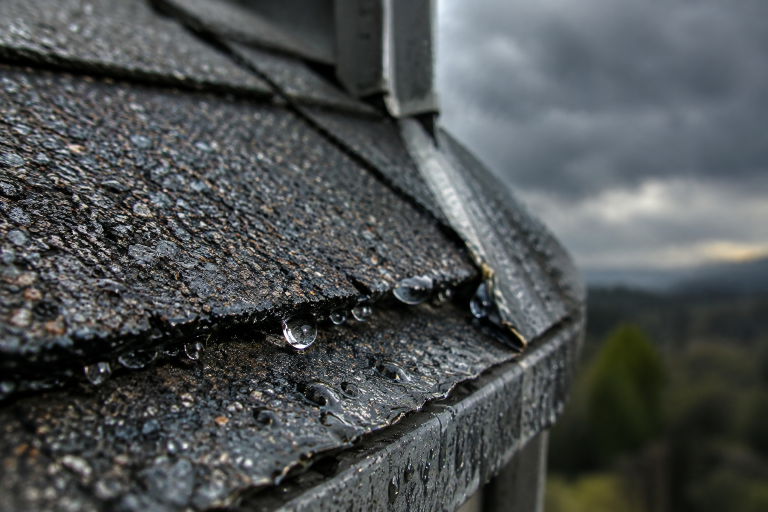
A roof review does not need to start with a ladder. From the ground, use binoculars or photos taken from a safe location to look for missing, lifted, curled, cracked, or noticeably discolored shingles. Check ridge caps, roof edges, vents, pipe boots, and flashing for visible gaps, loose pieces, or exposed fasteners. Also watch for dark areas, sagging sections, roof granules collecting near downspouts, and water marks on attic framing, ceilings, or upper walls. These signs do not identify every problem, but they can indicate that closer evaluation is needed. Avoid walking on a roof that is steep, wet, damaged, or unstable. Doing so can create a fall hazard and may worsen fragile materials.
Clear Gutters and Improve Drainage
Even a sound roof can create trouble when water has nowhere to go. Clogged gutters may overflow onto fascia boards, siding, windows, walkways, and planting beds. Short downspouts can release large amounts of water close to the foundation.
- Remove leaves, twigs, nests, and roof grit from gutters.
- Look for loose hangers, open seams, and sagging sections.
- Confirm that gutters slope toward downspouts.
- Run water through the system to check for clogs and leaks.
- Make sure downspout extensions and splash blocks direct water away from the home.
- Clear mulch, soil, and debris from nearby drains or swales.
Inspect Siding, Windows, and Skylights
Wind-driven rain can enter through more than just the roof. Walk around the home and look for cracked or loose siding, damaged trim, open seams around doors and windows, deteriorated caulk, loose screens, and unsecured exterior fixtures. Pay special attention to skylights, where cracked seals or moisture around the interior well may signal a problem. Caulk can be helpful for small, appropriate gaps, but it is not a cure for every leak. Repeated staining below a window, around a skylight, or along an exterior wall can indicate a flashing, drainage, or installation issue that requires a more thorough assessment.
Secure Trees and Outdoor Items
Maryland’s mature tree canopy adds character to many neighborhoods, but dead limbs and weakened branches can become a serious concern during high winds. Look for hanging limbs, visible decay, branches rubbing the roof, or trees leaning toward the home. A qualified arborist is best suited to evaluate large or questionable trees. Before a storm, bring lightweight furniture, umbrellas, planters, decorations, tools, and loose building materials inside. Close awnings if their manufacturer instructions allow it, secure heavier objects that must remain outdoors, and store ladders where wind cannot move them.
Complete a Before-Storm Checklist
- Check the roof from the ground.
- Inspect flashing, vents, skylights, roof edges, and siding.
- Clean gutters and test downspouts.
- Trim or address dangerous branches.
- Secure outdoor furniture and loose items.
- Check ceilings and attic areas for moisture.
- Photograph existing exterior conditions.
- Review insurance information and keep important contacts available.
- Charge phones and weather radios.
A broader household plan should include alerts, supplies, and communication arrangements. The emergency planning guidance on Ready.gov can help households prepare for weather-related disruptions without waiting for a warning to be issued.
Know What to Do After a Storm
Safety comes before inspection. Stay clear of downed power lines, standing water, broken glass, unstable trees, and visibly damaged structures. Wait until conditions are safe, then inspect from a secure location. Take photos and videos of damaged materials before moving them whenever possible. If water is entering the home, place containers beneath active drips, move belongings away from wet areas, and avoid electrical hazards. Keep receipts for emergency protection or repairs, contact the insurance carrier when damage appears significant, and arrange a professional inspection for roof or structural concerns. Water can travel through insulation and wall cavities before a stain becomes visible.
Common Questions About Storm Preparation
How often should the exterior be inspected?
Perform a quick visual check before periods of severe weather, after major storms, and whenever a leak, draft, stain, or loose material appears.
Can hail damage be seen from the ground?
Some signs may be visible, but hail damage can be subtle. A closer inspection may be appropriate after a storm with large hail, especially on an older roof.
Should gutters be cleaned before every storm?
Cleaning needs vary with nearby trees and seasonal debris. The important step is making sure water can move freely before forecasted heavy rain.
Final Thoughts
Storm preparation is most effective when it becomes a regular part of home maintenance rather than a last-minute reaction to an approaching weather system. Scheduling seasonal exterior inspections, keeping gutters and downspouts clear, checking roofing materials, and securing outdoor furniture can help Maryland homeowners identify potential hazards before severe weather arrives. It is equally important to monitor drainage around the foundation, trim hazardous tree branches, and address loose or damaged exterior components before heavy rain and strong winds worsen existing problems. Creating a clear household emergency plan, keeping essential supplies accessible, and knowing when to contact qualified professionals can also make storm response more manageable. By taking these practical steps throughout the year, homeowners can better protect their property, reduce preventable damage, and feel more prepared when the next storm tests their home.