

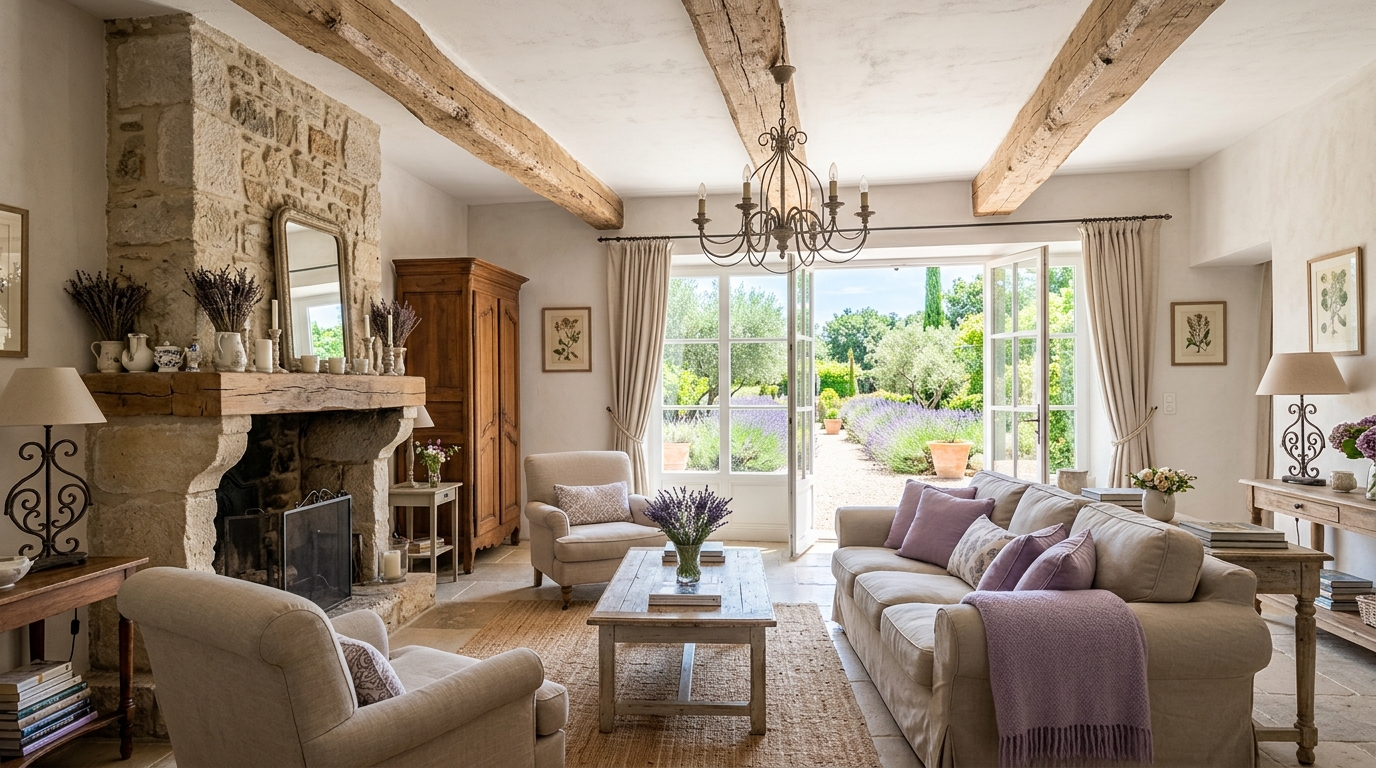
Furnishing a home is not simply about filling empty rooms. The right furniture should make daily life easier, support the way each space is used, and fit comfortably within the home’s size and layout. Poorly chosen furniture can create clutter, block movement, and make even attractive rooms feel inconvenient.
A better approach is to think about function first. Homeowners can evaluate room dimensions, storage needs, household routines, durability, and budget before making major purchases. With a little planning, furniture can improve both the appearance and practicality of the home.
- Start With the Purpose of Each Room
- Measure Before You Shop
- Plan the Layout Before Buying
- Choose Furniture According to Scale
- Think About Comfort First
- Consider Pet-Friendly Furniture Needs
- Give Pets Their Own Spaces
- Prioritize Durability in High-Use Rooms
- Think About Cleaning Requirements
- Use Storage Furniture Strategically
- Avoid Buying Everything at Once
- Compare Value, Not Just Price
- Look for Furniture Deals Carefully
- Check Delivery Costs
- Understand Return Policies
- Think About Assembly Requirements
- Coordinate Furniture Without Matching Everything
- Use Wood Tones Thoughtfully
- Consider the Kitchen as a Furnished Space
- Plan Kitchen Storage Around Real Habits
- Research Kitchen Furniture and Storage Options
- Leave Enough Clearance in the Kitchen
- Choose Dining Furniture for Everyday Use
- Think About Traffic Flow
- Use Smaller Pieces to Add Flexibility
- Consider Future Needs
- Do Not Ignore Bedroom Storage
- Keep Nightstands Practical
- Use Furniture to Define Open-Plan Areas
- Do Not Block Natural Light
- Check Stability and Safety
- Protect Floors During Delivery
- Keep Furniture Maintenance Simple
- Refresh Furniture Before Replacing It
- Build the Room Gradually
- Furnish for Real Life
Start With the Purpose of Each Room
Before buying furniture, decide what needs to happen in the room. A living room may need comfortable seating and entertainment storage, while a bedroom may require a bed, nightstands, clothing storage, and enough open space to move comfortably.
Knowing the room’s purpose prevents unnecessary purchases and helps prioritize the pieces that matter most.
Measure Before You Shop
Furniture can appear smaller in a showroom or online photograph than it will inside a real room.
Measure walls, doorways, windows, and circulation areas before purchasing large pieces. Also consider whether the furniture can actually be delivered through hallways, staircases, and entry doors.
Plan the Layout Before Buying
Even attractive furniture can create problems if it is placed without considering movement through the room.
Create a simple floor plan or mark approximate dimensions on the floor so you can understand how much space each item will occupy.
Choose Furniture According to Scale
Large furniture can overwhelm a compact room, while very small pieces may look disconnected in a spacious interior.
Scale should be considered in relation to the room and the other furniture already present.
Think About Comfort First
Furniture that looks impressive but is uncomfortable will eventually become frustrating. Sofas, chairs, beds, and dining seating should support the way they will actually be used.
When possible, evaluate comfort before making a major purchase rather than relying entirely on appearance.
Consider Pet-Friendly Furniture Needs
Homes with pets may need to consider durability, cleanability, and the way animals interact with furniture. Cats, for example, may climb, scratch, shed hair, or prefer elevated spaces.
Homeowners researching furniture options for pet-friendly households may encounter resources such as Cat Furniture Discounters. Specialty furniture can provide dedicated areas for pets, but buyers should still consider stability, materials, dimensions, and how the item fits into the wider room layout.
Give Pets Their Own Spaces
Dedicated pet furniture can sometimes reduce competition for sofas, shelves, or other household surfaces.
Choose locations that are comfortable for the animal while keeping pathways and everyday household activity practical.
Prioritize Durability in High-Use Rooms
Living rooms, dining rooms, kitchens, and family spaces often experience more wear than formal or rarely used rooms.
Furniture in these areas should be selected with durability and maintenance in mind, especially in homes with children or pets.
Think About Cleaning Requirements
Some fabrics and finishes require much more maintenance than others. Light-colored upholstery, delicate materials, and highly textured surfaces can show wear or stains more quickly.
Consider how much cleaning and maintenance the household is realistically willing to perform.
Use Storage Furniture Strategically
Furniture can provide more than one function. Ottomans with hidden storage, beds with drawers, cabinets, shelving, and coffee tables with compartments can help reduce clutter.
Multifunctional pieces are especially valuable in smaller homes where floor space is limited.
Avoid Buying Everything at Once
Furnishing an entire room in one shopping trip can lead to unnecessary purchases. It is often better to begin with essential pieces and live with the space before adding more.
This approach makes it easier to identify what is genuinely missing.
Compare Value, Not Just Price
The least expensive furniture is not always the best long-term value. Construction quality, materials, comfort, maintenance, and expected lifespan all affect whether a purchase is worthwhile.
At the same time, expensive furniture is not automatically better. Evaluate what you are actually receiving for the price.
Look for Furniture Deals Carefully
Discounts can make furnishing a home more affordable, but a lower price should not replace basic quality checks.
During broader furniture research, homeowners may encounter resources such as New Discount Furniture. When comparing discounted pieces, check dimensions, materials, return conditions, delivery charges, and whether the item truly fits the room before buying simply because the price appears attractive.
Check Delivery Costs
Large furniture can involve significant delivery fees, especially when assembly, stairs, or difficult access are involved.
Include delivery and setup costs when comparing the total price of different options.
Understand Return Policies
Furniture can be difficult and expensive to return once delivered. Before ordering, review the seller’s return policy and any restrictions on assembled or opened items.
This becomes especially important when purchasing furniture online without seeing it in person first.
Think About Assembly Requirements
Some furniture arrives fully assembled, while other pieces require considerable assembly at home.
Check whether tools, additional help, or professional assembly may be needed before delivery day.
Coordinate Furniture Without Matching Everything
A room does not need every piece to come from the same collection. Matching sets can feel convenient, but mixing compatible furniture can create a more personal interior.
Look for relationships through color, material, shape, or scale rather than requiring exact matches.
Use Wood Tones Thoughtfully
Different wood finishes can work together when they share similar undertones or are balanced intentionally.
Too many unrelated finishes may make the room feel visually fragmented, so consider how new pieces relate to existing flooring and furniture.
Consider the Kitchen as a Furnished Space
Kitchens are often treated only as functional workspaces, but furniture and storage decisions can strongly influence how comfortable they are to use.
Stools, dining furniture, shelving, carts, cabinets, and storage accessories can all improve everyday function when chosen carefully.
Plan Kitchen Storage Around Real Habits
Storage works best when frequently used items are easy to reach and less frequently used items are placed elsewhere.
Organize cabinets and furniture according to how meals are prepared rather than simply filling every available shelf.
Research Kitchen Furniture and Storage Options
Kitchen upgrades do not always require a complete renovation. Additional storage, movable islands, shelving, or better organization can make the room more practical.
Homeowners researching these options may encounter resources such as The Kitchen Store Online. Before purchasing kitchen furniture or storage products, consider dimensions, moisture exposure, cleaning requirements, weight capacity, and how the item will affect movement through the room.
Leave Enough Clearance in the Kitchen
A kitchen island, cart, or dining table can become inconvenient if it reduces the space needed to open cabinets, appliances, or doors.
Measure clearances carefully so new furniture improves function instead of making the room harder to use.
Choose Dining Furniture for Everyday Use
A large dining table may be useful for entertaining but unnecessarily dominate a small room if it is rarely used at full capacity.
Consider expandable tables or other flexible solutions when occasional guests are the main reason for needing additional seating.
Think About Traffic Flow
Furniture should not force people to squeeze through narrow gaps or take awkward routes through the room.
Leave clear paths between doors, seating areas, and frequently used parts of the home.
Use Smaller Pieces to Add Flexibility
Side tables, stools, benches, and lightweight chairs can provide additional function without committing the room to one fixed arrangement.
These pieces can often be moved when entertaining or when the room needs to serve a different purpose.
Consider Future Needs
Furniture purchases can remain in a home for many years. Think about whether a piece can continue working if the household’s needs change.
Flexible storage, neutral major pieces, and adaptable layouts can make future changes easier.
Do Not Ignore Bedroom Storage
Bedrooms can quickly feel cluttered when clothing, shoes, bedding, and personal items lack clear storage locations.
Wardrobes, dressers, under-bed storage, and bedside furniture should be planned according to actual storage needs rather than appearance alone.
Keep Nightstands Practical
Nightstands should be positioned at a comfortable height and provide enough surface or storage for the items actually used near the bed.
Oversized pieces can make the room feel crowded, while very small ones may offer little practical value.
Use Furniture to Define Open-Plan Areas
In open-plan homes, furniture can help separate different functions without adding walls.
Sofas, shelving, rugs, dining tables, and lighting can visually distinguish living, dining, and working areas while maintaining an open feeling.
Do Not Block Natural Light
Tall furniture placed directly in front of windows can make rooms feel darker and smaller.
Where possible, arrange large pieces so they support rather than interfere with natural light.
Check Stability and Safety
Tall cabinets, shelves, and other heavy furniture may require appropriate securing depending on the product, household, and location.
Follow manufacturer instructions, especially in homes with children or where furniture could be pulled or climbed on.
Protect Floors During Delivery
Large furniture can scratch flooring or damage walls when being moved into position.
Plan the delivery route, protect vulnerable surfaces, and ensure there is enough help to move heavy pieces safely.
Keep Furniture Maintenance Simple
Different materials require different care. Wood, leather, fabric, metal, and engineered surfaces may each need specific cleaning methods.
Following manufacturer instructions can help preserve the finish and reduce accidental damage.
Refresh Furniture Before Replacing It
Existing furniture may sometimes need cleaning, new hardware, updated cushions, refinishing, or another minor improvement rather than complete replacement.
Reusing suitable pieces can reduce both cost and waste while still giving the room a fresher appearance.
Build the Room Gradually
A home often feels more personal when furnishings are collected over time rather than purchased as one matching package.
Begin with functional essentials and add pieces only when they solve a real need or contribute meaningfully to the room.
Furnish for Real Life
The best furniture choices are not necessarily the ones that look most impressive in photographs. They are the pieces that fit the home, support everyday routines, and remain comfortable and practical over time.
By measuring carefully, prioritizing function, choosing durable materials, planning storage, comparing total value, and considering the needs of both people and pets, homeowners can furnish their spaces more successfully. Good furniture should make the home easier to live in—not simply make empty rooms look full.