

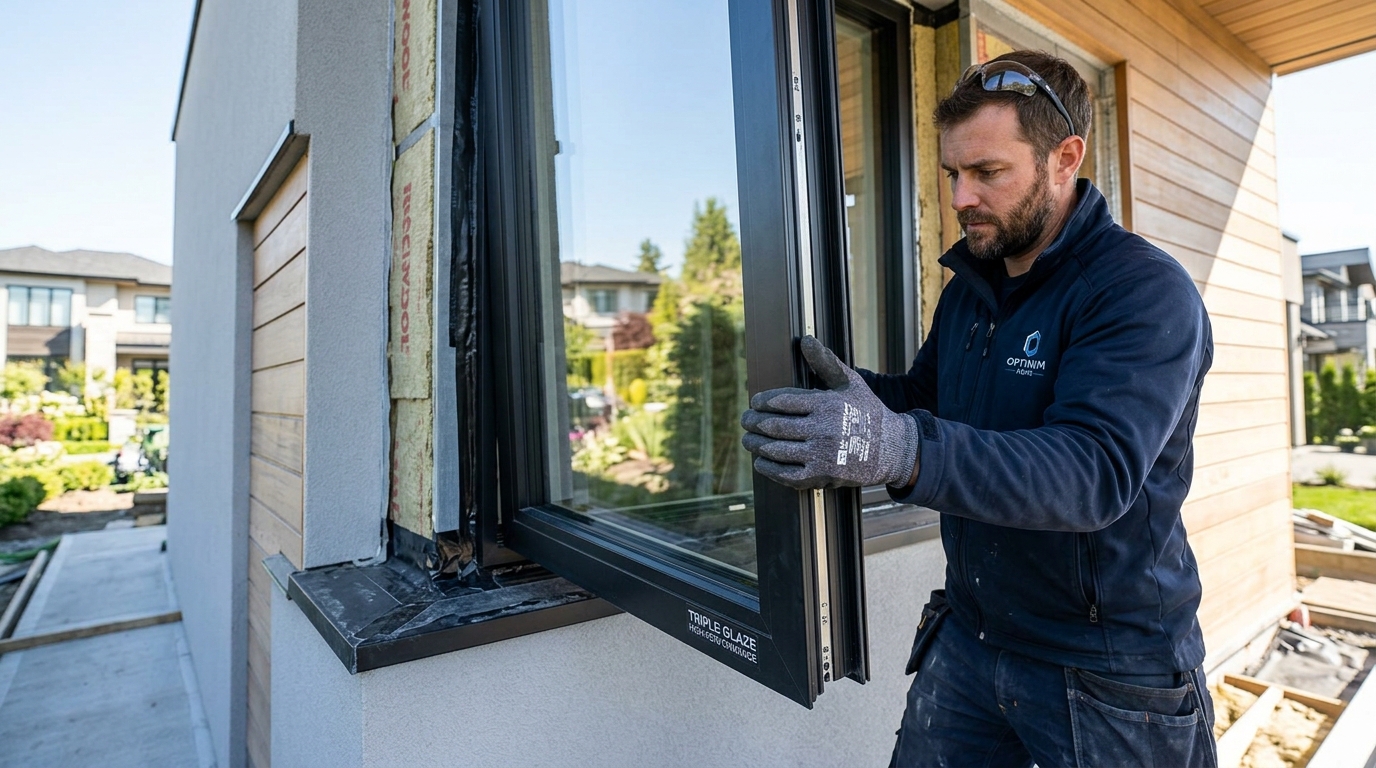
Home construction and major renovation projects involve far more than choosing finishes and deciding how a completed space should look. Structural planning, materials, site conditions, budgeting, scheduling, contractor coordination, safety, and long-term maintenance can all influence whether a project succeeds.
A strong construction plan begins with clear priorities and realistic expectations. Homeowners who understand the purpose of the project, prepare the site carefully, choose appropriate materials, and communicate clearly with professionals are generally better positioned to avoid unnecessary delays and expensive rework.
- Define the Purpose of the Project
- Create a Realistic Scope
- Set a Budget With a Contingency
- Understand the Role of Structural Materials
- Consider Metalwork for Strength and Durability
- Measure Before Fabrication
- Think About Corrosion Protection
- Balance Appearance With Function
- Investigate Site Conditions Early
- Check Applicable Permits and Building Requirements
- Choose Contractors According to the Project
- Compare Detailed Estimates
- Get Important Details in Writing
- Plan the Construction Sequence
- Prepare the Work Area
- Think About Demolition Carefully
- Address Water Before Cosmetic Problems
- Do Not Ignore Drainage
- Choose Materials for the Environment
- Think About Maintenance Before Installation
- Plan Electrical and Plumbing Changes Early
- Consider Future Needs
- Protect Completed Work
- Inspect Work During the Project
- Do Not Rush Curing and Drying
- Maintain Good Communication
- Keep Records of the Project
- Complete a Final Walkthrough
- Plan for Long-Term Maintenance
- Build for Performance, Not Just Appearance
Define the Purpose of the Project
Before drawings, materials, or contractor estimates are considered, identify exactly what the project needs to accomplish.
A homeowner may need additional living space, improved storage, structural repairs, better outdoor access, a more durable workshop, or an updated part of the property. Clear goals make it easier to separate essential work from optional features.
Create a Realistic Scope
Construction projects can expand quickly when new ideas appear after work begins. A wall renovation may lead to flooring changes, electrical updates, new trim, and additional finishes.
Write down what the project includes before major spending begins. Items outside that scope can then be evaluated deliberately rather than automatically added.
Set a Budget With a Contingency
Construction costs can include materials, labor, permits, design work, equipment, disposal, delivery, temporary protection, and unexpected repairs.
A useful budget should include some flexibility for reasonable surprises, particularly when renovating an existing structure where hidden conditions may not become visible until work begins.
Understand the Role of Structural Materials
Different construction materials serve different purposes. Wood, steel, masonry, concrete, and other materials vary in strength, durability, installation requirements, maintenance, and cost.
The appropriate choice depends on the structure, local conditions, building requirements, and the loads the finished component will need to handle.
Consider Metalwork for Strength and Durability
Metal components can play important roles in gates, railings, structural supports, stairs, fencing, architectural features, and many other construction applications.
Homeowners researching ironwork and metal fabrication may encounter specialists such as Garrett Iron. When custom metalwork is part of a project, dimensions, structural requirements, finishing, corrosion resistance, installation, and applicable building standards should all be considered before fabrication begins.
Measure Before Fabrication
Custom-built components depend heavily on accurate measurements. Even a small error can create problems when railings, gates, frames, or other fabricated pieces arrive on site.
Measurements should be verified carefully, particularly where existing walls, floors, stairs, or structural elements are not perfectly square.
Think About Corrosion Protection
Exterior metalwork may be exposed to rain, humidity, temperature changes, and other environmental conditions.
Suitable coatings, finishes, drainage details, and maintenance can influence how well metal components perform over time.
Balance Appearance With Function
Architectural metalwork can contribute significantly to the appearance of a home, but design should not interfere with practical performance.
Railings need to provide appropriate protection, gates need to operate smoothly, and structural components need to satisfy their intended purpose regardless of decorative style.
Investigate Site Conditions Early
Construction becomes more complicated when important site conditions are discovered after work has already started.
Existing utilities, drainage, access, soil conditions, nearby structures, and property boundaries may all affect how a project can proceed.
Check Applicable Permits and Building Requirements
Major construction work may require permits, inspections, engineering, or compliance with local building rules.
Requirements vary by location and project type, so homeowners should confirm what applies before beginning structural or safety-critical work.
Choose Contractors According to the Project
Not every contractor specializes in the same type of work. Experience with the specific project can be more valuable than simply selecting the lowest estimate.
Homeowners researching construction services may encounter companies such as Lunatic Construction. When evaluating a contractor, consider relevant experience, licensing or registration where applicable, insurance, references, written scope, communication, and how changes to the project will be handled.
Compare Detailed Estimates
Two construction estimates can show very different prices because they include different materials, finishes, allowances, labor, or project responsibilities.
Compare what is actually included rather than evaluating only the final number.
Get Important Details in Writing
A written agreement can help reduce misunderstandings about scope, payment structure, materials, responsibilities, and expected project stages.
Changes should also be documented when they affect cost or schedule rather than relying entirely on informal conversations.
Plan the Construction Sequence
Many building tasks depend on work completed earlier. Structural changes generally happen before finishes, while rough electrical and plumbing work often needs to be completed before walls are closed.
A logical construction sequence reduces the risk of damaging completed work or reopening finished surfaces.
Prepare the Work Area
Furniture, stored items, landscaping, and nearby finished surfaces may need protection before construction begins.
Creating clear access routes can also make it easier for materials, tools, and debris to move safely through the property.
Think About Demolition Carefully
Removing an existing wall, floor, ceiling, or exterior element can reveal hidden wiring, plumbing, moisture damage, or structural issues.
Demolition should be planned rather than treated simply as destruction, particularly when the work could affect load-bearing elements or building services.
Address Water Before Cosmetic Problems
Moisture can damage framing, finishes, flooring, insulation, and other building materials.
If leaks, drainage problems, or water intrusion are present, addressing the source should generally take priority over cosmetic repairs that could otherwise be damaged again.
Do Not Ignore Drainage
Exterior construction can alter the way water moves around a property. Patios, additions, retaining walls, driveways, and landscaping changes may affect drainage patterns.
Water should be directed appropriately rather than allowed to collect against foundations or other vulnerable areas.
Choose Materials for the Environment
Materials that perform well indoors may not be suitable for exterior exposure, damp areas, or high-traffic locations.
Consider moisture, temperature changes, sunlight, wear, maintenance, and expected service life before selecting finishes and structural materials.
Think About Maintenance Before Installation
A material can look attractive when new but require substantial maintenance later.
Ask how surfaces will be cleaned, repaired, refinished, or replaced before committing to materials that will remain part of the home for many years.
Plan Electrical and Plumbing Changes Early
Moving outlets, lighting, plumbing fixtures, or appliances becomes more complicated after walls and finishes are complete.
Determine these locations during the planning stage so that required infrastructure can be installed at the appropriate point in the project.
Consider Future Needs
Home construction can provide an opportunity to think beyond immediate requirements. Extra electrical capacity, adaptable storage, improved accessibility, or flexible room layouts may provide value later.
Small changes during construction can sometimes be much easier than modifying the finished building in the future.
Protect Completed Work
New flooring, paint, fixtures, and fabricated components can easily be damaged while other trades continue working.
Use appropriate protection and coordinate the schedule so that delicate finishes are installed at sensible stages.
Inspect Work During the Project
Problems are usually easier to correct before they are hidden behind walls, flooring, or finished surfaces.
Homeowners and relevant professionals should review important stages as work progresses rather than waiting until the entire project is finished.
Do Not Rush Curing and Drying
Concrete, coatings, adhesives, sealants, paint, and other materials may require specific curing or drying periods.
Loading or covering a material too early can damage the finished result. Manufacturer and professional guidance should take priority over assumptions based only on appearance.
Maintain Good Communication
Construction problems can become more expensive when questions remain unresolved for too long.
Clear communication between homeowners, contractors, designers, fabricators, and other trades helps everyone understand current decisions and upcoming work.
Keep Records of the Project
Save important contracts, product information, paint details, material specifications, warranties, and photographs of concealed work when useful.
These records may make future repairs or modifications considerably easier.
Complete a Final Walkthrough
Before considering the project complete, inspect the finished work carefully. Check doors, gates, railings, fixtures, finishes, drainage, and other relevant components.
Create a clear list of outstanding items so they can be addressed systematically.
Plan for Long-Term Maintenance
Construction does not end with installation. Exterior finishes may need periodic inspection, metalwork may need maintenance, and sealants or coatings may eventually require renewal.
Understanding these requirements from the beginning helps protect the investment.
Build for Performance, Not Just Appearance
A successful home construction project should look good, but it should also function reliably for the people who use it every day.
By defining the scope carefully, choosing suitable structural materials, coordinating contractors, preparing the site, following an appropriate construction sequence, and planning for future maintenance, homeowners can create improvements that continue providing value long after the work is finished. The best project is not simply the one that looks impressive on completion day—it is the one that remains practical, durable, and well built for years afterward.