
Owning a home comes with an ongoing list of maintenance responsibilities that are easy to overlook until something breaks. Staying ahead of routine upkeep not only prevents costly emergency repairs but also extends the life of major systems and appliances. Here’s a practical rundown of what every homeowner should be keeping an eye on.
- Seasonal HVAC Maintenance
- Replace or Clean Air Filters Regularly
- Schedule Professional Tune-Ups
- Clean Vents and Ducts
- Plumbing Upkeep
- Check for Leaks Regularly
- Flush Your Water Heater Annually
- Test Sump Pumps Before Rainy Seasons
- Exterior and Structural Maintenance
- Clean Gutters Twice a Year
- Inspect Your Roof Annually
- Seal Gaps and Cracks
- Safety System Checks
- Test Smoke and Carbon Monoxide Detectors
- Check Fire Extinguishers
- Appliance and System Longevity
- Clean Dryer Vents Regularly
- Inspect Your Water Supply Lines
- Building a Maintenance Schedule
- Create a Seasonal Checklist
- Keep Records of Service Dates
- Final Thoughts
Seasonal HVAC Maintenance
Replace or Clean Air Filters Regularly
A clogged air filter forces your HVAC system to work harder, increasing energy costs and shortening the system’s lifespan. Checking filters monthly and replacing them every 1-3 months, depending on usage and filter type, is one of the simplest ways to protect your system.
Schedule Professional Tune-Ups
Having your heating and cooling systems professionally serviced once or twice a year — typically before peak summer and winter use — helps catch small issues before they turn into expensive breakdowns.
Clean Vents and Ducts
Dust and debris accumulate in vents and ductwork over time, reducing efficiency and air quality. Periodic cleaning keeps your system running smoothly and supports better indoor air quality throughout the home.
Plumbing Upkeep
Check for Leaks Regularly
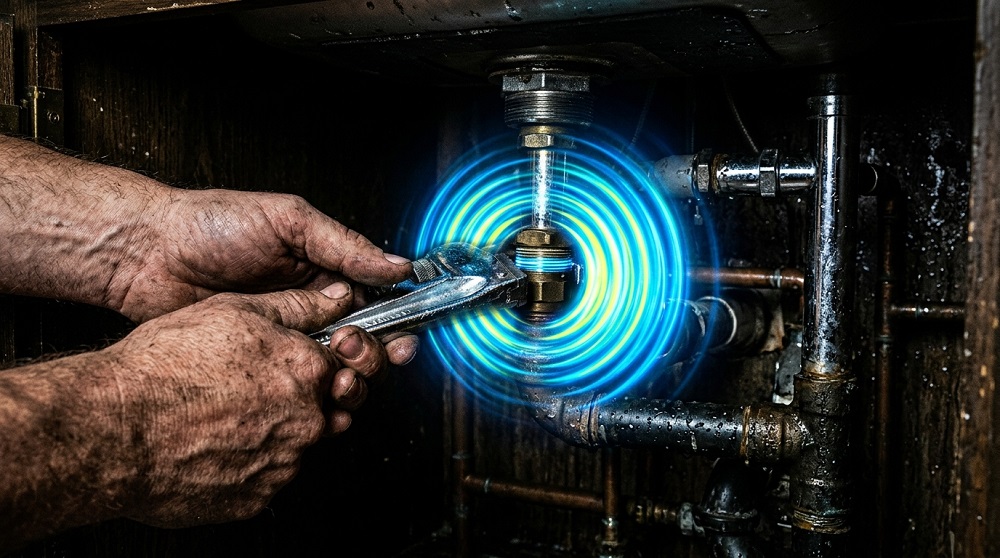
Small leaks under sinks, around toilets, or near appliances can cause significant water damage if left unnoticed. A quick monthly check of visible plumbing connections helps catch problems early, before they become major repairs.
Flush Your Water Heater Annually
Sediment builds up in water heater tanks over time, reducing efficiency and shortening the unit’s lifespan. An annual flush helps maintain performance and can extend the life of the system significantly.
Test Sump Pumps Before Rainy Seasons
If your home has a sump pump, testing it before heavy rain seasons ensures it’s functioning properly when you actually need it, rather than discovering a failure during a flood.
Exterior and Structural Maintenance
Clean Gutters Twice a Year
Clogged gutters can lead to water damage on your roof, siding, and foundation. Cleaning them in spring and fall, particularly after leaves have fallen, prevents this kind of preventable damage.
Inspect Your Roof Annually
A yearly roof inspection — checking for missing shingles, damaged flashing, or signs of wear — helps catch issues before they lead to leaks or more extensive interior damage.
Seal Gaps and Cracks
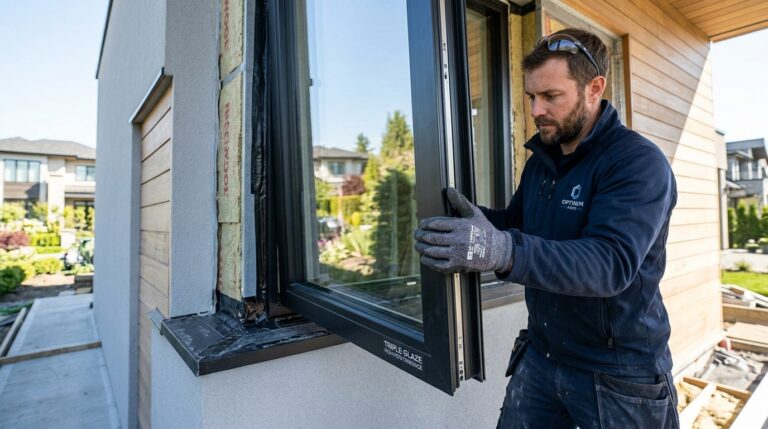
Checking exterior caulking around windows, doors, and foundation cracks helps prevent drafts, water intrusion, and pest entry points. Resealing as needed is a low-cost task with meaningful long-term benefits.
Safety System Checks
Test Smoke and Carbon Monoxide Detectors
Testing detectors monthly and replacing batteries at least once a year is a simple habit that directly protects your household’s safety. Most detectors also have an expiration date worth tracking.
Check Fire Extinguishers
Fire extinguishers should be checked periodically for proper pressure and replaced or serviced according to manufacturer guidelines, ensuring they’re functional if ever needed in an emergency.
Appliance and System Longevity
Clean Dryer Vents Regularly
Lint buildup in dryer vents is a common fire hazard and reduces drying efficiency. Cleaning the vent, not just the lint trap, at least once a year helps prevent both safety risks and unnecessary energy waste.
Inspect Your Water Supply Lines
Checking hoses connected to washing machines, dishwashers, and refrigerators for cracking or wear helps prevent sudden leaks that can cause significant water damage.
Building a Maintenance Schedule
Create a Seasonal Checklist
Organizing tasks by season — spring, summer, fall, winter — makes it easier to stay consistent rather than trying to remember everything at once. Many tasks naturally align with seasonal changes anyway.
Keep Records of Service Dates
Tracking when tasks like HVAC servicing or gutter cleaning were last completed helps you stay on schedule and provides useful documentation if you ever sell your home.
Final Thoughts
Consistent home maintenance is one of the most effective ways to protect your investment and avoid costly emergency repairs. By staying on top of HVAC care, plumbing checks, exterior upkeep, and safety systems, homeowners can catch small issues early and keep their homes running smoothly year-round.