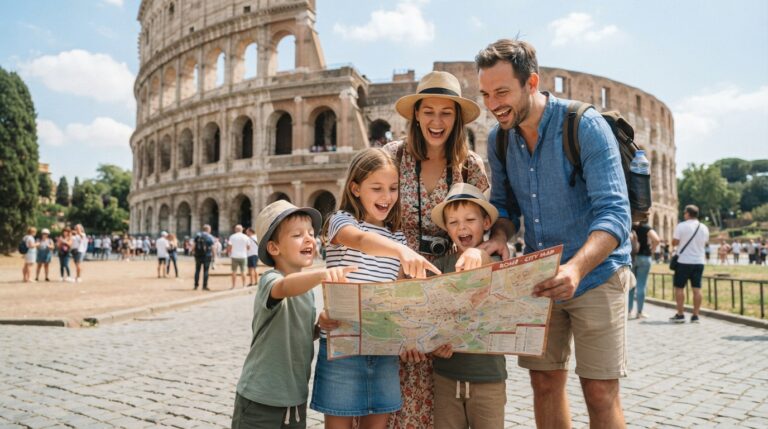

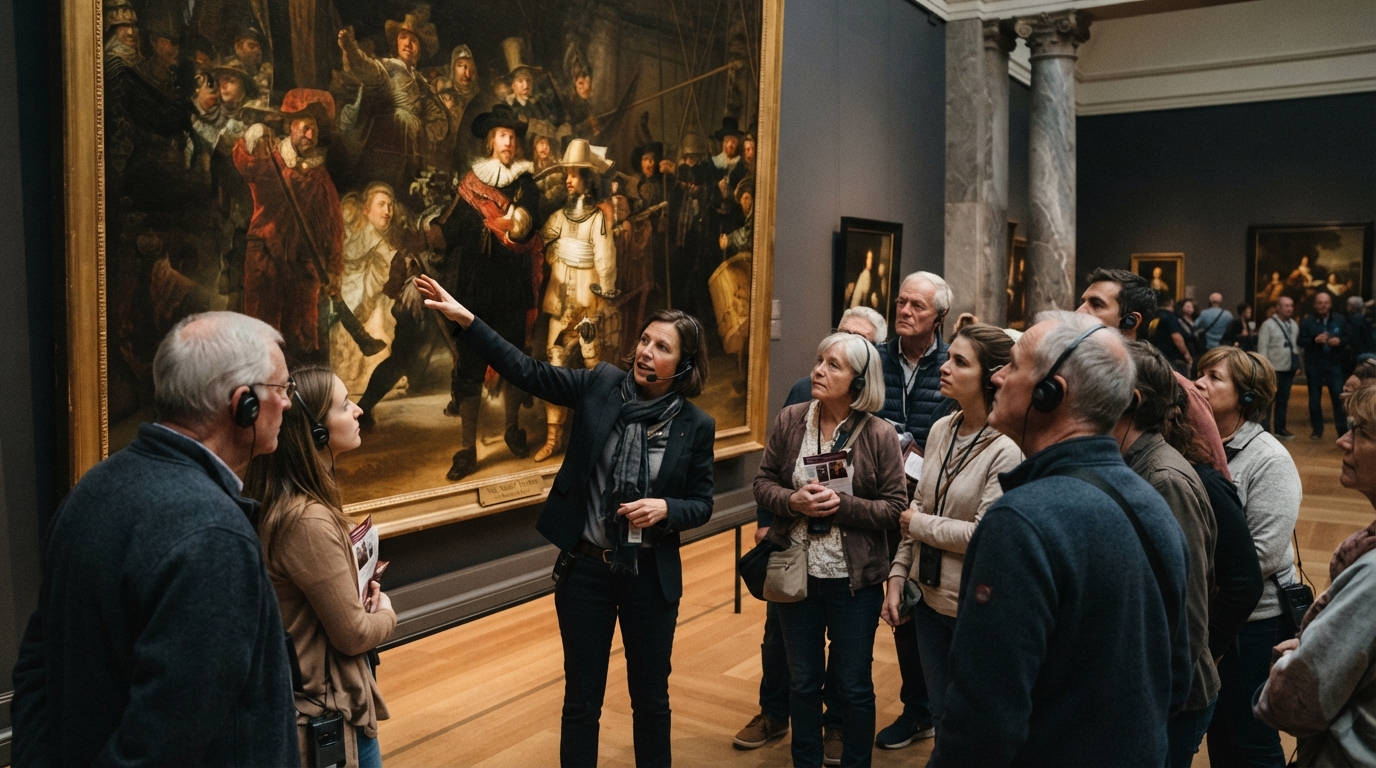
Travel planning has become easier because travelers can research destinations, compare accommodation, explore maps, check transportation, and discover activities before leaving home. However, having access to more information does not automatically produce a better trip. Too much research can make decisions harder and lead to an itinerary that is unnecessarily crowded.
A more practical approach is to focus on the information that genuinely affects the journey. Travelers can use broad online content for inspiration, verify important practical details, and leave enough flexibility for circumstances that may change after arrival.
- Start With the Type of Trip You Want
- Use Broad Online Reading to Generate Ideas
- Understand the Destination Before Building an Itinerary
- Choose Travel Dates Based on Your Priorities
- Research Accommodation Location Carefully
- Follow Relevant Developments Without Following Everything
- Build the Trip Around a Few Priorities
- Group Activities by Location
- Keep Some Activities Unscheduled
- Research Local Context as Well as Attractions
- Check Transportation Before Important Journeys
- Allow Realistic Time Between Activities
- Keep Weather-Dependent Plans Flexible
- Use Reviews to Identify Patterns
- Check the Age of Practical Information
- Organize Important Information in One Place
- Save Essential Information Offline
- Check Important Details Shortly Before Departure
- Review the Following Day Each Evening
- Know Which Sources to Use for Important Decisions
- Leave Room for Discoveries After Arrival
- Use Information to Improve the Trip, Not Control It
Start With the Type of Trip You Want
Before researching individual destinations, think about the experience you want from the journey. A relaxing vacation requires different planning from a city break, cultural trip, outdoor adventure, or food-focused holiday.
Knowing your priorities helps eliminate options that may be popular but do not match your interests.
Use Broad Online Reading to Generate Ideas
Travel ideas can appear in many different types of online content. General websites may cover culture, lifestyle, entertainment, communities, current affairs, or regional topics that introduce readers to places they had not previously considered.
While browsing wider online content, readers may encounter general resources such as Newshopu. Information discovered through broad reading can inspire further research, while any detail affecting actual travel arrangements should be checked through relevant and current sources.
Understand the Destination Before Building an Itinerary
Before deciding what to do each day, learn the basic geography of the destination. Identify the main neighborhoods, transportation hubs, central attractions, and areas where accommodation is commonly located.
This background makes it easier to create realistic sightseeing days and avoid repeatedly traveling across the same city.
Choose Travel Dates Based on Your Priorities
Different seasons can completely change the experience of a destination. Weather, prices, crowds, festivals, daylight hours, and available activities may all vary.
Think about which of these factors matters most to you rather than automatically traveling during the busiest season.
Research Accommodation Location Carefully
A hotel should not be evaluated on room quality and price alone. Its location can affect transportation costs, daily travel time, and how easily visitors can explore the destination.
Check nearby public transportation, restaurants, attractions, and useful services before making a reservation.
Follow Relevant Developments Without Following Everything
Current developments can sometimes affect a trip. Transportation changes, large public events, temporary closures, or regional developments may influence an itinerary.
During wider online research, travelers may encounter resources such as News Hub Network. General information can provide awareness, but travelers should verify significant details with the relevant authority, transportation provider, attraction, or organization before changing important plans.
Build the Trip Around a Few Priorities
Research often produces far more attractions than travelers can realistically visit. Instead of attempting to include everything, choose a small number of experiences that matter most.
These priorities can provide the structure of the itinerary while less important attractions remain optional.
Group Activities by Location
Geographic organization can make a major difference to the pace of a trip. Visiting several attractions in the same neighborhood reduces transportation time and gives travelers more opportunities to explore the surrounding area.
Digital maps are useful for identifying these clusters before departure.
Keep Some Activities Unscheduled
Not every attraction needs a fixed time slot. Parks, markets, neighborhoods, shops, and many casual activities can remain flexible.
This makes it easier to adapt when weather changes, transportation is delayed, or travelers discover something more interesting after arrival.
Research Local Context as Well as Attractions
A destination is more than its famous landmarks. Learning about local communities, food, history, public spaces, and everyday routines can create a more meaningful experience.
General and regional online resources such as Pind News may appear during broader research. Content of this kind can provide additional context or introduce subjects worth exploring, while practical travel decisions should still be supported by appropriate current information.
Check Transportation Before Important Journeys
Flights, trains, buses, and ferries may experience schedule changes. Before an important journey, confirm the latest departure information through the relevant operator.
This is particularly useful when one journey connects to another reservation that cannot easily be changed.
Allow Realistic Time Between Activities
Maps often underestimate the practical effort involved in moving around an unfamiliar destination. Travelers may need time to wait for transportation, navigate stations, purchase tickets, or walk between stops.
Leaving reasonable buffers between important activities makes the itinerary much easier to manage.
Keep Weather-Dependent Plans Flexible
Outdoor sightseeing should remain movable whenever possible. Beaches, hiking, viewpoints, parks, and walking tours can often be shifted to a day with better conditions.
Keep several indoor activities available as alternatives so that poor weather does not leave an entire day without useful options.
Use Reviews to Identify Patterns
Reviews can provide valuable information about accommodation, restaurants, attractions, and tours, but individual experiences are subjective.
Look for repeated observations across several recent reviews. A recurring comment may be more useful than one unusually positive or negative opinion.
Check the Age of Practical Information
Travel information can become outdated quickly. Prices, transportation routes, opening hours, and reservation systems may change after an article or video is published.
Older content can still provide inspiration, but important practical details should be checked again before they influence a booking.
Organize Important Information in One Place
Travel details can easily become scattered across email, booking applications, screenshots, notes, and browser tabs.
Keep accommodation addresses, transportation reservations, attraction tickets, booking references, and important contact information together so they can be accessed quickly.
Save Essential Information Offline
Travelers should not assume that internet access will always be available. Mobile coverage can fail, Wi-Fi can be unreliable, and devices can run out of battery.
Save important tickets, addresses, reservation details, and maps offline before they are needed.
Check Important Details Shortly Before Departure
Plans made several months in advance deserve a final review. Confirm transportation, accommodation, important reservations, attraction opening hours, and expected weather shortly before the journey begins.
This final check can identify changes without requiring travelers to repeat the entire research process.
Review the Following Day Each Evening
A brief evening review can make the next day easier. Check fixed reservations, transportation, weather, and any attraction that has limited opening hours.
If circumstances have changed, adjust optional activities rather than forcing the original itinerary to remain unchanged.
Know Which Sources to Use for Important Decisions
General websites, blogs, videos, and online discussions can provide ideas and different perspectives. However, some information requires a higher level of reliability.
For entry requirements, emergency information, official closures, transportation schedules, and severe weather, prioritize the authority or organization directly responsible for the information.
Leave Room for Discoveries After Arrival
Some of the most enjoyable travel experiences are discovered only after reaching a destination. A recommendation from someone local, an interesting neighborhood, a small restaurant, or a temporary event may never appear during advance research.
An itinerary with open space allows travelers to follow these discoveries without sacrificing several fixed reservations.
Use Information to Improve the Trip, Not Control It
Travel research should make a journey easier and more enjoyable. It can help travelers understand a destination, choose convenient accommodation, organize transportation, and recognize experiences that match their interests.
By combining broad inspiration with careful verification, selecting a few important priorities, organizing activities geographically, and maintaining enough flexibility for changing circumstances, travelers can plan confidently without turning the vacation into a rigid schedule. The best information provides direction while still leaving room for the destination itself to shape the journey.