
- Table Of Contents
- Why Small Warning Signs Matter
- Common Water Heater Warning Signs
- Water Around The Unit
- Rust-Colored Or Cloudy Hot Water
- Popping, Rumbling Or Crackling Sounds
- Less Hot Water Than Before
- Higher Energy Use
- What Homeowners Can Check Safely
- Problems That Need Prompt Attention
- Repair Or Replace?
- Tank And Tankless Systems
- A Simple Maintenance Plan
- Preparing For A Service Visit
- Common Questions
- Can A Water Heater Make Noise And Still Work?
- Is A Small Leak Safe To Ignore?
- Does An Older Water Heater Always Need Replacement?
- Final Takeaway
Table Of Contents
-
Why Small Warning Signs Matter
-
Common Water Heater Warning Signs
-
What Homeowners Can Check Safely
-
Problems That Need Prompt Attention
-
Repair Or Replace?
-
Tank And Tankless Systems
-
A Simple Maintenance Plan
-
Preparing For A Service Visit
-
Common Questions
In Ruston, Louisiana, dependable hot water matters through humid summer mornings, busy school-year routines, and the occasional winter cold snap. A water heater rarely fails without some warning, so noticing a change early can help protect your home from a cold shower, water damage, or an untimely replacement decision. If a concern is growing, professional water heater repair and installation in Ruston LA can help identify the actual cause before a small issue becomes a larger one.
Water around the tank, strange noises, rusty-looking hot water, or a shrinking supply of hot water can each have multiple causes. The important step is not to guess. Track what has changed, check only what is safe to see, and arrange service promptly when there are signs of leaks, electrical or combustion issues, or damage to the unit.
Why Small Warning Signs Matter
Changes often appear before a complete breakdown. For example, a shower may begin turning cold a little sooner each week, or a small puddle may keep returning near the heater. Taking note of those details can reduce the chance of water spreading into flooring, walls, stored belongings, or nearby equipment. It can also give you more time to compare repair and replacement options instead of making a rushed choice.
Common Water Heater Warning Signs
Some symptoms are easy to notice during everyday use, while others show up in the utility room, garage, attic, or closet where the equipment sits. Regular visual checks are worthwhile because the EPA recommends inspecting water heaters for leaks, corrosion, aging gaskets, and loose connections as part of home maintenance.
Water Around The Unit
Moisture may come from a fitting, valve, drain connection, relief line, condensation, or the tank itself. A recurring drip or puddle should not be treated as normal. Move boxes, paper goods, and valuables away from the area, but avoid touching hot water, piping, or unfamiliar components. The source needs to be identified, because a connection issue and a leaking tank are very different repair situations.
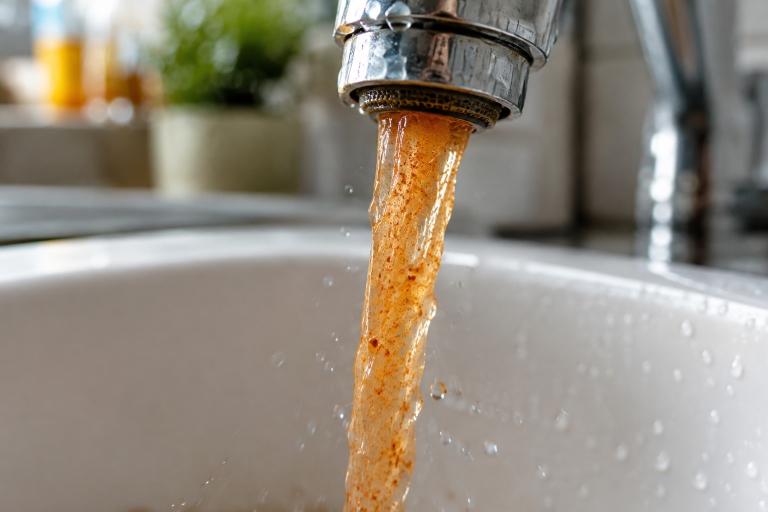
Rust-Colored Or Cloudy Hot Water
Compare hot and cold water at the same faucet. If discoloration appears only when using hot water, the heater, its internal protective components, or aging hot-water piping may be involved. Make a note of when the color appears and whether it clears after a short time. Those observations can help narrow down the diagnosis.
Popping, Rumbling Or Crackling Sounds
Tank-style heaters can develop mineral sediment, which may create new sounds as the unit heats water. Noise alone does not prove that replacement is necessary. It matters more when it arrives with slower recovery, less hot water available, or a noticeable change in energy use.
Less Hot Water Than Before
A reduced supply may be linked to sediment, a thermostat issue, a damaged heating element, burner trouble, or higher household demand. Consider whether every fixture is affected or only one shower or sink. A growing household, more frequent laundry, or additional occupants can also exceed the capacity that once worked well.
Higher Energy Use
Buildup and worn components can cause a water heater to run longer to deliver the same result. Compare recent bills with the same season in the prior year, while also considering weather, occupancy, and changes in household habits. A utility bill alone cannot diagnose the heater, but it can be a useful clue.
What Homeowners Can Check Safely
A basic inspection should stay on the outside of the equipment. Do not remove access panels, alter gas controls, test wiring, cap a relief valve, or attempt internal repairs without proper training.
-
Look for visible moisture, staining, corrosion, or pooling water.
-
Listen for unfamiliar sounds during normal operation.
-
Check whether the hot-water issue affects a single fixture or the entire home.
-
Record the model number, fuel type, and approximate age if the label is accessible.
-
Write down error codes shown on a tankless unit.
-
Take photos of visible changes from a safe distance.
Problems That Need Prompt Attention
Some concerns should move immediately to the top of the list. Contact a qualified professional for active leaking, a corroded or bulging tank, water discharging from a temperature-and-pressure relief line, burning smells, melted wiring, scorch marks, or repeatedly tripped breakers. Water damage near electrical equipment, walls, or flooring also deserves fast attention.
If you smell gas or suspect a combustion or carbon monoxide concern, do not treat it as standard maintenance. Leave the area when necessary and contact the gas utility or emergency services as appropriate. Do not try to locate a gas leak or restart equipment yourself.
Repair Or Replace?
Age matters, but it should not make the decision by itself. A newer heater with one failed component may be a sensible repair candidate. An older unit with a leaking tank, severe corrosion, repeated breakdowns, unavailable parts, or poor reliability may warrant a discussion of replacement.
-
What exact part failed?
-
Is the tank or heat exchanger still sound?
-
Has the system required several recent repairs?
-
Will the repair restore dependable performance?
-
Does the existing capacity still suit the household?
-
Would a new system improve reliability or energy performance?
Tank And Tankless Systems
Tank systems store hot water and can accumulate sediment over time. Tankless systems heat water as it flows and may require attention to scale, flow, ignition, venting, or heat exchanger issues. Gas equipment requires safe fuel controls, combustion air, and venting. Electric equipment depends on functional heating elements, thermostats, wiring, and suitable electrical service. The right replacement depends on demand, installation space, utilities, water quality, maintenance needs, and applicable local requirements.
A Simple Maintenance Plan
Check the area around the heater monthly or seasonally for signs of moisture buildup, corrosion, clutter, and changes in sound or performance. Keep flammable products away from the equipment and leave access space clear. Each year, review the manufacturer’s instructions and ask a qualified technician whether flushing, anode inspection, filter cleaning, or other model-specific service is appropriate.
Preparing For A Service Visit
Before the appointment, write down when the issue started and list every symptom, including odors, sounds, leaks, temperature changes, and error codes. Note whether the issue affects one fixture or the entire home, record the model number and approximate age, and clear stored items away from the unit. Accurate details can help the technician arrive prepared to diagnose the problem safely.
Common Questions
Can A Water Heater Make Noise And Still Work?
Yes. A heater may continue to produce hot water even if sediment or a worn component affects its performance. New or worsening noise deserves attention, especially when it occurs with longer heating times or reduced capacity.
Is A Small Leak Safe To Ignore?
No. A small drip might come from a repairable connection, but it can also signal a larger issue. The source should be identified before moisture damages the surrounding area.
Does An Older Water Heater Always Need Replacement?
No. Condition, repair history, corrosion, reliability, capacity, and the nature of the current problem all matter more than age alone.
Final Takeaway
A cold shower, rumbling tank, rusty hot water, or damp floor can be an early warning rather than a sudden failure. Ruston homeowners who document changes, inspect the area safely, and seek timely diagnosis are in a stronger position to choose practical maintenance, repair, or replacement solutions.