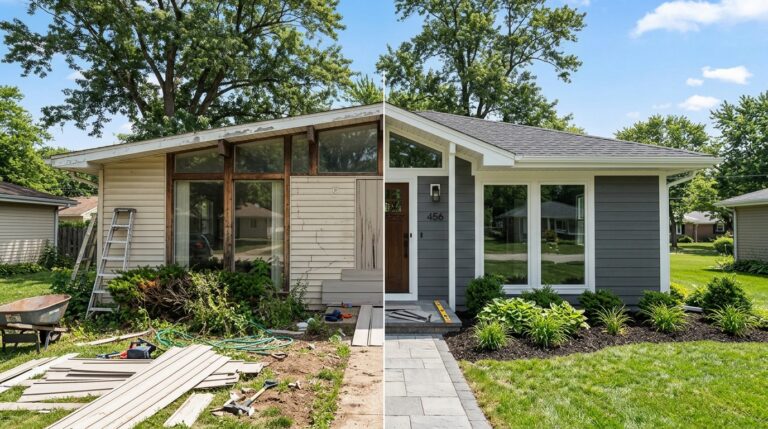

Improving your home’s energy efficiency doesn’t have to mean installing solar panels or replacing every window. Many effective upgrades are affordable, simple to implement, and can be completed over a single weekend. Small, consistent changes often add up to meaningful savings on your energy bills over time.
- Seal Air Leaks
- Check Windows and Doors for Drafts
- Insulate Outlets and Switch Plates
- Add Door Sweeps
- Optimize Heating and Cooling
- Use a Programmable or Smart Thermostat
- Maintain Your HVAC System
- Use Ceiling Fans Strategically
- Upgrade Lighting
- Switch to LED Bulbs
- Use Natural Light When Possible
- Install Motion Sensors or Timers
- Manage Appliance and Electronics Use
- Unplug Devices When Not in Use
- Run Full Loads for Dishwashers and Laundry
- Use Cold Water for Laundry When Possible
- Improve Insulation Affordably
- Add Weatherstripping to the Attic Hatch
- Use Insulating Window Treatments
- Final Thoughts
Seal Air Leaks
Check Windows and Doors for Drafts
Gaps around windows and doors are among the most common sources of energy loss in a home. Weatherstripping and caulking these areas is inexpensive and can noticeably reduce heating and cooling costs, particularly in older homes.
Insulate Outlets and Switch Plates
Wall outlets and switch plates on exterior walls are often overlooked sources of air leakage. Inexpensive foam gaskets placed behind the covers help seal these small but cumulative gaps.
Add Door Sweeps
A simple door sweep along the bottom of exterior doors prevents drafts and can make a noticeable difference in comfort and energy use, especially in older homes with worn thresholds.
Optimize Heating and Cooling
Use a Programmable or Smart Thermostat
Adjusting temperature settings automatically based on your schedule — lower heat when you’re away, cooler settings while sleeping — reduces energy use without requiring you to remember manual adjustments throughout the day.
Maintain Your HVAC System
Regularly replacing air filters and scheduling routine maintenance keeps your heating and cooling system running efficiently, preventing the extra energy use that comes with a clogged or poorly maintained system.
Use Ceiling Fans Strategically
Ceiling fans can help distribute conditioned air more evenly, allowing you to set your thermostat a few degrees higher in summer or lower in winter (by reversing fan direction) without sacrificing comfort.
Upgrade Lighting
Switch to LED Bulbs
LED bulbs use significantly less energy than traditional incandescent bulbs and last considerably longer, making them one of the simplest, most cost-effective efficiency upgrades available.
Use Natural Light When Possible
Relying on natural daylight during the day, rather than defaulting to artificial lighting, reduces electricity use without any cost at all — simply opening blinds or curtains can make a difference.
Install Motion Sensors or Timers
Motion-sensor lighting in less frequently used spaces, like closets or hallways, prevents lights from being left on unnecessarily and adds convenience alongside energy savings.
Manage Appliance and Electronics Use
Unplug Devices When Not in Use
Many electronics continue drawing small amounts of power even when turned off, a phenomenon known as phantom load. Using power strips to fully cut power to groups of devices when not in use can reduce this unnecessary consumption.
Run Full Loads for Dishwashers and Laundry
Running these appliances only with full loads, rather than partial ones, maximizes efficiency per cycle and reduces both water and energy use over time.
Use Cold Water for Laundry When Possible
A significant portion of a washing machine’s energy use goes toward heating water. Switching to cold water for appropriate loads can meaningfully reduce energy consumption without affecting cleaning results for most fabrics.
Improve Insulation Affordably
Add Weatherstripping to the Attic Hatch
Attic access points are a commonly overlooked source of heat loss. Sealing and insulating this area is a low-cost project that can have a noticeable impact on overall home efficiency.
Use Insulating Window Treatments
Cellular shades or thermal curtains add an extra layer of insulation to windows, helping regulate indoor temperature without the cost of full window replacement.
Final Thoughts
Improving energy efficiency doesn’t require a major renovation budget — sealing air leaks, upgrading lighting, optimizing HVAC use, and adjusting daily habits around appliances can collectively make a real difference. These small, manageable changes add up over time, lowering both energy bills and environmental impact without disrupting your home or your budget.