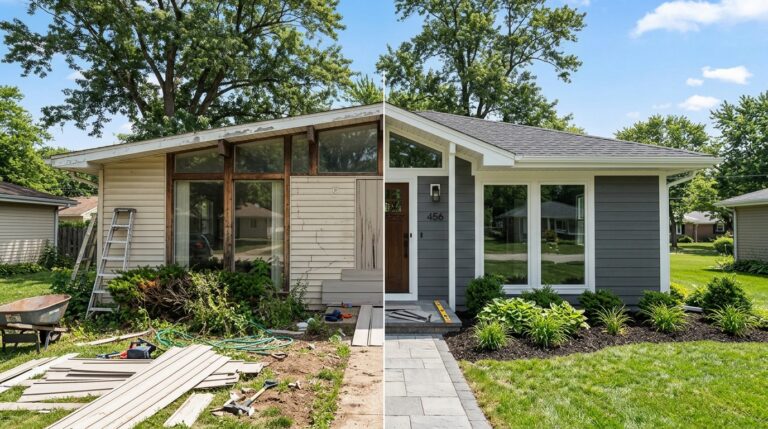


Home improvement does not always require a major renovation. Many of the most useful changes are smaller projects that improve comfort, storage, maintenance, lighting, energy use, or the way a room functions. The key is choosing upgrades that solve real problems instead of making changes only because a particular style is temporarily popular.
A practical home-improvement strategy begins by evaluating how the property is used every day. By identifying inconvenient layouts, worn finishes, poor storage, maintenance issues, and inefficient spaces, homeowners can prioritize projects that provide meaningful benefits without creating unnecessary expense.
- Start With the Problems You Notice Every Day
- Separate Necessary Repairs From Optional Improvements
- Research Home Improvement Ideas With Your Property in Mind
- Create a Prioritized Project List
- Set a Budget Before Shopping
- Measure Carefully
- Improve Storage Before Adding More Furniture
- Use Vertical Space
- Make the Entryway Work Harder
- Think About the Whole Home, Not Just One Room
- Improve Lighting Before Major Decorating
- Use Natural Light More Effectively
- Refresh Paint for a High-Impact Change
- Choose Durable Flooring
- Repair Before Replacing Where Practical
- Update Hardware for a Smaller Refresh
- Improve Kitchen Function Before Appearance
- Add Practical Kitchen Storage
- Make Bathrooms Easier to Maintain
- Pay Attention to Ventilation
- Do Not Cover Up Moisture Problems
- Improve Outdoor Spaces as Part of the Home
- Keep Home Improvement Appropriate to the Household
- Choose Pet-Friendly Materials Where Needed
- Create Dedicated Zones for Different Activities
- Make a Home Office More Functional
- Reduce Visual Clutter
- Plan Electrical Needs Before Decorating
- Think About Long-Term Maintenance
- Use Trends Selectively
- Choose Neutral Foundations Where Flexibility Matters
- Know Which Projects Are Suitable for DIY
- Do Not Let Online Tutorials Create False Confidence
- Protect Finished Surfaces During Projects
- Keep Product Information
- Review Improvements After Living With Them
- Make Changes That Improve Daily Life
Start With the Problems You Notice Every Day
The most valuable projects often solve recurring frustrations. A kitchen may lack storage, an entryway may become cluttered, a room may be too dark, or a bathroom may have surfaces that are difficult to maintain.
Write down these everyday problems before thinking about decorative upgrades. Function should guide the project list.
Separate Necessary Repairs From Optional Improvements
Maintenance issues deserve different treatment from purely cosmetic changes. Leaks, damaged flooring, electrical concerns, deteriorated exterior surfaces, or moisture problems can become more expensive when ignored.
Address necessary repairs first so that decorative work is not later damaged by an unresolved underlying issue.
Research Home Improvement Ideas With Your Property in Mind
Online home-improvement guides can provide ideas for layouts, materials, maintenance, storage, and renovation priorities. The most useful advice is information that can be adapted to the actual property rather than copied without considering context.
Homeowners exploring general improvement ideas may encounter resources such as Better Home Guide. Broad guidance can help generate project ideas, but final decisions should account for budget, local building requirements, property condition, and the household’s real needs.
Create a Prioritized Project List
Once problems and desired improvements have been identified, rank them by urgency, cost, and impact.
A project that prevents water damage may deserve attention before a decorative feature wall, while a low-cost storage improvement might be completed quickly even if a larger renovation must wait.
Set a Budget Before Shopping
Home-improvement spending can grow quickly because individual materials and fixtures often appear affordable on their own.
Create a realistic total budget and include some flexibility for delivery, tools, installation, disposal, and unexpected repairs.
Measure Carefully
Accurate measurements are essential for flooring, cabinets, shelving, furniture, window treatments, and many other projects.
Measure more than once and check manufacturer specifications before ordering custom or difficult-to-return items.
Improve Storage Before Adding More Furniture
Rooms often feel too small because everyday items lack proper storage rather than because the home genuinely lacks space.
Cabinets, shelves, drawers, hooks, baskets, and built-in solutions can make existing rooms more functional without expanding the property.
Use Vertical Space
Walls provide valuable storage opportunities, especially in compact homes.
Tall shelving, wall-mounted cabinets, hooks, and other vertical solutions can reduce floor clutter while making better use of available space.
Make the Entryway Work Harder
Entryways collect shoes, bags, coats, keys, and other everyday items. Without a simple organization system, clutter can spread quickly into nearby rooms.
Benches, hooks, shoe storage, trays, and compact cabinets can make the area easier to maintain.
Think About the Whole Home, Not Just One Room
A change that looks attractive in isolation may affect movement, storage, lighting, or visual continuity elsewhere in the home.
Homeowners researching broader residential ideas may encounter resources such as Grolie Home. Looking at the home as one connected system can help ensure that individual projects support rather than conflict with one another.
Improve Lighting Before Major Decorating
Poor lighting can make colors, furniture, and finishes look less appealing than they actually are.
Consider general lighting, task lighting, accent lighting, and natural light before deciding that a room needs an expensive redesign.
Use Natural Light More Effectively
Furniture placement and window treatments can significantly influence how daylight enters a room.
Avoid blocking useful windows unnecessarily, and consider lighter or more flexible treatments where privacy requirements allow.
Refresh Paint for a High-Impact Change
Painting is one of the simplest ways to update an interior without altering the structure of the home.
Test colors in the actual room before committing because lighting and surrounding materials can make paint appear very different from small samples.
Choose Durable Flooring
Flooring is exposed to daily wear and can be expensive to replace, so appearance should not be the only consideration.
Think about traffic, moisture, pets, children, maintenance, and expected lifespan before choosing a material.
Repair Before Replacing Where Practical
Existing cabinets, furniture, doors, flooring, or fixtures may sometimes need repair, cleaning, refinishing, or new hardware rather than complete replacement.
Reusing suitable materials can reduce cost and waste while still improving the finished space.
Update Hardware for a Smaller Refresh
Cabinet handles, drawer pulls, door hardware, and similar details can influence the appearance of kitchens, bathrooms, and storage furniture.
Replacing compatible hardware can provide a noticeable update without the cost of installing new cabinetry.
Improve Kitchen Function Before Appearance
Kitchens work best when storage, preparation areas, appliances, and circulation are organized according to normal routines.
Before changing finishes, consider whether the existing layout makes everyday cooking unnecessarily difficult.
Add Practical Kitchen Storage
Pull-out organizers, shelves, drawer dividers, wall storage, and pantry improvements can make existing cabinets more useful.
Small organizational upgrades can sometimes improve the kitchen more than expensive decorative changes.
Make Bathrooms Easier to Maintain
Bathrooms benefit from surfaces and storage that can handle moisture and frequent cleaning.
Ventilation, grout condition, sealants, storage, and plumbing maintenance should be considered alongside decorative finishes.
Pay Attention to Ventilation
Moisture can create problems in bathrooms, kitchens, basements, and other areas if it is not managed appropriately.
Fans, vents, and other systems should be maintained and used according to their intended purpose.
Do Not Cover Up Moisture Problems
Painting over staining or installing new finishes without addressing the source of moisture can hide a problem temporarily while damage continues underneath.
Identify and repair the cause before completing cosmetic work.
Improve Outdoor Spaces as Part of the Home
Patios, porches, balconies, gardens, and entry areas can provide additional usable living space when they are maintained and organized thoughtfully.
Comfortable seating, shade, lighting, and clear pathways can make outdoor areas more practical without requiring major construction.
Keep Home Improvement Appropriate to the Household
Homes with children, pets, older residents, frequent guests, or remote workers may need different priorities.
People exploring a wide range of household ideas may encounter resources such as The Home Zoo. Broad home inspiration can be useful, but materials and layouts should ultimately suit the people and animals who actually live in the property.
Choose Pet-Friendly Materials Where Needed
Pet households may benefit from flooring, upholstery, and finishes that are easier to clean and less vulnerable to everyday wear.
Consider durability and maintenance before choosing materials based solely on appearance.
Create Dedicated Zones for Different Activities
Open-plan rooms can become more functional when different areas have clear purposes.
Furniture placement, rugs, lighting, shelving, or screens can help distinguish work, dining, relaxation, and play areas without constructing new walls.
Make a Home Office More Functional
Remote work areas benefit from appropriate lighting, storage, seating, and organization.
A dedicated workspace does not need an entire room, but it should provide enough separation to support focus and prevent work materials from taking over the rest of the home.
Reduce Visual Clutter
More decoration does not always make a room feel more finished. Too many small objects can compete visually and make cleaning more difficult.
Display fewer meaningful pieces and use closed storage for items that do not need to remain visible.
Plan Electrical Needs Before Decorating
Furniture placement, televisions, workspaces, lamps, and appliances all depend on practical access to power.
Consider electrical needs before installing built-ins or finalizing layouts. Electrical modifications should be completed by appropriately qualified professionals where required.
Think About Long-Term Maintenance
A material can look attractive when new but require frequent cleaning, refinishing, or replacement later.
Ask how each finish or fixture will be maintained before making a permanent choice.
Use Trends Selectively
Trends can provide inspiration, but building expensive permanent features around a short-lived style may make the home feel dated sooner.
Use trends through paint, textiles, artwork, lighting, or smaller decorative elements that can be changed more easily.
Choose Neutral Foundations Where Flexibility Matters
Neutral flooring, cabinetry, or major furniture can provide a flexible base for changing colors and accessories over time.
This does not mean the home needs to be visually bland. Personality can be introduced through less permanent elements.
Know Which Projects Are Suitable for DIY
Painting, simple shelving, organization, and certain decorative projects may be manageable for homeowners with appropriate skills and tools.
Structural work, major electrical changes, gas systems, and complex plumbing may require professional expertise and local permits.
Do Not Let Online Tutorials Create False Confidence
Short videos often remove the mistakes, preparation, and complications that occur during real projects.
Understand the full scope of a task before deciding whether it is realistic and safe to complete without professional help.
Protect Finished Surfaces During Projects
Renovation work can damage flooring, walls, furniture, and fixtures that are not part of the project.
Cover vulnerable areas and create clear routes for tools and materials before work begins.
Keep Product Information
Paint colors, flooring details, appliance models, fixture specifications, and warranties can be useful years after a project is finished.
Keeping a simple home-maintenance file can make future repairs and replacements easier.
Review Improvements After Living With Them
Some changes reveal their real value only after several weeks or months of use.
Notice whether the new layout, storage system, or material actually solves the original problem before immediately starting another major project.
Make Changes That Improve Daily Life
The most successful home improvements are not necessarily the most expensive or visually dramatic. They are the projects that make the property easier, safer, more comfortable, and more practical to use.
By prioritizing maintenance, improving storage and lighting, choosing durable materials, planning layouts carefully, and adapting ideas to the household’s actual needs, homeowners can make steady improvements without constantly renovating. A better home is not created by changing everything at once—it develops through thoughtful projects that solve real problems and continue providing value over time.