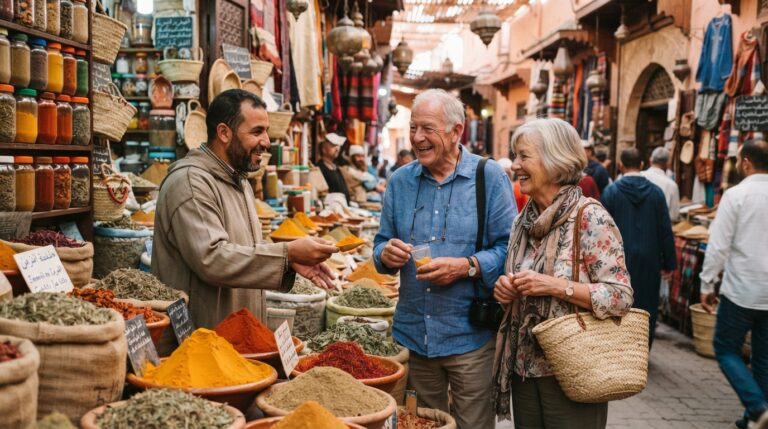


A short vacation can be incredibly rewarding, but limited time makes every itinerary decision more important. Travelers may have only three or four days to experience a destination that offers dozens of attractions, neighborhoods, restaurants, museums, and activities. Trying to fit everything into such a small window usually creates more stress than enjoyment.
The key to a successful short trip is not seeing the maximum number of places. It is selecting experiences carefully, reducing unnecessary transportation, and leaving enough time to actually enjoy what you choose. With focused research and realistic priorities, even a brief vacation can feel complete.
- Define What You Want From the Trip
- Use Recommendation Lists as Starting Points
- Choose One Main Area for a Very Short Trip
- Identify Your Three Biggest Priorities
- Understand the Destination on a Map
- Compare Recommendations Instead of Following One Ranking
- Group Sightseeing by Neighborhood
- Be Realistic About Arrival Day
- Book Only High-Priority Experiences
- Consider Different Travel Perspectives
- Choose Accommodation Strategically
- Plan Transportation Before Arrival
- Walk Between Nearby Attractions
- Do Not Schedule Every Meal
- Keep One Backup Activity Available
- Limit Long Day Trips
- Leave Time for Neighborhood Exploration
- Do Not Spend Too Long Comparing Similar Options
- Check Opening Hours Close to the Visit
- Prepare Important Information Offline
- Review Tomorrow’s Plan Each Evening
- Accept That You Will Not See Everything
- Focus on Experiences You Will Remember
- Make Limited Time Work in Your Favor
Define What You Want From the Trip
Before searching for attractions, decide what kind of experience you want. A traveler interested in history may prioritize museums and historic districts, while someone interested in food may prefer markets, restaurants, and neighborhood exploration.
Clear interests make it easier to eliminate recommendations that are popular but personally irrelevant.
Use Recommendation Lists as Starting Points
Online lists can quickly introduce travelers to attractions, activities, and ideas they might otherwise overlook. However, a highly ranked place is not automatically the best choice for every itinerary.
During broader online research, readers may encounter general resources such as Top Best One. General recommendation content can generate ideas, but travelers should research destination-specific details independently before deciding whether an experience deserves their limited vacation time.
Choose One Main Area for a Very Short Trip
If the vacation lasts only a few days, changing hotels or traveling between distant destinations can consume too much time.
Consider choosing one convenient base and exploring it properly. Nearby day trips can provide variety without requiring another accommodation change.
Identify Your Three Biggest Priorities
Ask yourself which three experiences would make the trip feel worthwhile. These might be famous landmarks, a particular museum, a food experience, a neighborhood, or an outdoor activity.
Place these priorities into the itinerary first. Everything else can be organized around them.
Understand the Destination on a Map
A list of attractions does not reveal how far apart they are. Open a map and save the places that interest you before assigning them to particular days.
This simple step often reveals which attractions can naturally be combined.
Compare Recommendations Instead of Following One Ranking
Travelers frequently encounter lists describing the best attractions, restaurants, hotels, or activities. These can be useful for discovery, but rankings are influenced by the criteria and preferences of whoever created them.
During general online browsing, readers may come across resources such as Top Tens Best. Use broad recommendation lists to build possibilities, then compare those possibilities according to location, current availability, cost, and your own interests before making a final decision.
Group Sightseeing by Neighborhood
Geographic organization becomes especially valuable on a short vacation. Crossing a city several times in one day can consume hours that could have been spent exploring.
Build each day around one or two nearby areas whenever possible.
Be Realistic About Arrival Day
Travelers often treat arrival day as a full sightseeing day, but transportation delays, baggage, hotel check-in, and navigation can reduce the available time considerably.
Plan something simple near the accommodation instead of scheduling an important attraction immediately after arrival.
Book Only High-Priority Experiences
If an essential attraction requires timed admission, advance booking can protect valuable vacation time. The same applies to popular tours or experiences with limited availability.
However, avoid filling the entire trip with reservations. Some flexibility is necessary when unexpected delays occur.
Consider Different Travel Perspectives
Not every traveler values the same experiences. Families, solo travelers, couples, photographers, food enthusiasts, and outdoor travelers may view the same destination very differently.
Broader online reading may expose travelers to personal perspectives through general-interest resources such as A Woman’s Views. Different viewpoints can inspire useful questions when planning, while practical travel details should be confirmed through current and appropriate destination-specific sources.
Choose Accommodation Strategically
For a short vacation, location can sometimes be more important than having additional hotel amenities. Staying near major transportation or the areas you intend to explore can save substantial time.
Compare accommodation based on the complete daily experience rather than room price alone.
Plan Transportation Before Arrival
You do not need to memorize an entire transportation network, but knowing how to reach your accommodation and major sightseeing areas can make the first day easier.
Research basic ticketing methods, important stations, and useful routes before departure.
Walk Between Nearby Attractions
When practical, walking can be one of the most efficient ways to experience a compact area. Travelers may discover architecture, shops, cafés, public spaces, and interesting streets between planned attractions.
Always consider distance, weather, accessibility, and local conditions when deciding whether walking makes sense.
Do Not Schedule Every Meal
Restaurant reservations can be worthwhile for special experiences, but booking every meal can make a short itinerary unnecessarily complicated.
Save several restaurants and cafés around the neighborhoods you plan to visit. This provides options without creating additional deadlines.
Keep One Backup Activity Available
Weather, temporary closures, or unexpected changes can disrupt even a carefully planned short trip. Keep several indoor or flexible alternatives available.
A backup option prevents one cancellation from creating a large empty period in the itinerary.
Limit Long Day Trips
A day trip may sound appealing, but it can consume a significant percentage of a three- or four-day vacation.
Before adding one, calculate the realistic door-to-door transportation time and decide whether the experience justifies giving up most of a day in the main destination.
Leave Time for Neighborhood Exploration
Short trips often become a sequence of major attractions because travelers feel pressure to use every hour efficiently. However, unstructured exploration can provide some of the most memorable experiences.
Allow at least a little time to walk through an interesting neighborhood without a strict list of stops.
Do Not Spend Too Long Comparing Similar Options
Research can become inefficient when travelers spend hours deciding between several attractions or restaurants that would all provide a satisfactory experience.
Once an option matches your interests, location, budget, and schedule, make the decision and continue planning.
Check Opening Hours Close to the Visit
A short itinerary has less room to recover from arriving at a closed attraction. Verify current operating hours and reservation requirements before making a special journey.
This is particularly important when the attraction is one of the main priorities of the trip.
Prepare Important Information Offline
Keep accommodation addresses, transportation information, tickets, and important reservations accessible even without internet service.
This reduces unnecessary delays when connectivity becomes unreliable.
Review Tomorrow’s Plan Each Evening
A five-minute review can improve the following day. Check the expected weather, major reservations, transportation, and any time-sensitive information.
If something has changed, reorganize optional activities while protecting the day’s main priority.
Accept That You Will Not See Everything
No traveler sees everything a destination offers, regardless of trip length. Attempting to do so during a short vacation usually creates an exhausting itinerary.
Missing an attraction is not a failed trip. Choosing experiences intentionally is more valuable than completing an arbitrary checklist.
Focus on Experiences You Will Remember
When time is limited, quality matters more than quantity. A relaxed afternoon exploring one fascinating neighborhood may create stronger memories than rushing through several unrelated attractions.
Give your highest-priority experiences enough time to be enjoyable instead of treating them as items that need to be completed quickly.
Make Limited Time Work in Your Favor
A short vacation requires choices, but those limitations can actually improve travel planning. They encourage travelers to identify what matters, organize activities geographically, and eliminate experiences that were included only because someone else recommended them.
By choosing a convenient base, identifying a few genuine priorities, researching current practical details, reducing unnecessary transportation, and keeping part of the schedule flexible, travelers can create a short vacation that feels satisfying rather than rushed. You do not need unlimited time to have a meaningful journey. You need to use the time you have for the experiences that matter most.