
- Key Takeaways
- Why Pipes Freeze in Minnesota Homes
- A Fall Plumbing Checklist
- How to Protect Outdoor Fixtures
- How to Protect Indoor Pipes
- Keep Warm Air Reaching Vulnerable Areas
- Stop Cold Air at Its Entry Points
- Water Heater Checks Before Winter
- What to Do If a Pipe Freezes
- When to Call a Licensed Professional
- A Simple Winter-Ready Plan
Key Takeaways
- Frozen pipes are most likely in unheated, poorly insulated, or drafty parts of a home.
- Disconnecting hoses and draining outdoor fixtures help reduce the risk of freeze damage.
- Small leaks, air gaps, and insulation problems are easier to address before deep cold arrives.
- Every household should know the location of its main water shutoff valve.
- Open flames should never be used to thaw a frozen pipe.
Minnesota homeowners know that winter weather can arrive quickly, and a hard freeze can test every part of a home. Preparing plumbing before the 2026-27 winter season can help reduce the chance of frozen pipes, water damage, and inconvenient emergency repairs. For local plumbing support and seasonal service information, visit https://www.twincitiespremierplumbing.com.
Whether your home is in Minneapolis, St. Paul, a first-ring suburb, or a rural Minnesota community, the same basic principle applies: pipes need protection from cold air. A warm living room does not guarantee that plumbing hidden in an exterior wall, garage, crawl space, or cabinet is safe from freezing temperatures.
Why Pipes Freeze in Minnesota Homes
Water expands as it freezes, which can create pressure inside a pipe and lead to cracks or breaks. The most vulnerable locations are often outdoor hose connections, pipes along exterior walls, unheated garages, crawl spaces, basements, attics, and areas near foundation penetrations. Older Minnesota homes may also have less insulation around plumbing routes or hidden gaps that let cold air reach pipes.
Routine prevention matters because exposed plumbing is particularly susceptible to cold. Nebraska Extension’s pre-winter maintenance guidance recommends insulating vulnerable pipes, sealing air leaks near plumbing, and protecting exterior faucet lines before cold weather becomes severe.
A Fall Plumbing Checklist
Complete a basic inspection before temperatures remain below freezing. It is easier to identify concerns when pipes, valves, and outdoor fixtures are still accessible.
- Locate, test, and label the main water shutoff valve.
- Check visible pipes for moisture, corrosion, loose fittings, or signs of leaking.
- Look for drafts around windows, doors, vents, pipe openings, and foundation walls.
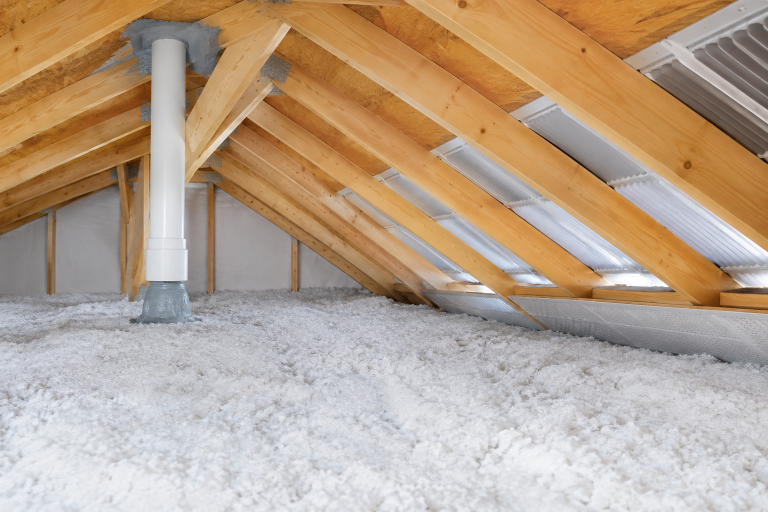
- Inspect insulation in accessible basements, crawl spaces, and utility areas.
- Confirm that the furnace and thermostat are operating properly.
- Pay attention to weak water flow, unusual pressure changes, or recurring drain issues.
- Repair small leaks before cold weather can make the problem harder to manage.
How to Protect Outdoor Fixtures
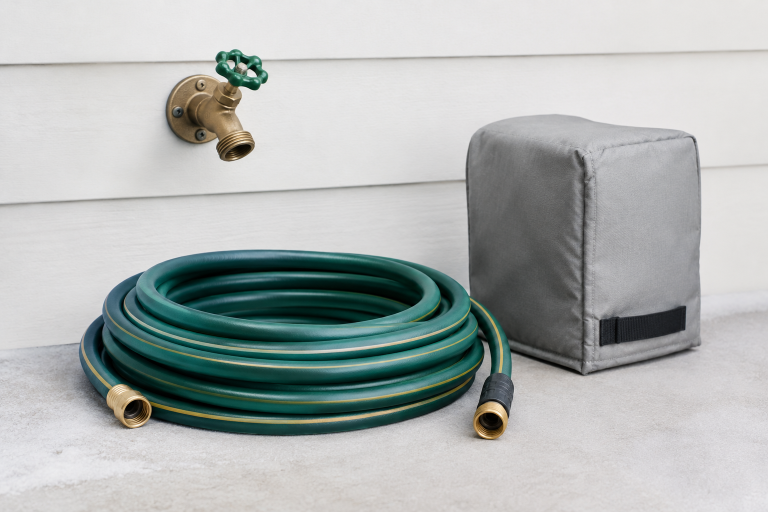
Outdoor faucets and hose connections deserve attention before the first hard freeze. Disconnect every garden hose, drain it, and store it in a dry location. A hose left connected can hold water near the faucet, increasing the risk that the hose bib or the short pipe behind it will freeze.
If your home has an indoor shutoff valve for an exterior faucet, close it, then briefly open the outdoor faucet to let any remaining water drain. Insulated faucet covers can add another layer of protection for exposed spigots. Irrigation systems should also be winterized according to the equipment manufacturer’s instructions.
How to Protect Indoor Pipes
Keep Warm Air Reaching Vulnerable Areas
Wrap accessible exposed pipes with approved foam insulation. During a severe cold snap, open cabinet doors beneath kitchen or bathroom sinks located on exterior walls so indoor heat can circulate around plumbing. Keep garage doors closed when water lines run through or beside the garage.
Stop Cold Air at Its Entry Points
Seal gaps where pipes enter through walls or floors, while taking care not to block required vents or access points. Keep the thermostat at a steady temperature, including overnight. If the home will be vacant during winter, leave the heat on, set the thermostat no lower than 55 degrees Fahrenheit, and ask a trusted person to check the property regularly.
Heat tape and heat cables can help in certain applications, but they must be rated for the intended use and installed exactly as directed. Improper products or installation can create a fire or electrical hazard.
Water Heater Checks Before Winter
Cold-weather demand can make existing water heater problems more noticeable. Look for water around the tank, fittings, and pressure-relief valve. Listen for persistent popping, rumbling, or banging, and note whether hot water seems to run out sooner than usual. Keep stored items away from gas-fired equipment, combustion air openings, and venting components. Insulating accessible hot-water pipes may also help limit heat loss along those lines.
What to Do If a Pipe Freezes
- Open the affected faucet to relieve pressure and allow the melted water to drain.
- Check likely cold spots, including exterior walls, cabinets, garages, crawl spaces, and foundation entry points.
- Warm the pipe gradually with a hair dryer, warm towels, or a safe electric heating pad.
- Apply heat along the pipe, watching closely for leaks or cracks as ice melts.
- Shut off the main water supply immediately if a pipe breaks.
Do not use a torch, lighter, kerosene heater, propane heater, or any other open flame to thaw plumbing. Public guidance for safely thawing a frozen pipe also advises keeping the faucet open while applying controlled heat and contacting a licensed plumber when the frozen section cannot be reached or located.
When to Call a Licensed Professional
Professional help is appropriate when a pipe leaks after thawing, water pressure drops throughout the home, or the frozen line is inside a wall, ceiling, or foundation. Call for service if a water heater leaks, makes unusual noises, or shows signs of declining performance. Repeated freeze-ups can also indicate an insulation, air-sealing, plumbing layout, or heating issue that requires a more comprehensive assessment.
A Simple Winter-Ready Plan
- Inspect plumbing before the first deep freeze.
- Disconnect hoses and protect outdoor faucets.
- Insulate exposed pipes and seal drafts near plumbing routes.
- Keep the home heated during cold weather and travel.
- Know how to shut off the main water supply.
- Act quickly if water flow changes, a leak appears, or a pipe freezes.
Winter plumbing care is largely preventive. A few focused fall tasks can help Minnesota homeowners protect their homes through the season and reduce the risk of costly water damage as temperatures drop.