

- Key Takeaways
- Table of Contents
- Why Renovation Planning Matters
- Start With Guest Needs
- Choose the Right Scope
- Build a Phased Work Plan
- Protect the Guest Experience
- Communication Practices That Help
- Focus on High-Value Upgrades
- Coordinate Teams and Timelines
- Use Data to Guide Decisions
- Measure Results After Completion
Key Takeaways
-
Guest comfort should guide renovation priorities, schedules, and spending.
-
Phased work helps many Boise hotels remain open while limiting disruption.
-
Room comfort, bathrooms, quiet spaces, lighting, and connectivity are high-impact priorities.
-
Clear communication helps guests and employees navigate temporary changes.
-
Local permitting, seasonal demand, and reliable project coordination should shape the plan.
-
Results should be measured through feedback, maintenance patterns, and operating performance.
Table of Contents
-
Why Renovation Planning Matters
-
Start With Guest Needs
-
Choose the Right Scope
-
Build a Phased Work Plan
-
Protect the Guest Experience
-
Focus on High-Value Upgrades
-
Coordinate Teams and Timelines
-
Use Data to Guide Decisions
-
Measure Results After Completion
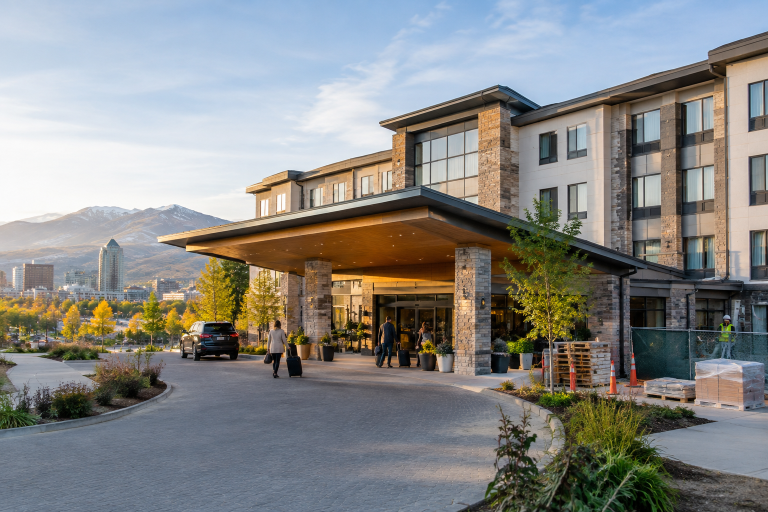
Hotel renovations in Boise should do more than create a newer look. They should make stays easier, quieter, safer, and more comfortable for visitors arriving for downtown events, business travel, outdoor recreation, family visits, and regional meetings. Working with hotel construction specialists in Boise can help owners connect the design vision to the practical demands of an operating property.
A thoughtful renovation plan should account for the guest journey from parking and check-in through sleep quality, bathroom use, breakfast, and departure. Boise hotels also need spaces that perform well in warm, dry summers and cold winters, without sacrificing the welcoming character that guests expect from an Idaho stay.
Why Renovation Planning Matters
A renovation affects far more than finishes. It can influence online reviews, employee workflows, maintenance calls, room availability, and revenue opportunities. A plan built around guest needs gives owners a clearer way to decide what must be corrected now, what can wait, and what improvements will support the hotel over the long term.
Planning also reduces avoidable disruption. When ownership, management, designers, contractors, and department leaders agree on the project goals before work starts, the hotel is better positioned to protect guest routes, control access, and make timely operating decisions.
Start With Guest Needs
Begin with evidence rather than assumptions. Review recent guest comments, surveys, maintenance logs, housekeeping observations, and front-desk questions. Hotel teams can also use Boise’s online permitting and building records portal to stay organized around applicable project documentation and inspections.
Look for repeated concerns, especially those that affect the daily stay:
-
Uncomfortable mattresses, worn furniture, or difficult room layouts
-
Weak Wi-Fi, limited charging, or poorly placed work surfaces
-
Noise from corridors, elevators, mechanical equipment, or adjacent rooms
-
Bathrooms with insufficient lighting, storage, ventilation, or accessibility
-
Slow check-in, unclear wayfinding, or crowded common areas
Choose the Right Scope
Not every Boise hotel requires a full-property overhaul. The right scope depends on building condition, guest profile, budget, brand standards, deferred maintenance, and the owner’s plans for the asset. A focused project can solve meaningful problems without taking too many rooms out of service at once.
The following comparison can help teams match the project approach to the need.
|
Approach |
Typical Work |
Best Fit |
|---|---|---|
|
Light refresh |
Paint, lighting, furnishings, soft goods |
Spaces that function well but look dated |
|
Targeted renovation |
Guest rooms, bathrooms, lobby, dining areas |
Recurring guest complaints in specific areas |
|
Full renovation |
Multiple floors, systems, public spaces |
Major repositioning or broad building needs |
Build a Phased Work Plan
For an open hotel, phasing is often the most practical path. Work can move by floor, wing, room type, or public area while management keeps active guests away from construction zones. The plan should identify temporary entrances, protected paths, material staging locations, elevator use, and rooms that should remain unavailable due to noise or access limits.
Seasonality matters in Boise. Owners should review anticipated occupancy, local events, group commitments, and weather-sensitive exterior work before setting dates. A realistic schedule includes time for inspections, deliveries, punch-list work, and room testing before rooms return to inventory.
Protect the Guest Experience
Guests can be understanding when the hotel is direct about what will happen and when. Surprises create more frustration than a clearly communicated temporary inconvenience. Update booking pages when an amenity, entrance, restaurant, pool, or meeting area will be affected.
Communication Practices That Help
-
Send pre-arrival notices that explain dates, work hours, and affected areas.
-
Schedule noisy tasks outside normal rest periods whenever possible.
-
Use clean, easy-to-follow signage for routes, parking, and temporary services.
-
Give front-desk teams simple answers and escalation steps for complaints.
-
Offer room moves or other reasonable solutions when disruption becomes substantial.
Focus on High-Value Upgrades
The best upgrades improve both guest comfort and daily operations. Better mattresses, blackout window coverings, sound control, durable flooring, convenient bedside charging, and flexible lighting can make rooms more useful without relying on decorative changes alone. In bathrooms, accessible layouts, dependable ventilation, easy-clean finishes, and well-placed storage can improve the experience for a wide range of travelers.
Efficiency upgrades also deserve close review. Selecting water-saving fixtures that meet established performance criteria, such as WaterSense-recognized products, can support conservation goals while maintaining practical guest use. Any product decision should still be evaluated for durability, availability of replacements, maintenance requirements, and compatibility with the hotel’s plumbing systems.
Coordinate Teams and Timelines
Small communication gaps can become expensive delays. Assign one project lead to maintain the current schedule, decision log, and responsibility list. That person should connect ownership, hotel operations, design, construction, purchasing, housekeeping, engineering, and front-desk leadership.
-
Document existing conditions before demolition or ordering materials.
-
Approve layouts, finishes, and long-lead items early.
-
Review guest routes, safety measures, and active work areas every week.
-
Confirm deliveries and staging do not interfere with arrivals or operations.
-
Inspect and test completed rooms before releasing them for sale.
Use Data to Guide Decisions
Guest feedback is valuable, but it should be paired with operating data. Compare common complaints with room maintenance history, housekeeping time, utility use, room-type booking patterns, and staff input. If a particular room stack produces repeated temperature, plumbing, or noise complaints, it may deserve priority over a more visible but less urgent cosmetic upgrade.
Measure Results After Completion
A project is not complete when construction crews leave. Over the following weeks and months, track review themes, maintenance calls, housekeeping feedback, utility consumption, occupancy, average daily rate, and repeat-guest activity. The goal is to confirm that the renovation resolved the original problems rather than merely changing the property’s appearance.
For Boise hotel owners, the strongest renovation is one that balances comfort, operational reliability, local compliance, and financial discipline. When guest needs remain at the center of every decision, the finished property is better prepared to serve visitors and the surrounding community for years to come.