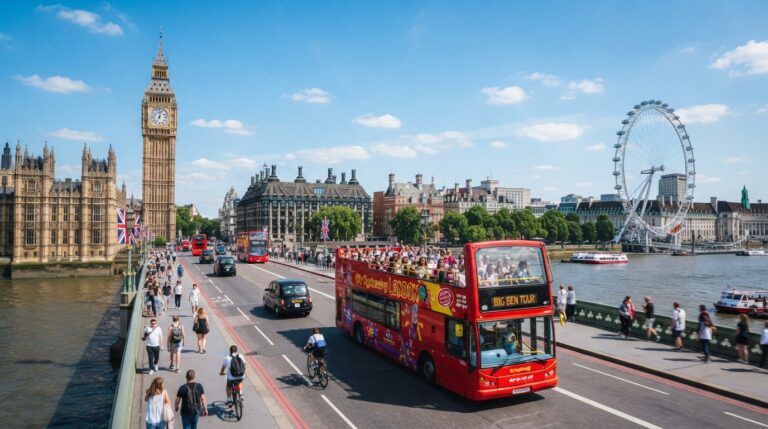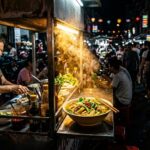


Travel becomes much more rewarding when it is approached as more than a collection of flights, hotels, and famous landmarks. Every destination has its own geography, history, climate, transportation system, food culture, neighborhoods, traditions, and everyday rhythms. Understanding even a small part of that context can transform a trip from simple sightseeing into a richer experience.
Thoughtful travel does not require months of research or a perfectly scheduled itinerary. It requires knowing what matters, verifying practical details, leaving enough flexibility for real life, and remaining curious about the places being visited. With a balanced approach, travelers can explore unfamiliar destinations confidently without turning the vacation into an exhausting checklist.
- Start With Curiosity Rather Than a Checklist
- Understand Where the Destination Fits Geographically
- Use World Travel Resources for Inspiration
- Learn the Basic Geography Before Booking
- Estimate Travel Time Realistically
- Do Not Change Hotels Too Frequently
- Choose a Route That Flows Naturally
- Check Whether Open-Jaw Flights Make Sense
- Build the Trip Around Available Time
- Research the Climate
- Check Current Weather Before Departure
- Understand Seasonal Differences
- Consider Shoulder Season
- Research Public Holidays
- Learn About the Destination’s History
- Explore Geographic and Cultural References
- Learn the Countries Around Your Destination
- Know the Main Regions Within a Country
- Understand Time Zones
- Do Not Overload the Arrival Day
- Create a Realistic Travel Budget
- Estimate Daily Spending
- Keep a Contingency Fund
- Compare Accommodation by Total Value
- Map Accommodation Before Booking
- Read Recent Reviews
- Check the Exact Room Category
- Understand Check-In Arrangements
- Confirm Local Taxes and Fees
- Compare Flights Beyond the Ticket Price
- Be Careful With Very Short Connections
- Understand Separate Tickets
- Check Baggage Allowances
- Travel With Less Luggage When Possible
- Create a Reusable Packing List
- Keep Essentials in Carry-On Luggage
- Verify Passport Requirements Early
- Research Visa Requirements Carefully
- Check Transit Visa Requirements
- Keep Digital Copies of Important Documents
- Keep Important Information Offline
- Consider Travel Insurance
- Understand Existing Coverage
- Plan Local Transportation Before Arrival
- Check Public Transport Payment Systems
- Understand Ticket Validation
- Check Last Services
- Use Rail Travel Strategically
- Book Popular Routes in Advance
- Understand Bus Travel
- Consider Ferry Schedules
- Rent a Car Only When It Improves the Trip
- Research Driving Rules
- Check Whether an International Driving Permit Is Required
- Inspect Rental Vehicles
- Do Not Drive Exhausted
- Build the Itinerary Around One or Two Priorities Per Day
- Group Places Geographically
- Leave Unscheduled Time
- Plan Rest Without Feeling Guilty
- Do Not Treat Every Meal as an Interruption
- Research Local Cuisine
- Prepare for Dietary Restrictions
- Visit Local Markets
- Learn a Few Phrases
- Download Offline Translation
- Understand Cultural Etiquette
- Respect Religious Sites
- Ask Before Taking Close-Up Photos of People
- Respect Residential Areas
- Use Photography Without Missing the Destination
- Back Up Travel Photos
- Plan Mobile Connectivity
- Download Offline Maps
- Carry a Power Bank
- Bring the Correct Power Adapter
- Keep Devices Secure
- Be Cautious With Public Wi-Fi
- Carry Backup Payment Options
- Understand Local Currency
- Check Card Fees
- Keep Some Local Cash
- Review Spending Every Few Days
- Research Health Considerations
- Carry Essential Medication
- Keep Medication Accessible
- Know How to Contact Emergency Services
- Keep Consular Information Available
- Share Basic Travel Details With Someone Trusted
- Use Reputable Activity Providers
- Check the Physical Difficulty
- Plan Weather-Sensitive Activities Early
- Respect Natural Environments
- Do Not Disturb Wildlife
- Understand Protected Areas
- Support Local Businesses
- Buy Souvenirs Carefully
- Avoid Exploitative Souvenirs
- Leave Space for Local Recommendations
- Ask Specific Questions
- Accept That Plans Will Change
- Keep a Short Backup List
- Do Not Let One Disappointment Define the Trip
- Review Tomorrow Each Evening
- Prepare Tickets Before Leaving
- Charge Devices Overnight
- Keep Departure Day Light
- Confirm Flight and Terminal Information
- Allow Enough Time at the Airport
- Reflect After the Journey
- Save Useful Travel Notes
- Explore the World With Context and Flexibility
Start With Curiosity Rather Than a Checklist
Many travelers begin planning by collecting famous attractions. That can be useful, but it may result in an itinerary shaped entirely by what other visitors photograph most often.
Start instead by asking what interests you about the destination. It might be landscapes, history, architecture, food, wildlife, local markets, museums, beaches, music, or simply seeing how people live somewhere different.
Understand Where the Destination Fits Geographically
Basic geography improves travel planning significantly. Knowing where cities, mountains, coastlines, neighboring countries, and transportation corridors are located makes routes easier to understand.
It also prevents unrealistic plans that treat distant regions as if they were located close together.
Use World Travel Resources for Inspiration
Broad travel resources can help travelers discover countries, cities, natural attractions, and cultural destinations they may not have considered previously.
People exploring international destinations may encounter resources such as World Around U. General travel content can be useful for generating ideas, while current information about visas, safety, transportation, opening hours, and entry requirements should always be verified before a trip is finalized.
Learn the Basic Geography Before Booking
Maps can reveal whether a proposed itinerary makes practical sense.
Check distances between airports, cities, accommodation areas, attractions, and transportation hubs rather than assuming everything within the same country is easily reachable.
Estimate Travel Time Realistically
A journey described as two hours on a map may take longer once traffic, transfers, waiting time, security, parking, or ferry schedules are included.
Always build some margin into travel days.
Do Not Change Hotels Too Frequently
Moving accommodation can consume more time than expected. Packing, checking out, transporting luggage, waiting for rooms, and learning a new neighborhood all take energy.
Staying longer in selected places often produces a more relaxed and meaningful experience.
Choose a Route That Flows Naturally
When visiting several destinations, arrange them in a logical geographic sequence.
Repeatedly crossing the same region wastes time and transportation money that could be used for additional experiences.
Check Whether Open-Jaw Flights Make Sense
Some multi-city trips are easier when travelers arrive in one city and depart from another rather than returning to the starting point.
Compare flight prices and ground transportation before deciding.
Build the Trip Around Available Time
A two-week itinerary should not simply be a one-month itinerary compressed into fewer days.
Prioritize destinations according to the time available and leave enough breathing room to enjoy them.
Research the Climate
Average weather conditions can affect everything from clothing and outdoor activities to transportation reliability.
Understand whether the planned month falls within a rainy season, dry season, winter period, hurricane season, or another significant climatic pattern.
Check Current Weather Before Departure
Historical averages are useful for choosing a season, but actual forecasts matter more when packing and scheduling outdoor activities.
Review conditions again shortly before leaving.
Understand Seasonal Differences
A destination can change dramatically throughout the year.
Some places become crowded and expensive during summer, while others experience reduced transportation or attraction hours outside the main tourism season.
Consider Shoulder Season
Travel just before or after peak season may provide more comfortable prices and fewer crowds.
However, check whether ferries, mountain routes, tours, restaurants, or seasonal hotels remain available.
Research Public Holidays
National holidays and major festivals can significantly influence accommodation availability, transport, traffic, and opening hours.
They can also provide memorable cultural experiences when travelers plan around them intentionally.
Learn About the Destination’s History
A basic understanding of history can make museums, architecture, monuments, and neighborhoods much more meaningful.
You do not need to study an entire textbook. A short timeline covering major periods and events can provide enough context for most trips.
Explore Geographic and Cultural References
Travel planning becomes easier when countries and regions are understood within a broader world context rather than treated as isolated destinations.
Travelers interested in geography and destination-oriented information may encounter resources such as World Atlas Book. Geographic resources can support trip research and general understanding, while time-sensitive information such as borders, entry rules, schedules, and local regulations should always be checked through current sources.
Learn the Countries Around Your Destination
Understanding neighboring countries can reveal opportunities for regional travel and explain cultural influences.
It can also help travelers understand why certain transportation routes, languages, foods, or historical connections are important.
Know the Main Regions Within a Country
Countries can contain significant differences in climate, language, food, architecture, and landscape.
Researching regions individually often produces a better itinerary than treating an entire country as one uniform destination.
Understand Time Zones
International travel can involve significant time differences.
Check arrival times in local time and consider how jet lag may affect the first few days.
Do Not Overload the Arrival Day
After a long international journey, immigration, baggage collection, transportation, and check-in may take longer than expected.
Keep the first day relatively simple and flexible.
Create a Realistic Travel Budget
Flights and accommodation are only part of the total cost.
Local transportation, food, tickets, tours, baggage, mobile connectivity, insurance, taxes, tips, shopping, and unexpected expenses should also be considered.
Estimate Daily Spending
A simple daily allowance for meals, transportation, and activities can make budgeting easier.
This does not need to control every purchase; it simply gives the traveler a useful reference point.
Keep a Contingency Fund
Unexpected costs are common in travel.
Delayed transport, an additional hotel night, lost luggage, medical needs, or last-minute transportation can all create expenses that were not part of the original plan.
Compare Accommodation by Total Value
The lowest room rate is not always the best value.
A cheaper property far from public transportation or major attractions may create additional costs and reduce usable vacation time.
Map Accommodation Before Booking
Marketing descriptions such as “central” or “near downtown” can be interpreted broadly.
Open the location on a map and calculate actual walking or transport time to your priority destinations.
Read Recent Reviews
Older reviews may describe a property before renovations, management changes, or neighborhood construction.
Focus on recent patterns involving cleanliness, noise, service, transportation, and room condition.
Check the Exact Room Category
Photographs shown on a hotel page may represent several different room types.
Read the description of the exact room being booked and verify bed type, size, bathroom, view, and other important features.
Understand Check-In Arrangements
Smaller hotels and guesthouses may not operate a front desk throughout the night.
If arrival is late, communicate with the property in advance.
Confirm Local Taxes and Fees
Some destinations charge tourism taxes, resort fees, cleaning fees, or other amounts separately from the advertised room rate.
Include these charges when comparing accommodation options.
Compare Flights Beyond the Ticket Price
Flight convenience can influence the entire trip.
Consider departure times, arrival times, baggage rules, layovers, airport locations, seat selection, and ground transportation as well as fare.
Be Careful With Very Short Connections
Large airports can require long walks, security checks, immigration, and terminal changes.
A connection that looks possible on paper may still create unnecessary stress.
Understand Separate Tickets
When flights are booked independently, a delay on the first flight may not protect the second reservation.
Leave additional margin when connections are not part of one protected ticket.
Check Baggage Allowances
Different fares on the same airline may include different luggage allowances.
Review both weight and size limits before packing.
Travel With Less Luggage When Possible
Lighter luggage makes trains, buses, stairs, ferries, and frequent hotel changes easier.
Choose versatile clothing and use laundry facilities during longer trips.
Create a Reusable Packing List
Maintain a simple checklist for documents, electronics, medication, clothing, toiletries, and destination-specific items.
Future trips become easier because the list can be adjusted rather than recreated.
Keep Essentials in Carry-On Luggage
When allowed, keep necessary medication, documents, valuables, basic clothing, and essential electronics with you.
This can reduce inconvenience if checked baggage is delayed.
Verify Passport Requirements Early
Some countries require a minimum amount of remaining passport validity.
Check current rules before purchasing expensive nonrefundable travel arrangements.
Research Visa Requirements Carefully
Visa requirements depend on nationality, destination, trip purpose, and duration.
Use official government or consular information for confirmation rather than relying solely on travel forums or older blogs.
Check Transit Visa Requirements
A traveler may need additional documentation simply because a flight connects through another country.
Review transit rules for every relevant stop.
Keep Digital Copies of Important Documents
Secure copies of passports, visas, tickets, insurance information, and reservations can be useful if originals are lost or inaccessible.
Store them appropriately rather than relying on one device alone.
Keep Important Information Offline
Mobile service may fail at exactly the wrong moment.
Save accommodation addresses, booking confirmations, transport tickets, and emergency details so they can be accessed without an internet connection.
Consider Travel Insurance
Travel insurance policies can differ significantly in coverage.
Review medical limits, cancellation rules, baggage protection, exclusions, deductibles, and activity restrictions before purchasing.
Understand Existing Coverage
Credit cards, health plans, or other services may already provide limited travel protection.
Review what is actually covered before paying for duplicate insurance.
Plan Local Transportation Before Arrival
The first transfer after a long flight is easier when the traveler already knows how to reach the accommodation.
Research trains, buses, official taxis, rideshare services, shuttles, or hotel transfers.
Check Public Transport Payment Systems
Some cities use contactless cards, transport passes, mobile tickets, or special stored-value cards.
Knowing the system before arrival can save time and reduce confusion.
Understand Ticket Validation
In some transport systems, purchasing a ticket is not enough; it must also be validated before travel.
Learn local procedures to avoid accidental fines.
Check Last Services
Trains, buses, ferries, and metros may stop earlier than expected.
Late-night plans should include a realistic return option.
Use Rail Travel Strategically
Trains can be comfortable and efficient between many cities.
Compare travel time from city center to city center rather than assuming flights are always faster.
Book Popular Routes in Advance
High-speed trains and scenic services may sell out during holidays or peak periods.
Reserve important segments when flexibility is limited.
Understand Bus Travel
Buses can reach places that trains do not serve and may offer lower fares.
Check the exact departure station or street stop because large cities may have multiple terminals.
Consider Ferry Schedules
Island and coastal travel often depends on weather-sensitive transportation.
Allow enough time before flights or other fixed connections when ferries are involved.
Rent a Car Only When It Improves the Trip
A vehicle can be extremely useful in rural regions but inconvenient in dense city centers with expensive parking.
Choose based on the itinerary rather than assuming every vacation requires a car.
Research Driving Rules
Traffic direction, signs, speed limits, parking, tolls, and documentation requirements vary between countries.
Understand the basics before collecting a rental car.
Check Whether an International Driving Permit Is Required
Requirements vary by destination and driver’s license.
Confirm current official rules before leaving home.
Inspect Rental Vehicles
Document existing damage according to the rental company’s process and understand fuel and return conditions.
Ask how roadside assistance works before beginning a long journey.
Do Not Drive Exhausted
Jet lag and long travel days can reduce concentration significantly.
Rest before driving rather than forcing the schedule to continue.
Build the Itinerary Around One or Two Priorities Per Day
Trying to complete six major attractions every day can turn a vacation into a race.
Select the most important experiences and keep additional activities optional.
Group Places Geographically
Use maps to identify attractions located near one another.
This can reduce transportation time and make each day feel more coherent.
Leave Unscheduled Time
Unexpected recommendations, markets, cafés, parks, shops, and neighborhood walks are often highlights of a trip.
A completely full itinerary cannot accommodate them.
Plan Rest Without Feeling Guilty
Travel can involve more walking, heat, noise, and decision-making than ordinary life.
A slower afternoon can improve the quality of the rest of the trip.
Do Not Treat Every Meal as an Interruption
Food can be one of the most important cultural experiences in a destination.
Allow enough time to enjoy local meals rather than eating only because the next attraction is approaching.
Research Local Cuisine
Learn several regional dishes before arrival.
This makes menus easier to understand and helps travelers identify specialties that may not be obvious to visitors.
Prepare for Dietary Restrictions
Travelers with allergies or dietary requirements should learn relevant local terms.
A translated card or saved explanation can make communication easier.
Visit Local Markets
Markets can provide insight into everyday food, ingredients, crafts, and commerce.
Move respectfully and remember that many markets primarily serve local communities.
Learn a Few Phrases
Basic greetings, thanks, numbers, and polite expressions can improve everyday interactions.
Travelers do not need fluency for small language efforts to be useful.
Download Offline Translation
Language applications become more useful when necessary language packs have been downloaded before connectivity disappears.
This is especially valuable during rural travel.
Understand Cultural Etiquette
Expectations regarding dress, tipping, greetings, public behavior, and photography vary widely.
Researching a few important customs shows respect and prevents avoidable misunderstandings.
Respect Religious Sites
Places of worship may require particular clothing, quiet behavior, or restrictions on photography.
Follow local signs and staff instructions.
Ask Before Taking Close-Up Photos of People
Not everyone wants to become part of a traveler’s photo collection.
Permission is particularly important when one person is clearly the main subject.
Respect Residential Areas
Famous neighborhoods may still be home to ordinary residents.
Avoid blocking doors, entering private property, or creating excessive noise for photographs.
Use Photography Without Missing the Destination
A camera can preserve important memories, but constant recording can reduce attention to what is happening.
Capture the image, then spend time experiencing the place without the screen.
Back Up Travel Photos
Phones, cameras, and storage cards can fail or be lost.
Create another copy periodically during longer trips when practical.
Plan Mobile Connectivity
Compare roaming plans, local SIM cards, eSIMs, and Wi-Fi before departure.
Understanding costs can prevent an unexpectedly expensive phone bill.
Download Offline Maps
Maps are among the most useful travel tools, but they should not depend entirely on live connectivity.
Download relevant regions before leaving reliable internet access.
Carry a Power Bank
Navigation, translation, photography, and mobile tickets can drain a phone much faster than an ordinary day.
A suitable portable battery can keep essential tools available.
Bring the Correct Power Adapter
Electrical plugs and voltage standards vary internationally.
Check destination requirements before packing chargers or appliances.
Keep Devices Secure
Phones and laptops may contain financial information, email, photographs, and access to important accounts.
Use strong device locks and enable available location or remote-protection features before traveling.
Be Cautious With Public Wi-Fi
Airport, café, hotel, and station networks can be convenient but should not automatically be considered secure.
Exercise additional care when using financial or other sensitive services.
Carry Backup Payment Options
A lost card or blocked transaction can create major inconvenience.
Keep another payment method separately where practical.
Understand Local Currency
Learn the approximate exchange rate before arrival.
This makes everyday purchases easier to evaluate and helps travelers notice unusually high prices.
Check Card Fees
Foreign transaction fees and cash-withdrawal charges can add up.
Review payment costs before deciding whether to rely primarily on cards or cash.
Keep Some Local Cash
Smaller shops, markets, rural businesses, and transportation services may not always accept cards.
The amount needed depends on local payment culture.
Review Spending Every Few Days
Small purchases can accumulate quickly during a vacation.
A brief budget review can help travelers adjust before overspending becomes significant.
Research Health Considerations
Different destinations may involve climate, altitude, insects, food safety, or vaccination considerations.
Use current professional guidance for issues relevant to the particular traveler and destination.
Carry Essential Medication
Bring enough necessary medication for the trip and appropriate documentation where required.
Do not assume an identical medicine will be easy to obtain abroad.
Keep Medication Accessible
Important medicine should not be packed exclusively in checked baggage that could be delayed.
Follow airline and customs rules for carrying medications.
Know How to Contact Emergency Services
Emergency numbers differ around the world.
Save local emergency contacts and relevant insurance information before departure.
Keep Consular Information Available
Travelers may need assistance after a lost passport or other serious problem.
Know how to contact the relevant embassy or consular service if necessary.
Share Basic Travel Details With Someone Trusted
A trusted person at home can know the broad itinerary, accommodation, and flight information.
This is particularly useful for solo travelers or remote trips.
Use Reputable Activity Providers
Adventure tours, boat trips, wildlife experiences, and guided excursions can involve safety considerations.
Review recent feedback, inclusions, credentials, cancellation conditions, and physical requirements.
Check the Physical Difficulty
Descriptions such as easy or moderate can mean different things.
Ask about walking distance, elevation, heat, stairs, swimming, or other requirements when they matter.
Plan Weather-Sensitive Activities Early
If an excursion is one of the main reasons for the trip, schedule it before the final day.
This creates room for rescheduling if conditions are unsuitable.
Respect Natural Environments
Stay on designated trails, follow park rules, and dispose of waste properly.
Travelers should avoid damaging the landscapes they traveled to enjoy.
Do Not Disturb Wildlife
Keep an appropriate distance and avoid feeding animals.
Wildlife should not be pressured into unnatural behavior for photographs.
Understand Protected Areas
National parks and conservation areas may have special rules regarding entry, drones, camping, fires, and photography.
Check requirements before arrival.
Support Local Businesses
Locally owned accommodations, restaurants, guides, and shops can provide distinctive experiences and direct tourism spending into the community.
Evaluate quality and legitimacy normally while considering local options.
Buy Souvenirs Carefully
Food, plants, antiques, wildlife products, and other goods may be restricted by customs rules.
Confirm what can legally be taken across borders before buying unusual items.
Avoid Exploitative Souvenirs
Products made from protected wildlife or environmentally sensitive materials can contribute to conservation problems.
Choose responsible alternatives.
Leave Space for Local Recommendations
Accommodation staff, guides, café owners, and other residents may suggest places that do not appear prominently in travel guides.
An itinerary with some open time makes it possible to follow good recommendations.
Ask Specific Questions
Instead of asking only what to see, explain what you enjoy.
A local person can give better suggestions when they know whether you prefer history, hiking, food, photography, beaches, or quiet neighborhoods.
Accept That Plans Will Change
Weather, transportation, closures, fatigue, or new discoveries may alter the itinerary.
A successful trip does not require following the original schedule perfectly.
Keep a Short Backup List
Identify several indoor, outdoor, free, and low-energy activities at each destination.
This makes unexpected changes much easier to manage.
Do Not Let One Disappointment Define the Trip
A closed museum or rainy afternoon may feel frustrating, but it rarely ruins an entire journey.
Move on to another experience instead of spending the day focused on what went wrong.
Review Tomorrow Each Evening
Check weather, transportation, reservations, and opening hours for the following day.
A five-minute review can prevent significant confusion.
Prepare Tickets Before Leaving
Download QR codes and booking confirmations while internet access is reliable.
This prevents delays at stations or attractions.
Charge Devices Overnight
Phones, cameras, headphones, watches, and power banks may all be used heavily during travel.
A consistent charging routine keeps mornings simpler.
Keep Departure Day Light
The final day should provide enough margin for packing, check-out, airport transportation, and unexpected delays.
Avoid scheduling distant attractions immediately before a flight.
Confirm Flight and Terminal Information
Schedules and terminal assignments can change.
Check current information before leaving for the airport.
Allow Enough Time at the Airport
International travel may involve baggage drop, security, immigration, and long walks.
Follow current guidance from the airport and airline rather than relying on one universal rule.
Reflect After the Journey
Once the trip is over, consider what worked well and what felt unnecessarily difficult.
These lessons can improve future itineraries dramatically.
Save Useful Travel Notes
Keep brief notes about accommodation areas, transport, packing mistakes, favorite experiences, and places worth revisiting.
Personal experience becomes one of the most useful travel-planning resources over time.
Explore the World With Context and Flexibility
Great travel is not simply about reaching more countries or collecting famous photographs. It comes from understanding enough about a destination to move through it confidently while remaining open to what makes the place distinctive.
By learning basic geography, planning realistic routes, protecting travel documents, researching local culture, organizing transportation, controlling costs, and leaving space for unexpected experiences, travelers can build journeys that feel richer and less stressful. The world is too varied to experience through one rigid travel formula, which is exactly why thoughtful preparation and genuine curiosity matter so much.