
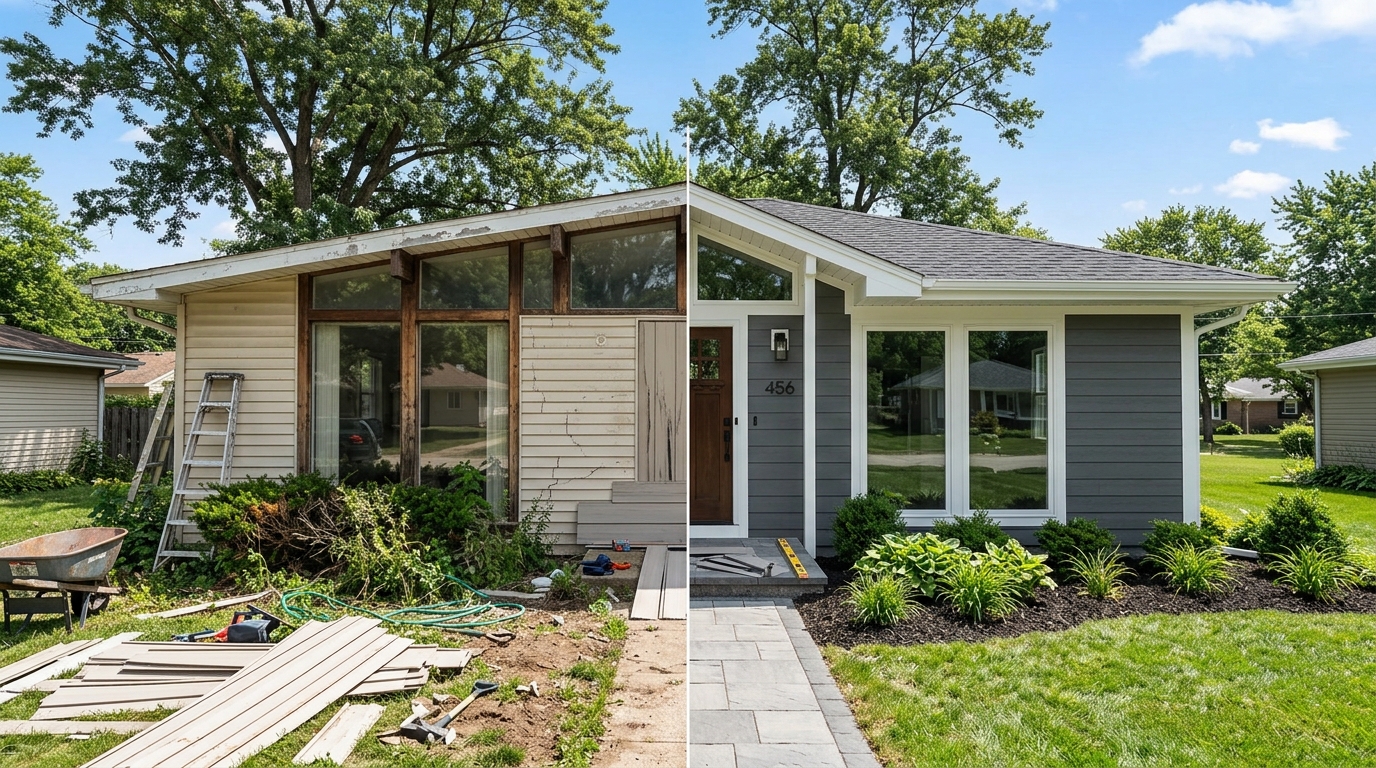
A home makeover can completely change how a property looks and feels, but improvement does not have to mean removing everything and starting again. In many homes, the biggest difference comes from correcting a few weak areas: improving the layout, refreshing surfaces, introducing better lighting, reducing clutter, and making existing rooms easier to use.
The challenge is deciding where to spend money and where simple changes will be enough. Without a clear plan, homeowners can easily purchase unnecessary furniture, follow short-lived trends, or begin several unfinished projects at once. A more thoughtful approach focuses on priorities, functionality, and improvements that will remain useful long after the makeover is complete.
- Begin With an Honest Assessment of Your Home
- Define What the Makeover Should Achieve
- Collect Inspiration Before Spending Money
- Create a Realistic Budget
- Prioritize Repairs Before Cosmetic Work
- Work on One Room at a Time
- Measure Everything Carefully
- Plan the Furniture Layout First
- Improve Traffic Flow
- Decide What Can Be Reused
- Document the Project as You Go
- Refresh Walls Strategically
- Do Not Assume Every Wall Needs a Statement
- Upgrade Lighting in Layers
- Make Better Use of Daylight
- Improve Storage Before Buying Decorative Items
- Use Vertical Storage in Smaller Rooms
- Refresh the Kitchen Without Replacing Everything
- Make the Bathroom Easier to Maintain
- Think in Terms of a Design Draft
- Test Materials Before Committing
- Mix Old and New Pieces
- Avoid Matching Every Piece
- Use Textiles for Affordable Changes
- Choose the Correct Rug Size
- Use Artwork to Add Personality
- Keep Decorative Accessories Under Control
- Bring Natural Elements Indoors
- Consider Durability Alongside Appearance
- Think About Cleaning Before Choosing Finishes
- Use Trends Through Reversible Changes
- Know When DIY Is Appropriate
- Do Not Underestimate Preparation
- Leave Flexibility in the Budget
- Review the Room Before Calling It Finished
- Let the Home Evolve Gradually
- Focus on Improvements You Will Actually Notice
Begin With an Honest Assessment of Your Home
Walk through the property before making a shopping list. Identify what genuinely bothers you about each room and separate functional problems from purely decorative preferences.
A dark room, inadequate storage, damaged flooring, poor furniture placement, or an inconvenient layout deserves a different solution from a room that simply feels visually outdated.
Define What the Makeover Should Achieve
Every project should have a reason. Perhaps the living room needs to accommodate more people, the bedroom needs better storage, or the kitchen needs to become easier to organize.
Clear objectives make it easier to evaluate potential purchases. If an item does not help achieve the objective, it may not deserve a place in the budget.
Collect Inspiration Before Spending Money
Looking at different interiors can help homeowners identify recurring preferences in colors, furniture, materials, and layouts.
During this research, people may encounter home and lifestyle resources such as Hello Talja. Inspiration is most useful when it helps clarify personal preferences rather than encouraging homeowners to reproduce another interior exactly.
Create a Realistic Budget
Decide how much the complete makeover can cost before choosing individual products. Include materials, furniture, delivery, labor, tools, disposal, and a reasonable allowance for unexpected expenses.
A total project budget provides a better picture than evaluating every purchase independently.
Prioritize Repairs Before Cosmetic Work
Fresh paint will not solve a moisture problem, and new flooring should not be installed over an unresolved structural or subfloor issue.
Address necessary maintenance and repairs before spending heavily on decorative improvements. This protects the money invested later.
Work on One Room at a Time
Starting projects throughout the entire house can leave every room feeling unfinished.
Completing one area before moving to another provides visible progress and makes the budget easier to control.
Measure Everything Carefully
Furniture, rugs, curtains, shelving, and storage products can appear very different in photographs than they do inside a room.
Record important room dimensions and measure available spaces before ordering anything large or difficult to return.
Plan the Furniture Layout First
Furniture placement influences movement, conversation, lighting, and the overall sense of space.
Experiment with the existing furniture before buying replacements. Sometimes changing the arrangement solves the problem without requiring additional spending.
Improve Traffic Flow
People should be able to move between important areas without squeezing around furniture or taking unnecessarily complicated routes.
Removing one oversized piece can sometimes make a room more functional than adding several new ones.
Decide What Can Be Reused
A makeover does not require every existing item to disappear. Tables, cabinets, chairs, shelving, and decorative pieces may work perfectly well after cleaning, refinishing, repositioning, or minor repairs.
Reusing appropriate items keeps costs under control and can give the finished interior more personality.
Document the Project as You Go
Photographs can be useful for comparing layouts, recording measurements, remembering paint colors, and evaluating progress.
Homeowners interested in visual and media-oriented inspiration may encounter resources such as Raw Replay Media. Whether photographs are shared or kept privately, documenting before-and-after stages can make it easier to understand which changes actually had the greatest impact.
Refresh Walls Strategically
Paint can transform a room at a relatively modest cost compared with structural changes. It can make a space feel brighter, warmer, calmer, or more dramatic.
Test colors under the room’s actual daylight and artificial lighting before painting the entire area.
Do Not Assume Every Wall Needs a Statement
Feature walls, bold wallpaper, paneling, and decorative finishes can add character, but using too many competing treatments may make the home feel visually busy.
Choose focal areas selectively and allow simpler surfaces to provide balance.
Upgrade Lighting in Layers
A single ceiling fixture rarely provides ideal lighting for every activity. Consider combining general illumination with task and accent lighting.
Table lamps, floor lamps, pendants, and other fixtures can change the atmosphere without requiring a complete renovation.
Make Better Use of Daylight
Heavy window treatments or poorly positioned furniture can make a naturally bright room feel darker.
Where privacy and heat control allow, arrange the room so daylight can travel further into the space.
Improve Storage Before Buying Decorative Items
Clutter can make an attractive room appear unfinished. Before purchasing more accessories, determine whether everyday possessions have suitable storage.
Closed cabinets, baskets, shelving, drawers, and multifunctional furniture can help create a cleaner foundation for decorating.
Use Vertical Storage in Smaller Rooms
When floor space is limited, walls become valuable. Tall shelving, hooks, and wall-mounted storage can increase capacity without occupying large areas of the floor.
Any mounted storage should be installed appropriately for the wall construction and expected load.
Refresh the Kitchen Without Replacing Everything
A complete kitchen renovation can be expensive, but not every outdated kitchen requires one.
Depending on condition, improvements to lighting, hardware, organization, paint, storage, or selected surfaces may provide enough of a refresh.
Make the Bathroom Easier to Maintain
Bathrooms benefit from good ventilation, practical storage, suitable finishes, and surfaces that are relatively easy to clean.
Before focusing on decoration, check for leaks, damaged sealant, deteriorated grout, or other maintenance concerns.
Think in Terms of a Design Draft
Major decisions do not need to be finalized immediately. Treat the first plan as a draft that can be adjusted after measurements, samples, costs, and practical limitations become clearer.
People exploring creative ideas may encounter resources such as Rough Draft. The same concept applies effectively to home improvement: developing and refining an initial idea before committing to expensive permanent work can prevent avoidable mistakes.
Test Materials Before Committing
Paint, flooring, countertop materials, fabrics, and finishes can look different under actual household lighting.
Samples provide an opportunity to see how colors and textures interact with existing furniture and architectural elements.
Mix Old and New Pieces
An interior does not need to contain only newly purchased furniture. Existing, secondhand, inherited, and new pieces can work together when their proportions and visual characteristics are considered carefully.
This approach can create a more individual home while reducing unnecessary spending.
Avoid Matching Every Piece
Buying an entire matching furniture collection can make decision-making easier, but it can also make the room feel less personal.
Look for relationships between materials, shapes, colors, or proportions rather than exact duplication.
Use Textiles for Affordable Changes
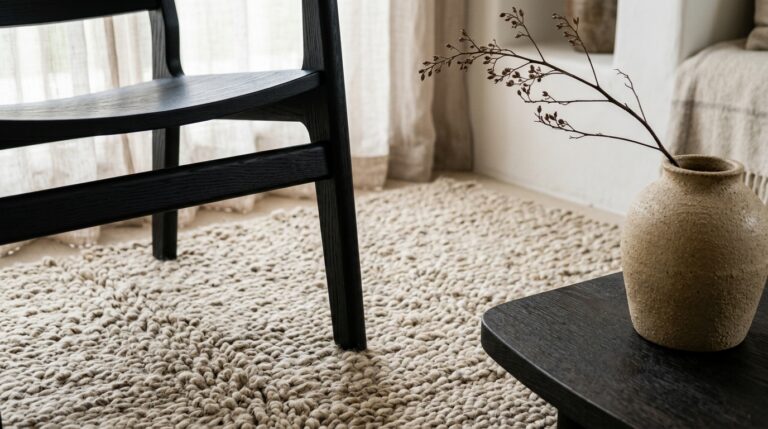
Rugs, curtains, cushions, bedding, and throws can introduce color and texture without changing permanent surfaces.
Textiles are particularly useful for experimenting with trends because they can usually be updated more easily later.
Choose the Correct Rug Size
A rug should relate visually to the furniture around it. One that is too small may make the seating arrangement appear fragmented.
Measure the area and consider furniture placement before choosing a rug based purely on pattern or color.
Use Artwork to Add Personality
Artwork, photographs, prints, and personal objects can make a renovated room feel like a home rather than a showroom.
Choose pieces because they have visual or personal value, not simply because they perfectly match the furniture.
Keep Decorative Accessories Under Control
Every shelf and tabletop does not need to be filled. Too many decorative objects can create visual clutter and increase cleaning work.
A smaller number of carefully selected items often has greater impact.
Bring Natural Elements Indoors
Plants, wood, stone, woven materials, and other natural textures can soften interiors and add variety.
If using live plants, choose varieties appropriate for the actual light and maintenance conditions available.
Consider Durability Alongside Appearance
Materials in busy households need to withstand everyday use. Flooring, upholstery, countertops, and furniture should be chosen according to realistic conditions.
Homes with pets, children, or frequent visitors may benefit from finishes that prioritize durability and easy maintenance.
Think About Cleaning Before Choosing Finishes
Some highly detailed surfaces and delicate materials require considerably more maintenance than simpler alternatives.
Ask how a product needs to be cleaned and maintained before installing it throughout a large area.
Use Trends Through Reversible Changes
Trends can make interiors feel current, but they can also change quickly.
Consider introducing fashionable colors or patterns through paint, accessories, lamps, and textiles rather than expensive permanent installations.
Know When DIY Is Appropriate
Painting, simple decorating, organization, and some minor installations may be suitable DIY projects for people with the necessary skills and tools.
Structural alterations, major electrical work, gas systems, and complex plumbing should be handled according to local regulations and may require qualified professionals.
Do Not Underestimate Preparation
Many home-improvement projects take longer to prepare than expected. Cleaning, measuring, protecting surfaces, removing old materials, and gathering tools are all part of the work.
Good preparation often has a major influence on the quality of the finished result.
Leave Flexibility in the Budget
Older homes in particular can reveal unexpected problems after work begins.
A financial buffer provides room to address genuine surprises without immediately sacrificing other important parts of the project.
Review the Room Before Calling It Finished
After the main work is complete, live with the room for a little while before purchasing more accessories or furniture.
You may discover that the supposedly empty corner does not need anything or that an existing item can fill the space perfectly.
Let the Home Evolve Gradually
A successful home does not need to look completely finished at all times. Personal interiors often develop through years of practical changes, meaningful purchases, and adjustments to changing needs.
Allowing this process to happen gradually can produce better results than trying to create an entire home in one shopping trip.
Focus on Improvements You Will Actually Notice
The best home makeover is not necessarily the one with the largest budget. A carefully arranged living room, better kitchen storage, improved lighting, freshly painted walls, or a more organized entryway can have a greater effect on everyday life than an expensive feature that is rarely used.
By starting with real problems, establishing a budget, reusing suitable items, planning layouts carefully, testing design choices, and completing projects in a sensible order, homeowners can transform their spaces without making the process unnecessarily expensive or complicated. A good makeover should not simply make a home look different—it should make living there noticeably better.