
A vacation should provide a break from ordinary routines, yet travel itself can easily become another source of pressure. Early departures, complicated transportation, long attraction lists, constant reservations, and unrealistic daily schedules can leave travelers needing another vacation after returning home.
Relaxed travel does not mean spending the entire trip doing nothing. It means using available time deliberately. With sensible preparation, travelers can experience important attractions, explore interesting neighborhoods, enjoy local food, and still have enough space to rest. The key is to reduce unnecessary rushing rather than reducing meaningful experiences.
- Decide What a Relaxing Trip Means to You
- Research Widely Before Narrowing Your Choices
- Choose a Manageable Number of Destinations
- Consider Travel Time When Choosing Your Route
- Select Accommodation With Convenience in Mind
- Use Different Perspectives to Improve Your Research
- Identify Three Levels of Priorities
- Avoid Planning Every Hour
- Group Activities by Neighborhood
- Explore Broader Context Without Overloading Yourself
- Start Some Days Slowly
- Reserve Only What Needs a Reservation
- Plan Meals Near Your Activities
- Include Real Breaks
- Use Public Transportation Strategically
- Leave One Flexible Period Every Day
- Keep Weather-Dependent Activities Movable
- Do Not Spend Too Much Time Searching for the Perfect Choice
- Prepare Important Information Before Departure
- Check Critical Details Again Close to the Trip
- Allow Yourself to Skip an Optional Attraction
- Protect Time for Spontaneous Discoveries
- Remember That Rest Can Be Part of the Destination
- Measure the Trip by Enjoyment Rather Than Efficiency
- Create Structure Without Creating Pressure
Decide What a Relaxing Trip Means to You
Relaxation looks different for every traveler. Some people want beaches and quiet mornings, while others relax by exploring museums, walking through historic neighborhoods, enjoying long meals, or spending time outdoors.
Before building an itinerary, identify the type of experience you actually want. This prevents the schedule from being shaped entirely by generic recommendations.
Research Widely Before Narrowing Your Choices
Early travel research can be broad. Reading about culture, communities, lifestyle, events, and regional topics may reveal destinations or experiences that would not appear in a standard attraction list.
During this broader research process, readers may encounter general-interest resources such as Lorano Carter. General online content can provide inspiration and additional subjects to investigate, while practical information affecting bookings, transportation, official requirements, or other important decisions should be verified through suitable current sources.
Choose a Manageable Number of Destinations
Adding more cities does not automatically create a better vacation. Every additional destination introduces packing, transportation, check-in procedures, navigation, and adjustment to another unfamiliar place.
Spending longer in fewer destinations often provides more usable vacation time because fewer hours disappear into transfers.
Consider Travel Time When Choosing Your Route
A destination may look close on a map but still require several hours of transportation. Connections, station transfers, airport procedures, and waiting times can make short geographic distances surprisingly time-consuming.
Evaluate routes according to realistic door-to-door travel time rather than distance alone.
Select Accommodation With Convenience in Mind
Accommodation location can strongly influence how relaxing a trip feels. A hotel that requires lengthy transportation every morning and evening can make otherwise simple sightseeing exhausting.
Compare accommodation with the attractions, neighborhoods, restaurants, and transportation hubs you expect to use most frequently.
Use Different Perspectives to Improve Your Research
Destination research becomes more useful when travelers do not rely on a single type of source. Tourism guides can explain major attractions, while broader online content may introduce cultural themes, communities, or perspectives worth investigating further.
During general browsing, readers may come across resources such as Malia Manocherian. Broader reading can generate ideas, but travelers should independently confirm destination-specific facts before allowing them to affect reservations or significant itinerary decisions.
Identify Three Levels of Priorities
Instead of treating every attraction equally, divide your ideas into three categories: essential, desirable, and optional.
Essential activities receive protected time. Desirable activities can be added when convenient, while optional places remain available if additional time and energy appear.
Avoid Planning Every Hour
An itinerary that looks efficient on paper can become stressful in reality. Travelers need time to walk between places, find entrances, wait for transportation, eat, rest, and simply understand their surroundings.
Leave buffers between major activities rather than expecting one experience to begin immediately after another ends.
Group Activities by Neighborhood
Geographic planning is one of the easiest ways to save valuable travel time. Several attractions within the same district can usually be combined more comfortably than equally interesting places located on opposite sides of a city.
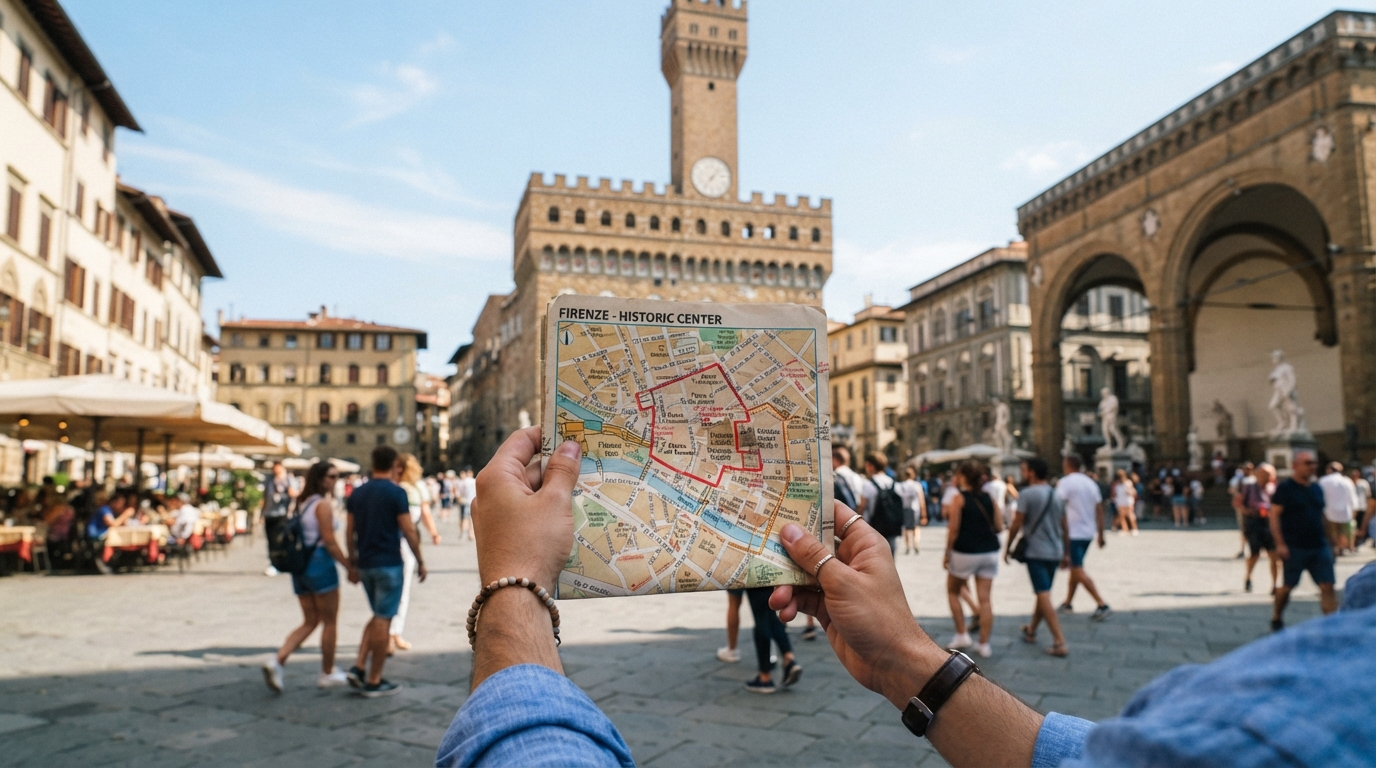
Use a map to organize saved locations and create loose neighborhood-based days.
Explore Broader Context Without Overloading Yourself
Learning about a destination before arrival can make sightseeing more meaningful. History, architecture, cultural developments, creative work, and regional stories can provide context for what travelers eventually see in person.
During wider online reading, travelers may encounter general resources such as Matthew Bourne. If broader content introduces something relevant to a planned journey, additional destination-specific research can help determine whether it belongs in the itinerary.
Start Some Days Slowly
Not every sightseeing day needs to begin at sunrise. Unless an attraction requires an early arrival, a slower morning can make the rest of the day considerably more enjoyable.
Breakfast, a short walk, or time at a café can become part of the experience rather than something travelers rush through before sightseeing begins.
Reserve Only What Needs a Reservation
Advance bookings are valuable when attractions have limited capacity or when an experience is particularly important. However, reserving too many activities creates a schedule that is difficult to change.
Keep casual museums, neighborhoods, shopping, parks, and similar activities flexible whenever circumstances allow.
Plan Meals Near Your Activities
Travelers can waste significant time crossing a city simply because a famous restaurant was added to the itinerary without considering its location.
Save several food options around each sightseeing area. This creates choice without requiring unnecessary transportation.
Include Real Breaks
Sitting for twenty or thirty minutes can dramatically improve a long sightseeing day. Parks, cafés, public squares, waterfronts, and quiet indoor spaces can all provide useful breaks.
Rest should be considered part of good itinerary design rather than evidence that valuable vacation time is being wasted.
Use Public Transportation Strategically
Walking is excellent for discovering a destination, but trying to walk everywhere can create unnecessary fatigue. Public transportation can preserve energy for the places travelers actually want to explore.
Learn the basic ticketing system and major routes before arrival so that everyday journeys require less decision-making.
Leave One Flexible Period Every Day
A free morning, afternoon, or evening gives the itinerary room to adapt. Travelers can use that period for a recommendation, unexpected attraction, longer meal, shopping, rest, or additional neighborhood exploration.
If nothing unexpected appears, the time can simply be used to enjoy the destination more slowly.
Keep Weather-Dependent Activities Movable
Beaches, viewpoints, parks, walking tours, hiking, and other outdoor experiences are more enjoyable under suitable conditions.
Where reservations are unnecessary, avoid permanently assigning every outdoor activity to one specific day. Keep indoor alternatives available so the itinerary can respond to changing weather.
Do Not Spend Too Much Time Searching for the Perfect Choice
Travelers can compare hotels, restaurants, tours, and attractions almost indefinitely. Eventually, additional research provides very little improvement while consuming considerable time.
Once an option satisfies your important requirements, make the decision and move to the next part of planning.
Prepare Important Information Before Departure
Keep accommodation addresses, transportation confirmations, reservations, tickets, and other essential details organized. Download anything that may be needed without an internet connection.
This preparation reduces the amount of administrative work travelers need to handle during the vacation itself.
Check Critical Details Again Close to the Trip
Information can change between the day an itinerary is created and the day an attraction is visited. Opening hours, transportation schedules, reservation policies, and temporary closures may be different.
Recheck important time-sensitive information shortly before it becomes relevant rather than relying entirely on early research.
Allow Yourself to Skip an Optional Attraction
Travelers sometimes continue sightseeing simply because an attraction appears on the itinerary. If you are tired, enjoying your current location, or no longer interested in the next activity, changing the plan may improve the day.
An optional attraction should remain genuinely optional.
Protect Time for Spontaneous Discoveries
Some travel experiences cannot be researched in advance. An interesting street, temporary market, local recommendation, beautiful viewpoint, or unexpected event may only become visible after arrival.
An itinerary with open space gives travelers the ability to follow these discoveries.
Remember That Rest Can Be Part of the Destination
Spending an hour in a local park, sitting beside a waterfront, having a long lunch, or returning to the hotel for an afternoon break does not mean the vacation is being wasted.
These slower periods can become meaningful memories while also providing the energy required for later activities.
Measure the Trip by Enjoyment Rather Than Efficiency
Efficiency is useful when it reduces unnecessary transportation or waiting, but it should not become the primary measure of a vacation. A perfectly optimized itinerary can still be unpleasant if travelers spend the entire journey watching the clock.
Ask whether the schedule provides enough time to actually experience each place rather than simply reaching it.
Create Structure Without Creating Pressure
A relaxing vacation does not require abandoning travel planning. In many cases, preparation creates more freedom because transportation, accommodation, major reservations, and important logistics have already been handled.
By choosing sensible destinations, prioritizing meaningful activities, organizing sightseeing geographically, keeping flexible periods, and accepting that not everything needs to be seen, travelers can use their vacation time efficiently without turning the journey into a race. The best itinerary is not necessarily the one that fits the most into each day. It is the one that gives you enough structure to explore confidently and enough freedom to enjoy being there.