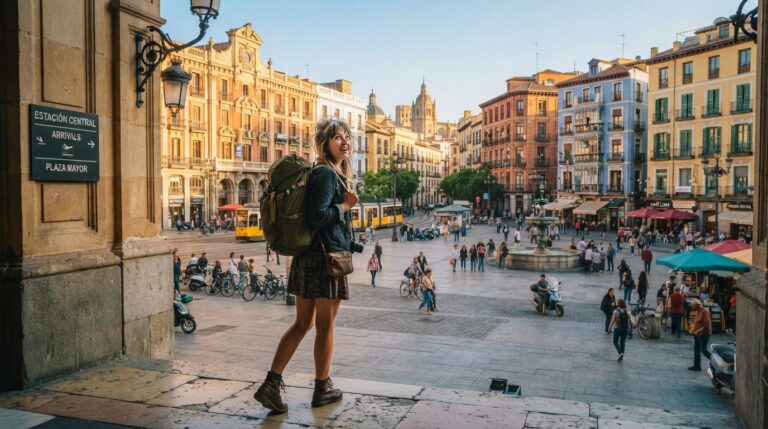

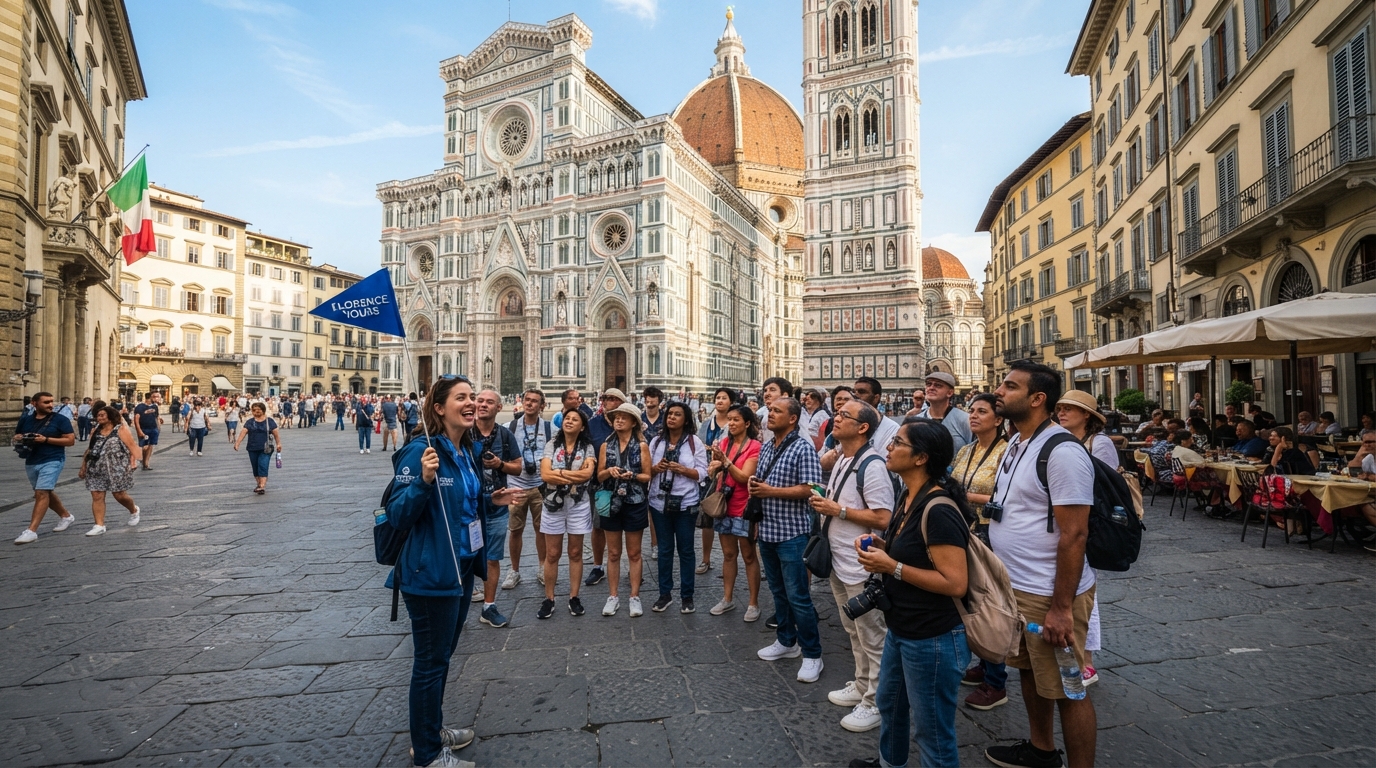
Famous landmarks are often an important reason for choosing a destination, but memorable travel experiences rarely come from major attractions alone. A neighborhood café, local market, quiet street, community event, or unexpected conversation can reveal a side of a place that conventional sightseeing does not always capture.
Finding these experiences does not require abandoning travel planning. Instead, travelers can combine traditional research with broader reading, neighborhood exploration, local recommendations, and enough flexibility to follow interesting discoveries after arrival. The result can be a journey that includes famous sights while still feeling personal and connected to the destination.
- Learn About the Destination Before Creating a Schedule
- Look Beyond Traditional Travel Guides
- Research Neighborhoods Instead of Only Attractions
- Walk When the Destination Allows It
- Visit Local Markets
- Use Culture and Media as Travel Inspiration
- Ask Local People for Simple Recommendations
- Use Public Transportation When Practical
- Leave Open Time in the Itinerary
- Explore Regional and Local Perspectives
- Eat Beyond the Most Famous Tourist Areas
- Try Regional Specialties
- Attend Events Happening During Your Visit
- Spend Time in Public Spaces
- Visit Smaller Museums and Cultural Spaces
- Be Respectful in Residential Areas
- Do Not Chase the Idea of a Perfect Hidden Gem
- Keep Important Logistics Organized
- Verify Time-Sensitive Information
- Take Time to Observe Instead of Constantly Searching
- Combine Famous Attractions With Everyday Experiences
Learn About the Destination Before Creating a Schedule
Begin with an overview rather than a detailed itinerary. Understand the destination’s geography, main neighborhoods, transportation network, climate, and cultural characteristics.
This foundation makes it easier to explore confidently once you arrive and helps distinguish areas designed primarily for visitors from neighborhoods where everyday local life is more visible.
Look Beyond Traditional Travel Guides
Travel guides are excellent for discovering major attractions, but broader online reading can introduce different perspectives. General publications may discuss communities, events, culture, food, entertainment, or regional developments that encourage travelers to investigate a place more deeply.
During this wider research, readers may encounter resources such as Reck News. General-interest information can provide ideas and context, while practical travel details should be verified through appropriate current sources before they influence important arrangements.
Research Neighborhoods Instead of Only Attractions
Searching exclusively for landmarks can create an incomplete picture of a destination. Spend some research time learning about neighborhoods as well.
Different districts may be known for historic architecture, restaurants, markets, nightlife, art, shopping, parks, or residential character. Choosing a few areas that match your interests can produce a more varied trip.
Walk When the Destination Allows It
Walking can reveal details that travelers miss when moving directly between attractions by vehicle. Small businesses, architecture, public spaces, street art, cafés, and everyday neighborhood activity become easier to notice.
Choose appropriate areas for walking and remain aware of local conditions, distances, weather, and transportation alternatives.
Visit Local Markets
Markets can provide a useful introduction to local food, products, routines, and social life. Depending on the destination, travelers may find produce markets, craft markets, flea markets, food halls, or temporary weekend events.
Research operating days beforehand because some markets take place only once or twice each week.
Use Culture and Media as Travel Inspiration
Magazines, cultural publications, films, music, photography, and other media can introduce destinations from perspectives that differ from conventional tourism content. They may encourage travelers to learn about architecture, creative communities, food, or regional identity.
During broader browsing, readers may encounter general media resources such as Nova Mag. Content discovered through general publications can inspire further destination research, while details involving schedules, prices, reservations, or official requirements should be checked independently.
Ask Local People for Simple Recommendations
Recommendations do not always need to involve hidden attractions. Hotel staff, guides, café employees, shopkeepers, and other local contacts may suggest restaurants, parks, streets, or nearby areas worth exploring.
Simple questions about where people like to eat or spend time can sometimes produce more useful suggestions than asking for the most famous attraction.
Use Public Transportation When Practical
Local transportation can provide another perspective on how a destination functions. Buses, trains, trams, and ferries often pass through areas travelers would otherwise never see.
Learn the basic ticketing system before using unfamiliar transportation, and rely on current operator information for schedules and service changes.
Leave Open Time in the Itinerary
Spontaneous exploration becomes impossible when every hour has already been assigned to a reservation. Keep some periods deliberately open.
These gaps can be used to revisit an interesting neighborhood, follow a local recommendation, spend longer at a market, or simply rest when needed.
Explore Regional and Local Perspectives
Local and regional publications can sometimes provide context that broad tourism guides overlook. Stories about communities, public spaces, food, events, and cultural developments can help travelers identify subjects worth exploring further.
Readers conducting wider online research may encounter publications such as PDX Magazine. Broader perspectives can add depth to destination research, but travelers should verify practical information with the relevant organization before making significant plans around it.
Eat Beyond the Most Famous Tourist Areas
Restaurants immediately surrounding major landmarks can be convenient, but they represent only one part of a destination’s food scene.
Research restaurants in neighborhoods you already plan to explore. Recent reviews and local recommendations can help identify places that match your budget and preferences.
Try Regional Specialties
Food can reveal history, geography, agriculture, migration, and cultural influences. Before traveling, identify a few dishes or ingredients associated with the destination.
This provides something specific to look for without requiring every meal to be planned in advance.
Attend Events Happening During Your Visit
Temporary events can create experiences that no permanent attraction can reproduce. Festivals, exhibitions, markets, performances, and sporting events may offer additional ways to experience local culture.
Check event calendars near your travel dates because schedules can change and some activities may require advance tickets.
Spend Time in Public Spaces
Parks, squares, waterfronts, promenades, and pedestrian streets can provide opportunities to observe everyday activity without following a formal sightseeing schedule.
These places can also provide useful breaks between more structured attractions.
Visit Smaller Museums and Cultural Spaces
Major museums deserve their reputation, but smaller institutions can offer focused perspectives on local history, art, industry, communities, or traditions.
Including one or two less obvious cultural attractions can make an itinerary more varied without requiring travelers to avoid famous landmarks.
Be Respectful in Residential Areas
Exploring beyond tourist districts does not mean treating residential neighborhoods as attractions. People live and work in these areas, and visitors should respect privacy, noise expectations, local rules, and private property.
Authentic travel should involve curiosity combined with consideration for the community being visited.
Do Not Chase the Idea of a Perfect Hidden Gem
Travel content often emphasizes places described as secret or undiscovered, but genuinely worthwhile experiences do not need to be unknown.
A popular neighborhood café, public park, or traditional market can still provide a meaningful experience. Focus on whether a place interests you rather than whether other tourists know about it.
Keep Important Logistics Organized
Flexible exploration works best when essential arrangements are already under control. Keep accommodation details, transportation bookings, important tickets, and emergency information easily accessible.
Saving essential information offline can also help when mobile connectivity becomes unreliable.
Verify Time-Sensitive Information
Older articles and recommendations may mention businesses or attractions that have changed their schedules, prices, reservation systems, or operations.
Before making a special journey to a recommended place, check current information directly whenever possible.
Take Time to Observe Instead of Constantly Searching
Once travelers arrive, the destination itself becomes an important source of information. Signs, busy restaurants, neighborhood activity, public spaces, and conversations can reveal possibilities that online research never identified.
Constantly searching a phone for the next recommendation can make these details easier to miss.
Combine Famous Attractions With Everyday Experiences
There is no need to choose between traditional sightseeing and more local exploration. A balanced itinerary can include major landmarks alongside markets, neighborhoods, parks, independent restaurants, and spontaneous discoveries.
By researching broadly, remaining curious, respecting local communities, verifying important information, and leaving enough unscheduled time, travelers can experience a destination from several perspectives. The goal is not to prove that you traveled differently from everyone else. It is to return home with a richer understanding of the place you chose to visit.