
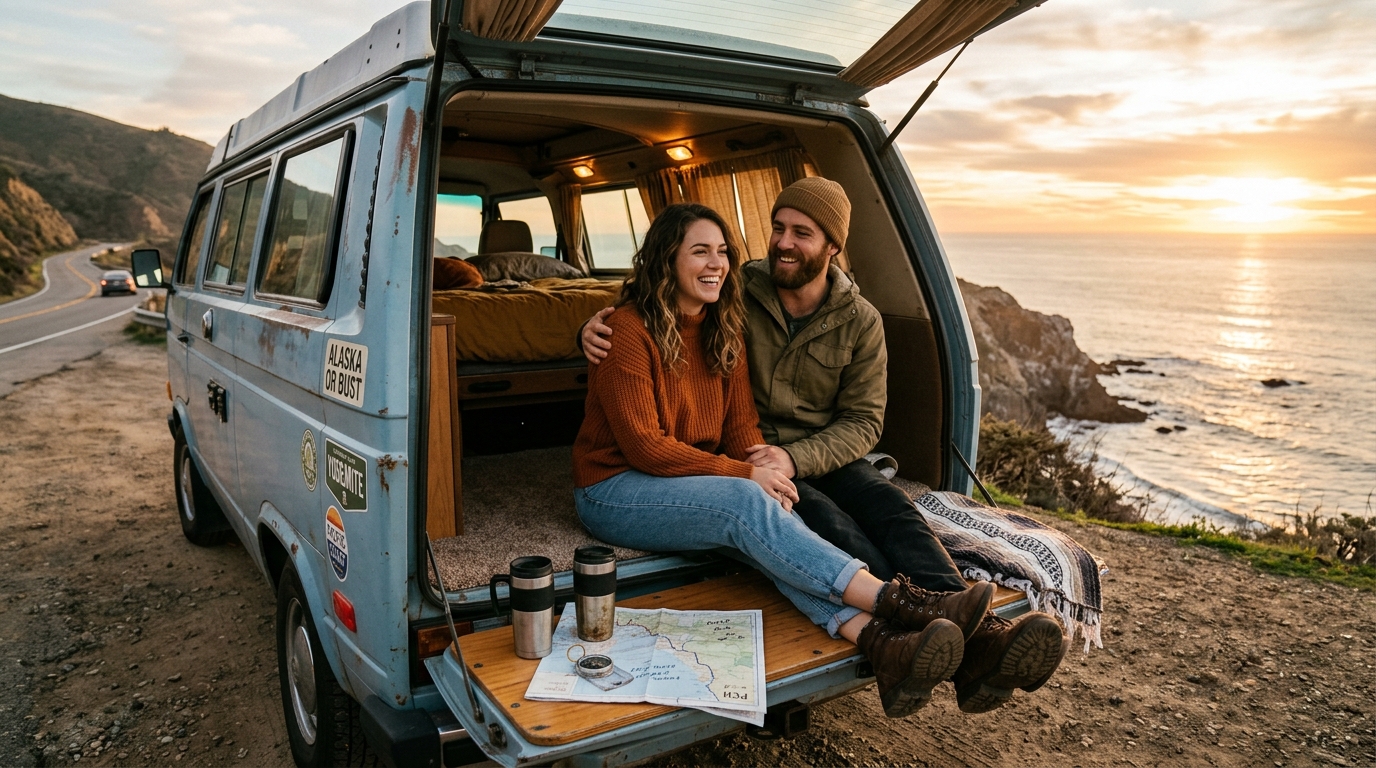
Many travelers want more from a trip than simply visiting famous landmarks and taking photographs. While major attractions are often worth seeing, some of the most memorable experiences come from exploring neighborhoods, trying local food, learning about regional history, and spending time in places that reveal how people actually live.
Finding these experiences does not require avoiding popular destinations completely. A better approach is to combine well-known attractions with smaller discoveries that provide greater context and variety. With thoughtful research and a little flexibility, travelers can create a trip that feels more personal and less like a checklist.
- Learn About the History of the Destination
- Explore Beyond the Main Tourist District
- Walk Whenever It Is Practical
- Research Local Ideas From Different Sources
- Visit Local Markets
- Try Regional Food Instead of Only Familiar Options
- Use Public Transportation
- Talk to Local People Respectfully
- Read Local and General Blogs for Inspiration
- Attend Local Events
- Choose Smaller Tours When Appropriate
- Avoid Trying to See Everything
- Spend Time in Public Spaces
- Learn Basic Local Phrases
- Respect Cultural Differences
- Keep Your Plans Flexible
- Focus on the Experience Rather Than the Photograph
- Travel With Curiosity
Learn About the History of the Destination
Understanding a destination’s history can completely change the way travelers experience it. A building that appears ordinary may have played an important role in the development of a city, while a neighborhood may reflect generations of cultural change.
Before traveling, read about major historical periods, local traditions, and important events connected with the destination. General-interest publications and regional resources can provide additional perspectives. For example, travelers browsing historical and cultural topics may encounter resources such as Colonial Sun while researching different places and stories.
Explore Beyond the Main Tourist District
Popular tourist areas are convenient because attractions, restaurants, and transportation are concentrated in one place. However, spending the entire trip within these zones can provide only a limited view of the destination.
If conditions are appropriate, explore nearby residential neighborhoods, local shopping streets, public parks, and smaller cultural areas. These places can provide a different atmosphere and may also offer food and services at prices that are less influenced by tourism.
Walk Whenever It Is Practical
Walking can reveal details that are easy to miss when traveling entirely by taxi, bus, or train. Architecture, street art, small shops, cafés, markets, and public spaces often become more noticeable at a slower pace.
Before setting out, check distances, weather conditions, local safety guidance, and whether pedestrian infrastructure is suitable. Comfortable footwear can make a significant difference during days involving extensive walking.
Research Local Ideas From Different Sources
Large travel websites are useful for basic planning, but smaller blogs and general-interest websites can sometimes highlight places that receive less attention. Comparing several sources can help travelers discover unusual attractions, neighborhoods, restaurants, or activities.
People exploring online recommendations may encounter resources such as Gorilla Go To while browsing for ideas. Recommendations should be treated as inspiration, and important details such as opening hours, prices, and accessibility should be confirmed before making plans.
Visit Local Markets
Markets can provide an excellent introduction to the everyday food and products of a region. Depending on the destination, visitors may find produce, spices, prepared meals, handmade goods, clothing, flowers, or household items.
Markets can also provide opportunities to try foods in smaller portions without committing to a full restaurant meal. Visitors should still respect local customs, particularly when photographing vendors or handling products.
Try Regional Food Instead of Only Familiar Options
Food is one of the easiest ways to experience local culture. Traditional dishes often reflect regional ingredients, climate, history, trade, and family traditions.
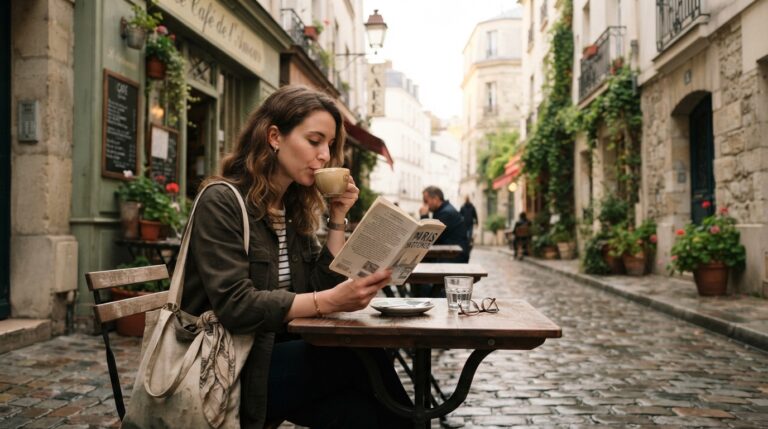
Rather than eating only at restaurants near major attractions, look for places that are popular with local residents. Bakeries, cafés, food halls, street vendors, and neighborhood restaurants can all provide interesting alternatives.
Use Public Transportation
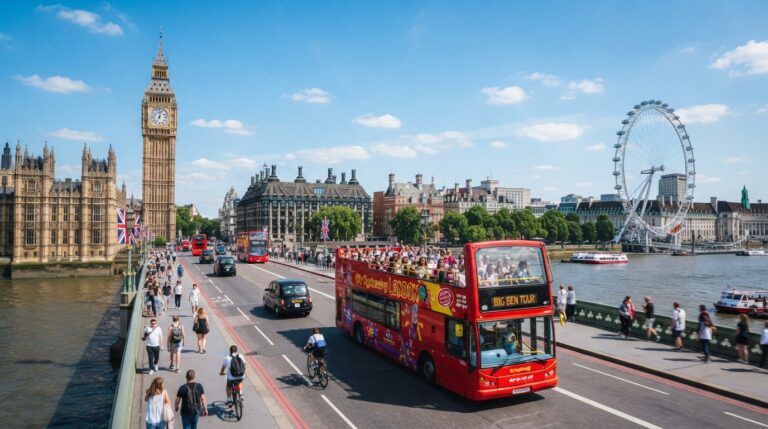
Public transportation can provide both practical savings and a different perspective on a destination. Buses, trains, trams, ferries, and metro systems can connect visitors with neighborhoods they might not otherwise explore.
Research ticket systems before boarding because payment methods vary. Some cities offer day passes or visitor cards that can reduce costs when several journeys are planned.
Talk to Local People Respectfully
Hotel employees, café staff, tour guides, shop owners, and other residents can sometimes provide recommendations that do not appear in travel guides. A simple question about a favorite restaurant or neighborhood can lead to interesting discoveries.
Travelers should remember that local people are not part of an attraction. Respect their time, privacy, and personal boundaries, and avoid expecting strangers to act as unpaid tour guides.
Read Local and General Blogs for Inspiration
Blogs can provide more personal perspectives than traditional destination guides. Writers may discuss everyday experiences, local culture, lifestyle, food, or places they find interesting.
Travelers browsing general-interest content may come across resources such as Sali Blog. Content from independent blogs can be valuable for inspiration, but practical travel information should still be checked against current and reliable sources.
Attend Local Events
Festivals, markets, concerts, exhibitions, sporting events, and community celebrations can provide an experience that is specific to the time of a visit.
Check official destination calendars before traveling and again after arrival. Some events require advance tickets, while others may affect transportation, accommodation prices, or access to particular areas.
Choose Smaller Tours When Appropriate
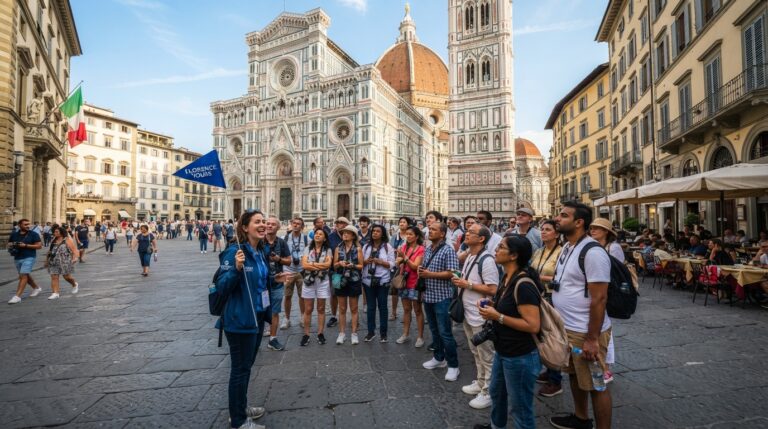
Guided tours can provide context that is difficult to obtain through independent sightseeing. Smaller walking, food, history, architecture, or nature tours may offer more opportunities to ask questions and explore a particular subject in depth.
Before booking, review the tour description carefully and verify meeting points, duration, physical requirements, and cancellation conditions.
Avoid Trying to See Everything
Trying to visit every major attraction can create a trip dominated by transportation, queues, and schedules. Choosing fewer experiences can provide enough time to appreciate them properly.
A slower itinerary also creates room for unexpected discoveries. An interesting neighborhood or café may be worth exploring even if it was not included in the original plan.
Spend Time in Public Spaces
Parks, waterfronts, plazas, promenades, and other public spaces can provide a glimpse of everyday life. They are also useful places to rest between attractions without necessarily spending money.
Observing how residents use these spaces can reveal something about the character of a city that is difficult to capture through formal attractions alone.
Learn Basic Local Phrases
Even when English is commonly understood, learning simple expressions in the local language can improve interactions. Greetings, thanks, numbers, and basic questions are particularly useful.
Translation applications can help with more complicated communication, but a small effort to use the local language can make everyday exchanges feel more natural and respectful.
Respect Cultural Differences
Authentic travel requires more than finding unusual places. It also involves behaving appropriately within the culture being visited.
Research expectations related to clothing, religious sites, photography, tipping, greetings, and public behavior. What feels normal at home may be interpreted differently elsewhere.
Keep Your Plans Flexible
Some of the best experiences cannot be scheduled months in advance. A recommendation from a local resident, an unexpected event, or an interesting place discovered while walking may deserve more time than originally planned.
Leaving gaps in the itinerary allows travelers to follow these opportunities without sacrificing important reservations.
Focus on the Experience Rather Than the Photograph
Photography is a valuable way to preserve memories, but constantly viewing a destination through a camera or phone can become distracting.
Take photographs of meaningful moments, then allow time to experience the location directly. The strongest travel memories are often connected with atmosphere, conversations, food, sounds, and unexpected discoveries rather than the number of photographs taken.
Travel With Curiosity
Authentic travel is less about finding places that no other tourist has visited and more about approaching a destination with genuine curiosity. Famous landmarks and local neighborhoods can both be valuable when travelers take time to understand what they are seeing.
By learning about history, exploring beyond tourist districts, trying regional food, reading different perspectives, using local transportation, and leaving room for spontaneous experiences, travelers can create journeys that feel richer and more connected to the places they visit.