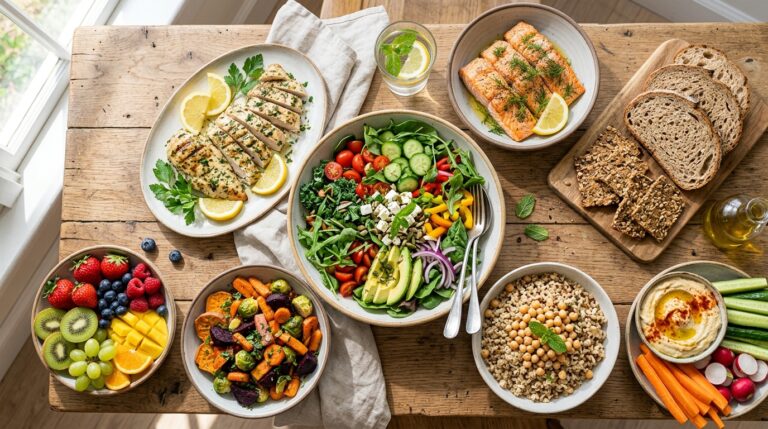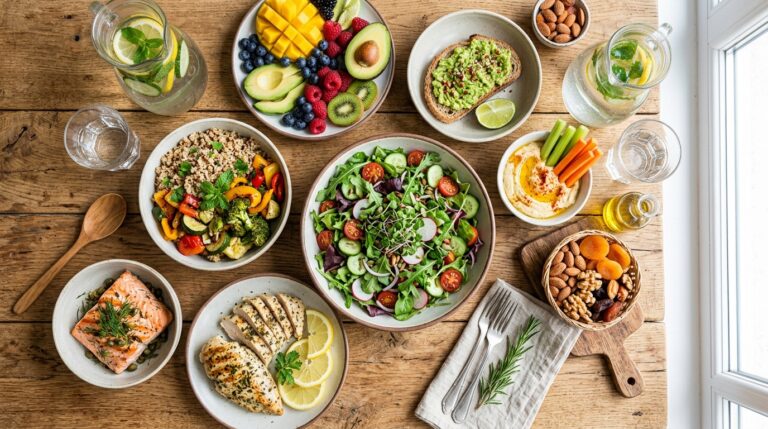

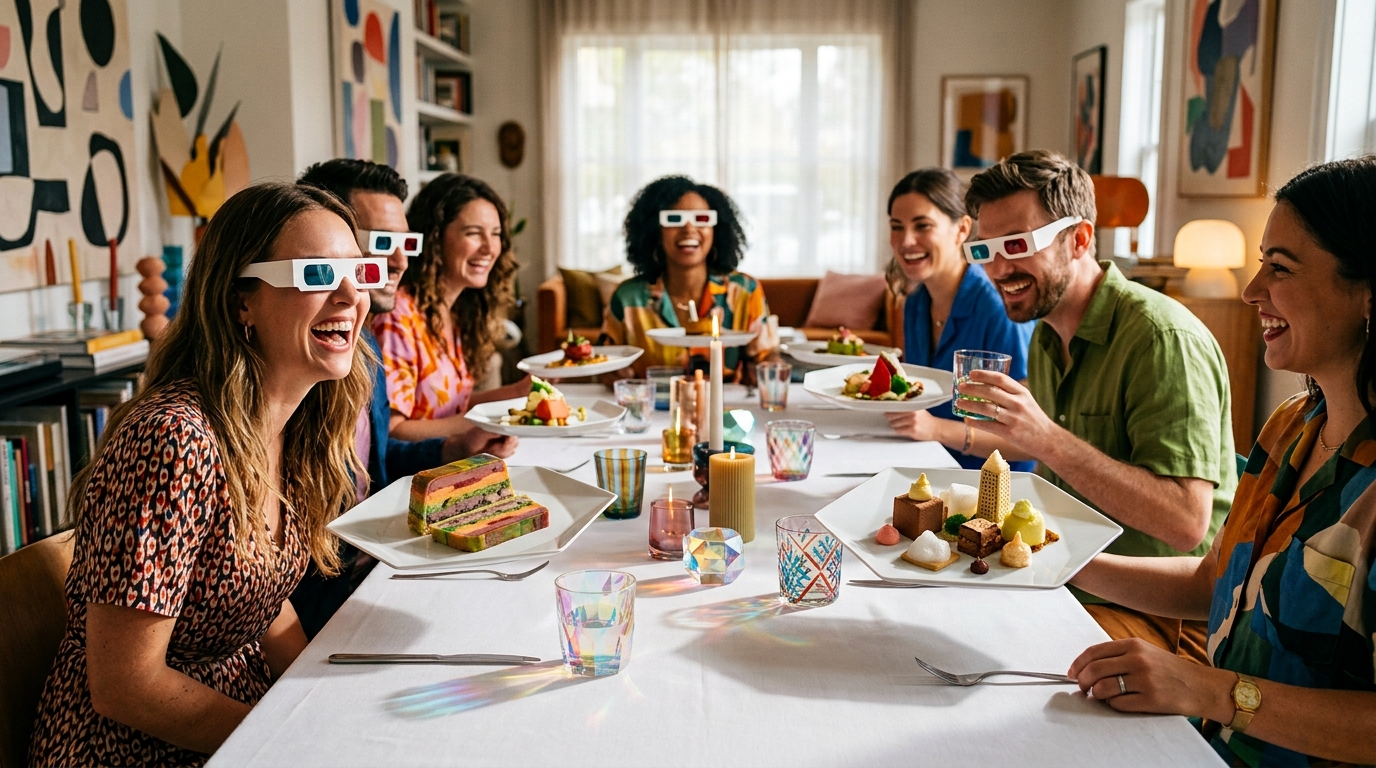
A successful social gathering does not necessarily require an elaborate menu or hours of complicated preparation. Whether you are hosting a small dinner, a casual weekend get-together, or a larger celebration, thoughtful planning can make the experience more enjoyable for both guests and hosts.
Food and drinks are often central to social occasions, but the best menus are usually those that fit the event rather than compete with it. Considering the number of guests, dietary preferences, preparation time, serving style, and budget can help create a gathering that feels organized without becoming unnecessarily stressful.
- Start With the Type of Gathering
- Create a Simple Food and Drink Plan
- Choose Foods That Can Be Prepared Ahead
- Offer a Variety of Flavors and Textures
- Think About How Guests Will Eat
- Take Inspiration From Different Food Styles
- Ask About Dietary Requirements
- Provide Plenty of Non-Alcoholic Drinks
- Calculate Quantities Realistically
- Keep Food Safety in Mind
- Prepare the Serving Area Before Guests Arrive
- Do Not Make Every Dish Complicated
- Make the Gathering About the People
Start With the Type of Gathering
The menu should reflect the occasion. A formal dinner may involve several courses and individual place settings, while a casual gathering might work better with shared dishes, snacks, or foods that guests can serve themselves.
Think about how long people are likely to stay and whether the event occurs around a normal mealtime. Guests arriving at dinner time will generally expect more substantial food than people attending a short afternoon gathering.
Create a Simple Food and Drink Plan
Before buying ingredients, decide on the basic structure of the menu. This might include several appetizers, one or two main dishes, side dishes, dessert, and a selection of drinks.
People looking for inspiration around food, beverages, and entertaining may encounter resources such as Team Vodka Martini during their research. When alcoholic drinks are included at an event, hosts should also provide appealing non-alcoholic alternatives and encourage responsible consumption by adults of legal drinking age.
Choose Foods That Can Be Prepared Ahead
One of the easiest ways to reduce hosting stress is to avoid a menu where every dish must be prepared immediately before serving. Look for foods that can be partially or completely prepared earlier.
Dips, certain salads, baked dishes, desserts, and cold appetizers can often be prepared ahead depending on the recipe. Even simple tasks such as chopping ingredients or organizing serving dishes in advance can make the final preparation much easier.
Offer a Variety of Flavors and Textures
A memorable menu does not require dozens of dishes. A smaller selection can still feel varied when it includes different flavors, temperatures, and textures.
For example, a menu might combine something crisp with something creamy, a fresh dish with a richer option, and mild foods alongside something more strongly seasoned. This provides variety without requiring an excessive number of recipes.
Think About How Guests Will Eat
The physical setup of the event should influence the food. If everyone will be seated at a dining table, dishes requiring knives and forks may be perfectly practical. If guests will be standing, moving around, and talking, foods that can be eaten easily may work better.
Finger foods, small portions, sandwiches, skewers, and other manageable dishes can make casual events more comfortable. Avoid foods that are unnecessarily difficult or messy to eat when guests do not have proper table space.
Take Inspiration From Different Food Styles
Exploring restaurants, food publications, and culinary websites can provide ideas for combinations that might not immediately come to mind. The goal does not need to be copying restaurant dishes exactly; even a particular ingredient combination or serving idea can inspire a simpler home version.
Readers exploring food and dining topics may come across The Leadbelly among their online resources. When adapting inspiration for a gathering, choose dishes that match your own cooking skills, equipment, and available preparation time.
Ask About Dietary Requirements
If possible, ask guests in advance whether they have important dietary restrictions or food allergies. This can prevent uncomfortable situations and make it easier to provide suitable choices.
Depending on the group, you may need vegetarian, vegan, gluten-free, or other options. Serious food allergies require particular care because cross-contact can occur even when the allergen is not intentionally included in a dish.
Provide Plenty of Non-Alcoholic Drinks
Water should be readily available throughout a gathering. Sparkling water, juices, soft drinks, tea, coffee, or alcohol-free mixed drinks can provide additional options.
Offering good non-alcoholic choices is useful for designated drivers, people who do not drink alcohol, guests taking certain medications, pregnant guests, and anyone who simply prefers something else.
Calculate Quantities Realistically
Estimating food quantities can be challenging. Too little food can create an obvious problem, while buying far too much increases both cost and waste.
Consider the number of guests, length of the gathering, time of day, and number of dishes being served. If several appetizers are available before a substantial main meal, individual portions of each appetizer can usually be smaller than they would be at an appetizer-only event.
Keep Food Safety in Mind
When food is served over several hours, safe handling becomes especially important. Perishable foods should not remain at unsafe temperatures for extended periods, and raw ingredients should be kept separate from ready-to-eat foods where necessary.
Cold foods may require refrigeration until shortly before serving, while hot foods may need to be maintained at appropriate temperatures. Leftovers should also be stored promptly and safely.
Prepare the Serving Area Before Guests Arrive
Serving dishes, glasses, utensils, napkins, and other essentials can be organized before the event begins. This reduces the number of small tasks competing for attention once guests arrive.
For self-service gatherings, arranging the food in a logical order can prevent congestion. Drinks can sometimes be placed in a separate area so guests looking for refreshments do not crowd the food table.
Do Not Make Every Dish Complicated
A common hosting mistake is choosing several ambitious recipes at once. Even experienced cooks can find this difficult when multiple dishes require attention simultaneously.
If one part of the menu is elaborate, keep other elements straightforward. A carefully prepared main course can be accompanied by simple sides, while an impressive dessert can follow an uncomplicated meal. Guests are more likely to appreciate food served comfortably than a complicated menu that leaves the host overwhelmed.
Make the Gathering About the People
Food and drinks help create the atmosphere, but they are ultimately supporting the social experience. A host who spends the entire gathering working in the kitchen may miss much of the occasion.
By choosing manageable recipes, preparing ahead, considering dietary needs, providing suitable drink choices, and organizing the serving area before guests arrive, hosts can create an enjoyable event without unnecessary complexity. Good planning allows the food to contribute to the gathering while leaving everyone—including the host—more time to enjoy the company.