
Introduction
Mojave National Preserve is a vast desert landscape in California known for its dunes, lava formations, Joshua trees, and quiet backroads. It is a great place for hiking, camping, stargazing, and scenic driving, but it also requires planning because of the heat, distance, and remote conditions.
- Overview of Mojave National Preserve
- Why Mojave National Preserve Is Special
- Location and Geography
- Key Geographic Features
- Climate and Weather in Mojave National Preserve
- Seasonal Weather Patterns
- Best Time to Visit
- Weather Travel Tip
- Landscape Features: What You Will See
- 1. Kelso Dunes
- 2. The Lava Tube
- 3. Joshua Tree Forests
- 4. Cinder Cones and Lava Fields
- 5. Canyons and Mesas
- 6. Dry Lake Beds and Basins
- Scenic Landscape Summary
- Flora: Plants of Mojave National Preserve
- Joshua Trees
- Cactus Gardens
- Wildflowers
- How Desert Plants Survive
- Plant Life Travel Tip
- Fauna: Animals of Mojave National Preserve
- Mammals
- Birds
- Reptiles
- Amphibians, Insects, and Arachnids
- The Desert Tortoise
- Wildlife Viewing Tips
- Wildlife Summary
- Human History and Cultural Background
- Indigenous History
- Exploration and Early Travel
- Mining and Railroads
- Ranching and Settlement
- Historic Places to Know
- Top Things to Do in Mojave National Preserve
- 1. Hike Kelso Dunes
- 2. Explore the Lava Tube
- 3. Visit Hole-in-the-Wall
- 4. Walk the Rings Trail
- 5. See Kelso Depot
- 6. Go Stargazing
- 7. Take Scenic Drives
- 8. Photograph the Landscape
- 9. Enjoy Quiet Camping
- 10. Learn Desert History
- Best Hiking Trails in Mojave National Preserve
- Rings Trail
- Kelso Dunes Trail
- Lava Tube Area
- Hole-in-the-Wall Trails
- Hiking Safety Tips
- Trail Difficulty Summary
- Camping in Mojave National Preserve
- Why Camp Here?
- What to Expect
- Camping Tips
- Camping Mindset
- Safety Tips for Desert Travel
- 1. Carry Plenty of Water
- 2. Check Road Conditions
- 3. Do Not Trust GPS Alone
- 4. Fuel Up Before Entering
- 5. Start Early in Warm Months
- 6. Respect Weather Changes
- 7. Stay on Main Routes if Unsure
- 8. Tell Someone Your Plan
- Desert Emergency Awareness
- Conservation and Why It Matters
- Main Conservation Concerns
- How Visitors Can Help
- Best Things to Pack for Mojave National Preserve
- Essential Packing List
- Helpful Extras
- Sample Trip Ideas
- One-Day Visit
- Weekend Trip
- Photography Trip
- Family Trip
- Adventure Trip
- When to Visit Mojave National Preserve
- Spring
- Fall
- Winter
- Summer
- Travel Tips for First-Time Visitors
- Who Should Visit Mojave National Preserve?
- FAQs
- Conclusion
Overview of Mojave National Preserve
Mojave National Preserve was established in 1994 through the California Desert Protection Act. Spanning about 1.6 million acres, it is one of the largest protected desert areas in the United States and one of the biggest units in the National Park System in the contiguous states. Its sheer size means that a single visit rarely covers everything. Instead, the preserve encourages slower, more thoughtful travel, where each stop reveals a different side of the desert environment.
What makes the preserve especially distinctive is the way several desert worlds overlap here. It sits within the Mojave Desert, but it also contains ecological and geological features influenced by the Great Basin and Sonoran desert regions. That blend creates an unusually varied landscape. On one drive, you may pass from pale dunes to rugged lava terrain, from dense Joshua tree stands to empty basins, and from high mountain slopes to broad, wind-swept plains.
The preserve is widely known for:
- Kelso Dunes
- Joshua tree forests
- The Lava Tube
- Historic Kelso Depot
- Hole-in-the-Wall
- Night skies
- Remote backcountry roads
- Desert-adapted wildlife
It is not only a scenic destination. It is also a place for hiking, camping, stargazing, landscape photography, geology trips, and learning about the layered history of the American Southwest.
Why Mojave National Preserve Is Special
Many desert destinations are memorable because of one standout feature. Mojave National Preserve stands out because it offers many different experiences in one large protected area.
Some visitors come for the dunes. Others are drawn to the volcanic formations. Some want a quiet camp under the stars. Others are interested in rail history, Indigenous heritage, or the rugged beauty of an untouched desert road. The preserve can meet all of those interests without losing its sense of authenticity.
It feels special because it combines:
Natural variety
The terrain shifts constantly, from sand to rock, from low valleys to mountain ridges, from open flats to dense plant communities.
Ecological richness
The meeting of multiple desert ecosystems creates a more diverse mix of plants, birds, mammals, reptiles, and insects than many first-time visitors expect.
Historic depth
The area contains old routes, mining remains, rail landmarks, homestead traces, and cultural landscapes shaped by generations of travel and settlement.
Solitude and space
Because the preserve is so expansive and remote, visitors can experience a rare kind of quiet that is difficult to find near major cities.
Adventure and challenge
Some parts are easy to access, while others require planning, patience, and careful driving. That contrast makes the preserve feel exploratory and rewarding.
This combination is exactly why so many travelers consider Mojave National Preserve one of the best desert experiences in the American Southwest.
Location and Geography
Mojave National Preserve is located in San Bernardino County, in eastern California, between Los Angeles and Las Vegas. Because of that location, many people pass nearby without realizing how much there is to see inside the preserve itself. It is often treated like a crossing point, but it is worth much more than a quick drive-through.
Key access roads include:
- Interstate 15
- Interstate 40
- Kelbaker Road
- Cima Road
- Nipton Road
- Essex Road
- Morning Star Mine Road
Geographically, the preserve sits within a Basin and Range landscape. This means it has long mountain chains, broad valleys, dry basins, rocky passes, and open desert floors shaped by tectonic forces and erosion over immense spans of time. That land structure creates the spacious, horizon-heavy atmosphere people often associate with the desert.
The preserve also contains rocks from very old geologic periods as well as Younger volcanic and sedimentary features. The result is a landscape full of contrast. In one area, you may see soft dunes formed by wind. In another, jagged lava rock may show evidence of ancient eruption. Nearby, a broad flat basin may stretch toward a line of mountains that seems to recede forever.
Key Geographic Features
| Feature | Description | Why It Matters |
| Dunes | Large wind-shaped dunes | One of the best-known sights |
| Lava fields | Ancient volcanic terrain | Reveals the area’s geologic past |
| Mountains | Ranges and ridges across the preserve | Add variety and hiking terrain |
| Dry basins | Flat desert valleys | Create openness and distance |
| Joshua tree forests | High desert plant communities | Signature Mojave scenery |
The geography is not just visually impressive. It also affects every part of a visit, including driving time, trail difficulty, water needs, and weather exposure. That is why route planning matters so much here.
Climate and Weather in Mojave National Preserve
The preserve has a classic desert climate: very dry air, abundant sun, little rainfall, and wide temperature swings between day and night. These conditions shape the land, the wildlife, and the way people should travel.
Seasonal Weather Patterns
Winter
Winter can be cold, blustery, and occasionally snowy in higher elevations. Night temperatures can fall below freezing. Some roads in elevated or exposed areas may become difficult after storms or icy conditions.
Spring
Spring is one of the most popular seasons to visit. Temperatures are often milder, the light is clear, and wildflowers may appear after sufficient rain. It is an ideal season for hiking, camping, and photography.
Summer
Summer is intensely hot. Temperatures above 100°F are common in many areas, and the combination of sun, heat, and dry air can become dangerous quickly. Midday activity should be minimized, and water should always be carried in generous amounts.
Fall
Fall is another excellent time to explore the preserve. The heat eases, the skies are often very clear, and camping becomes much more comfortable.
Best Time to Visit
For most travelers, the most favorable windows are:
- Spring for wildflowers and comfortable hiking
- Fall for balanced weather and camping
- Winter for cooler travel and quiet scenery, if roads are open
- Early morning hours during warm months for safer outdoor activity
Weather Travel Tip
Never assume a desert is always hot. In fact, desert nights can be surprisingly cold even after warm afternoons. Always carry layers, sun protection, and enough water to handle both heat and cold.
Landscape Features: What You Will See
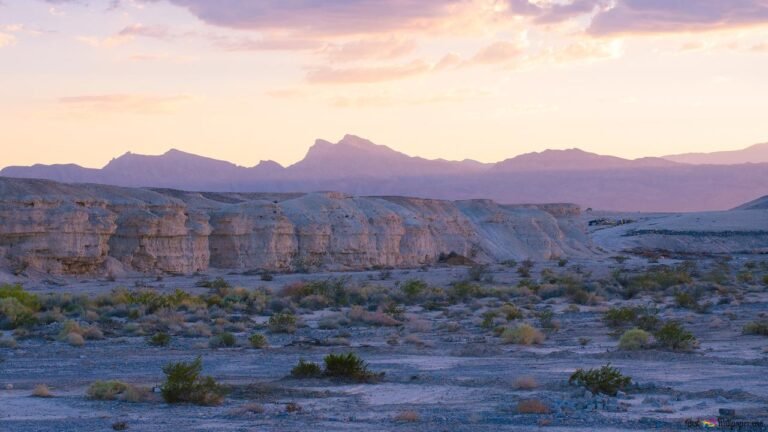
Mojave National Preserve has a layered, textured, and highly photogenic landscape. It does not remain the same from one mile to the next. The preserve rewards travelers who slow down and observe the subtle transitions in land, color, and light.
1. Kelso Dunes
Kelso Dunes is one of the most iconic sights in the preserve. These broad dunes rise in soft, shifting curves that create the classic desert image many travelers picture when they imagine the Southwest. Walking here feels different from hiking on stone or soil because the sand constantly gives way underfoot.
The dunes are popular for:
- Hiking
- Sunset photography
- Quiet observation
- Desert landscape appreciation
2. The Lava Tube
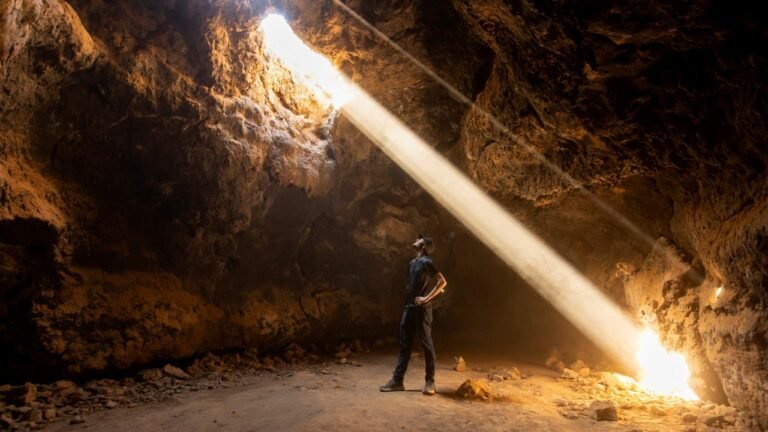
The Lava Tube is a volcanic tunnel-like formation created by ancient lava flows. It offers one of the most unusual and memorable stops in the preserve. The feature is short to visit, but it delivers a strong sense of geological wonder.
3. Joshua Tree Forests
Large stands of Joshua trees define much of the preserve’s visual identity. These trees are among the most recognizable plants in the Mojave Desert. Their silhouettes are especially striking at sunrise and sunset, when the light turns the landscape golden and dramatic.
4. Cinder Cones and Lava Fields
The volcanic landforms in the preserve show that this is not simply a sandy desert. It is a place shaped by fire, pressure, erosion, and time. The dark rock surfaces and rounded cinder cones create a striking contrast with the lighter desert soil around them.
5. Canyons and Mesas
Rocky canyons, high mesas, and narrow passes add depth to the preserve. These areas often preserve signs of old trails, travel routes, ranching activity, and mining history.
6. Dry Lake Beds and Basins
The dry basins and lake beds feel wide, open, and almost lunar in their stillness. They also reflect sunlight dramatically during sunrise and sunset, making them excellent places for photographers.
Scenic Landscape Summary
| Feature | What It Looks Like | Best For |
| Kelso Dunes | Tall, flowing sand hills | Hiking and photography |
| Lava Tube | Volcanic tunnel area | Geology and exploration |
| Joshua trees | Distinctive desert trees | Scenery and landscape photos |
| Cinder cones | Old volcanic hills | Earth science interest |
| Dry basins | Flat, open valleys | Travel views and solitude |
This diversity of terrain is one of the main reasons the preserve leaves such a strong impression on visitors.
Flora: Plants of Mojave National Preserve
At first glance, the preserve may seem sparse, but the plant life is surprisingly resilient, varied, and ecologically important. Desert plants are not just surviving here. They are actively adapted to the harsh environment in highly efficient ways.
Joshua Trees
Joshua trees are the preserve’s signature plant. They are strongly associated with the Mojave Desert and are central to the area’s identity. Beyond their unusual shape and scenic value, they provide habitat and structure for many other living things.
Cactus Gardens
Cactus-rich areas appear in several parts of the preserve. These plant communities show how life can thrive in extremely dry conditions through adaptation, water retention, and efficient growth cycles.
Wildflowers
When rainfall and seasonal timing cooperate, spring wildflowers can create beautiful bursts of color across the desert floor. The bloom varies from year to year, but in a good season, the effect is unforgettable.
Possible wildflower sightings include:
- Desert five-spot
- Desert paintbrush
- Desert mariposa lily
- Beavertail cactus flowers
How Desert Plants Survive
Desert plants endure harsh conditions by:
- Storing water in stems or leaves
- Developing deep or spreading root systems
- Reducing leaf surface area
- Blooming quickly after rain
- Entering dormancy during extreme heat or drought
Plant Life Travel Tip
Do not step on, pull, or damage desert vegetation. Many species grow very slowly and can be harmed easily. Staying on established paths helps protect these fragile ecosystems.
Fauna: Animals of Mojave National Preserve
The wildlife of the preserve is one of its most rewarding surprises. The desert may seem quiet, but it supports an active and interconnected web of life. Many animals are nocturnal or crepuscular, which means they are most active at dawn, dusk, or night.
Mammals
The preserve supports a wide range of desert mammals, including species that travel long distances, stay hidden during the heat, or emerge only when conditions are cooler.
Birds
Birdwatching can be excellent in the preserve. Raptors, songbirds, and seasonal migrants may be seen around shrubland, water sources, canyon edges, and historic structures.
Reptiles
Reptiles are common in warm weather, especially in rocky or sun-exposed areas. They are well-suited to the desert, though their camouflage can make them easy to overlook.
Amphibians, Insects, and Arachnids
Even in a dry place, smaller creatures play a huge role in the ecological balance. Insects, spiders, and other invertebrates support food webs and plant reproduction.
The Desert Tortoise
The desert tortoise is the preserve’s signature animal and one of its most important protected species. It is closely associated with Mojave conservation efforts and is a symbol of the delicate balance of life in the desert. Because tortoises spend much of their time in burrows or hidden areas, seeing one is uncommon and meaningful.
Wildlife Viewing Tips
- Move quietly
- Keep a respectful distance
- Never feed animals
- Avoid disturbing burrows or nesting places
- Visit early or late in the day for better activity
Wildlife Summary
| Animal Group | Examples | Best Viewing Areas |
| Mammals | Small nocturnal desert animals | Quiet desert zones |
| Birds | Raptors, songbirds, migrants | Open skies and water sources |
| Reptiles | Lizards, snakes, tortoises | Warm rocky areas |
| Insects | Bees, beetles, desert insects | Flowering zones |
| Arachnids | Desert spiders and scorpions | Hidden desert habitats |
The wildlife adds a sense of movement and life to what might otherwise seem like an empty landscape.
Human History and Cultural Background
Mojave National Preserve has a rich human past that reaches far beyond the modern park era. The desert was never empty. It was inhabited, crossed, traded through, mapped, mined, and remembered by many communities over many centuries.
Indigenous History
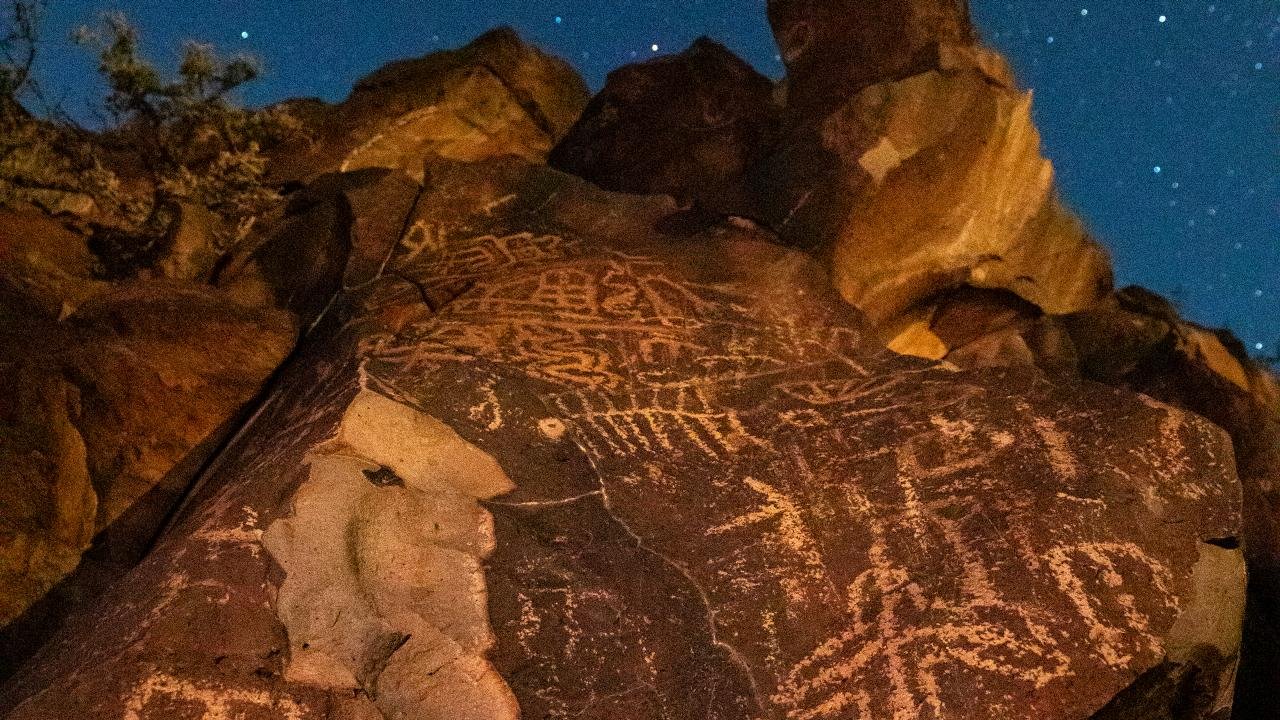
The Chemehuevi and Mojave peoples have longstanding ties to the region. Archaeological evidence, such as petroglyphs, pictographs, and tools, indicates that people lived in, traveled through, and used the land over a long historical period.
Exploration and Early Travel
Later, the region became part of broader exploration and travel networks. Moving through the desert was difficult, so water sources, safe routes, and navigable passes became critical.
Mining and Railroads
In the 19th and early 20th centuries, mining and railroad development helped shape the preserve’s modern landscape. Small settlements, rail stops, freight lines, and supply corridors appeared across the desert. Many traces of that era remain.
Ranching and Settlement
Ranching also influenced the area. Families and workers lived in isolated places and depended on careful resource management, livestock, and long supply journeys.
Historic Places to Know
- Kelso Depot
- Old rail lines
- Mining remains
- Desert homesteads
- Historic travel corridors
The preserve’s history is important because it reminds visitors that the desert has always been part of human movement, survival, and adaptation.
Top Things to Do in Mojave National Preserve
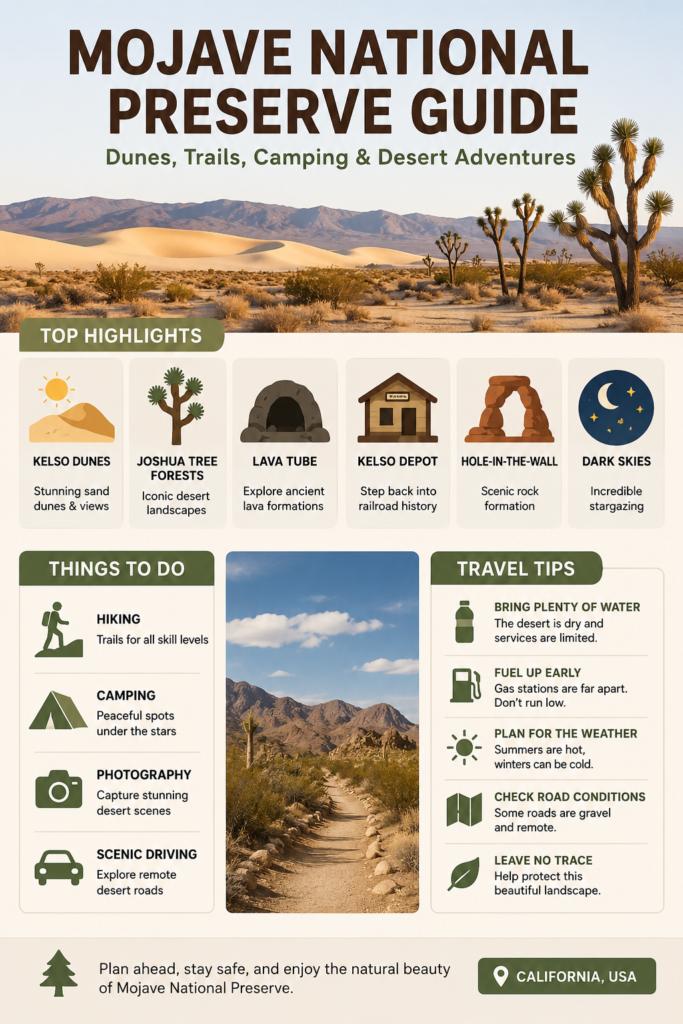
There are many meaningful ways to experience the preserve, even if you only have limited time. The right activities depend on your interests, your vehicle, and how long you plan to stay.
1. Hike Kelso Dunes
Kelso Dunes is one of the top experiences in the preserve. The hike offers soft sand, broad vistas, and a strong sense of desert atmosphere.
2. Explore the Lava Tube
The Lava Tube is one of the most unusual stops in the preserve. It gives visitors a short but memorable geology experience.
3. Visit Hole-in-the-Wall
Hole-in-the-Wall is a popular area for hiking, scenic viewing, and visitor access. It is also one of the best practical bases for exploring nearby routes and trails.
4. Walk the Rings Trail
The Rings Trail is one of the best-known short hikes in the preserve. It is approachable, engaging, and especially appealing to first-time visitors.
5. See Kelso Depot
Kelso Depot adds cultural depth to the trip. Even when interior exhibits are limited, the structure itself remains a worthwhile stop for history and photography.
6. Go Stargazing
The preserve is excellent for stargazing thanks to its remote location and very dark skies. On clear nights, the stars can appear exceptionally vivid.
7. Take Scenic Drives
Driving is part of the experience here. The roads between attractions often provide as much enjoyment as the destinations themselves, with shifting scenery and dramatic open space.
8. Photograph the Landscape
Photographers are drawn to the preserve because light, shadow, texture, and horizon all work together beautifully. Dunes, trees, rocks, and night skies offer endless opportunities.
9. Enjoy Quiet Camping
Camping allows you to experience sunrise, sunset, and night sky conditions in a much deeper way than a day visit can offer.
10. Learn Desert History
The preserve is also a historical landscape. Visitors can learn about railroads, mining, Indigenous heritage, ranching, and the everyday realities of desert life.
Best Hiking Trails in Mojave National Preserve
Hiking in the preserve can range from easy to challenging. Conditions depend not only on the trail itself, but also on heat, wind, elevation, and terrain type. This is why desert hiking should always be approached with care.
Rings Trail
One of the most popular short hikes in the preserve, the Rings Trail is known for being accessible while still offering a memorable desert experience.
Best for: short walks, families, first-time visitors
Why it stands out: interesting features and manageable distance
Kelso Dunes Trail
This hike takes visitors into the famous dune field. Sand hiking requires more effort than regular trail hiking, so even moderate distances can feel strenuous.
Best for: scenic challenge, photography, and classic desert views
Lava Tube Area
This is more of an exploration stop than a traditional long hike, but it delivers a sense of adventure and geological curiosity.
Best for: geology lovers, short outings, curious travelers
Hole-in-the-Wall Trails
This area includes multiple hiking options and is one of the more flexible trail networks in the preserve.
Best for: day hiking and varied terrain
Hiking Safety Tips
- Begin early in the day
- Carry more water than you think you need
- Protect yourself from sun exposure
- Do not depend on cell service
- Stay on marked or established paths
- Share your route with someone if venturing deeper into the backcountry
Trail Difficulty Summary
| Trail / Area | General Difficulty | Main Appeal |
| Rings Trail | Easy to moderate | Short scenic hike |
| Kelso Dunes | Moderate to harder | Dune climb |
| Lava Tube area | Easy to moderate | Geology and exploration |
| Hole-in-the-Wall trails | Varies | Desert variety |
Always match your chosen route to the weather, your energy level, and your experience.
Camping in Mojave National Preserve
Camping is one of the most rewarding ways to enjoy the preserve. Once the sun sets, the temperature often drops, the wind quiets down, and the sky becomes one of the biggest attractions in the entire area.
Why Camp Here?
Camping in the preserve gives you:
- Better access to sunrise and sunset
- Dark skies for stargazing
- More time for photography
- A deeper desert experience
- A quiet, low-distraction environment
What to Expect
Camping in Mojave National Preserve is remote and relatively basic. It is not a full-service resort environment, and that is exactly why preparation matters so much.
Camping Tips
- Bring enough water for the entire trip
- Pack extra food and fuel
- Use a dependable map
- Check road conditions before departure
- Prepare for cold nights and hot days
- Follow Leave No Trace principles
- Respect quiet hours and campsite etiquette
Camping Mindset
Desert camping works best when you keep things simple and practical. Comfort matters, but safety and preparedness matter more. The less you rely on nearby services, the smoother your trip will be.
Safety Tips for Desert Travel
Mojave National Preserve is beautiful, but it is also a real desert environment. The conditions can be harsh, and visitors should travel with respect for the climate and terrain.
1. Carry Plenty of Water
This is the most important rule of all. Heat, dry air, and physical exertion can dehydrate you very quickly.
2. Check Road Conditions
Some roads are unpaved, rough, or affected by weather. What looks accessible on a map may be much harder in reality.
3. Do Not Trust GPS Alone
Navigation apps may not reflect road closures, surface conditions, or current access issues. Carry a physical map or official route information as backup.
4. Fuel Up Before Entering
Gas stations are limited around the preserve. Never assume fuel will be close by.
5. Start Early in Warm Months
The morning hours are far safer than midday if you plan to hike or explore outdoors in summer heat.
6. Respect Weather Changes
The desert can shift from hot to cold, calm to windy, or dry to stormy. Seasonal changes matter here.
7. Stay on Main Routes if Unsure
If you are unfamiliar with remote desert travel, do not overextend yourself onto rough backroads without preparation.
8. Tell Someone Your Plan
If you are going deep into less-traveled sections, let someone know where you are going and when you expect to return.
Desert Emergency Awareness
Remote desert travel can involve delays, detours, and unexpected problems. A little preparation can prevent small issues from becoming serious ones.
Conservation and Why It Matters
Mojave National Preserve is not only a place to visit. It is also a place that must be protected carefully. Fragile soils, slow-growing plants, historic resources, and wildlife habitats can all be damaged by careless behavior.
The preserve helps protect:
- Desert ecosystems
- Rare wildlife
- Joshua tree habitat
- Geological formations
- Historic and cultural resources
Main Conservation Concerns
- Habitat loss
- Road damage
- Off-trail impact
- Climate stress
- Wildlife disturbance
- Damage to fragile plants and soils
How Visitors Can Help
- Stay on trails and roads
- Pack out all trash
- Do not remove natural objects
- Respect wildlife
- Keep noise low
- Leave historic structures untouched
Responsible travel helps keep the preserve healthy for future visitors and for the living systems that depend on it.
Best Things to Pack for Mojave National Preserve
Packing well can make a major difference in how comfortable and safe your visit feels.
Essential Packing List
- Water
- Hat
- Sunscreen
- Sunglasses
- Sturdy shoes
- Snacks
- Layers for cold nights
- Paper map
- Flashlight or headlamp
- Extra fuel
- First-aid basics
Helpful Extras
- Camera
- Binoculars
- Cooler
- Trail gloves
- Backup phone battery
- Printed directions
The desert may look simple, but smart packing is one of the most important parts of a successful visit.
Sample Trip Ideas
One-Day Visit
If you only have one day, focus on one or two major highlights such as Kelso Dunes, the Lava Tube, or Hole-in-the-Wall.
Weekend Trip
A weekend gives you enough time for a hike, a scenic drive, a historic stop, and at least one evening of camping or stargazing.
Photography Trip
Plan around sunrise, sunset, and night skies. Include dunes, Joshua trees, open basins, and dramatic sky conditions in your route.
Family Trip
Choose shorter trails and easier stops. Keep the itinerary simple, flexible, and safety-focused.
Adventure Trip
Combine a hike, a backroad drive, a camping night, and some nighttime photography for a more immersive desert experience.
When to Visit Mojave National Preserve
The best time to visit depends on the type of experience you want.
Spring
Best for:
- Wildflowers
- Pleasant temperatures
- Hiking
Fall
Best for:
- Comfortable weather
- Camping
- Photography
Winter
Best for:
- Cooler travel
- Fewer crowds
- Clear desert views
Summer
Best for:
- Very early morning visits only
- Brief stops
- Experienced heat-aware travelers
For most people, spring and fall provide the easiest and most enjoyable conditions.
Travel Tips for First-Time Visitors
If this is your first trip to Mojave National Preserve, keep these ideas in mind:
- Do not try to see everything in one day
- Bring more water than you think you will need
- Expect long gaps between stops
- Use official information for road status
- Stop often and enjoy the scenery
- Travel slowly and safely
- Respect the quiet atmosphere of the desert
- Prepare for heat, cold, and isolation
The preserve is best experienced by patient, observant travelers. There is no need to hurry.
Who Should Visit Mojave National Preserve?
This destination is especially good for:
- Road trippers
- Hikers
- Campers
- Desert photographers
- History enthusiasts
- Stargazers
- Nature students
- Travelers who enjoy quiet, open places
It may be less ideal for people who want:
- Busy visitor centers everywhere
- Short, effortless walks only
- Full services at every stop
- A city-style travel experience
That contrast is part of the preserve’s charm. It is a place for those who appreciate space, stillness, and rugged beauty.
FAQs
Mojave National Preserve is known for its dunes, Joshua trees, lava tubes, hiking trails, camping, and desert scenery.
Yes. It is one of the best desert destinations in California for people who enjoy scenery, solitude, hiking, history, and stargazing.
Top activities include hiking the Kelso Dunes, visiting the Lava Tube, exploring Hole-in-the-Wall, seeing Kelso Depot, camping, and stargazing.
Spring and fall are usually the best times because temperatures are more comfortable and outdoor travel is easier.
Conclusion
Mojave National Preserve offers a peaceful mix of natural beauty, history, and outdoor adventure. With the right Preparation, you can enjoy its scenery safely and make the most of every stop.