
Introduction
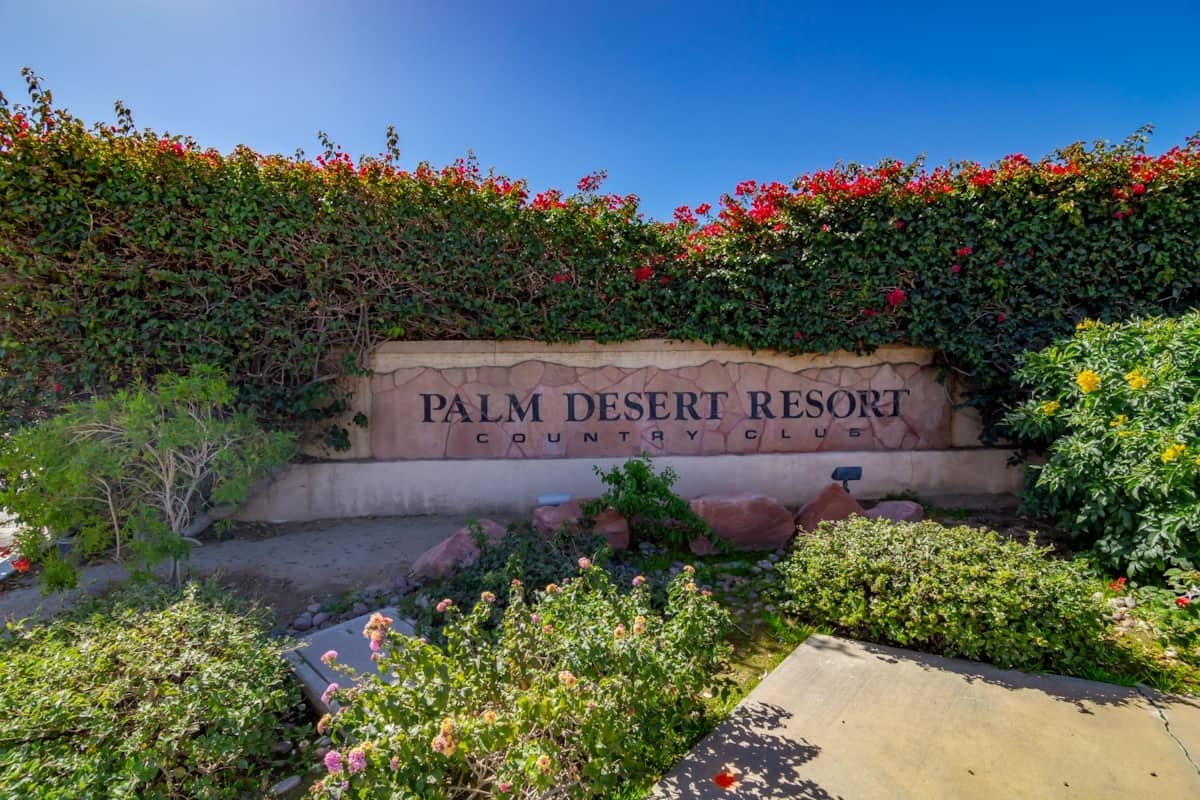
Palm Desert Resort Country Club is a scenic desert golf course in Palm Desert, California, known for playable fairways, mountain views, practice facilities, and resort-style amenities. It offers a relaxed round for beginners, casual golfers, and experienced players alike.
- Quick Facts About Palm Desert Resort Country Club
- Why Palm Desert Resort Country Club Stands Out
- Course Overview
- Location and Setting
- What the Course Feels Like
- Playability: Who Is This Course Best For?
- Best for Beginners
- Best for Casual Golfers
- Best for Mid-Handicap Golfers
- Best for Better Players
- Tee Times and Booking Tips
- Best Time of Day to Play
- Best Tee Choice
- Booking Advice
- A Simple Round-Planning Tip
- Scorecard Breakdown and Course Style
- Hole Strategy and Course Personality
- Risk-and-Reward Holes
- Doglegs
- Water and Bunkers
- Large Greens
- Practice Facilities
- Why Practice Facilities Matter
- Why Lessons Matter
- Why Rentals Matter
- Clubhouse, Dining, and Resort-Style Amenities
- Why This Matters for Visitors
- Why This Matters for Searchers
- Landscape, Views, and Atmosphere
- Climate and Weather Planning
- What to Expect
- Best Playing Strategy in Hot Weather
- Why the Weather Matters
- Directions and Getting There
- Nearby Attractions and Things to Do
- El Paseo Shopping and Dining
- Palm Desert Area Activities
- Great for Golf Trips
- Community and Residential Identity
- Natural Environment and Desert Context
- Environmental Awareness
- Pros and Cons
- Pros
- Cons
- Who Should Play Palm Desert Resort Country Club?
- What Makes It Different From Other Palm Desert Courses?
- Example Visit Plan
- Morning
- Tee Time
- After the Round
- Full-Day Option
- FAQs
- Conclusion
Quick Facts About Palm Desert Resort Country Club
| Detail | What You Need to Know |
| Course Name | Palm Desert Resort Country Club |
| Location | 77-333 Country Club Dr., Palm Desert, CA 92211 |
| Course Type | 18-hole, par-72 golf course |
| Designer | Joe Mulleneaux |
| Opened | 1983 |
| Yardage | About 6,585 yards on some listings; about 6,546 yards on the community page |
| Rating / Slope | 70.8 / 117 on GolfNow and TeeOff |
| Practice Facilities | Driving range, putting green, lessons |
| Rentals | Cart rentals and club rentals |
| Community Features | Clubhouse dining, bar/lounge, pools, spas, pickleball, tennis, gated access |
This snapshot gives a useful overview, but the real value of Palm Desert Resort Country Club becomes clearer when you look beyond the numbers. The course is not just about where it sits on a map or what its yardage reads on a booking page. It is about the way the layout feels, the way the property blends golf and lifestyle, and the way it serves both local players and travelers who want a memorable desert round.
Why Palm Desert Resort Country Club Stands Out
Palm Desert Resort Country Club stands out because it does not operate like a one-dimensional golf stop. It is part of a broader desert living environment, which means the experience extends well past the first tee and the final putt. Golfers are not only stepping onto fairways and greens; they are entering a setting with mountain scenery, a community feel, and resort-style amenities that create a more complete day out.
That matters because many golf pages are narrow in scope. Some focus only on booking widgets, tee sheet availability, and scorecard measurements. Others concentrate on the community’s residential and leisure aspects while giving very little space to course strategy, playability, or visitor planning. A stronger guide needs to merge both sides into one coherent narrative.
This course is appealing because it hits a sweet spot. It offers enough openness to feel welcoming, but enough strategic structure to remain interesting. Newer golfers can relax and enjoy the round without feeling overwhelmed. Casual players can focus on fun and rhythm. Better golfers still have to make decisions about shot placement, angles, and risk management. That middle ground is valuable, especially in a golf market like Palm Desert, where visitors often want a course that is enjoyable but still respects the game.
That balance is one of the main reasons people search for Palm Desert Resort Country Club tee times in the first place. They are not only looking for a booking slot. They are looking for a round that fits the day, the weather, the skill level, and the kind of golf experience they want to have.
Course Overview
Palm Desert Resort Country Club is a public-facing desert golf destination in Palm Desert, California, and it has the kind of layout that works for a broad range of players. Designed by Joe Mulleneaux and opened in 1983, it is an 18-hole par-72 course with multiple tee options and a reputation for being Approachable without becoming bland.
One of the biggest reasons golfers appreciate this layout is that it tends to feel fair. It is not designed as an intimidating championship track that punishes every imperfect swing. At the same time, it does not feel overly simple or repetitive. The course uses water, bunkers, palm trees, open corridors, and strategic shaping to keep the round engaging. That combination produces a pleasant rhythm: enough forgiveness to keep the mood light, but enough structure to reward smart golf.
The course is often described as beginner-friendly, yet that description should not be mistaken for “easy” in a boring sense. Beginners benefit from the more open feel, while experienced golfers still need to manage distance, placement, and decision-making. In other words, this is the kind of course where a wide range of players can enjoy themselves for different reasons. A newer golfer may simply be happy to keep the ball in play. A mid-handicap golfer may enjoy the scoring chances. A lower-handicap player may appreciate the need to shape a plan instead of relying purely on power.
The yardage can vary depending on the tee setup or the live directory listing you view. Some sources place it at about 6,585 yards, while others show about 6,546 yards. That difference is normal and usually reflects the configuration of the tee configuration or updates made by booking and community sources. For golfers, the practical takeaway is simple: the course has multiple ways to play it, and your chosen tee set will strongly affect the feel of the round.
Location and Setting
Palm Desert Resort Country Club is located at 77-333 Country Club Dr., Palm Desert, CA 92211. It sits in the eastern part of Palm Desert and is conveniently positioned for travelers who want golf to fit easily into a wider desert itinerary. The course is close enough to major travel corridors and local attractions that it can be added to a morning, afternoon, or full-day plan with very little friction.
That location is one of its practical strengths. You can play golf, enjoy a meal nearby, and still have time to explore the rest of Palm Desert or the wider Coachella Valley. The course works especially well for visitors who want a balanced day rather than a golf-only schedule. It also suits people staying in the region who want a convenient round without spending too much time navigating unfamiliar roads.
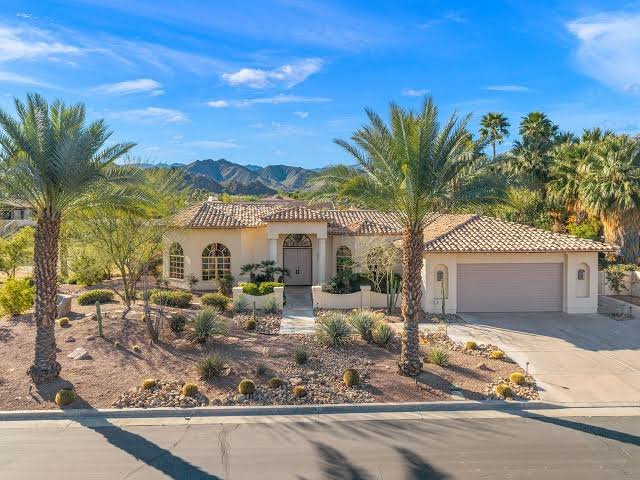
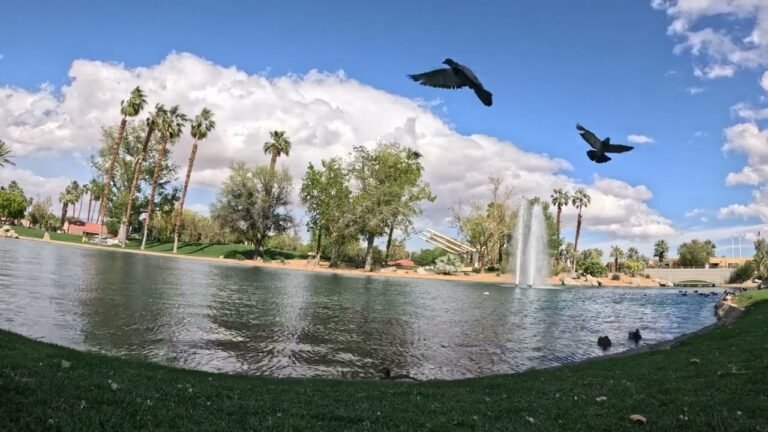
The setting is equally important. This is classic Palm Desert terrain: warm light, desert air, mountain views in the distance, and a landscape that feels polished without losing its regional identity. The course is landscaped rather than raw, which means it does not feel like you are playing in a harsh, empty expanse. Instead, you get a carefully framed environment with lakes, palms, open sightlines, and a visually pleasing desert backdrop.
That scenery helps shape the mood of the round. It creates a calmer, more spacious atmosphere. Golfers often respond positively to that kind of environment because it gives the day a destination feel. The course becomes more than a place to hit shots; it becomes part of the overall Palm Desert experience.
What the Course Feels Like
A golf course is more than a scorecard, and Palm Desert Resort Country Club is a strong example of that idea. The feeling of the course matters just as much as the raw numbers, and this layout gives off the impression of a place that wants to be enjoyed rather than feared.
The fairways are generally described as generous. That matters because width gives players room to breathe. When a course allows for a broader landing area, it reduces tension for beginners and encourages more confident swings for everyone else. Large greens also help the course feel playable, especially on approach shots, where some margin for error can make a round feel smoother.
Still, the course is not simply wide-open golf with no teeth. It has enough water, sand, doglegs, and strategic shaping to keep players alert. The holes reward a thoughtful plan. If you rush, ignore positioning, or assume that power alone will solve every problem, the course can push back. That is part of the charm. It invites you to play good golf, not just aggressive golf.
This blend of comfort and challenge is what makes the course so appealing to many types of players. Beginners can focus on contact and rhythm. Mid-handicap golfers can work on course management and scoring. Stronger players can challenge themselves by selecting the right targets and avoiding unnecessary mistakes. The course has room for all of that, which is a large part of its value.
Playability: Who Is This Course Best For?
A good golf destination should answer a simple but important question: who will enjoy this course the most? Palm Desert Resort Country Club has a broad answer. It suits a wide range of skill levels because it combines a manageable structure with enough variety to stay engaging.
Best for Beginners
New golfers are likely to appreciate the course’s overall friendliness. The multiple tee sets, spacious fairways, and relatively forgiving setup reduce the pressure that often comes with more demanding layouts. For a newer player, confidence matters, and this course gives them a better chance to enjoy the round rather than spend the day fighting the property.
Best for Casual Golfers
If the goal is to have a relaxed round with friends, this course is a strong fit. It offers enough challenge to feel like a real golf day, but not so much difficulty that the round becomes frustrating. Casual golfers often want pace, scenery, and comfort, and Palm Desert Resort Country Club checks those boxes.
Best for Mid-Handicap Golfers
Mid-handicap players should find the course especially satisfying because it creates genuine scoring opportunities without removing the need for discipline. That balance keeps the round interesting. You can make birdies or bogeys here, and the course generally rewards thoughtful choices over careless aggression.
Best for Better Players
Lower-handicap golfers will not find this layout dull. The back tees, strategic holes, and controlled hazards still require precision. The 11th hole, for example, is often mentioned as a particularly difficult hole and can demand a strong tee shot and smart positioning. That kind of hole prevents the course from feeling too soft and keeps better players engaged.
This wide usability is one of the most important qualities of Palm Desert Resort Country Club. It is not locked into a single audience. Instead, it provides a flexible golf experience that works for locals, tourists, novices, and seasoned players alike.
Tee Times and Booking Tips
When people search for Palm Desert Resort Country Club tee times, they are usually trying to plan a round that fits both the weather and their expectations. Booking pages can show availability, but they often stop short of helping you choose the best slot or the best way to approach the round. That is where practical planning matters.
Best Time of Day to Play
In warm months, early morning tee times are usually the most comfortable choice. Desert heat can intensify quickly, and a morning round often gives you the best combination of cooler temperatures, calmer conditions, and a more relaxed pace. Early starts also help you avoid the most punishing midday sun.
Best Tee Choice
Do not force yourself into a longer tee box simply because it sounds impressive. The course has multiple tee sets for a reason. Choose the one that matches your distance, accuracy, and group style. A properly matched tee box makes the round more enjoyable, more manageable, and usually faster as well.
Booking Advice
Book early when possible, especially during popular travel periods. Palm Desert attracts golfers from across the region and beyond, and morning slots can disappear quickly. If your schedule is flexible, try to secure the tee time that best fits your group rather than settling for the last available option.
A Simple Round-Planning Tip
Think of the visit as a full golf experience rather than a single tee time. Warm up, play your round with intent, and leave enough room afterward to enjoy the clubhouse, a drink, lunch, or nearby Palm Desert attractions. That broader mindset usually leads to a better day overall.
Scorecard Breakdown and Course Style
A scorecard is more than a list of pars and distances. It tells you how a course is built and what kind of mental approach it rewards. Palm Desert Resort Country Club is a par-72 course, which means it presents the familiar structure of a balanced round: par 3s that ask for precision, par 4s that vary in shape and demand, and par 5s that create scoring opportunities without handing out easy birdies.
That structure matters because it creates a rhythm golfers recognize. That part 5s can give you chances to gain strokes, but only if you make disciplined decisions. The par 4s will vary from approachable to more demanding, which keeps the scorecard from feeling flat or predictable. The par 3s often test distance control and shot selection, which means you still need to bring a full game, not just a long drive.
A useful example is the par-5 fifth hole, which is often described as a risk-reward hole. Holes like that make a round memorable because they force you to make a choice. Do you go after the green and try to create a scoring chance, or do you play more conservatively and accept a safer result? That decision-making layer adds texture to the round.
The 11th hole is also notable because it is frequently listed as the toughest handicap hole on the course. That suggests the layout is not merely easygoing. It contains holes that can change your score if you are careless. This is one reason the course remains interesting to golfers who enjoy strategic design. It offers variety, not sameness.
Hole Strategy and Course Personality
The best way to understand Palm Desert Resort Country Club is to view it as a course of balance. It does not exist to intimidate players, but it does ask them to think. The personality of the layout comes from its mix of opportunity and restraint.
Risk-and-Reward Holes
Some holes encourage a more aggressive mindset, especially when the reward is worth the risk. Those moments make the round feel alive. You may have a legitimate chance to attack, but poor judgment can turn a potential birdie into trouble.
Doglegs
Doglegs are a key part of the course’s strategy. They ask golfers to think about angles rather than only distance. A tee shot placed in the right area can open up the hole. A shot that is too ambitious can block your path or leave you with a difficult second shot.
Water and Bunkers
Water hazards and bunkers are used thoughtfully rather than aggressively. They frame holes and create pressure without making the course feel punishing. Good players must respect them, while casual golfers still have room to recover if they stay composed.
Large Greens
The greens are often described as sizable, which can be a benefit and a challenge at the same time. Large greens may offer more margin for approach shots, but they still require distance control and proper speed on the putting surface. Missing on the wrong side can still leave a difficult up-and-down.
Overall, this course rewards smart golf. If you manage your way around the layout with patience and intention, you will likely enjoy the round more and score better.
Practice Facilities
A strong golf destination should support more than the 18 holes. Palm Desert Resort Country Club does that well by offering practice facilities that help visitors prepare before the round and improve after it.
The live pages mention a driving range, a putting green, lessons, cart rentals, and club rentals. That combination is valuable because it creates flexibility for different kinds of golfers. Someone arriving early can loosen up on the range. A player working on putting can spend time on the green. A visitor without equipment can still enjoy the course with rental clubs. A golfer who wants structured improvement can book lessons and make the most of the property beyond a single round.
Why Practice Facilities Matter
Practice facilities improve the overall experience because they let you prepare properly. A few swings on the range can settle your tempo. A few putts can help you get a feel for pace and roll. That kind of preparation often translates into a better round, especially on a course that rewards calm, deliberate play.
Why Lessons Matter
Lessons add a long-term layer of value. Instead of using the course only for one-day recreation, you can also treat it as a place to sharpen your game. That makes the property more useful for local golfers and more appealing to visitors who want to improve while traveling.
Why Rentals Matter
Club rentals and cart rentals make the experience easier for travelers. Not everyone brings a full golf setup on a trip, and not everyone wants the hassle of transporting gear. Rentals remove that barrier and help make the course accessible to a broader audience.
These facilities support the idea that Palm Desert Resort Country Club is not just a place to play golf. It is a place where a golfer can prepare, practice, and enjoy the day in a more complete way.
Clubhouse, Dining, and Resort-Style Amenities
One of the biggest differences between Palm Desert Resort Country Club and a plain golf-only facility is the lifestyle dimension. The community page emphasizes clubhouse dining, a bar/lounge, a casual café, monthly events, pools, spas, pickleball, tennis, and gated access. That creates a broader destination feel.
This is important because it means the property works for more than one kind of visitor. Golfers obviously benefit from the course itself, but non-golfing companions also have things to enjoy. That makes the location easier to include in a family trip, couple’s getaway, or multi-activity desert vacation.
Why This Matters for Visitors
If one person in your group wants to golf and another does not, the surrounding amenities help solve that problem. The golfer can enjoy the course while the other person relaxes within the community environment or uses the broader resort-style features. That kind of flexibility is a major advantage.
Why This Matters for Searchers
Many people searching for this course name want to know whether it is simply a golf facility or a fuller destination. The answer is that it is both. The golf matters, but the community atmosphere and lifestyle features are part of the appeal. That combination makes the property more distinctive than a basic public course.
In practical terms, this means visitors can shape their day in multiple ways. You can book a round, have a meal, use the amenities, or simply enjoy the setting. The course becomes part of a larger experience rather than the entire story.
Landscape, Views, and Atmosphere
The scenery is one of the most memorable features of Palm Desert Resort Country Club. Desert golf is often defined by its landscape, and this course fits that tradition very well. Mountain views, open sky, landscaped fairways, lakes, palms, and a tidy community environment all contribute to an atmosphere that feels inviting and scenic.
That visual appeal matters because it changes the emotional tone of the round. Many golfers enjoy desert golf specifically because it feels different from a suburban course or a tightly packed urban layout. The openness, the light, and the distant mountain backdrop create a sense of space and calm.
This course uses those ingredients effectively. It feels polished but not artificial. It feels desert-oriented without feeling barren. The combination of water, palms, bunkers, and large greens gives the layout a refined appearance that many golfers find appealing.
The setting also makes the course feel relaxed. That matters more than it might first appear. When a property feels calm and attractive, it often becomes more enjoyable even if the score is not perfect. A good round is not only about numbers; it is also about the environment in which the round takes place.
Climate and Weather Planning
Palm Desert is a desert climate area, so the weather is a major part of the golf experience. The region is sunny and warm for much of the year, which is a major plus for golfers seeking reliable playing conditions. At the same time, the heat can become intense, especially in the summer months.
What to Expect
Expect strong sun and the possibility of high temperatures, particularly in warmer seasons. That does not make golf impossible, but it does make planning important. Conditions can be very pleasant early in the day and much more demanding later on.
Best Playing Strategy in Hot Weather
Choose an early tee time if you can. Drink water before the round begins and continue hydrating throughout the day. Use sun protection. Pace yourself. And do not rush simply because the temperature is rising.
Why the Weather Matters
Weather affects comfort, stamina, focus, and even scoring. An early-round start often gives you a smoother experience and may also help the course play more comfortably before the heat peaks. For many golfers, that makes the desert climate part of the fun. But it should always be part of the plan.
Directions and Getting There
Palm Desert Resort Country Club is relatively easy to reach, which is one reason it works well for both local golfers and visitors. The course can be accessed from major roads in the area without a complicated drive.
A simple general route is:
Take I-10 east
Exit at Bob Hope Drive
Go south to Country Club.
Turn east on Country Club Drive.
That straightforward access is a practical advantage. It means the course can be built into a day that also includes shopping, dining, or sightseeing. Convenience matters for golfers on vacation, and this location delivers it.
Nearby Attractions and Things to Do
The course benefits from being near other Palm Desert attractions, especially the El Paseo shopping and dining district. That proximity helps turn a golf round into a larger outing.
El Paseo Shopping and Dining
El Paseo is one of the better-known parts of Palm Desert for restaurants, retail, and a more upscale desert feel. Being close to that district adds value for golfers who want to pair their round with a meal or some browsing afterward.
Palm Desert Area Activities
The wider Palm Desert and Coachella Valley area offers plenty of ways to fill a day. You can dine, shop, relax, or explore the desert landscape. The course becomes part of a fuller travel plan rather than a standalone stop.
Great for Golf Trips
If you are building a golf trip, a course like this helps because it can fit neatly into a multi-course itinerary or a leisure-heavy vacation schedule. The location is practical, attractive, and easy to combine with other plans.
Community and Residential Identity
Palm Desert Resort Country Club is not just a standalone golf facility. It is part of a planned residential community, and that changes the feel of the place in meaningful ways. The course is embedded in a neighborhood with homes, shared amenities, green space, and a broader lifestyle framework.
That matters because the property feels more integrated and less commercial than some purely transactional golf destinations. Golf is a central feature, but it is not the only thing happening there. People live there, relax there, and use the amenities as part of their day-to-day life.
For visitors, that creates a quieter, more settled atmosphere. For golfers, it creates a sense that the round is part of a broader environment rather than a brief stop on a busy tee sheet. That kind of context adds personality and helps the property stand out in a crowded golf market.
Natural Environment and Desert Context
The course sits in a desert region with a distinct ecological identity. The broader Coachella Valley is known for native plants, wildlife, and land-use planning that has to account for desert conditions. That shapes the landscape in subtle but important ways.
The local environment influences the look and feel of the course. Drought-tolerant landscaping, open sky, sunlight, and desert air all contribute to an unmistakably regional style. Golf in this area often feels grounded in place because the terrain itself is part of the experience.
That is one of the reasons Palm Desert golf can feel memorable. You are not just playing a course. You are playing within a setting that reflects the geography and character of the desert.
Environmental Awareness
Golf in the Coachella Valley exists alongside broader conservation concerns, especially because the desert is a sensitive environment. The larger region includes habitat and conservation efforts that reflect the importance of protecting native species and land.
For golfers, the key takeaway is simple: desert recreation and environmental care are connected. That does not mean the course is a nature preserve. It means the area is part of a larger balance between recreation, development, and ecological responsibility.
This context adds depth to the experience. The course is not separate from its landscape. It exists within it, and that relationship helps shape the character of the property.
Pros and Cons
Pros
- Multiple tee options for different skill levels
- Scenic desert views and mountain backdrop
- Good practice facilities
- Clubhouse dining and resort-style amenities
- Easy access from Palm Desert and nearby attractions
Cons
- Summer heat can be intense
- Yardage figures can vary across live listings
- Some booking pages focus too much on transactions and not enough on player guidance.
This quick evaluation helps golfers decide whether the course matches their expectations. For many players, the strengths clearly outweigh the drawbacks, especially if they enjoy desert golf and want a balanced, visitor-friendly experience.
Who Should Play Palm Desert Resort Country Club?
This course is a strong choice for:
- Beginners who want a playable and comfortable round
- Casual golfers looking for a fun desert experience
- Visitors who want golf, plus dining and amenities
- Mid-handicap players who like balanced course design
- Better golfers who enjoy strategic holes and a fair test
It is especially good for people who want a complete day out rather than a quick, utilitarian tee time. The setting, amenities, and course design all work together to create something that feels more like an experience than a transaction.

What Makes It Different From Other Palm Desert Courses?
Palm Desert has no shortage of golf choices, so the question naturally becomes: what makes Palm Desert Resort Country Club different?
The answer lies in the combination of factors rather than any single feature. It offers playable golf, scenic surroundings, a community feel, multiple tee sets, practice facilities, and lifestyle amenities. Particular courses are more demanding. Some are more private. Some are more stripped down. This one sits in a very useful middle ground.
That middle ground matters. It means the course can appeal to serious golfers without losing the friendliness that makes it attractive to visitors and casual players. It gives golfers enough value to feel worthwhile, but not so much difficulty that the round becomes a grind.
Example Visit Plan
Here is a simple way to structure the day:
Morning
Arrive early, stretch, and spend a few minutes on the driving range and putting green to get your body and stroke ready.
Tee Time
Choose a tee set that fits your group’s ability and desired pace. The goal is to enjoy the round, not force a harder experience than necessary.
After the Round
Have lunch, drinks, or a relaxed meal at the clubhouse or head out to nearby Palm Desert dining and shopping.
Full-Day Option
Build the course into a desert getaway and take advantage of the atmosphere, weather, and nearby attractions.
This kind of visit plan helps turn a tee time into a more satisfying overall outing.
FAQs
It is publicly bookable through tee-time platforms, and the SCGA directory lists it as semi-private.
The course was designed by Joe Mulleneaux.
It opened in 1983.
Live sources list it at about 6,585 yards on some listings and about 6,546 yards on the community page.
GolfNow and TeeOff list it at 70.8 / 117.
Conclusion
Palm Desert Resort Country Club offers more than a tee time. With scenic views, friendly playability, practice facilities, and Convenient amenities, it is a great choice for a memorable desert golf experience.